



Nepal is not just a land of majestic mountains and serene lakes; it is also a land where love has shaped history, architecture, and cultural memory. From royal grief to divine unions, Nepal’s love monuments are reflections of devotion, passion, and reverence that continue to inspire visitors.
Here are 5 iconic love monuments in Nepal, with the story behind their construction and their historical context.
Table of Contents
- Rani Mahal, Palpa – The Queen’s Palace of Eternal Love
- Read Also
- Rani Pokhari: Kathmandu’s Monument of Love and Devotion
- Ram-Sita Vivah Mandir (Manimandapa): The Sacred Marriage Pavilion of Janakpur
- Rani Pokhari, Bhaktapur: A Royal Tribute to Love and Legacy
- Ratna Mandir, Pokhara: A Lakeside Palace of Love and Devotion
- Questions Answered
- Next Up
Rani Mahal, Palpa – The Queen’s Palace of Eternal Love
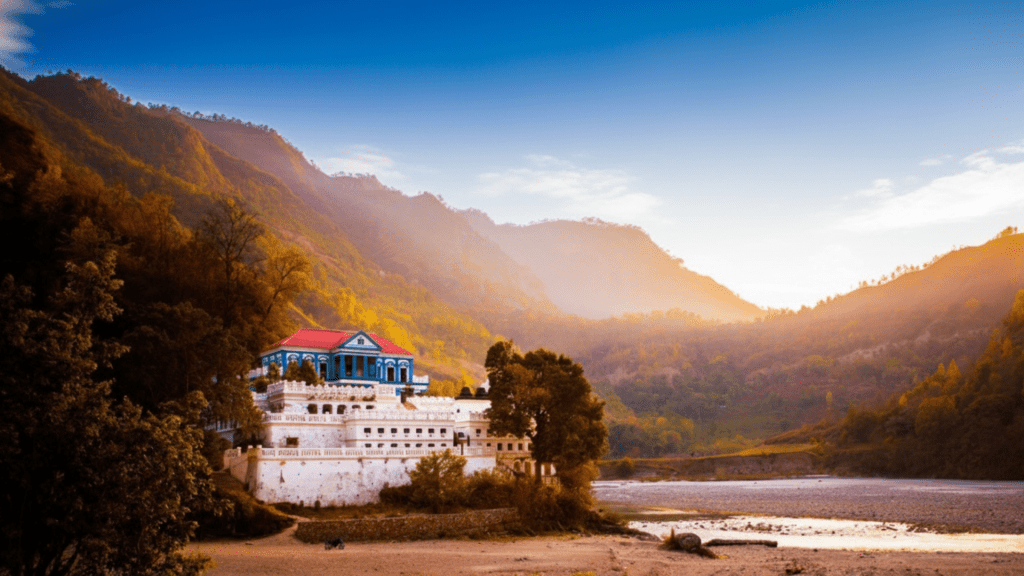
Rani Mahal, also known as the “Taj Mahal of Nepal,” is a historic palace located on the banks of the Kali Gandaki River in Ranighat, Palpa district. Built in 1893 by General Khadga Shamsher Jang Bahadur Rana, the palace was a loving tribute to his late wife, Tej Kumari Devi. This neoclassical architectural marvel combines elegance and tranquility, making it one of the most visited heritage sites in Nepal.


Tourists exploring Palpa often include Rani Mahal in their itinerary for its serene riverside setting and historical significance, reflecting Nepal’s rich cultural and architectural legacy.
Historical Context
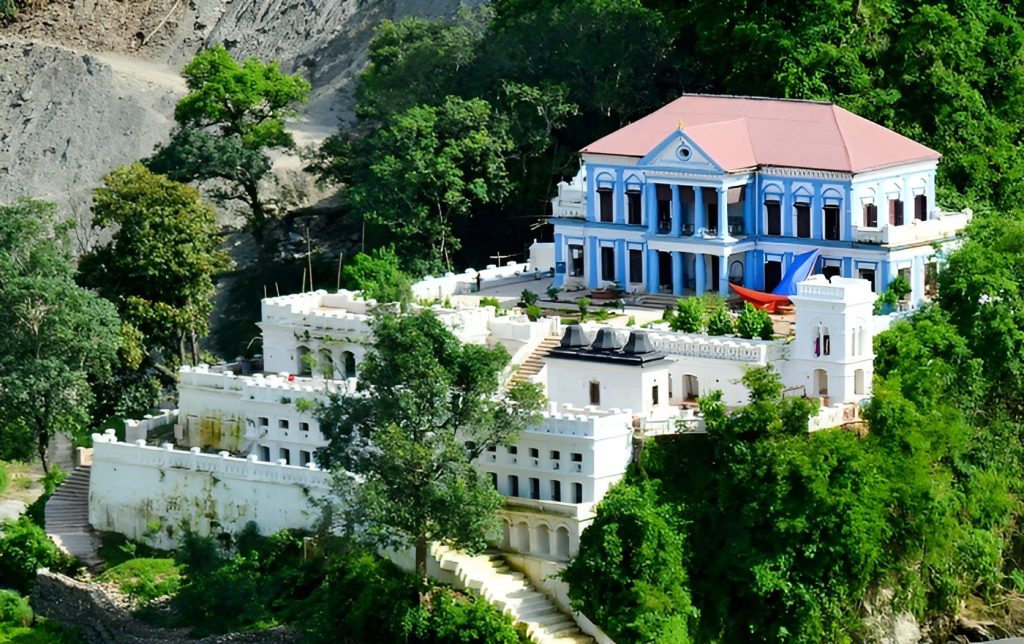
During the Rana regime, Nepal experienced a surge in palace constructions inspired by European architecture. Unlike most Rana palaces, which were symbols of political power, Rani Mahal was built solely as a personal tribute, representing love and grief rather than authority.
It remains the only Rana-era palace constructed primarily as an expression of affection, making it a truly unique monument in Nepalese history.
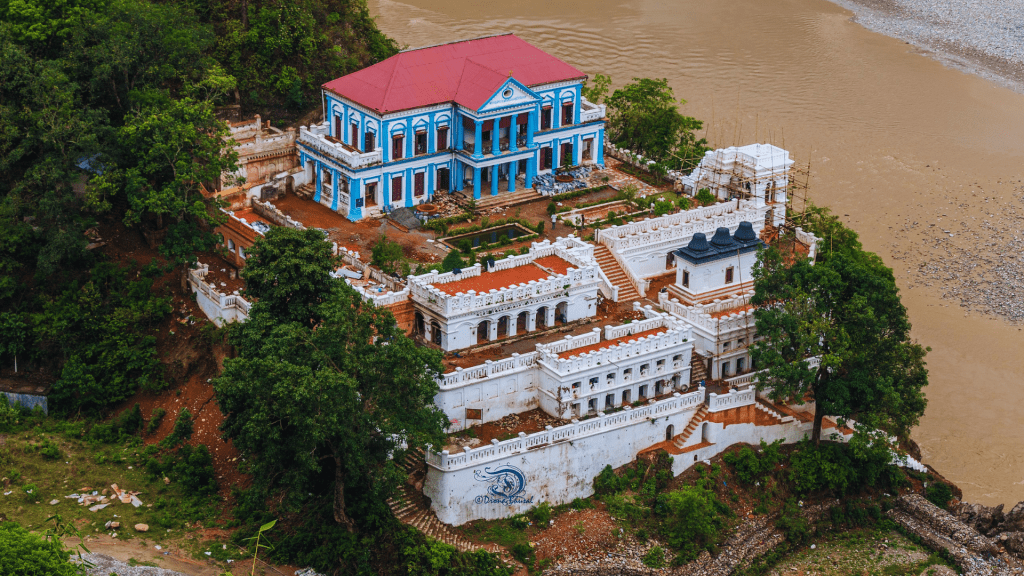
The brick-and-mortar palace, designed by a British architect, cost approximately 35 crore Nepalese rupees and was built using labor from local villagers and the Agri community. Rani Mahal served as a private residence until General Khadga Shamsher Rana fled to India in 1902, after which it fell into disuse.
In 2017, the Nepalese government restored the palace, converting it into a museum that now attracts visitors interested in both history and architecture.
Why Visit:
- Experience Nepal’s most romantic neoclassical palace.
- Photograph riverside views and historical architecture.
- Understand how personal devotion influenced heritage structures.
Rani Pokhari: Kathmandu’s Monument of Love and Devotion
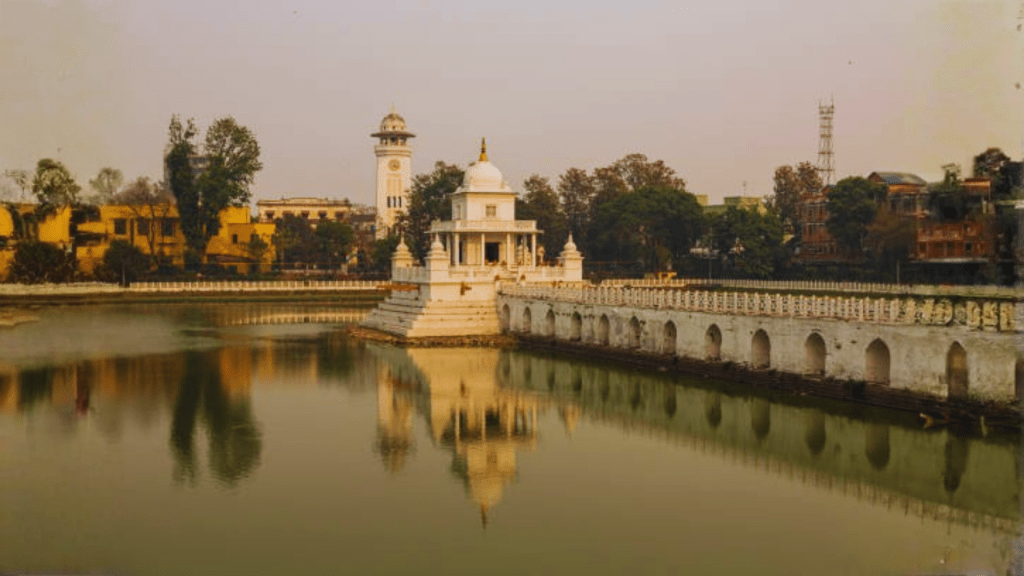
Rani Pokhari, a historic pond located in the heart of Kathmandu, was constructed in 1670 AD by King Pratap Malla of the Malla dynasty. The pond was built as a heartfelt tribute to console his grieving queen following the tragic death of their young son, who was accidentally trampled by an elephant. This poignant act transformed personal sorrow into a public symbol of love, devotion, and spiritual healing, making Rani Pokhari one of Nepal’s most cherished love monuments.
Purpose and Sanctification
Originally named Nhu Pukhu, meaning “New Pond,” Rani Pokhari was designed as a square-shaped artificial pond filled with holy water brought from sacred sites across Nepal and India. Water from Gosaikunda, Muktinath, Badrinath, and Kedarnath was collected to sanctify the pond, creating a space for mourning, devotion, and spiritual merit. At the center of the pond, a temple dedicated to Balgopaleshwar; a form of Lord Krishna, was constructed, enhancing the religious significance of the site. The pond continues to play an essential role during festivals like Haribodhini Ekadashi and Kartik Purnima, where devotees perform rituals, highlighting its continued cultural and spiritual importance.
Historical Legacy and Restoration
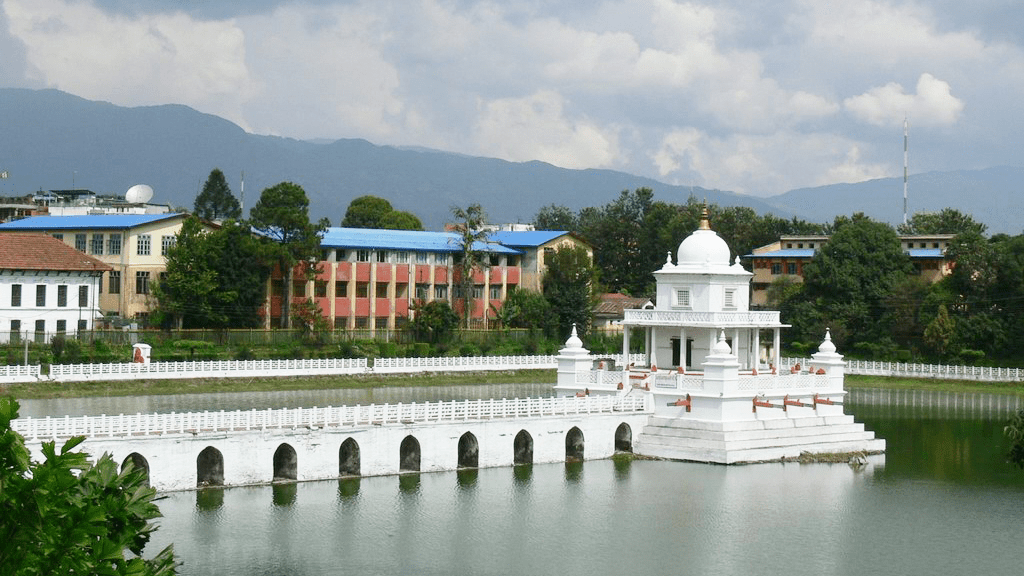
Rani Pokhari has endured centuries of natural calamities, reflecting the resilience of Nepali heritage. The pond suffered considerable damage during the 1934 earthquake, prompting restoration efforts by Juddha Shamsher Rana. Later, the 2015 earthquake again necessitated careful reconstruction, ensuring that the pond’s architectural and cultural integrity was preserved. Today, Rani Pokhari stands not only as a historical site but also as a cultural landmark symbolizing love, loss, and devotion in Kathmandu’s urban fabric.
Architectural and Cultural Significance
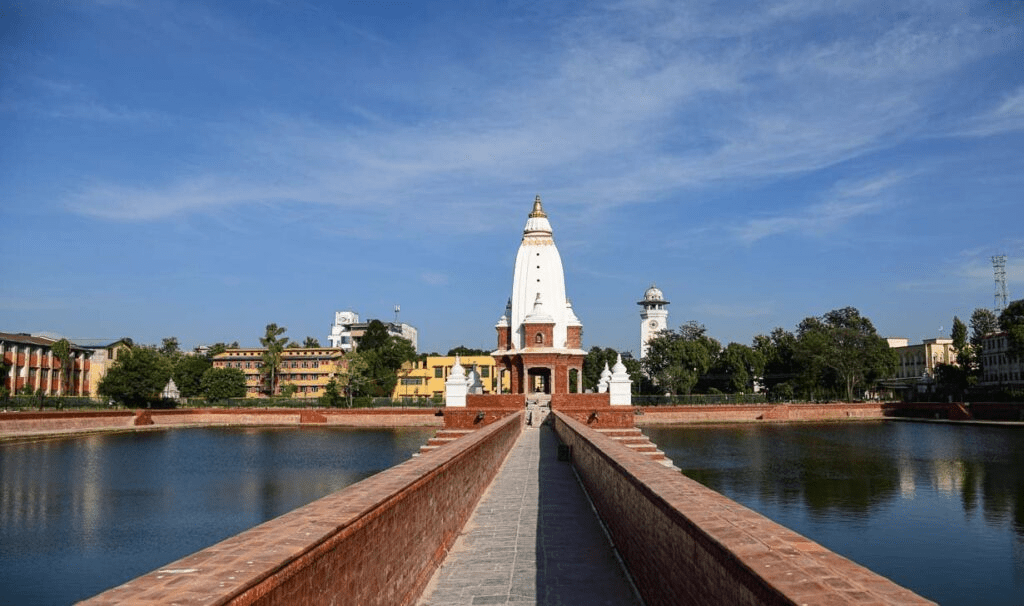
The construction of Rani Pokhari reflects the sophisticated urban planning and religious culture of 17th-century Kathmandu.
Combining Hindu cosmology with royal tradition, the pond exemplifies the Newar approach to integrating public utility, spirituality, and commemorative architecture. Beyond its emotional and religious context, Rani Pokhari historically served as a civic water reservoir, illustrating how personal grief was transformed into a lasting public resource that continues to benefit the city.
Why Visit Rani Pokhari
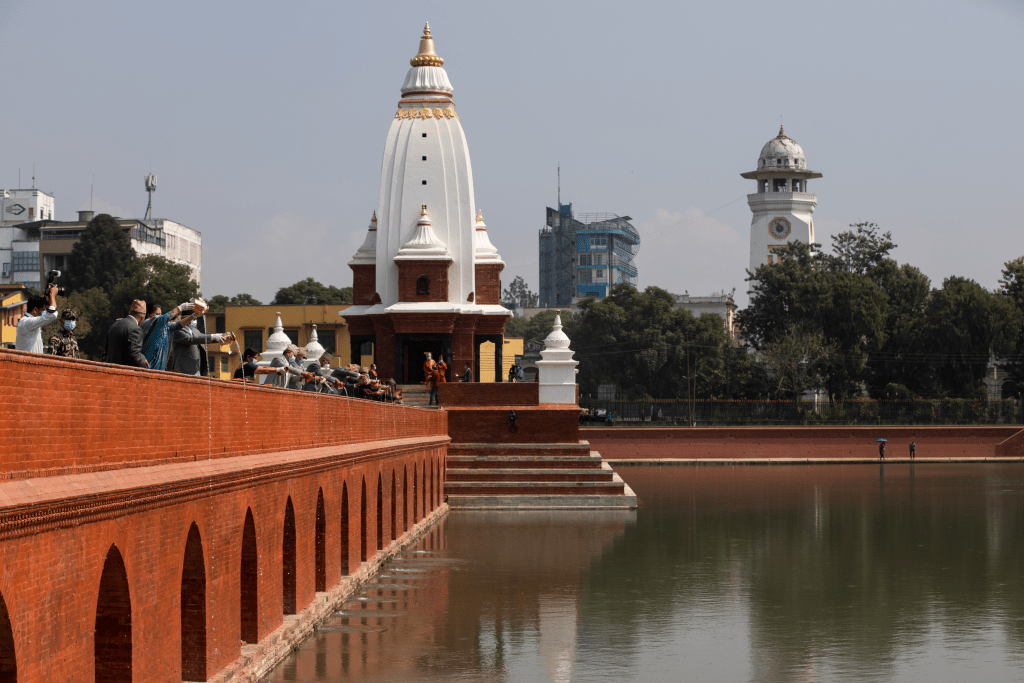
Visitors to Rani Pokhari can witness centuries-old rituals and royal devotion preserved in the heart of Kathmandu. The site offers a unique glimpse into Nepal’s Malla-era architecture, urban culture, and spiritual practices. Exploring Rani Pokhari allows tourists to experience a blend of personal history, religious significance, and cultural heritage, making it a must-visit destination for heritage tourism in Nepal.
Ram-Sita Vivah Mandir (Manimandapa): The Sacred Marriage Pavilion of Janakpur
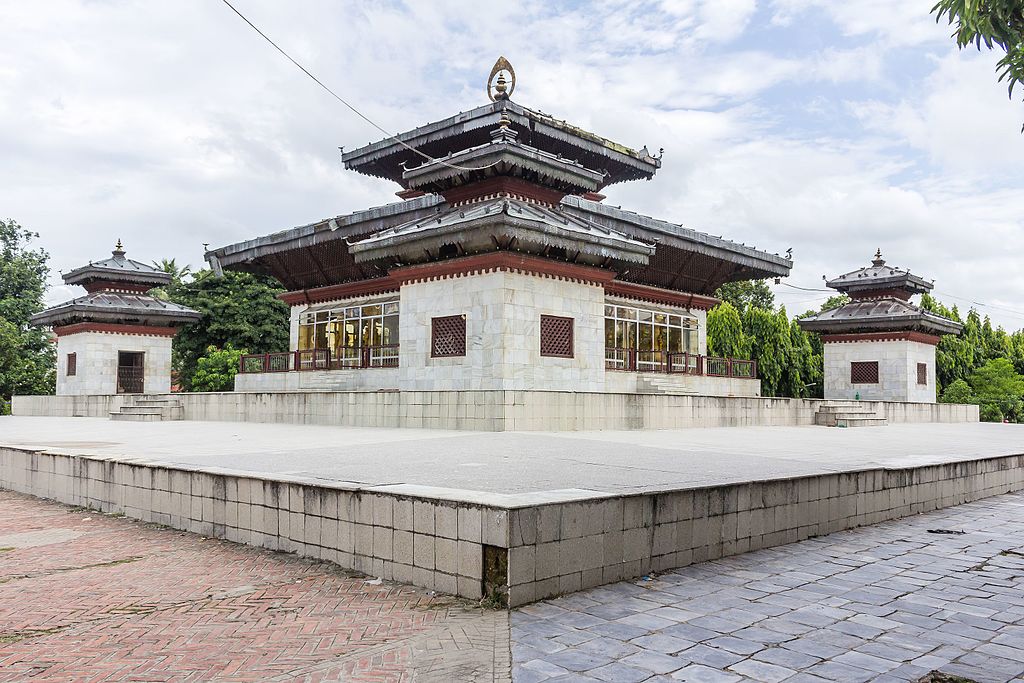
Ram-Sita Vivah Mandir, also known as the Vivah Mandap or Manimandapa, is a significant religious structure within the Janaki Temple complex in Janakpur, Nepal. The pavilion marks the legendary site of Lord Rama and Goddess Sita’s divine marriage, as described in the Ramayana epic.
Constructed alongside the three-storied Janaki Mandir, the Vivah Mandap was commissioned primarily by Queen Vrisha Bhanu of Tikamgarh (Orchha State), India, beginning in 1910 AD. Built at a cost of nine lakh gold coins, the pavilion is famously referred to as Nau Lakha Mandir, highlighting its lavish construction and historical prominence.
Architectural Features
The Ram-Sita Vivah Mandir is a striking blend of Koiri-Hindu, Mughal, and Rajput architectural styles. The pavilion is made from marble and stone and features intricate carvings, detailed sculptures of demigods witnessing the sacred marriage, and vivid murals illustrating various scenes from the Ramayana.
Its pagoda-like form complements the adjoining Janaki Mandir while retaining its unique aesthetic appeal. The craftsmanship reflects both religious devotion and the artistic fusion prevalent in early 20th-century Nepalese temple architecture, making it a visual and spiritual marvel for visitors and devotees alike.
Cultural and Religious Significance
The Vivah Mandap serves as a focal point for devotees, particularly during the Vivah Panchami festival, when rituals reenact the sacred wedding of Ram and Sita. These ceremonies connect Janakpur’s community with its mythological heritage, celebrating divine love and reinforcing the city’s identity as Sita’s birthplace in Nepal’s Mithila region. The pavilion not only honors a legendary union but also preserves centuries-old traditions, drawing pilgrims, tourists, and scholars interested in Hindu culture, Nepali heritage, and Ramayana lore.
Why Visit Ram-Sita Vivah Mandir
Visitors to the Vivah Mandap can witness elaborate rituals, admire its architectural grandeur, and immerse themselves in the mythological history of Nepal. The pavilion offers a unique spiritual experience, symbolizing eternal love and devotion, while forming an essential part of Janakpur’s cultural and religious tourism circuit. Its proximity to the Janaki Temple ensures that tourists experience both architectural splendor and a deep connection to Nepalese mythology.
Rani Pokhari, Bhaktapur: A Royal Tribute to Love and Legacy
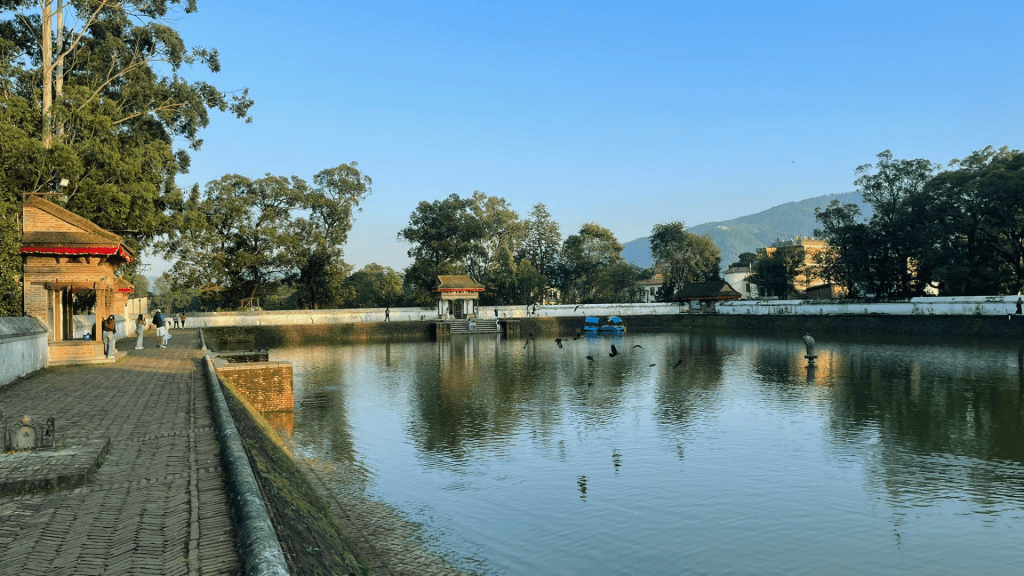
Rani Pokhari in Bhaktapur, also known as Nhu Pukhu, was commissioned in 1630 AD (NS 750 / 1687 BS) by King Jagat Jyoti Malla of the Malla dynasty. Built in just five months, the pond was created as a heartfelt memorial to his late wife, Queen Rajlaxmi. This historic pond stands as one of Nepal’s earliest examples of love monuments, blending personal devotion with civic purpose, and remains a significant part of Bhaktapur’s heritage landscape.
Historical Details and Renovations
Inscriptions near the pond, located close to Sainik Aawasiya Mahavidyalaya, confirm its rapid construction. Bhaktapur’s Rani Pokhari predates Kathmandu’s Rani Pokhari by approximately 40 years, highlighting its historical significance. In 1735, King Jitmitra Malla carried out renovations, adding statues of deities to enhance its sacred and aesthetic appeal, although many of these statues have since disappeared. The pond exemplifies the Malla rulers’ dedication to preserving cultural heritage while honoring personal loss through architectural expression.
Cultural and Spiritual Significance
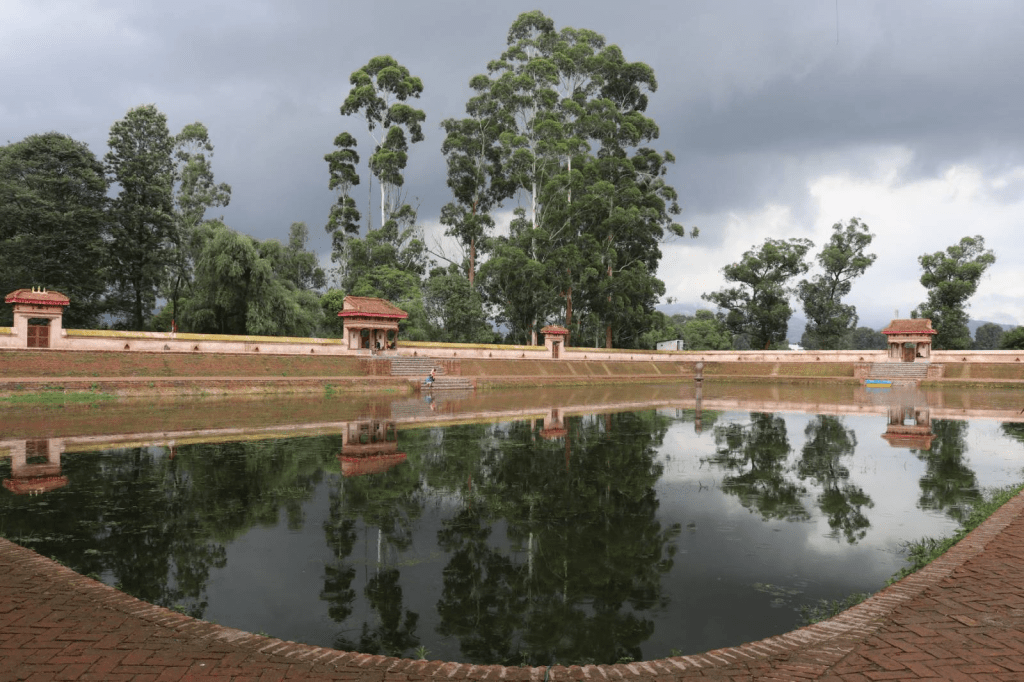
Rani Pokhari holds special importance for the Prajapati clan, serving as the home of their lineage deity, Digu Dyo. Beyond its role as a royal memorial, the pond reflects Bhaktapur’s spiritual and urban culture during the Malla period. It showcases how monuments could serve both as tributes to loved ones and as functional spaces for the community, combining personal grief, civic utility, and religious reverence.
Architectural and Civic Context
The construction of Rani Pokhari highlights the sophisticated urban planning and artistic sensibilities of 17th-century Bhaktapur. As a water reservoir, it provided practical utility while simultaneously preserving the memory of Queen Rajlaxmi. The pond’s design demonstrates the dual purpose of monuments in Newar culture, where royal patronage often merged personal devotion with public benefit, making it a lasting symbol of love and community.
Why Visit Rani Pokhari, Bhaktapur
Visitors to Bhaktapur’s Rani Pokhari can experience heritage architecture that predates Kathmandu’s more famous pond. The site offers insight into the Malla dynasty’s influence on civic life, culture, and spiritual traditions. As a peaceful and less-crowded historic site, it provides a unique opportunity to explore Nepalese heritage, royal devotion, and the integration of personal memory into public architecture.
Ratna Mandir, Pokhara: A Lakeside Palace of Love and Devotion
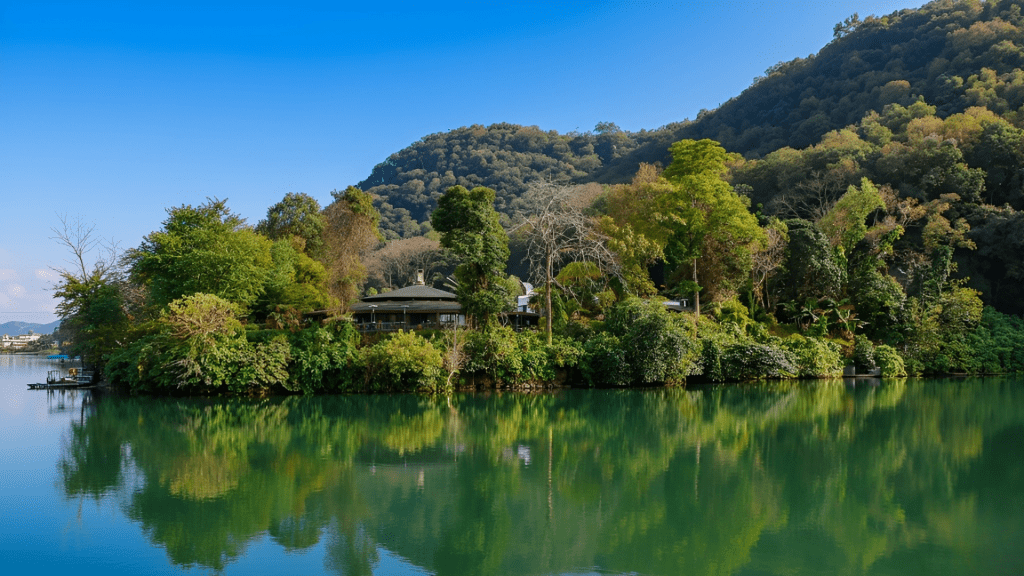
Ratna Mandir, located on the eastern shore of Phewa Lake in Pokhara, was constructed in the mid-1950s by King Mahendra of Nepal as a private retreat for his second wife, Queen Ratna Rajya Lakshmi Devi. Spanning approximately 56,468 square meters (174 ropanis), the three-story palace was designed as a charming lakeside cottage with 11 rooms, including bedrooms and a meeting hall. Built purely as a personal expression of love and devotion, Ratna Mandir offered the royal couple a serene getaway amid the natural beauty of Pokhara’s hills and lake.
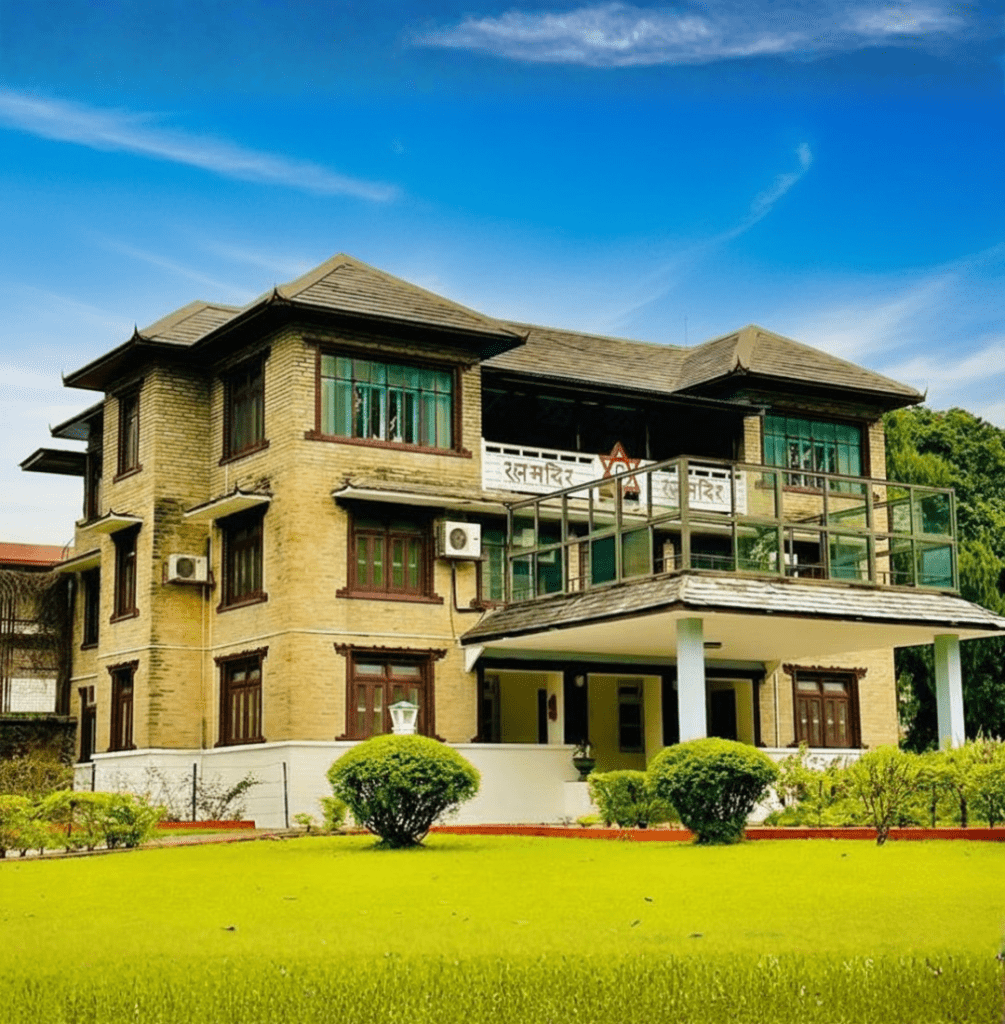
Architectural and Historical Features
Ratna Mandir showcases a blend of royal elegance and lakeside tranquility. Its architecture reflects mid-20th-century Nepalese royal style, emphasizing comfort, leisure, and scenic views rather than formal grandeur. The palace preserves original furniture, gifts, and artifacts from the royal era, providing visitors with a glimpse into the lifestyle of Nepal’s monarchy. Historically, the palace served as a winter retreat for the royal family, demonstrating a shift in royal architecture from formal palaces to intimate, personal spaces inspired by love and privacy.
Cultural and Historical Context
Constructed during a period when Nepal’s monarchy invested in palaces that combined modern leisure with personal luxury, Ratna Mandir exemplifies how love and devotion influenced architectural choices. The lakeside location on Phewa Lake highlights the importance of natural surroundings in creating a romantic and peaceful retreat, reflecting the evolution of Nepalese royal residences in the 20th century.
Current Status and Visiting Information
After the monarchy ended, Ratna Mandir came under the management of the Nepal Trust. It was opened to the public in 2023 on Republic Day and now functions as a museum, allowing visitors to explore its historic interiors and enjoy stunning views of Fewa Lake and the surrounding Pokhara hills. Although currently modestly visited, the site remains an important romantic heritage monument in Nepal, with entry fees contributing to its preservation and ongoing restoration efforts.
Why Visit Ratna Mandir
- Experience a royal lakeside retreat built purely from personal devotion.
- Explore historic interiors, furniture, and artifacts from Nepal’s monarchy.
- Capture panoramic views of Fewa Lake and the picturesque Pokhara hills.
- Understand how love and personal relationships shaped Nepalese royal architecture.
Why Nepal’s Love Monuments Are Unique
Nepal’s love monuments stand out for their blend of personal devotion, grief, and mythological significance, creating heritage sites that are both emotionally powerful and historically rich. Each monument was built with a clear purpose; ranging from royal tributes and consolation to the celebration of divine unions, and continues to attract visitors for its architectural beauty, cultural depth, and storytelling. These monuments offer:
- A journey through romantic and royal history: Explore tributes to queens, kings, and legendary figures.
- Architectural and cultural heritage experiences: Witness a fusion of Nepalese, Newar, Rajput, Mughal, and European influences.
- Insight into festivals, myths, and devotion: Observe how rituals and legends shape Nepalese culture.
Travel Tips for Visiting Nepal’s Love Monuments
- Best Season: October to March, when skies are clear and weather is pleasant.
- Photography Tips: Capture sunrise or sunset views at Rani Mahal and Ratna Mandir for dramatic lighting over rivers and lakes.
- Cultural Etiquette: Dress modestly at sacred sites like Ram-Sita Vivah Mandir (Manimandapa) and Rani Pokhari.
- Local Experiences: Attend festivals such as Vivah Panchami in Janakpur or rituals at Rani Pokhari to experience living heritage.
Conclusion
From the riverside elegance of Rani Mahal to the mythic romance of Manimandapa in Janakpur, Nepal’s love monuments are living testaments to devotion, grief, and cultural storytelling. Each site provides insights into history, architecture, royal emotions, and mythological traditions, offering travelers an experience that is both educational and emotionally enriching.
Visiting these five iconic love monuments in Nepal allows you to walk through centuries of romance, witness stories etched in stone, water, and marble, and immerse yourself in the heart of Nepalese culture and heritage.
See Nepal in every scroll: Follow us on Facebook, Instagram, and TikTok for stories that bring the country to life.


