



Most advice about visiting Nepal during Dashain gets the practical part backwards. Nepal does not shut down for two weeks. What happens is narrower and more predictable: a tight window of roughly seven days when offices and banks close, transport fills, and the cities empty toward the villages. Outside that window, Kathmandu functions. Knowing where the real pressure sits is the difference between a frustrating trip and a good one. Here is what to expect if you are wondering is Nepal closed during Dashain, service by service, with the guesswork separated from the confirmed.
The dates that create the closures
Dashain 2026 runs from Ghatasthapana on October 11 to Kojagrat Purnima on October 25. Disruption is not spread evenly across those fifteen days. It clusters hard between Phulpati and the days just after Vijaya Dashami.
- October 11 to 16: normal operations for most services. Preparation, shopping and travel booking intensify.
- October 17 to 23: the heavy window. Nepal Rastra Bank’s BS 2083 schedule lists bank closures across this stretch, and government offices follow the public holiday calendar.
- October 21: Vijaya Dashami, tika day. The quietest commercial day of the Nepali year.
- October 24 to 25: services resume in stages. Return travel to the cities peaks.
If you have one inflexible errand in Nepal this October, do it before October 17. Everything below follows from that single rule. For the ritual meaning behind these days, see our Dashain festival guide.


Likely closed, reduced, or generally open
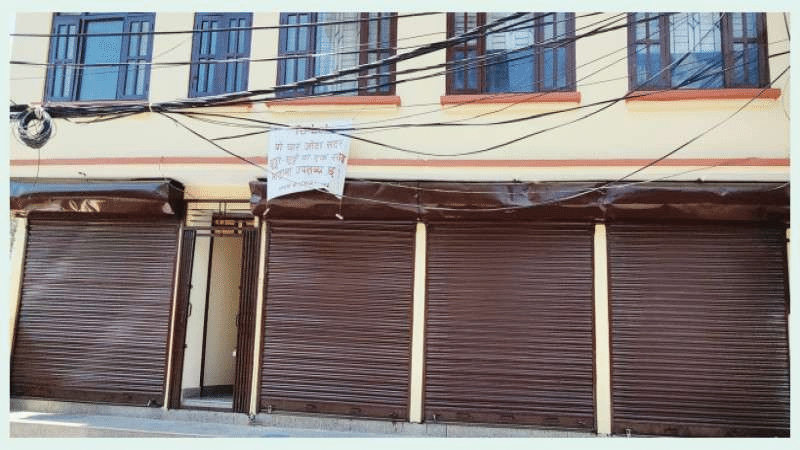
Nothing in the table below is absolute. Nepal runs on local practice as much as on published schedules, and a shop that closes in Thamel may stay open in Patan. Treat this as a planning baseline, not a guarantee.
| Service | Oct 17 to 23 expectation | Notes |
|---|---|---|
| Government offices, immigration, department offices | Closed | Follows the official public holiday list. Plan visa extensions well outside this window. |
| Bank branches | Closed, roughly seven days | Listed in the Nepal Rastra Bank 2083 holiday schedule from Phulpati onward. |
| ATMs | Operating, but expect empty machines | Cash demand spikes before Dashain. Refill cycles slow during the holiday. |
| Domestic flights | Operating, heavily booked | Advance booking opened in early September and popular routes fill fast. |
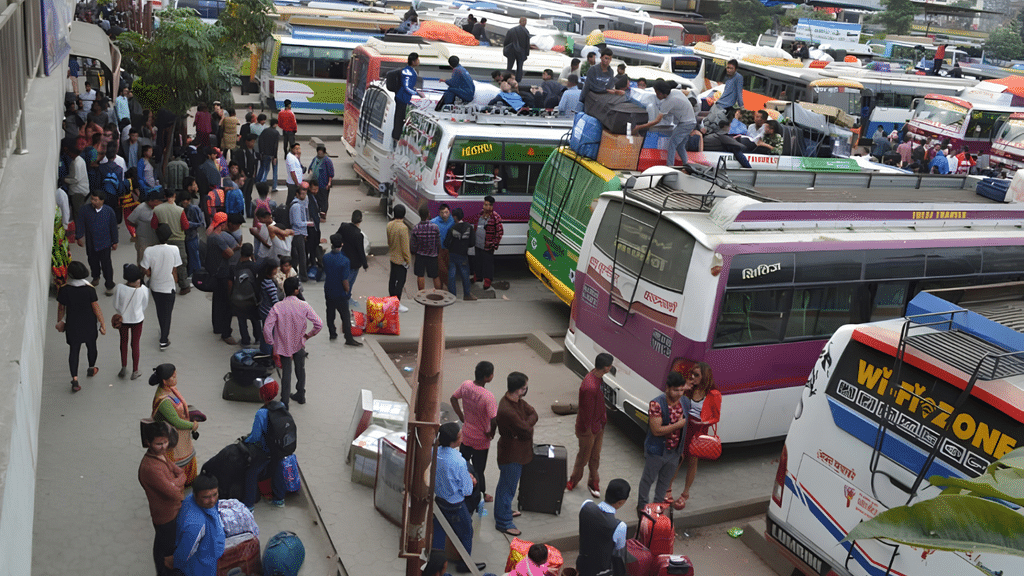
| Long-distance buses | Operating, heavily booked, extra services added | Advance bus booking typically opens in the second half of September. |
| City taxis and ride apps | Reduced, fares negotiable upward | Fewer drivers in the city. Expect longer waits around Dashami. |
| Neighborhood shops and local restaurants | Many closed, several days each | Highly variable. Family businesses close for the owner’s home village trip. |
| Thamel and Lakeside tourist businesses | Mostly open, some reduced hours | Tourist-facing businesses stay open through peak trekking season. |
| Trekking and tour agencies | Skeleton staffing around Ashtami to Dashami | Confirm bookings in writing before mid-October. |
| Museums and heritage sites | Mixed, expect some closures | Durbar Square areas usually remain walkable. Individual museums may close. |
| Major temples | Open and extremely busy | Crowds peak at Ashtami and Navami. |
| Hospitals and pharmacies | Open, emergency and duty rosters | Outpatient clinics often run reduced schedules. |
Government offices and visa services
Anything that requires a government counter should be treated as unavailable across the holiday block. Visa extensions, trekking permit offices that follow the public holiday calendar, and any administrative appointment all fall into this category. Foreign nationals planning to extend a tourist visa in late October should build a buffer of several working days on either side.
Permit collection deserves specific attention. If your trek starts during or just after Dashain, collect permits before Phulpati on October 17. Agencies can often handle this on your behalf, but only if they have your documents in hand early.
Banks, ATMs and cash
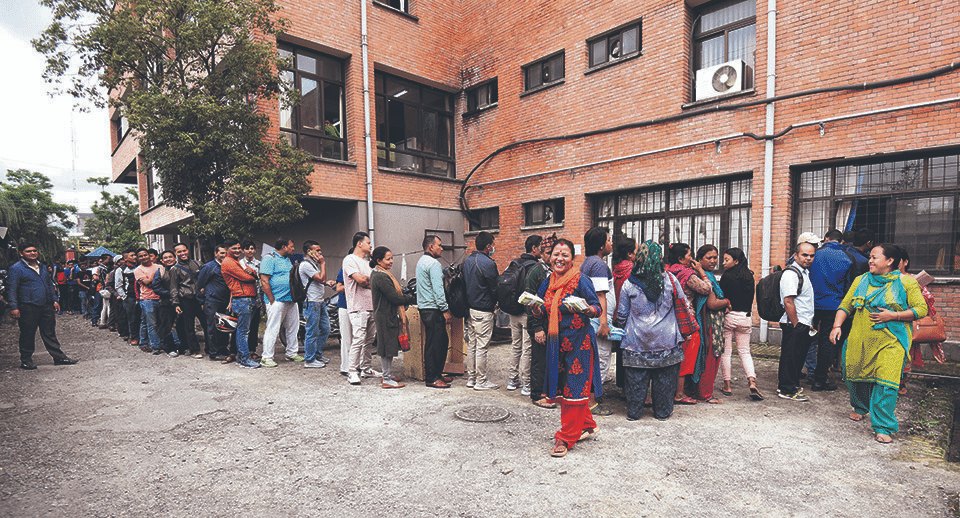
Bank branches close for roughly seven consecutive days under the 2083 schedule. ATMs keep running, but two things happen at once: withdrawal demand surges in the days before Dashain as households draw cash for gifts and travel, and restocking slows during the holiday itself. Empty machines are common, particularly outside Kathmandu and Pokhara.
Practical approach: withdraw what you need by around October 15, split it between two places, and do not rely on a single card. Card payment works in mid-range and upper hotels and in established restaurants, but small guesthouses, local eateries and transport operators remain cash businesses. Money changers in Thamel generally stay open, though hours shorten.
Domestic flights
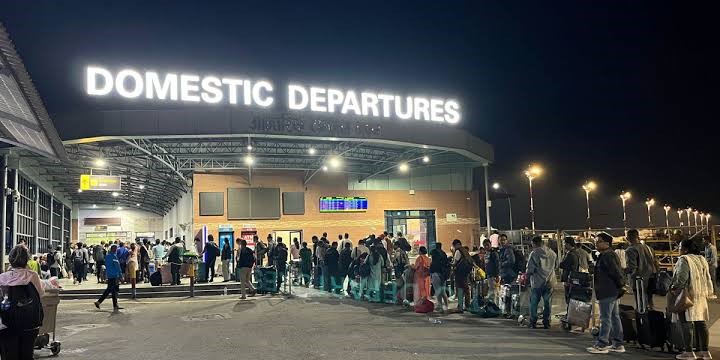
Flights operate throughout Dashain. Getting a seat is the problem. Airlines report the heaviest demand not on the trunk routes but on flights to remoter districts, where people are returning to home villages. Routes such as Tumlingtar and Surkhet see the sharpest spikes, and some flights sell out weeks ahead.
Weather is the other variable. October mornings in the hills are usually clear, but Lukla, Jomsom and Simikot are all subject to cancellation on short notice. Flying during a peak week means fewer spare seats on the next available service if yours is canceled. Build a day of slack into any itinerary with a mountain flight in it.
Long-distance buses and road conditions
Buses run, and operators add extra services to meet demand. Booking opens in the second half of September for Dashain travel, and the popular corridors out of Kathmandu toward the eastern hills, the Terai and the far west fill quickly. Fares can rise, and standing-room crowding on local services is common in the days before Dashami.
Roads themselves are a separate question. Nepal’s highways take damage through the monsoon, and repair work continues into October. Conditions in any given year depend on that season’s flooding and landslides, so check current status rather than assuming last year’s route times apply. Our travel disruptions status guide tracks ongoing road and route issues, and our night bus guide covers what overnight services are actually like.
Getting around Kathmandu
City transport thins out noticeably. Many taxi drivers go home to their villages, and those remaining have more work than they can take. Meter use, never universal, becomes rarer still. Agree a fare before getting in and accept that you will pay above the usual rate during the holiday block.
Traffic, on the other hand, becomes almost pleasant. Kathmandu on tika day is as quiet as it ever gets. Walking the old city between Ason and Durbar Square during that lull is one of the more memorable things a visitor can do in October, precisely because the usual noise has drained out of it.
Thamel, Lakeside and tourist services
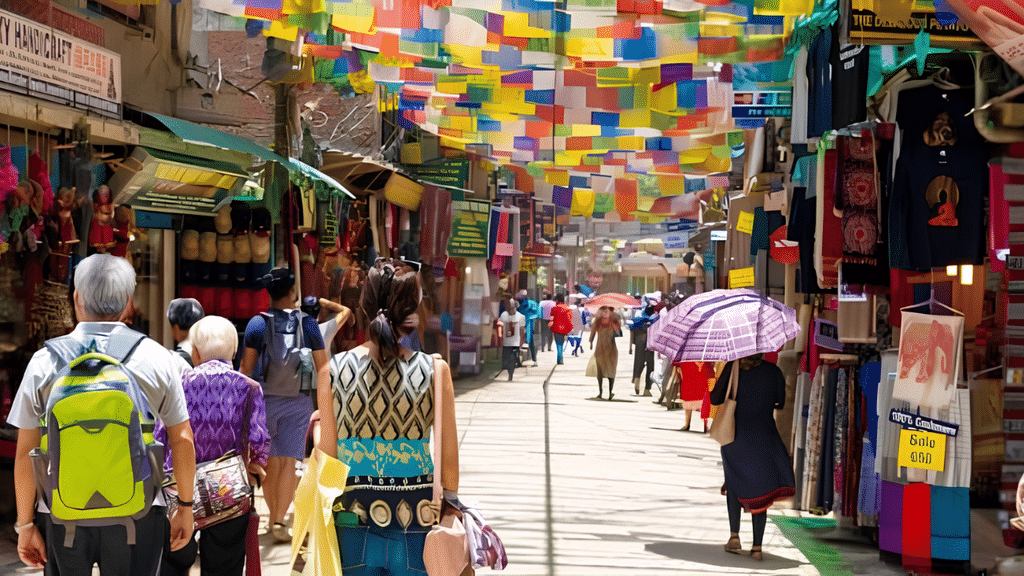
Tourist-facing businesses largely stay open. October is peak trekking season, and Thamel restaurants, gear shops, bookshops and guesthouses are not going to close their best month. Expect shortened hours rather than shuttered doors, and expect some individual owners to close for two or three days around Ashtami and Dashami.
Pokhara follows the same pattern. Lakeside operates, boat rentals run, and paragliding continues weather permitting. Staffing is thinner, so book activities a day ahead rather than walking up.
Museums, heritage sites and temples
Heritage areas and open squares generally stay accessible. Individual museums inside them may close on public holidays, and posted hours are not always reliable during festival weeks. Ticket counters at the main Durbar Squares usually continue operating, though you should expect the possibility of a closed day.
Temples are the opposite of closed. Major Shakti temples see enormous crowds through Ashtami and Navami, with queues that can run for hours at sites such as Dakshinkali and Guhyeshwari. Visitors are welcome in most public temple precincts, but inner sanctums are frequently restricted to Hindus. Photography rules tighten during ritual hours. If you are unsure, do not photograph, and never photograph a sacrifice without explicit permission.
Hospitals and pharmacies
Emergency services continue throughout. Major hospitals in Kathmandu, Pokhara and district headquarters run holiday duty rosters, and pharmacies in tourist areas generally remain open. Outpatient departments and scheduled appointments are the part that shrinks. Fill any ongoing prescription before October 17, and carry your own basic medical kit if you are heading to the hills.
What to book ahead
- Domestic flights: as early as possible, especially anything into or out of the mountains.
- Long-distance bus seats: from the second half of September for travel in the Dashain window.
- Accommodation in trekking hubs: October fills regardless of the festival.
- Trekking permits and paperwork: completed before October 17.
- Airport transfers: through your hotel, not on arrival.
- Cash: drawn before the bank closure block begins.
Why the cities empty, and what that means for you
Dashain is a return festival. Millions of people who live and work in Kathmandu, Pokhara and the Gulf come back to family homes in the hills and the Terai for tika. Understanding that single movement explains almost every closure on this page. Shops shut because the owner has gone home. Taxis thin out for the same reason. Bus and flight demand runs outward from the cities before Dashami and inward after it.
Worth saying plainly: the pattern is not uniform across Nepal. In many Tharu and Madhesi households in the Terai, Dashain carries less weight than Maghi or Chhath, and the outward rush looks different there. Among several Himalayan Buddhist communities, the festival may be marked lightly or not at all, so Solukhumbu and Mustang feel far less disrupted than the mid-hills. Traditions vary by community and region, and so do closures.
For a visitor, the useful inversion is this. Places that empty of residents fill with space. Kathmandu’s old neighborhoods, usually impassable, become walkable. Sites that are mobbed in a normal week are quiet in the days right after Dashami, before the return rush arrives.
Frequently asked questions
Is Nepal closed during Dashain?
No. Banks and government offices close for roughly a week around October 17 to 23 in 2026, and many small local businesses close for a few days. Tourist services, hotels, temples, hospitals, flights and buses continue operating throughout.
Should I avoid visiting Nepal during Dashain 2026?
Not unless you have administrative business to do. Weather in October is excellent, and the festival itself is worth seeing. Plan around the closure window, book transport early, and carry cash.
Will ATMs work during Dashain?
Machines stay powered, but they run empty more often than usual because demand spikes and restocking slows. Withdraw before the holiday block and do not depend on a single machine or a single card.
Can I still trek during Dashain?
Yes, and many people do. Teahouses on the main routes stay open through peak season. Secure permits before the government holiday block, and expect some lodge owners and staff to be away for a few days.
Are domestic flights canceled during Dashain?
Not because of the festival. Flights operate but book out early, and mountain airstrips remain subject to weather cancellations as they are in any month.
What is open on tika day itself?
Expect the thinnest day of the holiday. Major hotels, tourist restaurants in Thamel and Lakeside, pharmacies, hospitals and temples operate. Most other commerce pauses.
Is it safe to travel by road during the Dashain rush?
Overcrowding on local buses is the main concern, along with post-monsoon road damage that varies year to year. Use established operators, avoid roof travel entirely, and check current road status before committing to a long route.
Do these closure patterns apply to Tihar too?
Broadly yes, on a shorter scale. Tihar 2026 runs November 7 to 11, with bank closures listed from November 8 to 12. Disruption is milder because Tihar involves less long-distance travel than Dashain.
Before you book
Dates move every year, so check them against the current calendar before you lock anything in. Our Nepal festivals calendar keeps the full year in one place, and Nepal Rastra Bank publishes the official bank holiday list each Bikram Sambat year. The Nepal Tourism Board posts visitor notices during festival weeks.
Save this guide for your October planning, and share it with anyone booking Nepal this autumn. Follow NepalVue for more practical, on-the-ground travel coverage from across the country.


