



Most trekkers buy travel insurance for Nepal and assume the helicopter question is settled. It usually is not. A standard policy covers a delayed bag and a stomach bug, then quietly excludes the one scenario that costs real money: an emergency flight off a Himalayan trail above 4,000 m. Getting Nepal trekking insurance with helicopter evacuation right is a matter of reading three or four specific clauses, not of buying the most expensive plan. This guide explains what those clauses say, what a rescue costs, how payment authorization works in practice, and what changed after Nepal’s 2026 rescue fraud prosecutions.
Helicopter Rescue Is Not One Benefit. It Is Three
Policies bundle very different things under words that sound similar. Separating them is the whole exercise.
- Emergency medical evacuation: moving you from the trail to appropriate medical care. That is the helicopter flight to Kathmandu or Pokhara.
- Emergency medical treatment: hospital admission, diagnostics, and care once you land. Separate limit, often separate excess.
- Repatriation: getting you home, sometimes on a medically staffed flight. Far more expensive than the helicopter itself.
Search and rescue is a fourth category and often excluded outright. If nobody knows where you are, that is a search, not an evacuation. Policies that cover mountain search usually say so explicitly.


The Altitude Clause That Voids More Policies Than Anything Else
Almost every insurer sets a maximum trekking altitude. Common tiers sit at 3,000 m, 4,000 m, 5,000 m and 6,000 m, and going one meter above your tier can void the claim entirely.
Run the numbers against your actual itinerary rather than your destination name. Everest Base Camp sits near 5,364 m, and Kala Patthar, which most trekkers add, is around 5,545 m. Thorong La on the Annapurna Circuit crosses about 5,416 m. Larke La on the Manaslu Circuit is roughly 5,106 m. Buying a 5,000 m policy for any of those leaves you uninsured on the single hardest day.
Two more clauses deserve attention. Some insurers exclude trekking without a licensed guide, which matters because Nepal now requires one on regulated trails. Others exclude any activity described as mountaineering, and define that loosely enough to catch trekking peaks. If your trip includes Island Peak or Mera Peak, you need a mountaineering policy, not a trekking one.
For the guide requirement itself, see our breakdown of which Nepal trails still allow solo trekking.
What a Rescue Actually Costs
Figures below reflect commonly reported market ranges. Actual invoices vary with flight time, fuel, number of sectors, and how far the aircraft must reposition.
| Cost item | Typical reported range (USD) | Notes |
|---|---|---|
| Helicopter evacuation, Khumbu / Everest region | $4,000 to $6,000 | Often multiple sectors from high camps |
| Helicopter evacuation, Annapurna Circuit | $3,000 to $5,000 | Shorter flights from Manang or Jomsom |
| Hospital admission in Kathmandu | $500 to $3,000 per day | Depends on ward, ICU, and imaging |
| Medical repatriation flight | $15,000 to $60,000 | Air ambulance or escorted commercial |
| Worst-case total | $80,000 and above | Serious injury with full repatriation |
A useful benchmark: a policy that caps medical evacuation at $10,000 is thin for a Khumbu trek once hospital days are added. Look for evacuation and repatriation limits well into six figures, and check whether they share one combined ceiling.
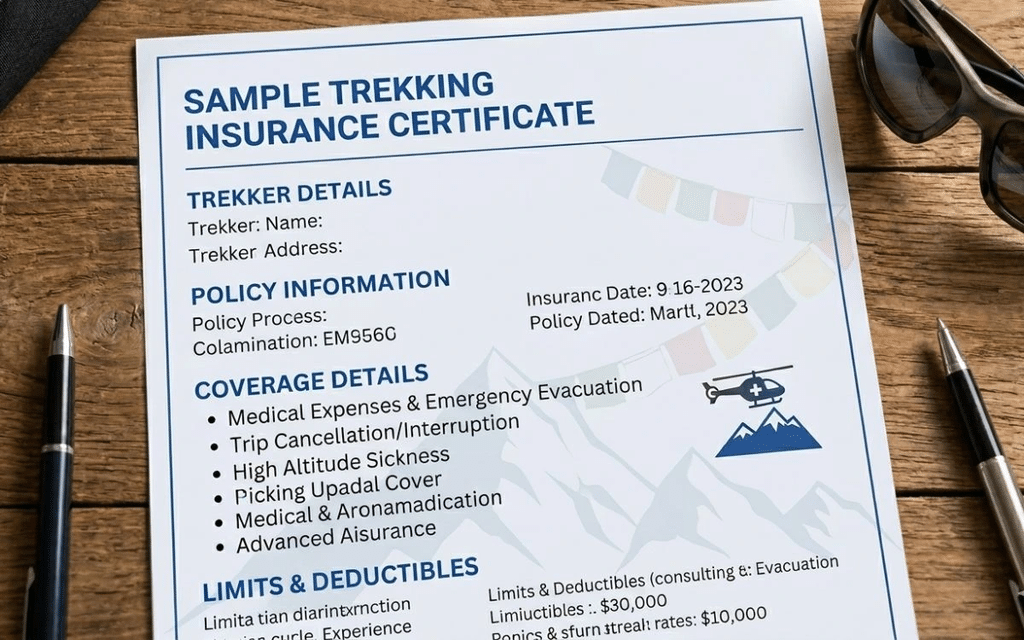
How a Rescue Actually Unfolds on the Trail
Understanding the sequence removes a lot of panic and prevents expensive mistakes.
1. Assessment and descent first
For altitude illness, descent remains the primary treatment. Losing 500 to 1,000 m of elevation resolves most cases of acute mountain sickness. A guide who reaches for a helicopter before trying descent is skipping the step that usually works.
2. The call and the guarantee of payment
Operators rarely launch on a promise. Your insurer or assistance company issues a letter of guarantee confirming they will pay, and the aircraft is dispatched on that basis. Without it, someone on the ground must guarantee the bill personally, often by credit card.
Practical consequence: your insurer’s 24-hour emergency number is the most important item in your pack. Carry it written on paper, not only in a phone that may be dead or out of signal.
3. Weather and time windows
Helicopters in Nepal generally fly from first light until mid to late morning. Afternoon winds and cloud build-up close the window. Rescue above roughly 5,800 to 6,000 m becomes extremely difficult, and in some conditions impossible, which is another argument for descent as the first response.
4. Documentation
Keep everything. Medical notes, oxygen saturation readings, the pilot’s or operator’s paperwork, receipts, and the name of the treating doctor. Claims are declined for missing evidence far more often than for bad faith.
What Insurance Routinely Does Not Cover
- Trekking above your policy’s stated altitude ceiling
- Evacuation for convenience, fatigue, or a canceled flight
- Pre-existing conditions not declared at purchase
- Incidents involving alcohol or recreational drugs
- Trekking without a licensed guide where the policy requires one
- Mountaineering and trekking peaks under a standard trekking policy
- Motorcycle travel without an appropriate license, a common gap on Mustang road trips
- Search operations, unless separately specified
Read the definitions section, not just the benefits table. Insurers define “trekking” and “mountaineering” in their own words, and those definitions decide claims.
Why the 2026 Fraud Case Changed the Landscape
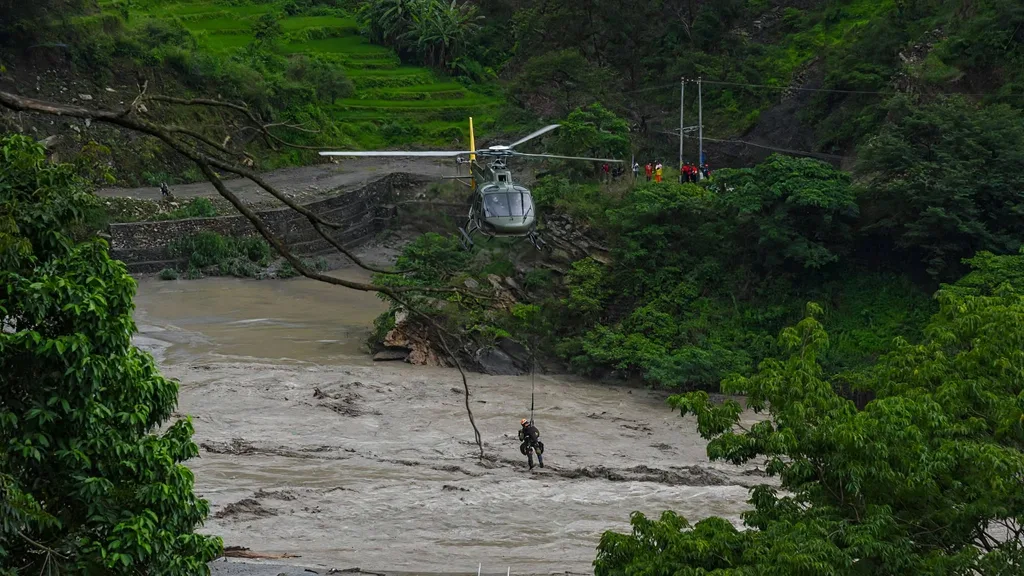
Nepal’s rescue industry spent years under suspicion, and in 2026 that suspicion produced charges. Investigators alleged a network of trekking companies, helicopter operators, and hospitals that inflated or invented medical emergencies, billed multiple insurers for a single flight, and in some reported cases induced symptoms in clients to justify an airlift. Charges were filed against dozens of individuals, with alleged claims valued at roughly $20 million across 2022 to 2025. Nepal’s Ministry of Culture, Tourism and Civil Aviation announced a zero-tolerance policy and a task force to audit licensing and rescue operations. An earlier government probe in 2018 had identified companies but produced little enforcement.
Three consequences reach ordinary trekkers. Underwriters have tightened verification, so claims are scrutinized more closely and paperwork matters more. Premiums for high-altitude Everest region coverage have risen. And a guide who suggests a helicopter for a mild headache is now a liability rather than a convenience.
Protect yourself with one simple rule: unless you are incapacitated, no helicopter lifts without your informed consent and a call to your insurer. Say that out loud to your guide on day one.
How to Read a Policy Before You Buy
Ten minutes with the policy wording saves a great deal later. Check these specific points:
- Maximum trekking altitude, stated in meters, above your route’s highest point
- Emergency medical evacuation limit, and whether it is separate from the medical limit
- Repatriation limit, including remains repatriation
- Whether helicopter evacuation is named explicitly, not merely implied
- Whether a licensed guide is required for cover to apply
- Whether trekking peaks, via ferrata, rafting, or paragliding are included
- Excess or deductible per claim
- 24-hour assistance number that works from Nepal
- Whether the insurer pays providers directly or reimburses you afterward
- Cancellation cover for domestic flights, which matters on the Lukla route
Ask the insurer in writing whether your exact itinerary is covered, and keep the reply. A named itinerary in an email has settled more disputes than any policy summary.
Credit Card and Employer Cover: Usually Not Enough
Many travelers arrive relying on a credit card benefit or an employer travel plan. Those products are built for business trips and city holidays. Altitude ceilings, when they exist at all, are often set at 2,500 m or 3,000 m, which stops short of almost every Nepali trekking route.
Common gaps in card and employer cover:
- No named helicopter evacuation benefit, only general emergency medical
- Low or unstated altitude limits
- Cover conditional on paying the full trip cost with that card
- Short maximum trip duration, sometimes 21 or 30 days
- No 24-hour assistance service able to issue a guarantee of payment to a Nepali operator
That last point is the practical killer. A benefit that reimburses you months later does nothing at 4,900 m when an operator wants payment authorization before takeoff. If you intend to rely on a card, call the administrator, describe your route and maximum altitude, and get the answer in writing.
Residency rules trip people up too. Several specialist policies are sold only to residents of a given country, and a claim can be refused if you bought outside those terms. Check eligibility before altitude.
Regional Differences That Affect Your Cover
Risk profiles are not uniform across Nepal. In the Khumbu, altitude gain is fast and the weather window is short, so evacuation costs and premiums both run higher. Around Annapurna, road access reaches further up the valley each year, which sometimes makes ground evacuation realistic and cheaper.
Remote eastern and western routes are a different problem. Kanchenjunga, Upper Dolpo and Rara involve long approaches with limited aircraft availability and thin medical infrastructure. Response times stretch, and a policy with a generous limit but a weak assistance network is of little use there.
Terai and lowland travel carries its own risks, mostly road accidents and dengue rather than altitude. A policy tuned only for trekking may under-serve a trip that mixes Chitwan, Lumbini, and a Himalayan week.
Route-level planning helps here. Our Nepal trekking permits guide and our full trekking cost breakdown both set out where the expensive decisions sit.
Frequently Asked Questions
Is travel insurance mandatory for trekking in Nepal?
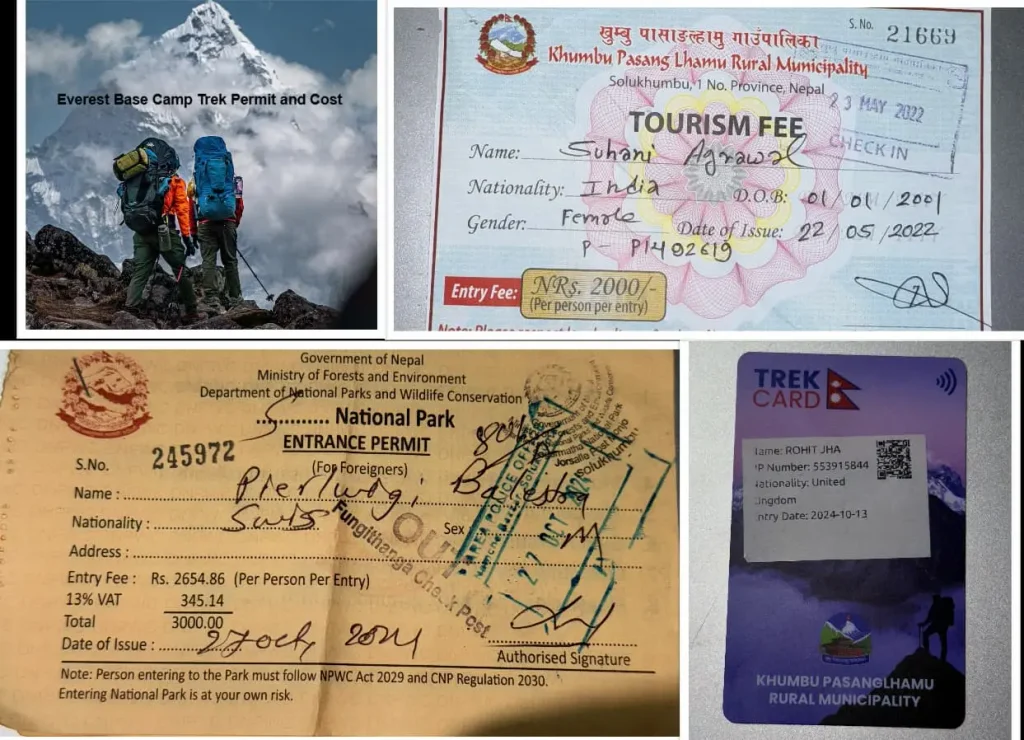
Insurance is not universally checked at permit counters for trekking, though registered agencies normally require proof and expedition permits have stricter rules. Practically, trekking above 3,000 m without evacuation cover is a serious financial risk.
What altitude should my policy cover for Everest Base Camp?
At least 6,000 m if you plan to include Kala Patthar at roughly 5,545 m. A 5,000 m policy does not cover the highest days of that route.
Does my insurer pay the helicopter company directly?
Usually yes, through a letter of guarantee issued to the operator. Some insurers reimburse instead, which means you or your agency must guarantee the cost first. Confirm which model applies before you travel.
Will insurance cover a helicopter if I am simply tired?
No. Evacuation must be medically necessary. Fatigue, slow progress, or a wish to skip a section are not covered, and claiming otherwise now attracts scrutiny after the 2026 fraud cases.
What if I trek without a guide?
Check the wording. Some policies require a licensed guide on regulated routes, and Nepal’s own rules require one for foreign trekkers on most established trails. Trekking outside those terms can invalidate a claim.
Are trekking peaks like Island Peak covered?
Not by standard trekking policies. Anything involving ropes, crampons, or a climbing permit generally needs a mountaineering add-on or a specialist policy.
How much does adequate Nepal trekking insurance cost?
Prices vary by age, nationality, trip length, and altitude tier, and high-altitude cover has grown more expensive recently. Compare on altitude ceiling and evacuation limit first, then on price.
What should I carry on the trail in case of emergency?
A printed copy of your policy summary, the 24-hour assistance number, your policy number, passport copy, and a note of allergies and medications. Give a duplicate to your guide.
The Short Version
Buy for your highest point, not your destination. Confirm that helicopter evacuation is named explicitly. Check whether a licensed guide is a condition of cover. Carry the emergency number on paper, and refuse any flight you have not consented to unless you genuinely cannot.
Authoritative starting points: the Himalayan Rescue Association Nepal for altitude illness guidance and trail aid posts, and the Nepal Tourism Board for current trekking regulations.
Planning a Himalayan trek? Explore more of NepalVue’s trekking and safety guides, save this page for your pre-departure checklist, and share it with the person you are trekking with.


