



The Yartung Festival (also known as Yartung Mela) is one of the most vibrant and ancient cultural celebrations in the Himalayan region of Nepal. Deeply rooted in the traditions of the Mustang and Manang districts, this annual event marks the conclusion of the summer agricultural season with thrilling horse racing, traditional dances, Buddhist rituals, and lively community feasts.
What Does “Yartung” Mean?
In the local Tibetan dialect spoken by the Loba and Thakali communities of Mustang, “Yar” translates to end of summer, and “Tung” means festival or celebration. Thus, Yartung literally translates to “the festival that bids farewell to summer.”
Before the harsh Himalayan winter sets in and farmers harvest their crops, the community gathers to thank the heavens, seek blessings from Buddhist lamas for prosperity, and celebrate the health of their livestock.


Key Highlights of Yartung Festival
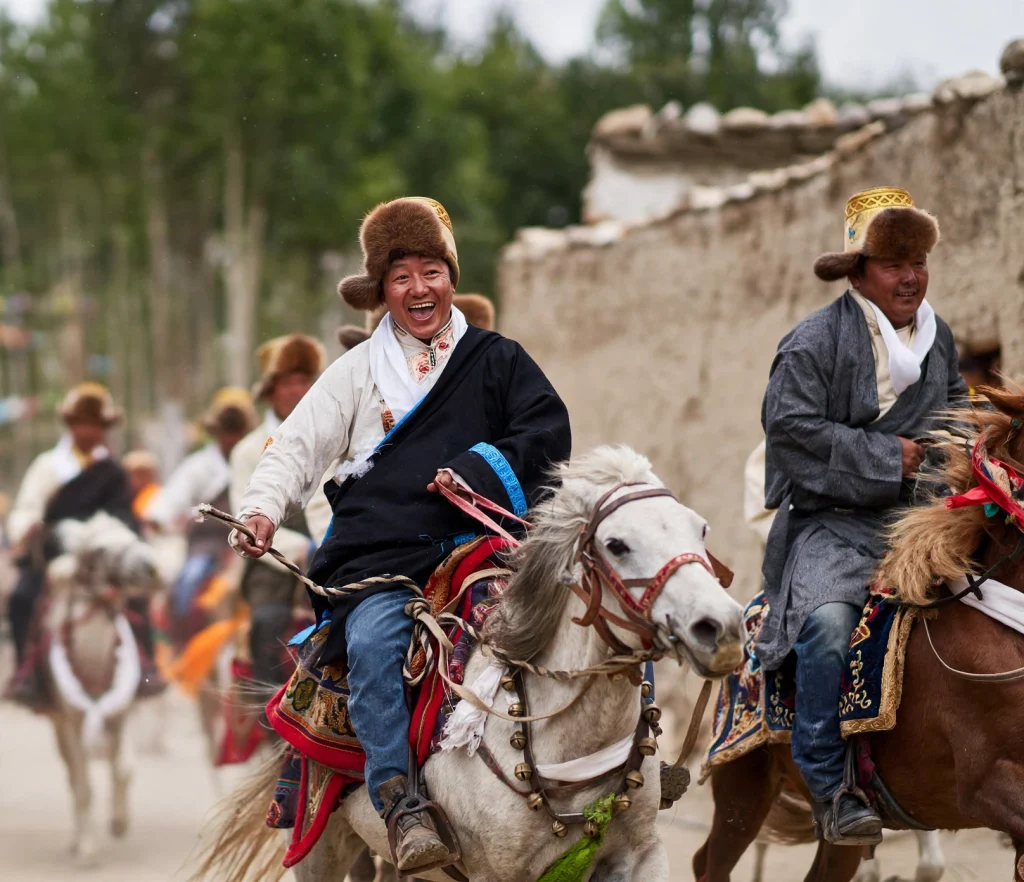
1. High-Altitude Horse Racing & Stunts
The absolute centerpiece of Yartung is horse racing. Local men showcase extraordinary equestrian skill. Dressed in vibrant traditional attire, horse riders sprint down dusty mountain valleys and perform daring stunts, such as:
- Leaning off galloping horses to pick up silk scarves (Khata) or money placed on the ground.
- Demonstrating speed, control, and agility across rugged terrain.
2. Buddhist Prayers & Monastic Rituals
Religion plays a central role in Yartung. Monks and lamas from nearby monasteries perform sacred rituals, offer prayers (Pujas), and bless the villagers, their crops, and their livestock. The festival serves as a bridge between spiritual devotion and community gathering.
3. Traditional Dance, Music & Feasting
During the festivities, men and women wear traditional Himalayan coats (Chuba), silver jewelry, and turquoise ornaments. Nights are filled with folk singing, circle dancing, and drinking local barley beer (Chang) and butter tea.
How Yartung is Traditionally Celebrated (Day-by-Day)
Yartung is typically a 3-to-4-day event, with each day dedicated to a specific group within the community:
- Day 1: Celebration by the Village Chief & MonksThe festival opens with formal prayers led by local headmen and Buddhist lamas. Blessings are invoked for peace, health, and favorable weather.
- Day 2: Celebration by the Local Men & RidersThis is the main event day featured around intense horse races, archery contests, and trials of strength.
- Day 3: Celebration by Women & EldersThe focus shifts to traditional songs, folk dance performances, and community feasts organized primarily by local women.
Where and When is Yartung Celebrated?
- Location: Primary celebrations take place in Muktinath (Ranipauwa), Jharkot, and Lo Manthang in the Upper Mustang region, as well as parts of Manang.
- Timing: Yartung takes place annually during the full moon of August (the Nepali month of Bhadra).
Travel Tips for Attending Yartung
- Plan Around Trekking Routes: Yartung falls along the popular Annapurna Circuit and Upper Mustang Trek. Timing your trek to coincide with Muktinath’s festival grounds creates an unforgettable cultural experience.
- Permits: If visiting Lo Manthang for the festival, ensure you obtain the Restricted Area Permit (RAP) for Upper Mustang alongside your TIMS card and ACAP permit.
- Book Accommodation Early: Teahouses and lodges around Muktinath fill up rapidly during festival days due to both local pilgrims and international travelers.
Frequently Asked Questions (FAQs)
What is the main attraction of Yartung Mela?
The primary attraction is the high-energy horse racing and equestrian tricks performed by high-altitude riders against the backdrop of the Himalayas.
Is Yartung open to international tourists?
Yes. Travelers trekking through Mustang or visiting Muktinath are welcome to observe the public festivities, races, and cultural performances.
Where is the best place to watch Yartung?
Muktinath Valley and Jharkot village offer the most accessible and lively locations to experience the festival.


