



Exploring the towering peaks of the Himalayas is a lifelong dream for many global adventurers. However, for plant-based foodies, traveling to a new country often brings a familiar anxiety. You might constantly wonder if you will find enough nourishing food. You may worry about accidental meat broth or hidden animal fats. Fortunately, Nepal is an absolute paradise for plant-based dining.
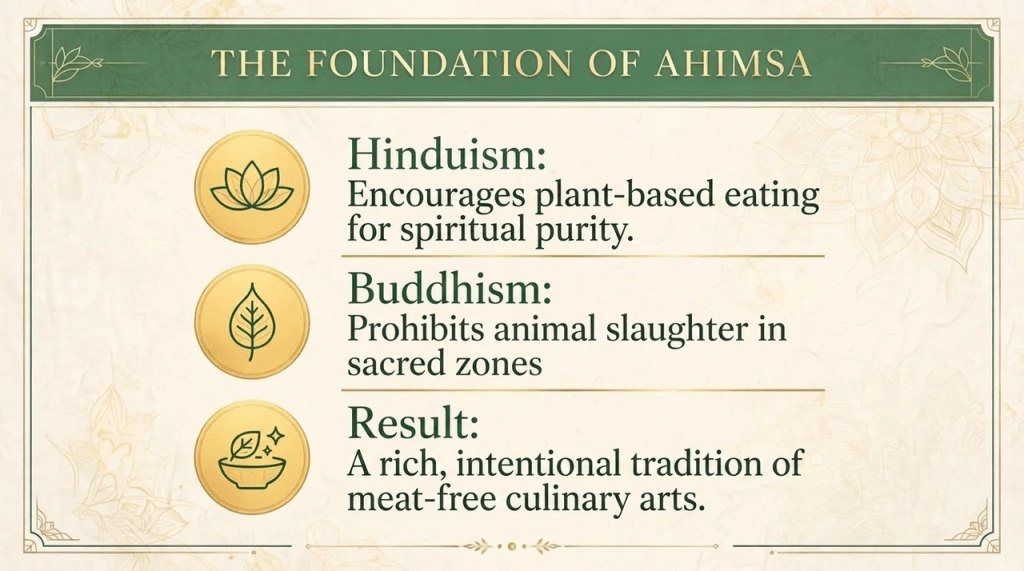
The local food culture is deeply rooted in Hindu and Buddhist traditions. Both religions practice ahimsa, which means non-violence toward all living beings. Because of this beautiful philosophy, meat-free eating is not a modern trend here. It is a centuries-old way of life. Most traditional meals are naturally centered around grains, legumes, and fresh seasonal produce.
Whether you are walking through the ancient streets of Kathmandu or trekking near Mount Everest, you will never go hungry. This comprehensive A Vegetarian Traveler’s Guide to Nepal: Best Dishes and Eating Tips will help you navigate the rich culinary landscape. Discover the most iconic dishes, learn essential cultural etiquette, and gain practical tips for staying fully energized on your journey.


Why Nepal Is an Absolute Paradise for Vegetarian Travelers
In many Western cities, finding a good plant-based meal requires careful, exhausting research. You often have to seek out specialized, expensive restaurants. In sharp contrast, Nepal makes meat-free dining completely effortless. The vast majority of local restaurants across the country offer extensive vegetarian menus by default.
Furthermore, some high-altitude trekking regions completely ban the slaughter of animals for religious reasons. Above certain villages on the Everest Base Camp and Annapurna Sanctuary routes, all food is strictly vegetarian. This means your meals are guaranteed to be fresh, ethical, and entirely free from meat cross-contamination.
Additionally, Nepali cuisine relies heavily on whole foods. Local chefs use aromatic spices like cumin, turmeric, ginger, and wild Himalayan garlic. They do not rely on heavy meat stocks or fish sauces to create savory depth. As a result, the food feels clean, digests easily at high altitudes, and keeps your body performing beautifully.
The Ultimate Must-Try Dishes in a Vegetarian Traveler’s Guide to Nepal
Nepali cuisine is incredibly diverse. It changes rapidly with the country’s dramatic geography and various ethnic groups. From the humid southern plains to the cold alpine heights, you will encounter distinct flavor profiles. Here are the absolute best dishes you must try during your visit.
1. Dal Bhat Tarkari (The Ultimate National Staple)
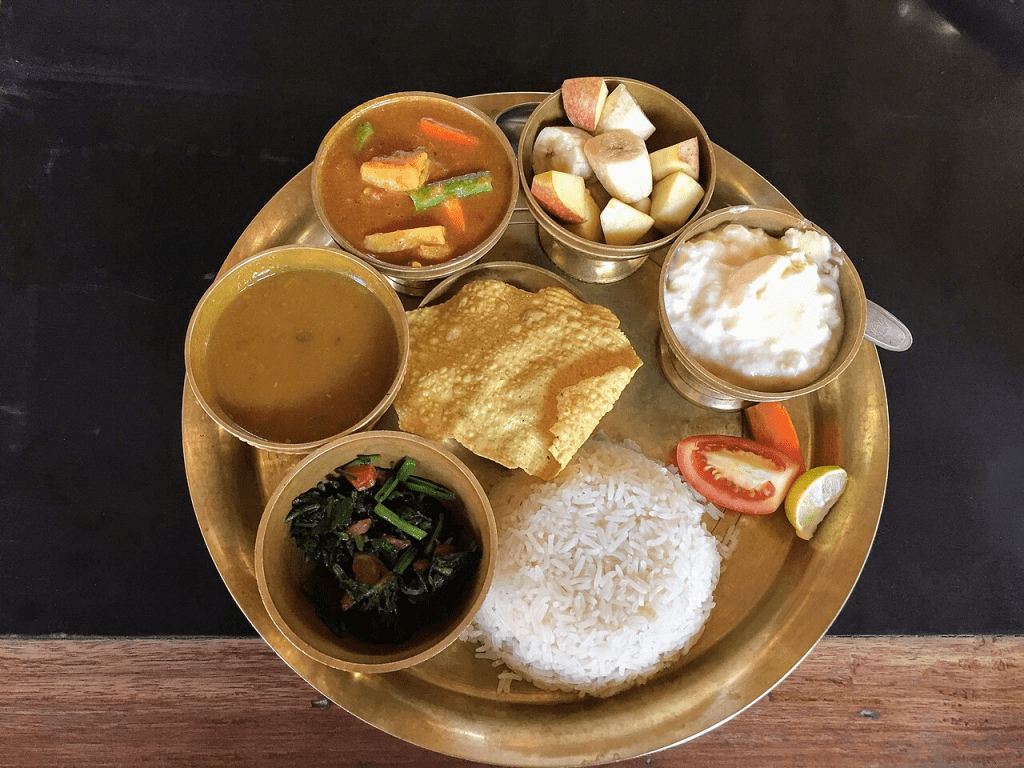
You cannot talk about food in Nepal without discussing Dal Bhat. It is the undisputed national dish, eaten by locals twice a day. The phrase translates directly to lentil soup (dal), steamed rice (bhat), and seasonal vegetable curry (tarkari).
This dish is a nutritional masterpiece. When you eat lentils and rice together, they form a complete protein. This combination gives you all nine essential amino acids. The platter usually comes with saag (sautéed mustard greens), papadam (a crisp flatbread), and a spicy achar (pickle). Best of all, Dal Bhat comes with free, unlimited refills at almost every local eatery.
2. Vegetable Momos (Himalayan Dumplings)
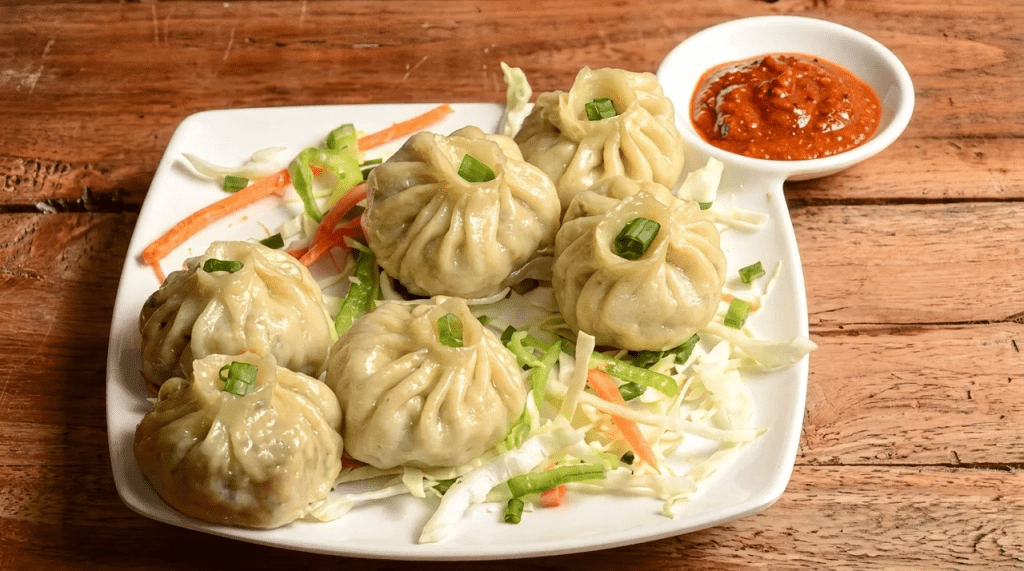
Momos are the ultimate comfort food of the Himalayas. These bite-sized dumplings are stuffed with a finely chopped mixture of cabbage, carrots, red onions, ginger, and local spices. They are traditionally steamed to perfection and served with a rich tomato-sesame dipping sauce.
You can find vegetable momos on almost every single street corner in Kathmandu and Pokhara. For a fun twist, try C-Momo (chilli momo), which comes tossed in a spicy, sweet bell pepper sauce. You can also order them pan-fried, known locally as Kothey Momos.
3. Chatamari and Bara (Newari Delicacies)
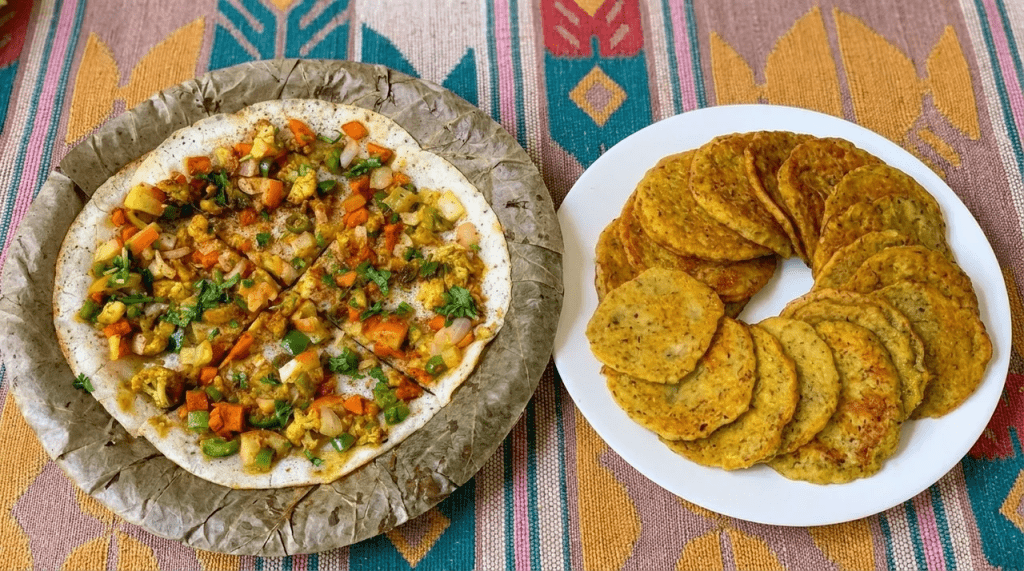
The Newar people are the historical inhabitants of the Kathmandu Valley. They possess a spectacular, highly unique culinary tradition. If you want an alternative to rice, seek out a local Newari restaurant.
- Chatamari: Often called the “Nepali pizza,” this is a thin, crispy crepe made from rice flour. The vegetarian version is topped with minced vegetables, melted cheese, or an egg.
- Bara: This is a thick, savory pancake made from ground black lentils. It is crisp on the outside, beautifully soft on the inside, and packed with plant-based protein.
4. Thukpa and Thenthuk (Warming Noodle Soups)
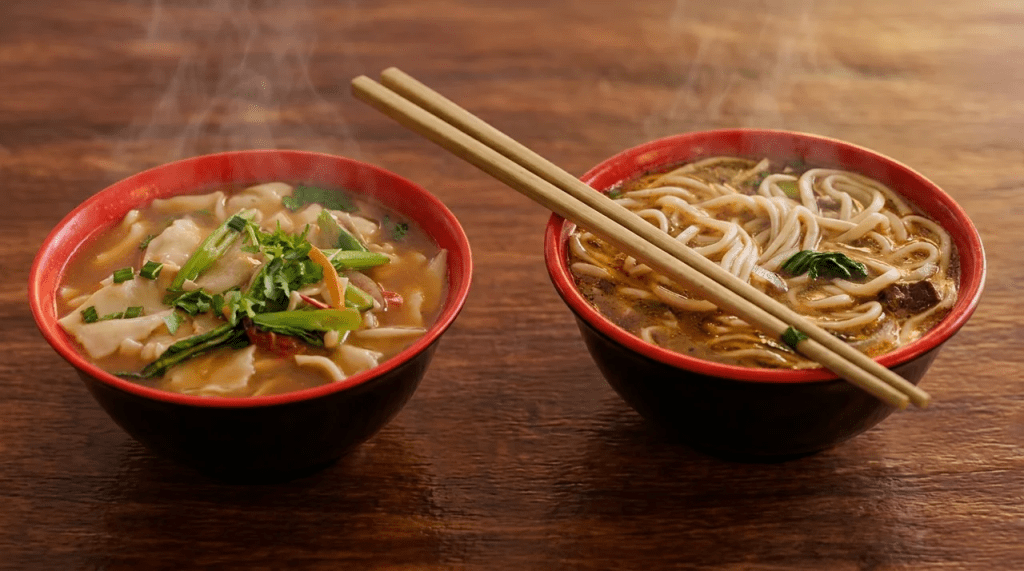
When the chilly mountain air sets in, nothing beats a hot bowl of Tibetan-style noodle soup.
| Dish Type | Noodle Style | Best For |
|---|---|---|
| Thukpa | Long, comforting egg or wheat noodles | Post-hike warming |
| Thenthuk | Rustic, bite-sized hand-pulled flat noodles | Extreme high altitudes |
Both variations feature a hearty, steaming vegetable broth seasoned with ginger, coriander, and chili. They are loaded with seasonal greens, shredded cabbage, carrots, and sometimes chunks of local tofu.
5. Kwati (Nine-Bean Stew)
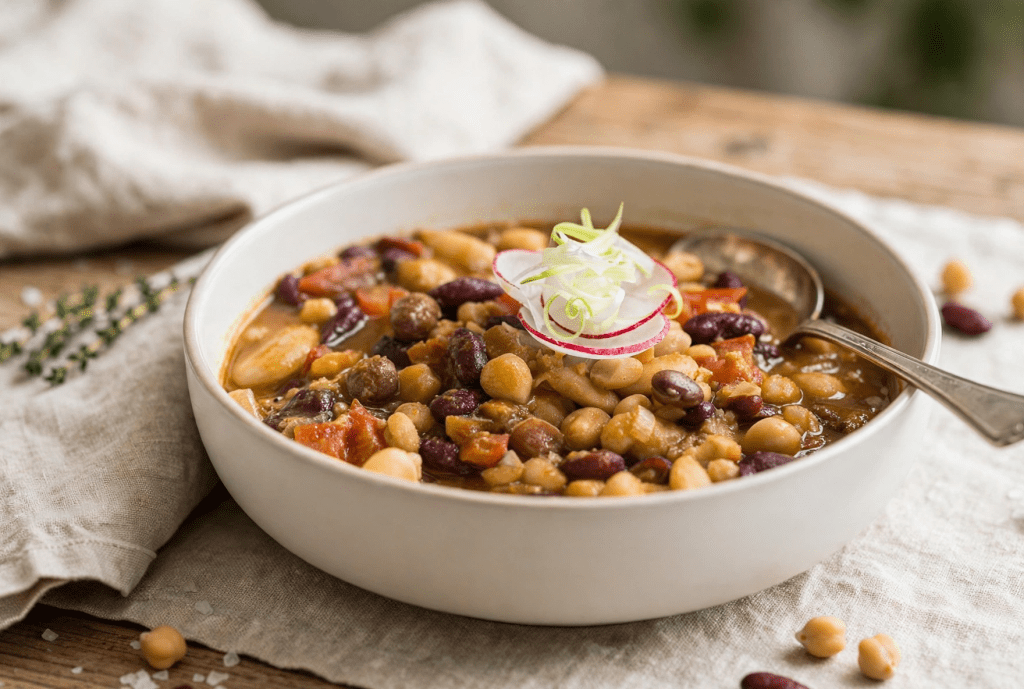
Kwati is a thick, deeply flavorful soup traditionally consumed during the monsoon festival of Janai Purnima. It is made by sprouting nine different varieties of beans and pulses. These include chickpeas, field peas,招 Field peas, soybeans, and kidney beans. The stew is highly seasoned with turmeric, ginger, and wild lovage seeds (ajwain). It provides a massive explosion of iron and clean protein for active travelers.
Essential Eating Tips for Navigating Nepal Safely
Eating safely and enjoyably in a new country requires a bit of practical insider knowledge. Use these proven tips to navigate the vibrant local food stalls, busy city restaurants, and remote mountain teahouses smoothly.
Watch Out for Hidden Dairy
If you are a strict vegetarian, eating in Nepal is incredibly straightforward. However, if you are fully vegan, you must be a little more cautious. Dairy products are highly revered in Hindu culture and show up in unexpected places.
- Ghee: This is clarified butter, and cooks frequently use it to finish lentil soups or vegetable curries.
- Roti and Chapati: Cooks often brush flatbreads with fresh butter right after cooking to keep them soft.
- Porridge: Teahouses on trekking routes frequently boil morning oats with milk powder instead of plain water.
Always look the cook in the eye and politely double-check your order.
Master the Local Dining Etiquette
Nepali culture treats food as sacred and values community dining as a deeply respected social ritual. Locals traditionally eat Dal Bhat using their bare right hand. They believe this tactile connection significantly enhances the sensory experience and aids digestion. If you try this, always use your right hand, as people culturally consider the left hand unclean.
Critical Hygiene Note: Avoid touching communal serving spoons or water pitchers to your lips. If you share water, practice the local method of pouring it directly into your mouth without letting the bottle rim touch your skin.
Navigating Trekking Teahouses as a Vegetarian
Trekking through the Himalayas is a profound experience, but it places high physical demands on your body. Above 3,000 meters, your body works significantly harder just to breathe and move. Your metabolism speeds up, and you require plenty of clean, sustainable fuel to keep moving forward.
The Golden Rule: Trust the Porters
You will quickly notice that the hard-working local porters and guides eat Dal Bhat twice a day, every single day. They carry massive 60-kilogram loads up vertical stone steps using nothing but plant power. Follow their excellent example. Cooks always prepare Dal Bhat fresh, making it highly sanitary while providing an ideal balance of carbohydrates and protein.
Embrace the Garlic Soup Trick
As you ascend to higher elevations, you will notice “Garlic Soup” prominently featured on every single teahouse menu. Do not hesitate to order it daily. Mountain locals swear by garlic because it naturally thins the blood and enhances oxygen circulation. This simple, comforting, 100% vegetarian broth serves as a powerful, time-tested tool to aid your body with acclimatization.
Pack Strategic Personal Boosters
While mountain food is plentiful and filling, teahouse menus can become somewhat repetitive after two weeks on the trail. Packing a few lightweight items in your duffel bag can boost your nutrition and morale immensely.
- Nut Butter Packets: Squeezing almond or peanut butter onto your morning Tibetan bread adds excellent healthy fats and clean calories.
- Dried Fruits and Nuts: A handful of walnuts, almonds, and dates provides instant, steady energy during tough afternoon climbs.
- Electrolyte Tablets: Dropping these into your treated drinking water prevents debilitating cramps and altitude headaches.
Helpful Language Phrases for Plant-Based Travelers
Although people widely speak English in tourist hubs like Kathmandu, Pokhara, and along major trekking routes, learning a few Nepali words can transform your experience. It helps you communicate your food preferences clearly, ensures your meals are prepared safely, and brings a joyful smile to your host’s face.
- “Ma saakahari hoon.”: I am a vegetarian.
- “Ma masu khaadina.”: I do not eat meat.
- “Ma anda khaadina.”: I do not eat eggs.
- “Ghiu narakhnus, hajur.”: Please do not add ghee, thank you.
- “Piro thorai rakhnus.”: Please make it only a little bit spicy.
- “Mitho chha!”: This is absolutely delicious!
Summary of Top Nepali Vegetarian Foods
To help you choose your meals quickly while traveling, use this practical reference table of the best plant-based options available nationwide.
| Dish Name | Primary Ingredients | Flavor Profile | Best Time to Eat |
|---|---|---|---|
| Dal Bhat | Rice, lentils, seasonal vegetable curry, spicy pickle | Savory, earthy, and perfectly balanced | Lunch and Dinner |
| Veg Momo | Cabbage, onion, ginger, soft wheat wrapper | Savory dumpling with a spicy tomato sauce | Afternoon Snack |
| Thukpa | Wheat noodles, mixed greens, spiced vegetable broth | Warming, deeply comforting, and mildly spicy | After a long trek |
| Bara | Ground black lentil paste, ginger, light oil | Crispy, savory, and rich in natural protein | Street Food Breakfast |
| Kwati | Sprouted nine-bean mix, turmeric, ginger, lovage | Hearty, thick, and highly aromatic | Rainy or cold days |
Conclusion: Embyacing Your Food Journey
Travel through the majestic landscapes of the Himalayas to experience ancient culture, warm hospitality, and breathtaking views; not to stress over your dietary choices. As highlighted throughout this A Vegetarian Traveler’s Guide to Nepal: Best Dishes and Eating Tips, the country’s profound spiritual history has created a wonderfully safe, creative, and welcoming space for plant-based food lovers.
From the endless, energy-giving refills of fresh Dal Bhat to the comforting warmth of a spice-infused bowl of Thukpa noodle soup, your tastebuds will experience an unforgettable journey. Embrace the vibrant local flavors, communicate clearly with your hosts, and fuel your mountain adventures with some of the cleanest, most sustainable food on the planet.
Frequently Asked Questions
Is it easy to find pure vegetarian food in Nepal?
Yes, it is incredibly easy. Due to widespread Hindu and Buddhist traditions, a significant portion of the local population maintains a meat-free diet. Almost every restaurant across the country features a dedicated, clearly labeled vegetarian section.
Is street food in Nepal safe for vegetarian travelers?
Street food is generally safe if you follow basic precautions. Look for bustling stalls with high customer turnover, ensuring the food is cooked completely fresh right in front of you. Stick to hot, fried items like Bara, or steaming plates of fresh Veg Momos, and avoid any raw unpeeled items.
Do Nepali vegetable curries contain hidden fish sauce or shrimp paste?
No. Unlike several Southeast Asian cuisines, traditional Nepali cooking does not utilize fish sauce, shrimp paste, or meat-based stocks in its vegetable dishes. Savory depth is achieved purely through the skillful combination of dry spices, ginger, and garlic.
Can I travel safely through Nepal if I am fully vegan?
Yes, maintaining a healthy vegan diet in Nepal is surprisingly easy. Traditional favorites like Dal Bhat, vegetable momos, and noodle soups are often naturally plant-based. Just ask your server to skip ghee (clarified butter), butter, milk, and other dairy products when preparing your meal, including the butter often brushed onto freshly cooked flatbreads.
Is meat cross-contamination a major issue in mountain teahouse kitchens?
Not at all, especially at high altitudes. In many sacred mountain sanctuaries, killing animals is completely forbidden by local law. Because meat is rarely available or highly discouraged in these fragile alpine ecosystems, the kitchens are naturally clean and meat-free.


