



A Nepal-based agricultural reality show, RAW, has reported planting 270,000 saplings in just 30 days under its “One Tree, One Vote” campaign. The initiative combines audience participation with large-scale environmental action.
According to the organizers, more than 80% of the planted saplings are fruit-bearing trees, aimed at supporting both ecological balance and long-term agricultural value.
Trees Linked to Competition Format
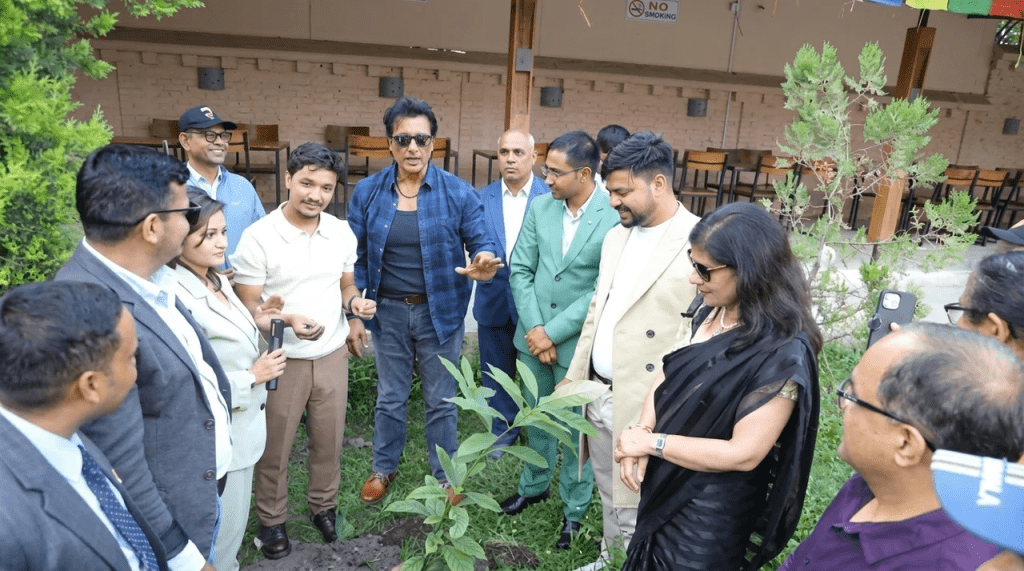
As part of the show’s structure, saplings are planted in the names of the top three farmers and the top three agricultural technicians. These participants are part of the ongoing competition. The initiative integrates viewer engagement directly into plantation outcomes.


Agriculture-Focused Reality Show
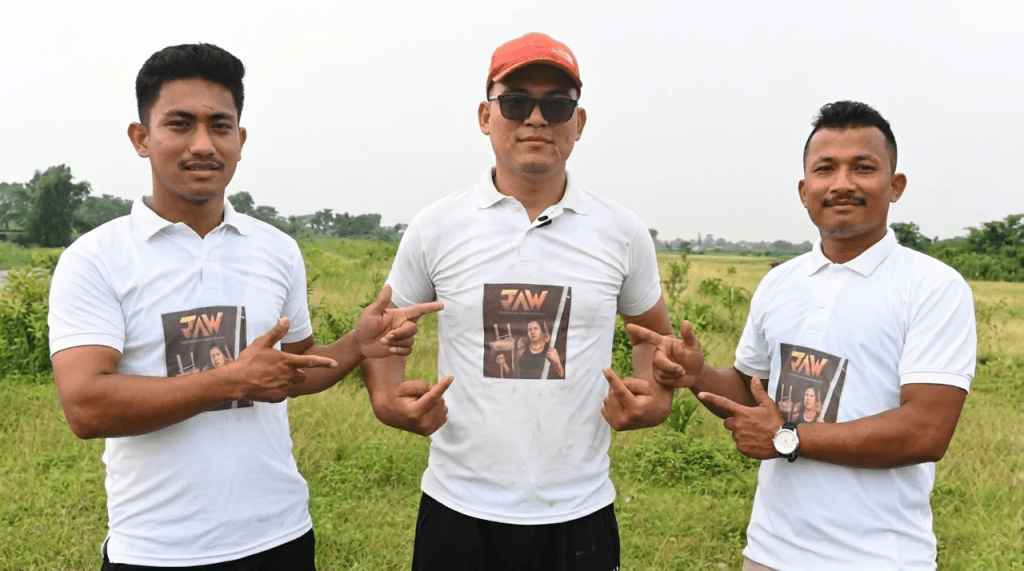
RAW presents itself as the world’s first agricultural reality show. The creators developed it over seven years of research and practice.
The program focuses on agriculture, entrepreneurship, and climate-related themes, positioning farming as a competitive and knowledge-driven field.
Organizers Highlight Long-Term Vision
Creator and director Shailesh Kandel Chhetri stated that the initiative goes beyond tree plantation, aiming to establish a long-term system that supports environmental conservation and sustainable livelihoods while contributing to the broader economy.
Institutional Participation and Scale
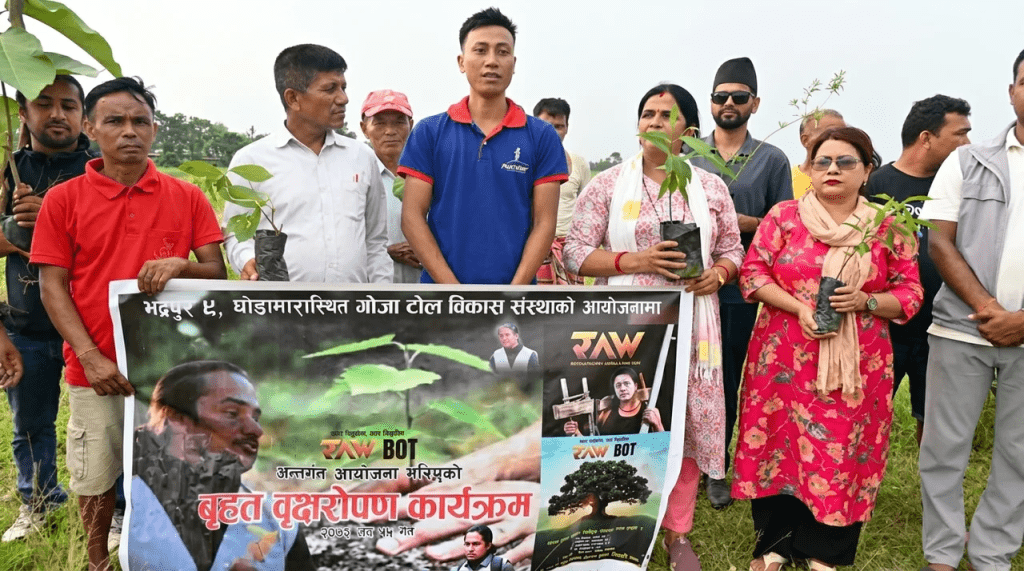
The campaign involves collaboration with experts from multiple fields and over 35 governmental and non-governmental organizations, indicating broad institutional participation.
Finale Scheduled for Asar 15
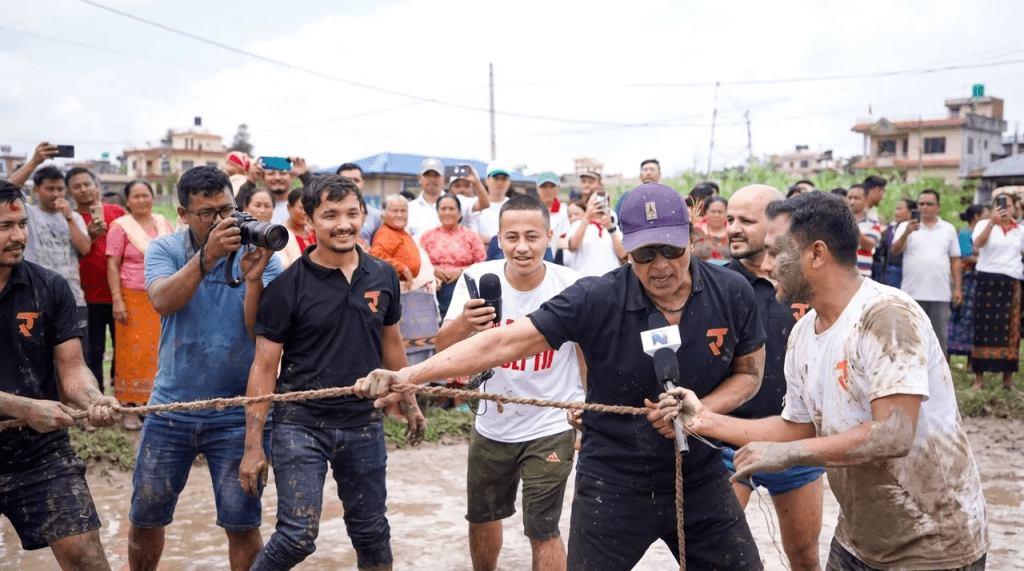
The competition will conclude on Asar 15. One farmer and one agricultural technician will be declared winners. The selection will come from the final stage of participants.
The program claims multiple potential world-record achievements. It positions itself as a unique model. It combines media, agriculture, and environmental action.
FAQs
1. What makes RAW different from a normal reality show?
Unlike typical entertainment formats, RAW links audience participation with real-world agricultural and environmental outcomes through tree plantation.
2. How is audience participation connected to tree planting?
Viewer engagement and voting mechanisms trigger plantation activities and turn media interaction into on-ground environmental action.
3. Where does RAW plant the trees?
The campaign carries out plantation in selected agricultural and community areas across Nepal under its implementation plan.
4. Who manages the plantation process?
Agricultural experts and partner organizations support the initiative and ensure proper plantation and monitoring practices.
5. What is the long-term goal of this model?
Organizers describe it as a sustainable system aimed at promoting environmental restoration, agricultural awareness, and rural economic opportunities beyond the show period.


