


Most travel advice tells you to avoid Nepal between June and September at all costs. That advice is mostly wrong, and following it blindly means missing the cheapest, greenest, and least crowded version of the country there is. This Nepal monsoon season guide is the one I wish someone had handed me before my first wet-season trip, because the truth is more nuanced than “it rains, don’t come.” Some regions drown. Others stay bone dry. Knowing the difference is everything.
When Nepal’s Monsoon Actually Arrives
The monsoon usually enters Nepal from the southeast around June 13 and withdraws by late September, roughly the 23rd. In a normal year you get about four months where the weather runs the show.
2025 broke the pattern. Monsoon clouds crossed into eastern Nepal on May 29, a full 15 days ahead of schedule, according to the Department of Hydrology and Meteorology. Early arrivals are becoming more common, so do not assume early June is safe just because the calendar says monsoon “starts” mid-month.
Here is a number that surprises people: Nepal receives roughly 1,472 mm of rain on average across the four monsoon months, and that single stretch accounts for around 80 percent of the country’s entire annual rainfall. July and August are the wettest weeks of all. So when people say the monsoon is intense, they are not exaggerating. They are just usually talking about the wrong parts of the country.
One thing worth knowing before you panic about constant downpours: rain in Nepal tends to fall in the late afternoon and overnight. Mornings are frequently clear and washed clean. That single weather habit shapes how smart travelers plan their entire day, and I will come back to it.
Why a Nepal Monsoon Season Guide Has to Talk About Rain Shadows
The Himalaya is not just scenery. It is an 8,000-meter-tall wall that wrings the water out of monsoon clouds before they can reach the far side. As moist air pushes north and rises, it cools and dumps its rain on the southern slopes. By the time it crests the mountains, it has almost nothing left. The dry land beyond is what geographers call a rain shadow, and it is your secret weapon.
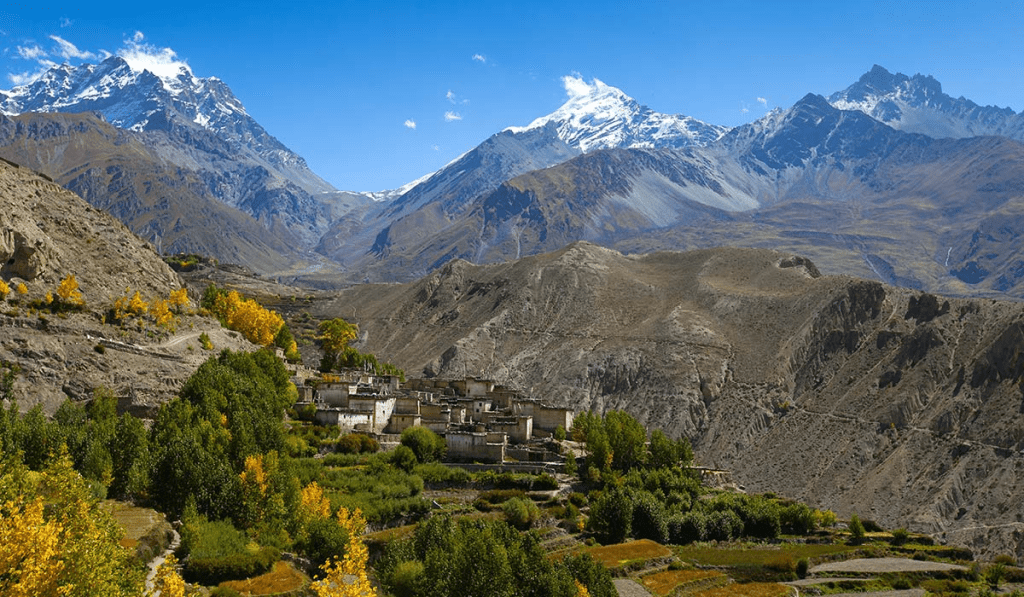
Consider the contrast. Pokhara, on the southern side, is one of the wettest cities in the country. Drive north over the ridge into Mustang and annual rainfall drops to around 250 to 300 mm, drier than parts of the American Southwest. Manang, the next valley over, gets roughly 500 mm a year. These places do not really have a monsoon. While the lowlands turn to mud, their trails stay firm and dusty.
The best rain-shadow regions for monsoon travel are:
- Upper Mustang: the old walled kingdom of Lo Manthang, Tibetan-influenced culture, sky caves, and reliably dry skies. For more on the region, see our Mustang Nepal travel guide.
- Manang and the upper Annapurna Circuit: cool, clear high-altitude days with peaks framed by passing cloud.
- Nar Phu Valley: a hidden, restricted pocket of the Annapurna region that sits squarely in the rain shadow.
- Upper Dolpo: remote, expensive to reach, and one of the driest corners of the entire Himalaya.
A bonus most guides skip: leeches live below about 3,000 meters in wet forest. Rain-shadow treks spend most of their time well above that line, so the single most annoying part of summer trekking in Nepal mostly vanishes once you climb high enough.
The Travel Realities Nobody Puts on the Brochure
Now the honest part. Monsoon travel in Nepal carries real friction, and pretending otherwise gets people stranded.
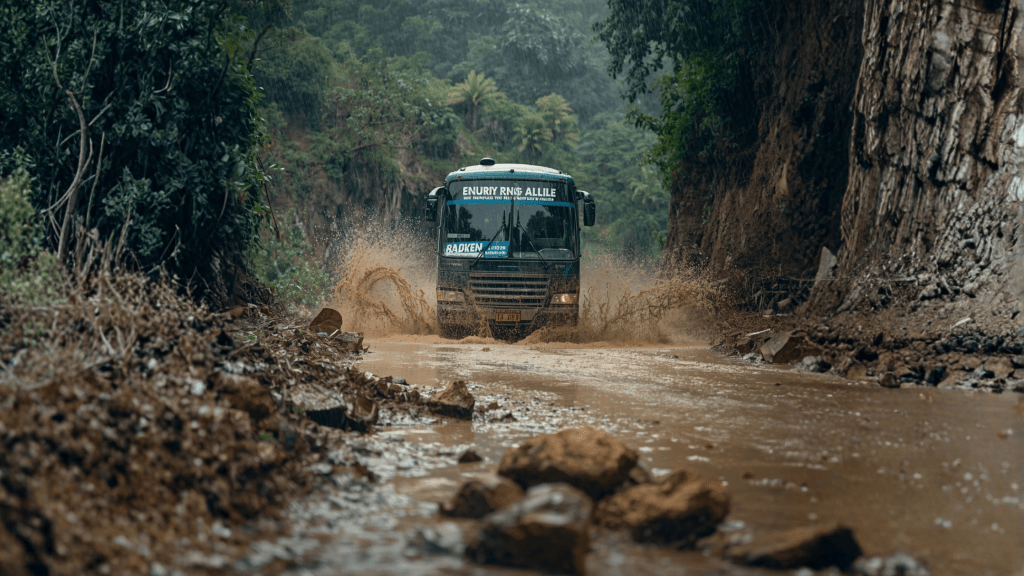
Roads suffer first. During the 2025 season, major arteries including the Prithvi, BP, Araniko, and Narayangadh-Muglin highways saw partial or full closures from landslides and washed-out sections. A drive that takes six hours in October can balloon into a day-long ordeal, or simply stop at a blocked section while crews clear debris.
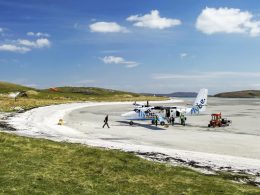
Flights are the second headache. Domestic mountain routes are weather-dependent at the best of times, and the rains make cancellations routine. Tara Air grounded its Pokhara to Jomsom service from June 16 in 2025 and did not resume until early September. If your plan depends on a specific flight on a specific morning, build in buffer days. Two is sensible. Three is safer.
Landslides and flash floods are the genuinely dangerous risk, especially in the hills and the Terai lowlands. This is not a reason to stay home, but it is a reason to travel with people who know the terrain. Hire experienced local guides who can reroute when a trail washes out, check the Department of Hydrology and Meteorology for warnings, and never try to cross a swollen river or freshly slipped slope to save time.
The Morning Window: How to Actually Plan Your Days
Remember that the rain mostly comes late. This is where most people go wrong: they treat a rainy day as a write-off and sit in a guesthouse until noon, then get caught out when the real downpour arrives at 4 pm.
Flip it. Start early. Get your trekking miles, your temple visits, and your long drives done between roughly 6 am and 1 pm, when skies are most likely to be clear and the light is genuinely spectacular after a night of rain. Use the wet afternoons for lunch, naps, journaling, or a slow cup of tea while the storm rolls through. Locals have run their lives on this rhythm for centuries. Borrow it.
What Monsoon Travel Costs, and Why It Is Worth It
Here is what most guides will not tell you: monsoon is the best value window of the entire year. Trekking permits and park fees do not change by season, but almost everything else does. Guesthouses and hotels drop their rates, guides and porters are easier to book and often cheaper, and you will share trails and viewpoints with a fraction of the autumn crowds.
Visa fees are fixed regardless of when you arrive, so that part of your budget stays the same. If you are unsure about entry requirements, our Nepal visa and entry guide walks through the current rules. For a wider look at how the seasons stack up, our best time to visit Nepal breakdown is a useful companion to this one.
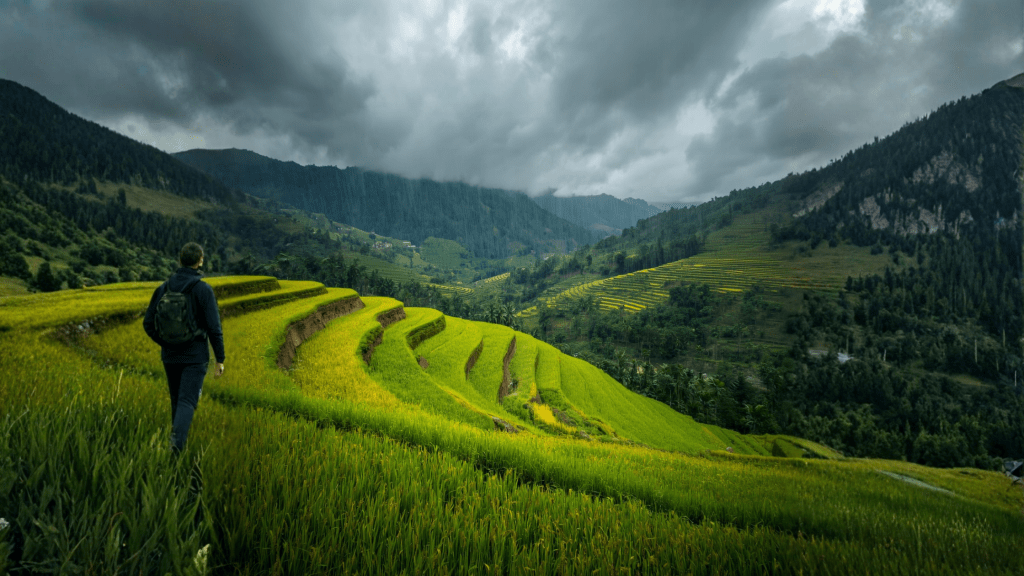
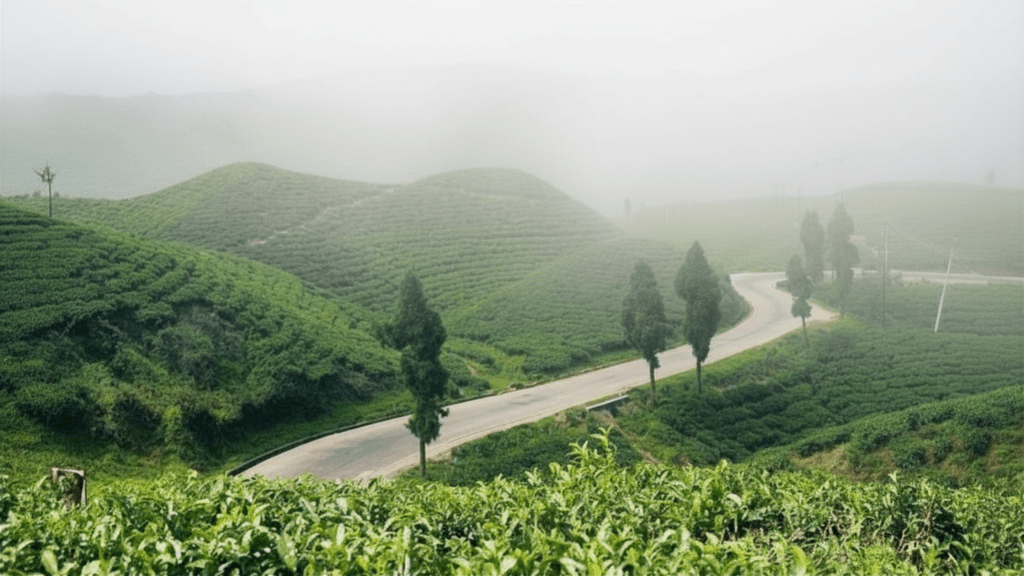
The intangible payoff is the bigger sell, though. The countryside is at its most alive. Rice planting is in full swing, waterfalls thunder back to life, and the hills glow a green you simply do not see in the dry months. You trade certainty for atmosphere, and a smaller bill.
Where to Go, Region by Region
If staying dry is the priority, point yourself north: Upper Mustang, Manang, Nar Phu, or Dolpo. These are the safe bets when the rest of the country is soaked.
If you want lush atmosphere over guaranteed sun, eastern Nepal rewards monsoon visitors. The tea gardens of Ilam, the misty wetland of Mai Pokhari, and the hill towns of Hile and Dhankuta are at their moody, photogenic best under summer cloud. You will get wet. You will also get scenery few foreign visitors ever see.
Kathmandu and Pokhara stay perfectly visitable too. The cities keep functioning, the museums and temples do not close for rain, and the festival calendar fills up. Just keep your plans flexible and avoid scheduling tight connections through landslide-prone highways.
Frequently Asked Questions
Is it safe to travel to Nepal during the monsoon?
Yes, with sensible planning. Cities and rain-shadow regions are reliably safe to visit, and the real hazards are landslides and flooding in the hills and Terai, plus disrupted transport. Travel with experienced guides, watch official weather warnings, and build buffer days into any itinerary that relies on domestic flights.
Can you still trek in Nepal during monsoon?
Absolutely, as long as you choose rain-shadow trails. Upper Mustang, Manang, Nar Phu, and Dolpo sit behind the Himalaya and stay mostly dry while southern trails turn muddy. Popular lower routes like the Everest and lower Annapurna trails are wet, leech-prone, and often cloud-covered in July and August.
When exactly does the monsoon start and end in Nepal?
It normally enters around June 13 and withdraws by late September, roughly the 23rd. Timing shifts year to year. In 2025 the monsoon arrived early on May 29, about 15 days ahead of the usual date, so treat the calendar as a guide rather than a guarantee.
How much rain does Nepal get during the monsoon?
The country averages around 1,472 mm across the four monsoon months, which is roughly 80 percent of its total annual rainfall. July and August are the wettest. Rain-shadow areas are the dramatic exception, with Mustang receiving only about 250 to 300 mm across an entire year.
Will my domestic flights get canceled?
They can, and you should plan for it. Mountain flights are weather-dependent and frequently delayed or scrubbed in the monsoon. The Pokhara to Jomsom route, for example, was suspended from mid-June to early September in 2025. Add two or three buffer days around any flight-dependent plan.
What should I pack for Nepal in the rainy season?
Bring a quality rain jacket, a pack cover, quick-dry clothing, sandals or shoes you do not mind soaking, and salt or insect repellent for leeches if you are trekking below 3,000 meters. Waterproof bags for electronics are worth the small investment, and a small umbrella is genuinely useful in the cities.
Is the monsoon a cheaper time to visit Nepal?
Yes. It is the lowest-demand window of the year, so accommodation rates fall and guides and porters are easier to book. Permit, park, and visa fees stay fixed by season, but nearly everything else costs less, and the trails and viewpoints are far less crowded.
Are there festivals during the monsoon?
There are. The rainy months host culturally rich events tied to the agricultural calendar, including rice-planting celebrations in the hills. For first-time trekkers weighing the season, our trekking in Nepal for beginners guide pairs well with this one.