There’s something magical about spring in Nepal. From trails bursting with rhododendrons to streets alive with Holi colors, here’s everything you need to know—including hidden gems and honest travel tips.
Why Spring is Nepal’s Most Magical Season
As winter’s chill melts into the warmth of longer days, Nepal transforms into a paradise for travelers. Spring in Nepal (March to May) represents the perfect storm of ideal trekking conditions, vibrant cultural festivals, and breathtaking natural beauty. The hillsides erupt in a riot of color as rhododendrons—the national flower—burst into bloom, while the famous Himalayan views remain crisp and unobstructed.
Whether you are a seasoned trekker aiming for Everest Base Camp, a culture enthusiast looking to get drenched in colors during Holi, or a leisure traveler seeking clean mountain air and spiritual solace, spring offers something unique. This comprehensive guide will walk you through everything you need to know about experiencing Nepal during this peak season, including hidden gems in eastern Nepal and practical tips to ensure a safe journey.
1. The Spring Season in Nepal: Weather & Overview
Spring is widely considered one of the two best times to visit Nepal (the other being autumn). Understanding the nuances of the season helps in planning your itinerary.
Month-by-Month Breakdown
- March: The beginning of spring. Days are pleasantly warm in the lowlands (20°C–25°C), while nights in the mountains remain cool. The air is at its clearest, offering the best mountain visibility.
- April: The warmest month of the season. This is the peak of the rhododendron bloom, turning forests into natural gardens. Expect afternoon haze in the valleys, but mornings remain pristine.
- May: Pre-monsoon conditions begin. Temperatures rise (up to 30°C in Kathmandu), and occasional afternoon thundershowers occur. High-altitude trekking routes become accessible as snow melts.
Key Advantages of Spring Travel
- Stable Weather: Minimal rainfall and comfortable temperatures for trekking and sightseeing.
- Flora: The Himalayan hillsides are blanketed with blooming rhododendrons, magnolias, and orchids.
- Wildlife: Animals emerge from winter hibernation; it is an excellent time for safaris in Chitwan and birdwatching.
2. Spring Trekking in Nepal: Trails in Bloom
For trekkers, spring offers the golden window to explore the Himalayas without the bone-chilling cold of winter or the slippery trails of the monsoon.
A. The Classic Routes
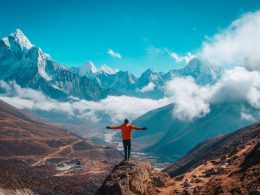
- Everest Base Camp Trek: Experience slightly warmer temperatures than autumn. The trail from Namche Bazaar to Tengboche is lined with pink and red rhododendrons, contrasting beautifully with the snowy peaks of Ama Dablam and Everest.
- Annapurna Circuit & Sanctuary: The Thorong La pass is typically clear of heavy snow by mid-April. The lower elevations around Ghorepani and Poon Hill offer the most accessible rhododendron forests in Nepal.
B. The Ghorepani Poon Hill Trek: The Quintessential Spring Walk

If you only have a week, the Ghorepani Poon Hill trek is the definitive spring experience. It is a relatively easy 4–5 day trek that rewards travelers with sunrise views over the Annapurna and Dhaulagiri ranges. The stone staircases are challenging, but walking through a canopy of vibrant red flowers makes every step worthwhile.
3. Off-Beat Trekking Locations in Eastern Nepal
For travelers seeking solitude away from the crowded trails of Everest and Annapurna, eastern Nepal offers pristine wilderness and untouched culture. Here are five hidden gems perfect for spring exploration.
1. Mundum Trail: The Kirati Cultural Heritage Trek

This new trail winds through the ancestral homeland of the Kiranti Rai people. It is unique for its focus on the “Mundum”—an ancient oral scripture. From the high point near Silichung Peak (4,200m), trekkers can see seven of the world’s 8,000-meter peaks, including Everest and Kanchenjunga, without the crowds of the Khumbu region.
2. Tinjure Milke Jaljale Trek: The Rhododendron Capital

Known as the “Rhododendron Capital of Nepal,” this region is home to over 30 species of the national flower. During March and April, the Milke Danda Ridge turns into a stunning carpet of red, pink, and white. It is an easy to moderate trek suitable for beginners who want spectacular views of Everest, Kanchenjunga, and Makalu.
3. Kanchenjunga Base Camp Trek: The Ultimate Wilderness

For the hardcore adventurer, the trek to the base of the world’s third-highest peak is a bucket-list item. This remote region receives only a few hundred trekkers annually. Spring offers the best chance to spot elusive wildlife like the red panda and snow leopard in the Kanchenjunga Conservation Area.
4. Makalu Base Camp Trek: The Barun Valley Sanctuary

This trek takes you to the foot of the world’s fifth-highest mountain through the Makalu-Barun National Park. The Barun Valley is a sacred, untouched wilderness with incredible biodiversity, from subtropical forests to high-altitude glaciers.
5. Eastern Nepal Homestay Circuit: Cultural Immersion

Launched recently by the Community Homestay Network, this 8-day circuit is ideal for those who want cultural splendor without high-altitude trekking. Highlights include the Janaki Mandir in Janakpur, a stunning Mughal-style temple, and stays in Limbu villages where travelers can enjoy authentic local hospitality.
4. Cultural Splendor: Festivals and Streets in Spring
Spring isn’t just about what grows on the mountains; it’s when Nepal’s cultural calendar explodes with joy.
Holi: The Festival of Colors

Typically falling in March, Holi in Nepal is a vibrant celebration of spring’s arrival. The epicenter is Basantapur Durbar Square in Kathmandu, where locals and tourists drench each other in colored powders and water. Tip: Wear old clothes, protect your camera, and apply coconut oil to your skin to easily remove the colors afterward.
Nepali New Year (Bisket Jatra)

Mid-April marks the beginning of the Nepali calendar. The ancient city of Bhaktapur is the best place to experience this. The festival is famous for its chariot processions and traditional music, offering a deep dive into Newari culture.
Clean Atmosphere & Urban Exploration

Spring offers the cleanest air in the Kathmandu Valley before the pre-monsoon haze settles in. It is the perfect time to explore the UNESCO World Heritage Sites:
- Swayambhunath (Monkey Temple): Enjoy panoramic views of Kathmandu.
- Bhaktapur Durbar Square: Wander through the “Living Museum” of medieval art.
- Patan Durbar Square: Admire the fine craftsmanship of the Newari artisans.
5. Types of Travelers Nepal Invites in Spring

Nepal’s diverse spring landscape caters to a wide variety of travel styles:
| Traveler Type | Why Spring is Ideal |
| Trekking Enthusiasts | Stable weather, clear mountain views, and trails lined with blooming rhododendrons. |
| Cultural Immersion Seekers | Participation in Holi and Nepali New Year; authentic homestays in eastern Nepal. |
| Wildlife & Nature Lovers | Prime conditions for safaris in Chitwan National Park and red panda spotting in Ilam. |
| Photography Enthusiasts | Dramatic mountain vistas, vibrant festival colors, and lush floral landscapes. |
| Adventure Sports Travelers | Ideal paragliding conditions in Pokhara and peak flow for white-water rafting. |
| Spiritual & Wellness Travelers | Comfortable weather for meditation, yoga retreats, and visiting Lumbini (Buddha’s birthplace). |
| Family & Beginner Travelers | Easy treks like Poon Hill and safe, welcoming environments for first-time visitors. |
6. Essential Travel Tips & Things to Take Care Of

To ensure your spring adventure is safe and enjoyable, consider the following practical advice.
Health & Safety
- Food & Water: Tap water is not safe. Stick to bottled or boiled water. Carry antibiotics (azithromycin) for travelers’ diarrhea, as the risk is higher in spring.
- Altitude Sickness: Even on moderate treks like Poon Hill, AMS is a risk. Ascend slowly, stay hydrated, and be prepared to descend if symptoms occur.
- Air Quality: While better than winter, the Kathmandu Valley can have dust and pollution. Pack a face mask if you are sensitive to particulate matter.
Packing Essentials
- Clothing: Layering is key. Bring moisture-wicking base layers, a fleece jacket, a waterproof shell, and a sun hat. The temperature varies drastically between morning and afternoon.
- Footwear: Broken-in, waterproof trekking boots are essential for the steep stone staircases common in Nepali trails.
- Sun Protection: The UV rays at high altitude are intense. Use SPF 50+ sunscreen and polarized sunglasses.
Cultural Etiquette
- Temples: Remove shoes before entering stupas and temples. Walk clockwise around Buddhist shrines.
- Photography: Always ask for permission before taking photos of people, especially during festivals and in rural villages.
- Festivals: If participating in Holi, respect others’ boundaries—not everyone wishes to be drenched.
Conclusion: Embrace the Renewal
Spring in Nepal is a season of renewal. It is the time when the world’s highest peaks stand clear against a sapphire sky, when the forests burn with the crimson of a million rhododendrons, and when the ancient streets of the Kathmandu Valley pulse with the rhythm of celebration.
Whether you are traversing the high passes of the Kanchenjunga wilderness, savoring local tangerines in the colorful lanes of Dhankuta, or simply enjoying a cup of tea as the sun rises over the Annapurnas, the experiences of spring linger long after the journey ends.
Start planning your trip early—spring is peak season, and permits, flights, and teahouses fill up quickly. Pack your sense of adventure, respect for the local culture, and prepare to witness the Himalayas at their most beautiful.
Frequently Asked Questions (FAQ)
Q: What is the best month for spring trekking in Nepal?
A: April is generally considered the best month. It offers the peak of the rhododendron bloom and stable weather, though mountain views are slightly clearer in March.
Q: Do I need a guide for off-beat treks in eastern Nepal?
A: Yes. For restricted areas like Kanchenjunga and Makalu, a licensed guide is mandatory. For trails like the Mundum Trail or TMJ, a guide is highly recommended for navigation and cultural insight.
Q: Is spring a good time for wildlife safaris?
A: Absolutely. Spring offers comfortable temperatures for jeep safaris and elephant bathing in Chitwan National Park. Animals are active, and birdwatching is excellent.
Q: What should I pack for spring weather?
A: Pack layers. During the day, t-shirts and light trousers are fine. At night, a fleece or down jacket is necessary, especially at higher altitudes. Always carry a rain jacket for possible pre-monsoon showers in May.
Q: How do I get to the off-beat eastern Nepal trekking regions?
A: Most start with a flight from Kathmandu to Biratnagar or Bhadrapur, followed by a scenic jeep drive to the trailhead (often 6–10 hours). For the Eastern Homestay Circuit, overland drives via Janakpur are common.
Ready to explore Spring in Nepal? Start by checking permit availability and booking your teahouses in advance to secure the best experience in this spectacular season.