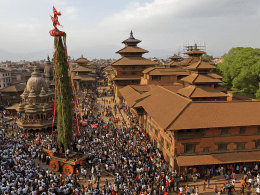



Dogs hold a special place in Nepalese culture. They are companions, protectors, working animals, and beloved members of many households. Yet, once every year, Nepal takes this appreciation even further.
During Tihar, dogs receive their own special day. Known as Kukur Tihar, this celebration honors dogs with flowers, tika, food, and prayers. It falls on the second day of the five-day Tihar festival. The tradition is more than a colorful festival. It reflects ideas of loyalty, protection, gratitude, and respect for living beings.
On this day, both pet dogs and street dogs can receive special attention. They are often bathed, decorated with flower garlands, marked with tika, and offered delicious food.


For many visitors, Kukur Tihar is one of the most memorable cultural traditions in Nepal. But behind the flowers and celebrations lies a much deeper story.
What Is Kukur Tihar?
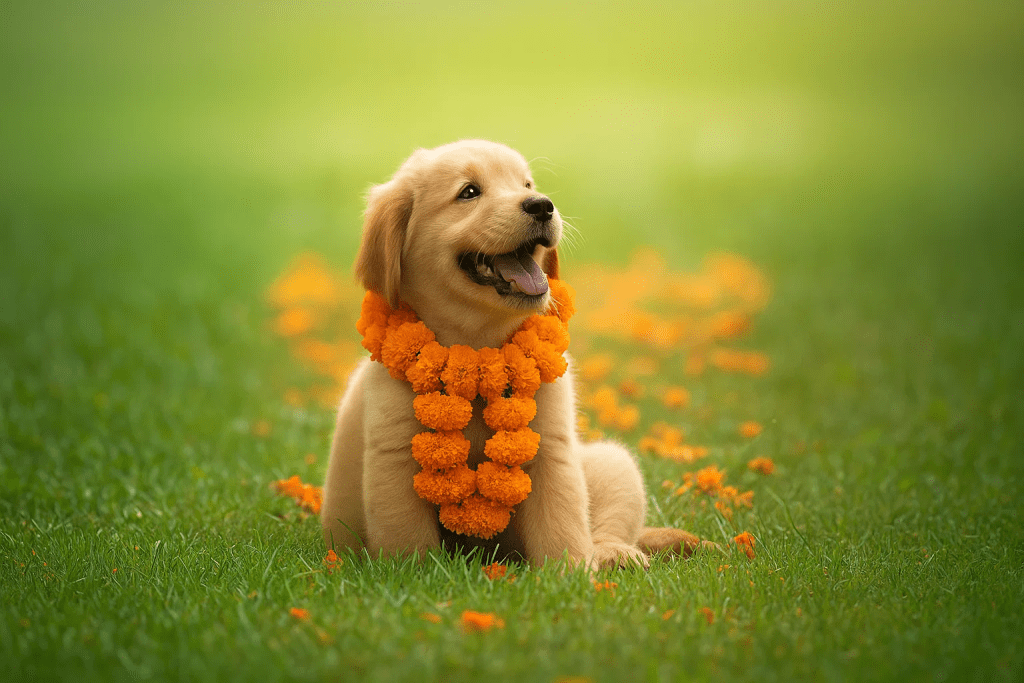
Kukur Tihar is Nepal’s traditional festival dedicated to dogs. The word kukur means dog in Nepali. The festival takes place during Tihar, one of Nepal’s major annual festivals. Tihar is also known as the Festival of Lights. Tihar lasts five days. Each day has its own religious and cultural significance.
The second day is dedicated to dogs. People worship dogs and offer them food as part of the day’s rituals. Dogs are regarded as agents or messengers of Yama, the Hindu god associated with death. This gives the celebration its distinctive spiritual meaning.
However, Kukur Tihar is not only about religious belief. It is also a public expression of appreciation for dogs and their relationship with humans.
When Is Kukur Tihar Celebrated?
Kukur Tihar is traditionally celebrated on the second day of Tihar.However, its Gregorian calendar date changes every year because Tihar follows the lunar calendar.
Tihar generally falls during October or November.
For example, the exact sequence can occasionally shift because of calendar calculations. In 2025, Kukur Tihar was observed on the third day of Yamapanchak due to a calendar adjustment, even though it is traditionally associated with the second day of Tihar.
Therefore, it is better to check Nepal’s annual festival calendar for the exact date.
Why Do Nepalese Worship Dogs During Tihar?
The answer is closely connected with Hindu mythology. Dogs have several important associations within Hindu religious traditions.
One of the strongest connections is with Yama, the god of death and justice. The Nepal Tourism Board describes dogs on Kukur Tihar as the agents of Yama. This connection helps explain why dogs are honored during Tihar.
The tradition also recognizes qualities commonly associated with dogs. These include loyalty, companionship, vigilance, and protection. Dogs have lived alongside humans for thousands of years.
They guard homes, accompany people, assist security forces and help during rescue operations.
They also provide companionship to families around the world. Kukur Tihar brings these relationships into a religious and cultural setting.
Dogs and Lord Bhairava
Dogs also have a strong association with Bhairava, a fierce manifestation of Shiva. In Hindu iconography, Bhairava is often depicted with a dog as his vehicle or companion. Because of this association, dogs can hold religious significance beyond their connection with Yama. However, the exact interpretation varies between traditions and communities.
It is therefore more accurate to describe the Bhairava connection as an important religious association rather than the single explanation for Kukur Tihar. The Yama connection is particularly prominent in Nepal’s official description of the festival.
The Story of Yudhishthira and His Dog
One of the most touching stories connected with dogs appears in the Mahabharata.
The story follows Yudhishthira, the eldest of the five Pandava brothers. Near the end of his life, Yudhishthira begins his final journey toward the Himalayas. A dog follows him throughout the journey. One by one, his companions fall behind. Eventually, only Yudhishthira and the dog continue toward heaven.
When Yudhishthira reaches the gates of heaven, Indra appears before him. Yudhishthira is offered entry into heaven. There is one condition. He must leave his faithful dog behind. Yudhishthira refuses. He argues that abandoning a creature that remained loyal to him would be wrong.
The dog is then revealed to be Dharma, Yudhishthira’s divine father, testing his righteousness. The story highlights loyalty, compassion, and moral responsibility. It is also one reason the relationship between humans and dogs carries such emotional significance in South Asian religious storytelling. So, rather than simply saying that dogs “go to heaven,” the Mahabharata episode teaches something deeper.
True righteousness includes loyalty toward those who remain loyal to us.
How Is Kukur Tihar Celebrated?
Kukur Tihar is filled with simple but meaningful rituals. The exact customs can vary between families and communities. Still, several practices are widely recognized.
1. Dogs Receive Tika
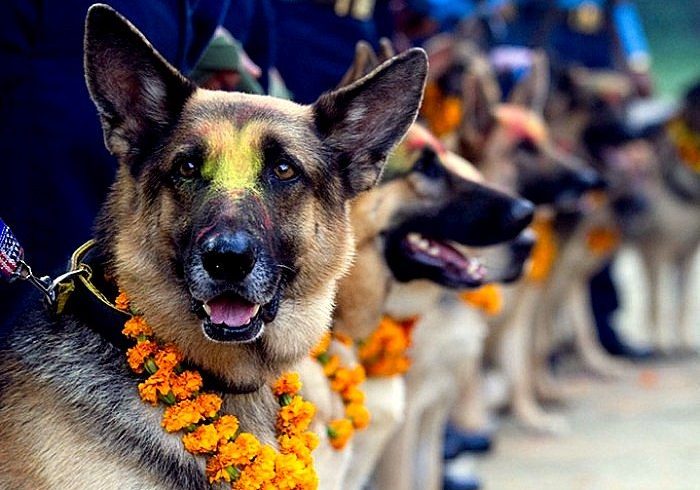
A colorful tika is placed on the dog’s forehead. The tika is traditionally associated with blessings and auspiciousness. It transforms an ordinary companion into the honored center of the day’s celebration. For many families, this is one of the most recognizable parts of Kukur Tihar.
2. Dogs Wear Flower Garlands
Dogs are decorated with flower garlands. Marigolds are especially common during Tihar. The bright garlands create one of the festival’s most recognizable visual scenes. Dogs walk through neighborhoods wearing flowers around their necks. The sight is both joyful and deeply symbolic.
3. Dogs Receive Special Food
Food is another important part of the celebration. Dogs are offered treats and special meals as an expression of gratitude. The food varies between households. The important part is the act of offering. For one day, the dog becomes the honored guest.
4. Dogs Receive Respect and Affection
The festival goes beyond decorations. People take time to appreciate their dogs. Pet owners may spend extra time with their companions. Street dogs can also receive food and attention. This is particularly meaningful because Kukur Tihar traditionally extends respect beyond household pets. Recent coverage of the festival has shown both pet and stray dogs being honored across Nepal.
Do Street Dogs Also Celebrate Kukur Tihar?
Yes. Kukur Tihar is not limited to privately owned dogs. Street dogs are also commonly included in the celebration. People may offer them food, place tika on their foreheads, and decorate them with flowers. This makes the festival especially distinctive. A dog does not need to belong to a family to receive kindness.
On Kukur Tihar, even a street dog can become the center of attention. This practice reflects the broader cultural idea that dogs deserve respect because of their loyalty and spiritual significance. It also provides an opportunity to encourage kindness toward animals beyond a single festival day.
Kukur Tihar and the Meaning of Loyalty
There is a reason the word “loyalty” appears so often when people talk about dogs. Dogs have developed a unique relationship with humans. They live alongside families. They protect homes. They work with police and security forces. They assist search and rescue teams.
They also provide companionship. In Nepal, dogs have additional cultural associations through Yama and Bhairava. Kukur Tihar brings these different ideas together.
The festival effectively says something simple:
A loyal companion deserves gratitude. That message is easy to understand, even outside its religious context.
Kukur Tihar Is Not Just for Pet Owners
You do not need to own a dog to participate. Many people celebrate the festival by honoring dogs they encounter around their communities. This includes neighborhood dogs and street dogs. The tradition therefore creates a wider sense of community. Instead of focusing only on personal pets, Kukur Tihar recognizes dogs as part of everyday life. This is especially visible in cities such as Kathmandu. Dogs can be found throughout neighborhoods, temples, markets, and residential areas. During Tihar, their role becomes particularly visible.
Kukur Tihar in Kathmandu
Kathmandu offers some of the most recognizable scenes of Kukur Tihar. Homes, streets, temples, and public spaces become part of the celebration. Dogs can be seen wearing marigold garlands and tika.
Some institutions also honor working dogs. Nepal’s security and rescue organizations have canine units that assist with specialized tasks. During Kukur Tihar, these working dogs may receive public recognition for their service. In 2024, the Associated Press documented celebrations in Kathmandu that included service dogs at an Armed Police Force canine center. The dogs were recognized for their contributions to security and rescue operations.
This shows another side of the festival. Kukur Tihar does not only celebrate cute pets. It also recognizes dogs that perform important work.
What Makes Kukur Tihar Different?
Many cultures celebrate animals in different ways.
Nepal’s Kukur Tihar is unusual because dogs receive a dedicated day within a major national festival.
It combines religious symbolism with everyday appreciation.
The celebration is also highly visual.
Bright flowers surround dogs.
Tika marks their foreheads.
Families prepare special food.
Photographs and videos spread across social media every year.
Yet the tradition is not simply an internet trend.
Its roots are connected to longstanding religious and cultural beliefs.
The Nepal Tourism Board officially identifies Kukur Tihar as the second day of Tihar and describes dogs as agents of Yama.
Is Kukur Tihar the Same as a Dog Festival?
Kukur Tihar is often translated as the Festival of Dogs or Day of the Dogs. However, it is part of the larger five-day Tihar festival. It is therefore not a separate national holiday unrelated to Tihar. Instead, it is one important day within the festival. Tihar itself honors several beings and deities across its five days. The first day honors crows. The second honors dogs.
The third centers on cows and Goddess Lakshmi. The fourth is associated with oxen and, in the Newar community, Mha Puja. The fifth is Bhai Tika.
This sequence demonstrates how animals, deities, family, and spiritual traditions are woven together during Tihar.
The Five Days of Tihar at a Glance
| Day | Main Celebration | Honored |
|---|---|---|
| Day 1 | Kaag Tihar | Crows |
| Day 2 | Kukur Tihar | Dogs |
| Day 3 | Gai Tihar & Laxmi Puja | Cows and Goddess Lakshmi |
| Day 4 | Goru Tihar / Mha Puja | Oxen and self |
| Day 5 | Bhai Tika | Brothers and sisters |
The exact observance can vary across communities.
The Nepal Tourism Board confirms this five-day structure while noting the different traditions associated with each day.
More Than a Celebration: A Reminder to Care
Kukur Tihar is beautiful. But its message can extend beyond one day. A dog does not need a garland to deserve kindness. A street dog does not need tika to deserve food. A pet does not need a festival to deserve care. The spirit of Kukur Tihar can therefore inspire everyday responsibility. People can help animals by providing safe food and water.
They can support responsible pet ownership. They can seek veterinary care when animals are injured. They can avoid cruelty toward street animals. They can also support legitimate animal welfare organizations. The festival becomes more meaningful when its message continues throughout the year.
How Visitors Can Experience Kukur Tihar in Nepal
Kukur Tihar can be a memorable cultural experience for international visitors. If you are visiting Nepal during Tihar, you may see dogs decorated throughout Kathmandu. However, visitors should observe respectfully. Do not touch an unfamiliar dog without permission.
Ask owners before photographing their pets closely. Avoid feeding unfamiliar animals food that may be unsafe. Most importantly, remember that the festival is a religious and cultural tradition. It is not simply a photo opportunity. Watching the rituals respectfully allows visitors to understand their deeper meaning.
Why Kukur Tihar Matters to Nepalese Culture
Festivals often reveal what societies value. Kukur Tihar highlights several values at once. It celebrates loyalty. It recognizes protection. It encourages gratitude. It connects animals with religious beliefs. It also reminds people of their relationship with the natural world. Perhaps that is why the festival feels so relatable. You do not have to follow the religious tradition to understand its central message. Dogs give humans companionship and loyalty. For one special day, Nepal gives something back.
Frequently Asked Questions About Kukur Tihar
What is Kukur Tihar in Nepal?
Kukur Tihar is the day dedicated to honoring and worshipping dogs during Nepal’s five-day Tihar festival. It traditionally falls on the second day.
Why are dogs worshipped during Kukur Tihar?
Dogs are associated with Yama, the Hindu god of death. They are traditionally regarded as his messengers or agents.
What happens during Kukur Tihar?
Dogs are honored with tika, flower garlands, food, and prayers. Both pet and street dogs may be included.
What does Kukur Tihar mean?
“Kukur” means dog in Nepali. Therefore, Kukur Tihar essentially means the festival or day dedicated to dogs.
Is Kukur Tihar celebrated only in Nepal?
The tradition originates in Nepal. However, Nepali communities and others have celebrated similar observances outside Nepal as well.
What is the connection between dogs and Yama?
In Hindu tradition, dogs are associated with Yama and his realm. Nepal’s Tourism Board describes dogs as agents of Yama during Kukur Tihar.
What is the story of Yudhishthira’s dog?
In the Mahabharata, a dog accompanies Yudhishthira during his final journey. Yudhishthira refuses to enter heaven without the loyal animal.
Are street dogs included in Kukur Tihar?
Yes. Street dogs are commonly honored alongside household pets during the celebration.
Are dogs associated with Lord Bhairava?
Yes. Dogs are traditionally associated with Bhairava, a fierce form of Shiva. This is an important religious association in South Asian traditions.
When is Kukur Tihar celebrated?
Kukur Tihar is traditionally the second day of Tihar. Its exact Gregorian date changes each year because the festival follows the lunar calendar.
Final Thoughts on Kukur Tihar
Kukur Tihar in Nepal is more than a festival for dog lovers. It is a celebration of loyalty, companionship, protection, and respect. For one day, dogs receive flowers instead of ordinary collars. They receive tika instead of passing glances. They receive special food instead of everyday meals.
Most importantly, they receive recognition. The story of Yudhishthira reminds us why that recognition matters. A faithful companion stood beside him when others had fallen away. He refused to abandon that companion at heaven’s gate. That story captures the heart of Kukur Tihar beautifully. Because sometimes, the best way to honor loyalty is simply to return it. And perhaps that is why Nepal’s celebration of dogs feels so special.
Every dog may have its day. In Nepal, that day is Kukur Tihar.