



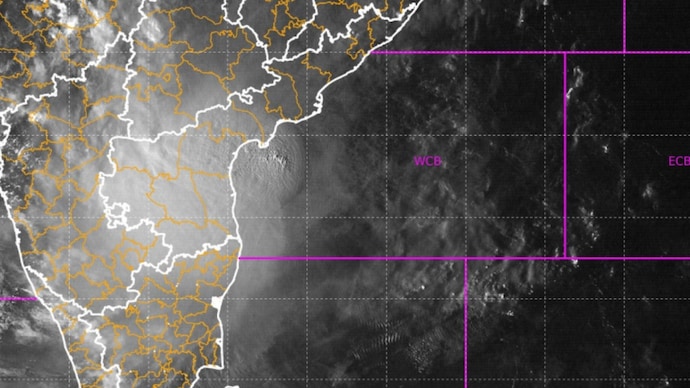
If you’re currently in Nepal or have a dream trek planned in the next few days, this update is for you. A weather system brewing in the Bay of Bengal — Cyclone Montha — is set to influence weather across Nepal, bringing significant rain and snow. While the mountains are always unpredictable, this calls for extra caution in your Nepal travel plans and especially if you are planning trekking in Nepal.
Don’t let this alarm you — but let it prepare you. With the right information and flexibility, you can still have a safe and incredible experience in the Himalayas.
Table of Contents
What’s Happening? The Quick Forecast

Cyclone Montha is moving northwest and its effects will be felt across Nepal from Wednesday, October 29th through Saturday, November 1st, 2025.


Here’s the regional breakdown of what to expect for trekking in Nepal and general travel in Nepal:
Heaviest Impact (Eastern Nepal):
Provinces like Koshi, Madhesh and Bagmati are in for moderate to heavy rain. This is a crucial heads-up for trekkers, as this region includes iconic routes like:
- The Everest Base Camp trek
- The Kanchenjunga Base Camp trek
- The Langtang Valley trek & Gosainkunda
The Mahabharat Range and foothills can also expect heavy rainfall — increasing landslide risks.
Moderate Impact (Central Nepal):
Provinces such as Gandaki and Lumbini will see moderate to light rain. This affects areas like:
- Pokhara and its lakeside surroundings
- The starting points for the Annapurna Circuit and Annapurna Base Camp treks
While the rain may be lighter, conditions in the high passes can change rapidly.
Mild Impact (Western Nepal):
Karnali Province can expect mild rain. However, the high hills and mountainous areas across all regions are forecast to receive moderate to heavy snow — this will affect high passes above approximately 4,000 m.
Your On-the-Ground Travel Advisory: Be Smart, Not Sorry

This isn’t just about getting wet; it’s about managing real risks like floods, landslides, trail washouts, and avalanches. Here’s your actionable advice for trekking in Nepal and broader Nepal travel:
1. For Trekkers Currently on the Trail:
- Check, check, and check again: Don’t rely on a single weather app. Lodge owners and local guides in Nepal have the best real-time info. Ask them every morning about the conditions ahead.
- Be ready to hold: An extra “acclimatisation day” in a teahouse is far better than pushing through a storm. Your schedule is not worth the risk.
- Avalanche awareness: Snow = avalanche risk. Avoid steep, open slopes, especially on passes like Thorong La (Annapurna) or Cho La (Everest). Do not attempt these without a local guide’s assessment.
- River-crossing caution: Never attempt to cross a swollen river. What was a gentle stream yesterday can become a torrent today. Wait it out or turn back.
2. For Travelers with Upcoming Plans:
- Flexibility is your best friend: If you’re scheduled to start a trek in the Everest, Langtang or Kanchenjunga regions between now and Nov 1, seriously consider postponing your start date. A 2-3 day delay can mean the difference between a dangerous slog and a beautiful trek.
- Have a Plan B: Research alternative activities that are less weather-dependent. Think about exploring the cultural gems of the Kathmandu Valley (museums, temples), or heading to Chitwan National Park in the lowlands, which may be less affected.
- Communication is key: Inform your hotel, tour operator, or family about your intended route and check in regularly.
3. General Must-Dos for Everyone (Trekking or Not):
- Gear Up: This is non-negotiable.
- Waterproof & windproof jacket/pants: a good rain shell is your first line of defence.
- Layers: thermal base layers, fleece mid-layers. Cotton kills when it’s wet.
- Waterproof backpack cover & dry bags: keep your spare clothes and electronics dry.
- Traction: trekking poles will provide stability on muddy, slippery trails.
- Hire a Local Guide: This is the single best investment for safety right now. Their knowledge of the terrain, ability to read the weather, and relationships with local communities are invaluable. They know when it’s safe to proceed and when it’s time to wait.
- Pack Essentials:
- First-aid kit.
- Extra high-energy snacks (nuts, chocolate, bars).
- A power bank to keep your phone charged.
- A reliable communication device (a local SIM from NTC or Ncell is a good start; consider a satellite messenger for remote treks).
The Bottom Line

The mountains of Nepal are majestic but demand respect. During this period of Cyclone Montha, the mantra is “Prepare, Adapt, and Respect.”
If the skies look threatening and the forecasts are dire, there is no shame in postponing or turning back. The mountain will always be there for another attempt. Your safety is the absolute priority.
Important Contacts (Save These Now!)
- Tourist Police, Kathmandu: +977 9851289445
- Tourist Police Toll-Free (within Nepal): 1144
Stay safe, stay informed, and make smart decisions out there!
See Nepal in every scroll: Follow us on Facebook, Instagram, and TikTok for stories that bring the country to life.


