



When autumn arrives in Nepal, the Himalayas reveal a side of the country that feels almost unreal. The monsoon clouds begin to clear, mountain views sharpen, and alpine lakes reflect the changing colours of the season.
Between October and November, many Himalayan destinations experience favourable trekking conditions. Clear mornings can reveal snow-covered peaks, deep blue skies, and lakes that shift between turquoise, emerald, and sapphire.
However, the magic is not just about colour. These lakes sit among ancient mountains, remote settlements, sacred landscapes, and ecosystems shaped by centuries of natural change.


From the dramatic cliffs surrounding Shey Phoksundo Lake to the forest-fringed shores of Rara, each destination offers a different experience of Nepal’s natural beauty.
If you are planning an autumn adventure, here are five Himalayan lakes in Nepal that deserve a place on your travel list.
1. Shey Phoksundo Lake, Dolpo
Elevation: Approximately 3,612 metres
Location: Shey Phoksundo National Park, Dolpo
Best for: Turquoise water, remote landscapes, photography, and cultural exploration
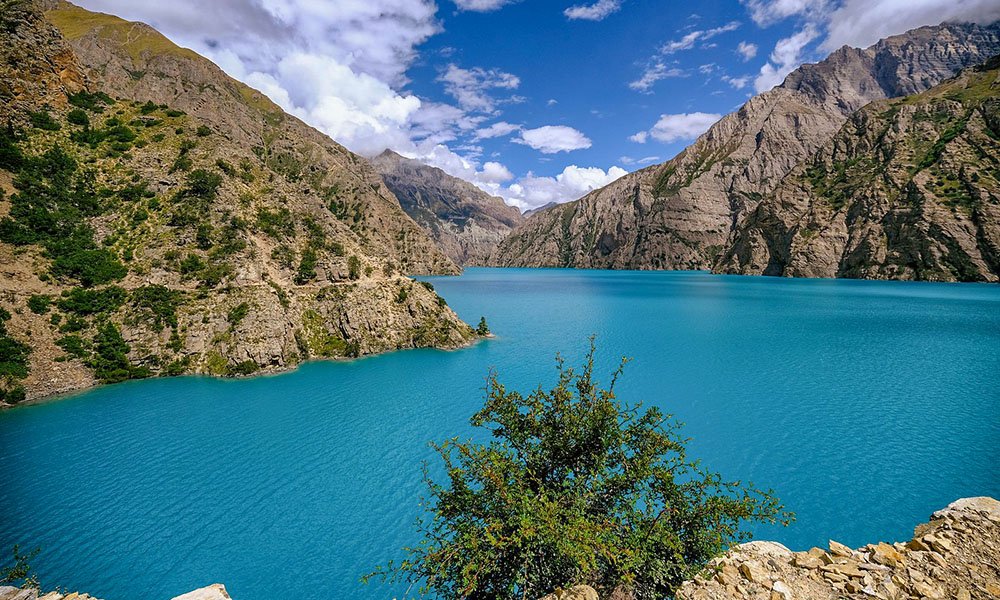
Shey Phoksundo Lake looks as though someone painted an impossible shade of blue across the Himalayan landscape.
Located in the remote Dolpo region of northwestern Nepal, the lake is famous for its striking turquoise and deep-blue waters. Steep mountain slopes rise around its shoreline, creating a dramatic contrast between the water, rocky cliffs, and surrounding landscape.
The lake lies within Shey Phoksundo National Park, Nepal’s largest national park. Its landscape also preserves distinctive Tibetan-influenced cultural traditions and settlements.
What makes Phoksundo Lake special?
The lake’s colour changes with the light, appearing turquoise, blue, or darker shades of indigo at different times of the day. Its appearance depends on factors such as water properties, light, viewing angle, and weather.
Autumn can bring particularly rewarding views when the skies clear and the surrounding mountain contours become more visible.
Nearby Ringmo village adds another dimension to the journey. Traditional houses, prayer flags, and local religious heritage give visitors a glimpse into the cultural life of Dolpo.
The result is more than a beautiful landscape. It is a meeting point between nature, culture, and a way of life shaped by geographical isolation.
How to experience Phoksundo Lake
The journey typically involves travelling towards Juphal and continuing through the Dolpo region. The trek passes through rugged terrain, mountain villages, and the landscapes of Shey Phoksundo National Park.
Allow sufficient time for transport connections and trekking. This is a remote destination, so weather, flight schedules, and local trail conditions can affect your itinerary.
NepalVue tip: Photograph the lake from different viewpoints as the light changes. A clear morning and a sunny afternoon can produce noticeably different colours.
2. Gokyo Lakes, Everest Region
Elevation: Approximately 4,700–5,000 metres across the lake system
Location: Sagarmatha National Park, Solukhumbu
Best for: High-altitude scenery, glacier views, and panoramic mountain photography
Most travellers associate the Everest region with Everest Base Camp. Yet, beyond the familiar trekking route lies another extraordinary landscape: the Gokyo Lakes.
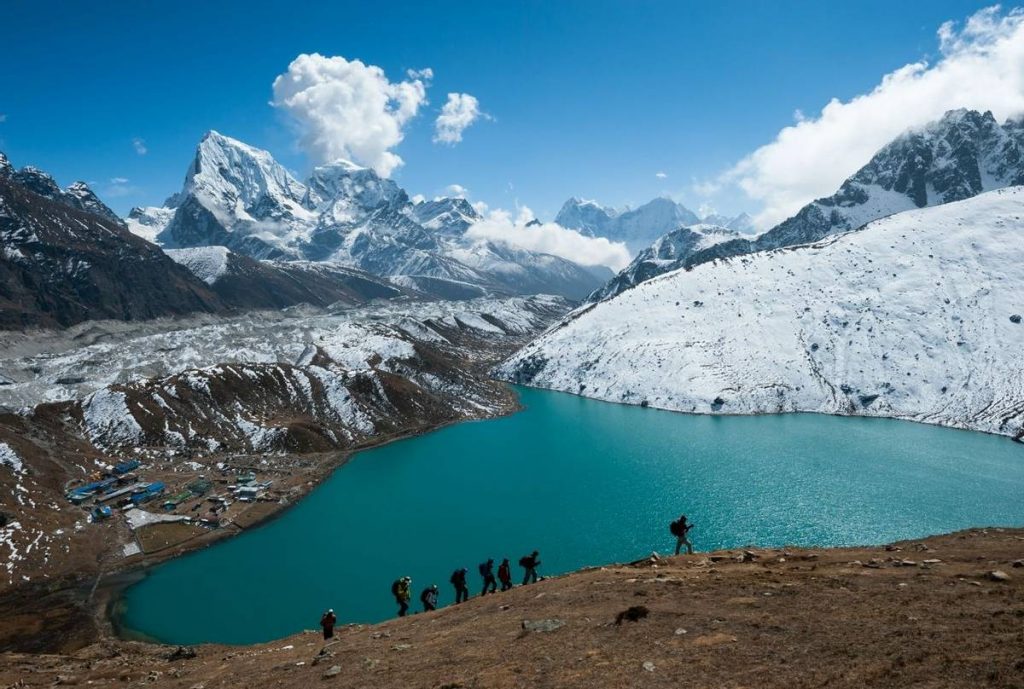
This collection of glacial lakes sits beside the enormous Ngozumpa Glacier in the Khumbu region. Their blue and turquoise waters stand out against rocky glacial terrain and the surrounding Himalayan peaks. The Gokyo lake system is also recognised as a wetland of international importance under the Ramsar Convention.
Why do the Gokyo Lakes look unreal?
The lakes’ appearance comes from a combination of glacial landscapes, water characteristics, and changing light conditions.
On clear autumn days, the contrast between the blue water, grey glacial deposits, and snow-covered mountains can be spectacular.
The third lake, Dudh Pokhari, sits beside Gokyo village and is the main lake many trekkers associate with Gokyo. From here, visitors can explore the surrounding valley and, with proper acclimatisation, climb Gokyo Ri.
The view from Gokyo Ri
At approximately 5,357 metres, Gokyo Ri provides an exceptional panorama of the surrounding mountains and lakes.
On a clear day, the viewpoint offers views of four major peaks above 8,000 metres: Everest, Lhotse, Makalu, and Cho Oyu.
The sight of turquoise lakes below towering Himalayan peaks makes this one of the most memorable viewpoints in the Everest region.
How to experience the Gokyo Lakes
Reaching Gokyo usually involves a multi-day trek from the Lukla area through the Khumbu region. The route includes steep climbs and increasingly high sleeping elevations.
October often offers favourable visibility, but cold temperatures, snow, and changing mountain weather remain possible.
NepalVue tip: Spend more than a few minutes beside the lakes. Watch how the light changes across the water, and consider an early start for clearer mountain views.
3. Tilicho Lake, Manang
Elevation: Approximately 4,919 metres
Location: Manang District, Annapurna region
Best for: High-altitude adventure, dramatic mountain scenery, and trekking
Tilicho Lake is a destination for travellers who want to experience the raw scale of the Himalayas.
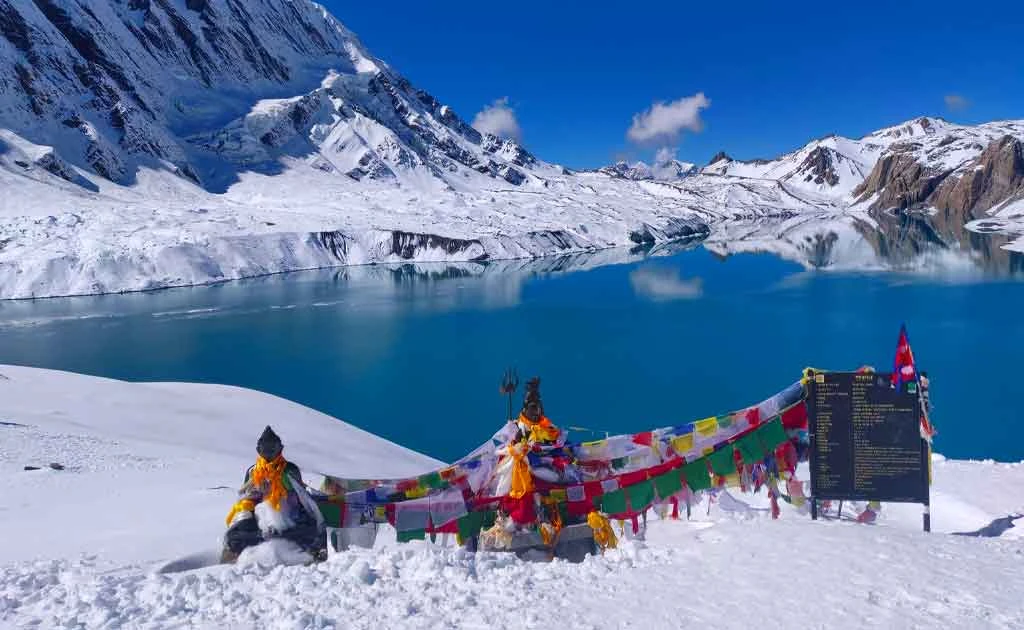
Situated high in the Annapurna region, the lake occupies a dramatic mountain basin beneath towering Himalayan slopes. Its remote setting and cold, open landscape create a striking contrast with the greener valleys below.
Unlike forest-fringed Rara, Tilicho feels exposed and immense. The surrounding terrain is defined by rocky slopes, barren ridges, snow-covered peaks, and a vast stretch of water.
What makes Tilicho Lake different?
At nearly 4,920 metres, the lake sits at an altitude where weather and temperature can change quickly.
On clear days, its blue waters contrast sharply with the rugged mountains around it. Depending on sunlight and conditions, the lake can appear pale blue, deep blue, or almost silver.
Autumn is popular for trekking in the Annapurna region because post-monsoon conditions can offer excellent mountain visibility. Nevertheless, conditions at Tilicho Lake can remain unpredictable.
The journey itself is part of the experience. Trails pass through the landscapes of Manang, where dry mountain terrain, traditional settlements, and views of the Annapurna range create a distinct Himalayan atmosphere.
How to experience Tilicho Lake
Trekkers generally approach the lake from the Manang area, following a route that branches from the Annapurna Circuit. The journey involves steep trails, exposed sections, and significant altitude gain.
Plan adequate acclimatisation before attempting the route. Avoid treating Tilicho as a casual side trip, especially if you have limited experience at high altitude.
NepalVue tip: Check trail conditions locally before setting out. Autumn sunshine can be deceptive; wind, cold, and sudden weather changes remain serious considerations at this elevation.
4. Gosaikunda Lake, Langtang
Elevation: Approximately 4,380 metres
Location: Langtang National Park, Rasuwa
Best for: Sacred landscapes, mountain reflections, and trekking near Kathmandu
Not every Himalayan journey requires travelling to Nepal’s most remote corners.
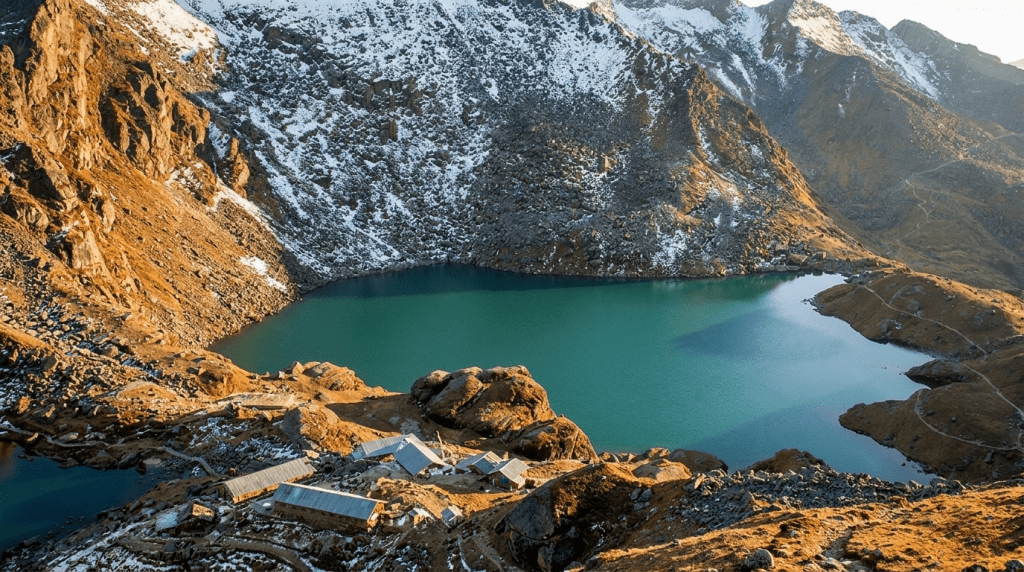
Gosaikunda Lake offers a dramatic alpine experience in the Langtang region, northwest of Kathmandu. Surrounded by rugged mountain slopes, this sacred lake attracts both trekkers and pilgrims.
Its importance extends beyond its natural beauty. Gosaikunda holds deep religious significance in Hindu traditions and is associated with the story of Lord Shiva. It is also an important pilgrimage destination during Janai Purnima.
A sacred lake among the mountains
The landscape around Gosaikunda is stark and beautiful. Rocky ridges frame the water, while surrounding peaks create a dramatic backdrop.
On clear autumn mornings, the lake can reflect sections of the surrounding mountain landscape. When clouds move across the basin, the scenery changes quickly, giving the lake a different atmosphere throughout the day.
Gosaikunda is also part of a larger cluster of high-altitude lakes. The surrounding area combines religious heritage, alpine ecology, and challenging mountain terrain.
How to experience Gosaikunda
A common trekking approach passes through Dhunche or follows routes connecting the Langtang and Helambu regions.
Although it is relatively close to Kathmandu compared with Dolpo or the Everest region, the trek is still physically demanding. The rapid increase in elevation makes proper acclimatisation important.
October and November can provide rewarding mountain views, but temperatures drop considerably at night. Snow and icy trail conditions are also possible.
NepalVue tip: Learn about the lake’s religious significance before visiting. Respect local customs, keep the surroundings clean, and avoid disturbing pilgrims or wildlife.
5. Rara Lake, Mugu
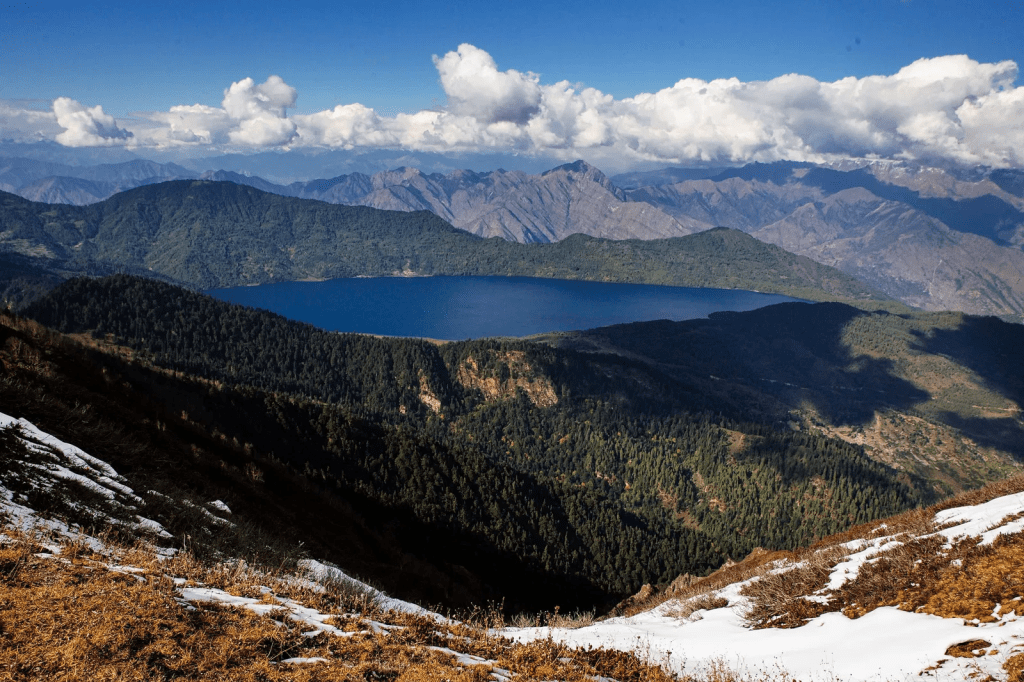
Elevation: Approximately 2,990 metres
Location: Rara National Park, northwestern Nepal
Best for: Forest landscapes, peaceful lakeside walks, photography, and nature
If the previous lakes reveal the dramatic side of the Himalayas, Rara offers a quieter kind of beauty.
Known as the Queen of Lakes, Rara is Nepal’s largest lake by surface area. It covers approximately 10.6 square kilometres and lies within Rara National Park in the country’s remote northwest.
Unlike the stark, high-altitude surroundings of Tilicho, Rara is bordered by forested hills and alpine vegetation. Its broad waters create an expansive landscape that feels peaceful even when the mountains dominate the horizon.
Why visit Rara Lake in autumn?
Autumn brings opportunities to experience Rara beneath clearer skies, with the surrounding hills reflected across the water when conditions are calm.
The lake’s appearance changes with the angle of the sunlight, cloud cover, and wind. Its colours can range from greenish-blue to deep blue, while the surrounding forests provide a contrasting backdrop.
The area is also important for wildlife and birdlife. Rara National Park protects a variety of habitats, making the destination appealing to nature lovers as well as photographers.
For visitors seeking a slower journey, the lakeside trails offer time to appreciate the landscape without the intensity of a high-altitude summit trek.
How to experience Rara Lake
Travellers can reach the region through air connections serving the Jumla or Talcha areas, followed by local transport or trekking, depending on the chosen route and current services.
Because Rara is relatively remote, plan transport and accommodation ahead of time. Weather-related flight changes can affect schedules, and road journeys may require substantial travel time.
NepalVue tip: Walk along the lakeshore during the early morning or late afternoon. Calm conditions can create beautiful reflections, while changing light adds depth to photographs.
Why autumn is a special time to visit Himalayan lakes in Nepal
Autumn is widely considered one of Nepal’s most rewarding trekking seasons. The monsoon generally retreats, mountain views often improve, and many popular trekking routes become more attractive for outdoor travel.
Here are three reasons to consider an autumn visit.
1. Clearer mountain views
Post-monsoon weather often brings clearer skies and better visibility. This can make mountain silhouettes, glacier formations, and distant peaks easier to see.
However, clear conditions are never guaranteed. Local weather, altitude, and changing mountain systems still influence visibility.
2. Beautiful light for photography
The combination of sunlight, water, and mountain terrain can produce striking photographs.
For the best results, consider visiting viewpoints early in the morning or later in the afternoon. Low-angle light can reveal mountain textures and create reflections when the water is calm.
Avoid assuming that every lake will appear turquoise. Water colour depends on local conditions, and natural landscapes can look different from photographs taken under particular lighting.
3. A rewarding trekking atmosphere
October and November often bring comfortable daytime conditions on many established trekking routes, although high-altitude destinations can be very cold.
Popular trails may also be busier during this period. Booking accommodation, arranging transport, and allowing flexibility in your itinerary can make the journey smoother.
Essential travel tips for visiting Himalayan lakes
The beauty of these destinations comes with practical challenges. Their elevations, remoteness, and sensitive environments require careful planning.
- Acclimatise properly: Give your body time to adjust to increasing altitude. Altitude sickness can affect anyone, regardless of fitness.
- Check weather and trail conditions: Conditions can change rapidly, particularly above 4,000 metres.
- Arrange the necessary permits: Requirements vary by destination and protected area. Confirm current rules before travelling.
- Carry suitable clothing: Warm layers, waterproof outerwear, sturdy footwear, and sun protection are important.
- Plan transport carefully: Remote destinations may depend on domestic flights, local roads, or long trekking approaches.
- Respect local culture: Sacred lakes and mountain settlements deserve thoughtful, responsible visits.
- Protect the environment: Carry out your waste, stay on established trails, and never disturb wildlife or contaminate lake water.
For remote treks, consider travelling with a qualified guide and checking current requirements with the relevant authorities or a registered trekking agency.
Which Himalayan lake should you visit this autumn?
Each lake offers a different reason to travel.
- Shey Phoksundo: Choose it for extraordinary turquoise water, remote landscapes, and cultural experiences in Dolpo.
- Gokyo Lakes: Choose them for glacier scenery, high-altitude trekking, and panoramic views of the Everest region.
- Tilicho Lake: Choose it for a challenging mountain journey and a dramatic alpine setting.
- Gosaikunda: Choose it for sacred Himalayan landscapes and a rewarding trek in the Langtang region.
- Rara Lake: Choose it for peaceful lakeside walks, forested hills, and nature photography.
The right destination depends on your time, fitness, experience, and preferred style of travel. Rara and Phoksundo offer very different journeys, while Gokyo and Tilicho demand serious preparation for high-altitude trekking.
Final thoughts: Discover Nepal beyond the familiar trails
The Himalayas are not defined by mountains alone. Their lakes reveal another side of Nepal, where water, rock, forests, glaciers, and cultural traditions come together.
From the vivid waters of Shey Phoksundo to the peaceful shores of Rara, every destination offers a different perspective on the country’s natural diversity.
October and November can be an excellent time to explore these landscapes, provided you plan around local weather and trail conditions.
Which of these five Himalayan lakes would you visit first? Save this guide for your next Nepal adventure, and share it with someone who dreams of discovering the Himalayas.
Frequently asked questions
1. What is the best time to visit Himalayan lakes in Nepal?
October and November are popular months for many Himalayan lake treks because post-monsoon weather often provides clearer views. Conditions vary by destination and altitude.
2. Which is the most beautiful lake in Nepal?
Beauty is subjective. Shey Phoksundo is famous for its striking blue water, Gokyo for its glacier and mountain views, Tilicho for its dramatic alpine setting, Gosaikunda for its sacred landscape, and Rara for its forest-fringed shoreline.
3. Which Himalayan lake is easiest to reach from Kathmandu?
Gosaikunda is a common choice for travellers seeking an alpine lake trek relatively close to Kathmandu. However, reaching it still requires several days of trekking and suitable acclimatisation.
4. Can beginners visit Himalayan lakes in Nepal?
Some destinations may be suitable for beginners with preparation and a guided itinerary. High-altitude routes such as Gokyo and Tilicho require greater trekking experience, acclimatisation, and physical preparation.
5. Why do Himalayan lakes appear turquoise or blue?
Water colour depends on factors including light absorption, suspended mineral particles, water depth, and the surrounding landscape. Different conditions can make the same lake appear different shades throughout the day.
6. Is autumn safe for high-altitude trekking in Nepal?
Autumn is a popular trekking season, but it does not eliminate risks. Altitude sickness, cold temperatures, snow, and sudden weather changes remain possible. Plan carefully and follow local safety advice.


