


The woodsmoke reaches you before the view does. Cardamom drying nearby, a kettle of millet beer on the stove, cool damp air that feels nothing like the plains below. You are deep in the eastern hills, where towns move at a pace the rest of the country forgot. Hile and Dhankuta in Nepal are the kind of cool, green, slow-moving hill towns that most foreign travelers have never heard of, and that is exactly what makes them worth the detour during the warm months when the Terai plains turn into a furnace.
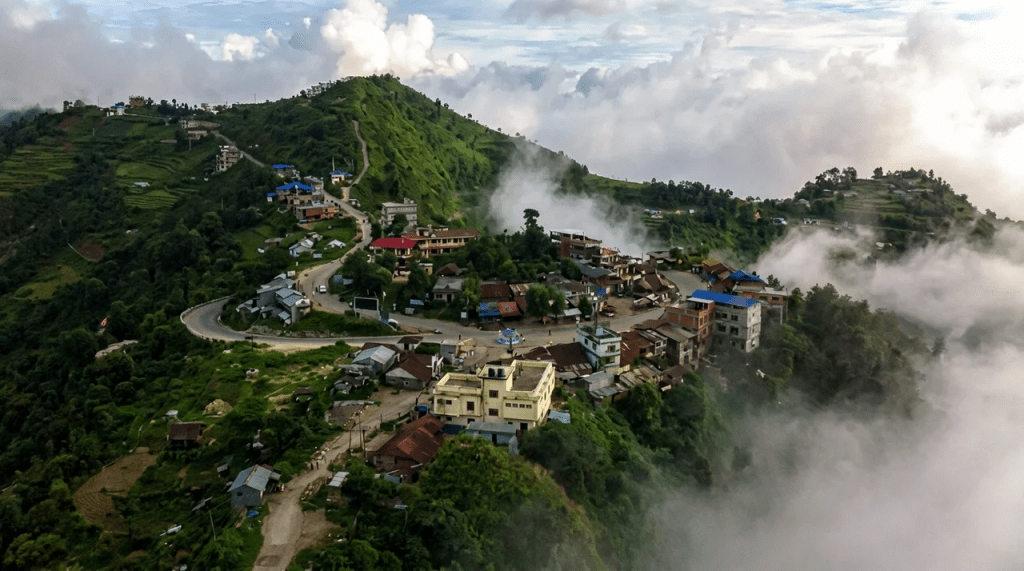
Dhankuta sits in the mid-hills of Koshi Province, far from the Annapurna and Everest crowds. Hile climbs higher still, a small market town at roughly 1,948 meters where the air carries woodsmoke and millet beer instead of diesel and dust. Summer here is misty, not scorching. That alone makes it one of the smartest warm-season escapes in the country.
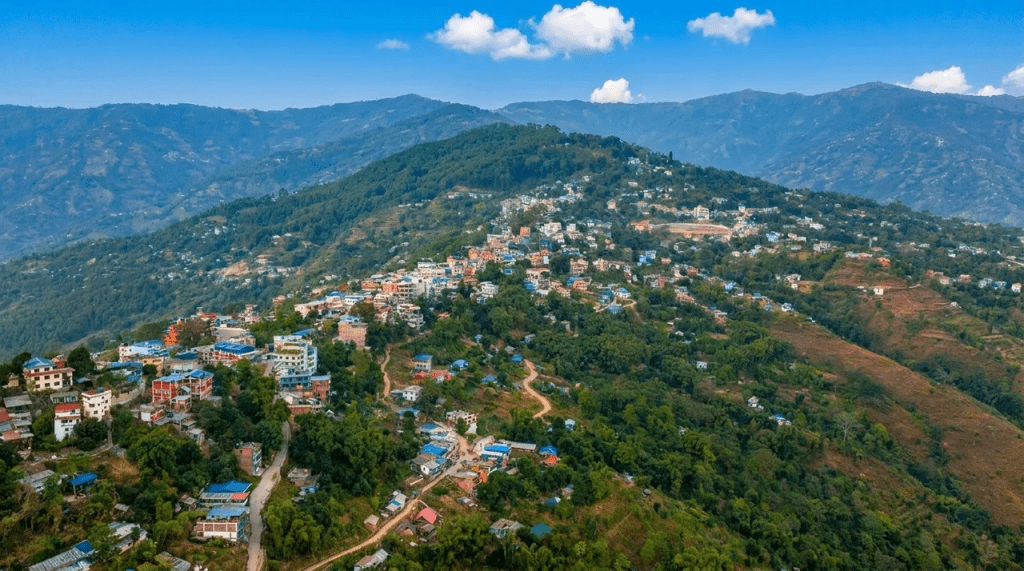
Where Hile and Dhankuta sit in eastern Nepal
Dhankuta is the district headquarters, a tidy hill town strung along a ridge with whitewashed houses and stone-paved lanes. Locals call it the queen of the eastern hills, and after a morning walk through its old bazaar you understand why. Orange sellers, cardamom traders, and tea stalls fill the narrow streets, and the pace is gentle in a way that Kathmandu forgot decades ago.


Hile is the smaller sibling, about 13 km north of Dhankuta Bazaar along the same ridge road. What it lacks in size it makes up for in character. A giant concrete tongba jar marks the crossroads at the center of town, which tells you immediately what people come here for.
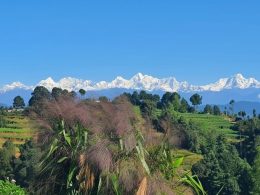
Both towns belong to the same green corridor of eastern Nepal, perched between the hot Terai below and the high Himalaya beyond. On a clear morning you can see Makalu, Kumbhakarna (locals call it Jannu), and on the very best days even the tip of Everest from these hills.
Getting there: the road most guidebooks skip
Reaching Hile Dhankuta Nepal takes effort, and that effort is part of the filter that keeps the crowds away. Most travelers fly into Biratnagar in the plains, then continue by road. From Biratnagar it is roughly 54 km as the crow flies to Dhankuta, though the winding mountain road covers closer to 99 km and takes several hours.
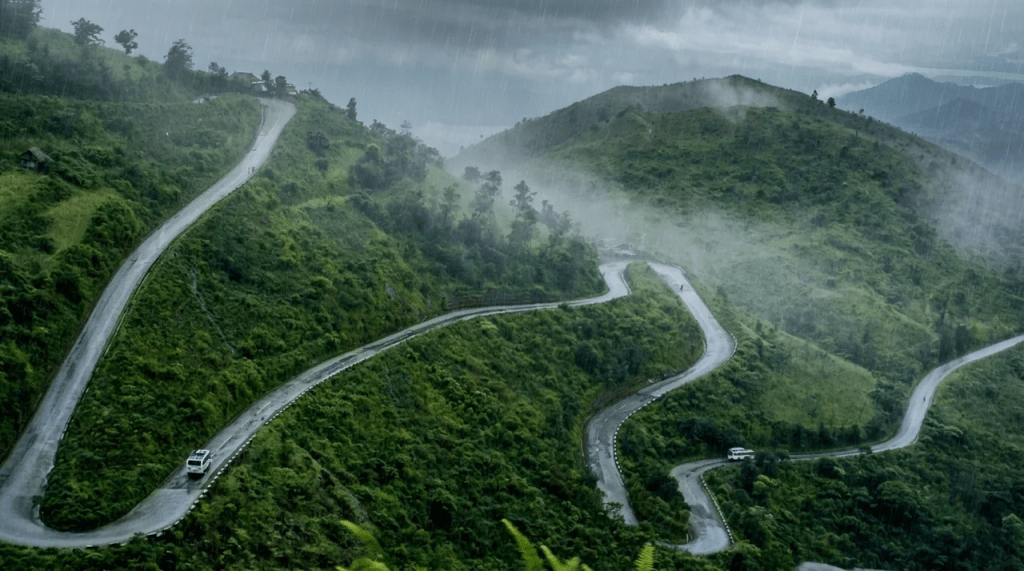
The more common approach goes through Dharan, the lively bazaar town at the foot of the hills. From Dharan, the Koshi Highway climbs north in tight hairpin bends, a two-lane road carved into the slopes. Hile sits about 65 km up from Dharan, with Dhankuta roughly 18 km before it.
Regular buses and shared jeeps run this route daily, connecting Dharan, Dhankuta, Hile, and Basantapur. Here is what most guides will not tell you: in the monsoon months the schedule bends to the weather. Landslides and slow sections are common between June and September, so leave early, pad your day with extra hours, and never plan a tight connection. Mornings are your friend, since rain tends to build through the afternoon.
What makes the summer mist worth it
Here is where most people get the season wrong. They assume the clear-sky months of October through April are the only time to come, and for big mountain views, sure, those months win. But summer has its own quiet magic that the dry season cannot touch.
From June through August the hills wrap themselves in moving cloud. Cardamom fields glow an electric green, terraced rice paddies fill with water, and the whole landscape feels alive and breathing. Temperatures up here hover around a pleasant 25 degrees Celsius even at the peak of summer, while Biratnagar and the plains below bake past 35. You trade panoramic peaks for soft, atmospheric, almost dreamlike scenery. For photographers and slow travelers, that is not a downgrade.
If you do want the big views, the secret is patience. Clouds part briefly after heavy rain or just at dawn, and a single clear ten-minute window can hand you Makalu glowing pink over a sea of cloud.
Things to do around Hile and Dhankuta
Wander the old bazaars
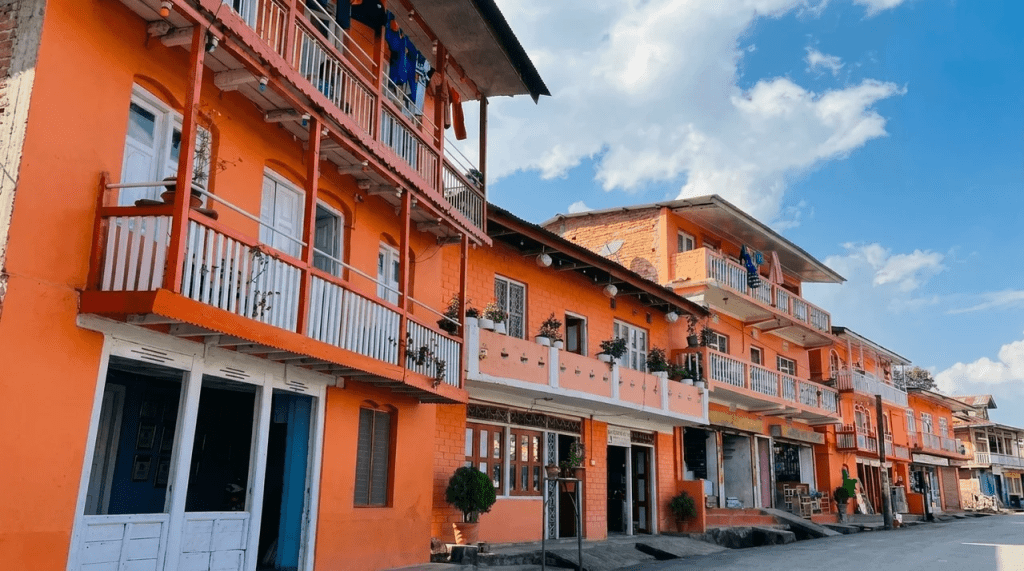
Start in Dhankuta Bazaar, where traditional hill architecture meets everyday commerce. Browse for handmade goods, sample oranges fresh off the surrounding farms, and let the rhythm of the town pull you along. Up in Hile, the weekly Thursday haat market is the highlight. Farmers and traders pour in from surrounding villages, and the stalls overflow with produce, spices, dried fish, and local crafts. Go hungry and curious.
Drink tongba and eat sukuti
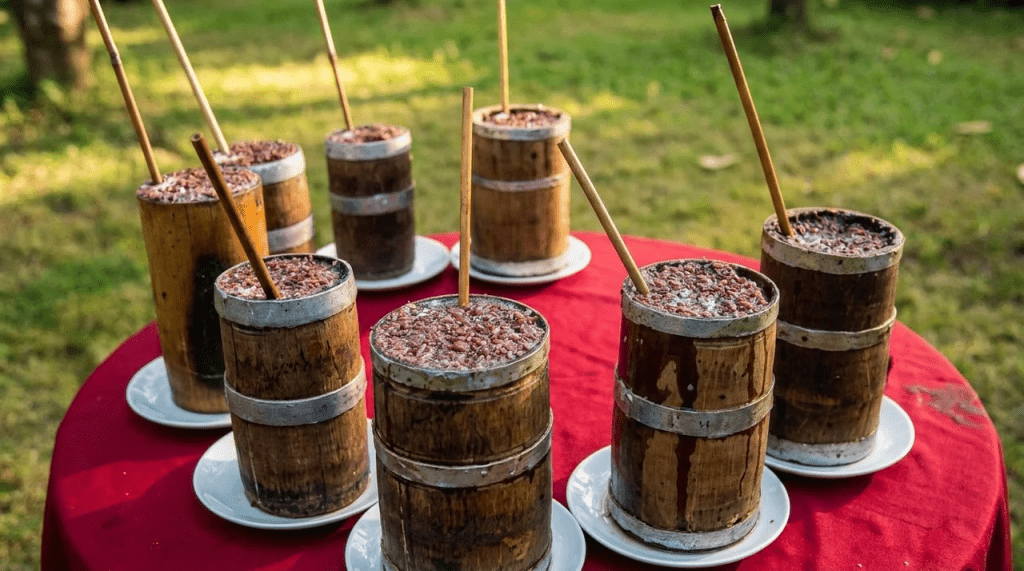
Hile is famous across Nepal for its tongba, a warm millet beer sipped through a metal straw from a wooden vessel, perfect on a cool, damp evening. Pair it with sukuti, the spiced dried meat that locals do better here than almost anywhere. It is comfort food built for mountain weather.
Catch the views from Bhedetar
A short trip from Dhankuta brings you to Bhedetar, a breezy hill station at around 1,420 meters known for its dramatic, shifting weather. Charles Point is the famous lookout, named after a royal visit, and on clear days the distant snow peaks rise above the haze. Even when clouds roll in, the cool air and forest setting make it a fine afternoon escape.
Hike to Namaste Falls
Near Bhedetar, Namaste Falls drops roughly 80 meters through lush forest, and it is at its thundering best during the monsoon when the streams run full. The walk in is short and rewarding, and the spray and greenery make it one of the most photogenic spots in the district.
Slow down at Rani Lake
In the nearby Rajarani Valley, Rani Lake sits within a peaceful wetland surrounded by forest. Birdwatchers love it, and the gentle trails around the water suit anyone who wants nature without a strenuous climb. Conservation groups help maintain the area, so it stays clean and quiet.
Reach the rhododendron capital
For more ambitious walkers, the Tinjure-Milke-Jaljale ridge, known simply as the TMJ trail, lies within reach of this region. It is often called the capital of rhododendrons, and for good reason: more than 28 of Nepal’s roughly 32 rhododendron species grow here. Spring brings the famous blooms, but even in summer the forested ridges and views toward Makalu and Kanchenjunga are spectacular.
Where Hile fits for trekkers
Hile has long served as a gateway to the wild eastern Himalaya. From here and nearby Basantapur, classic routes once set off toward Makalu Base Camp and the remote approaches to Kanchenjunga. If your real goal is a serious high-altitude trek, summer is not the season for it, since the high passes are wet and the views buried in cloud. Treat Hile and Dhankuta instead as a cultural and scenic base in the warm months, and save the big trek for autumn. For more on planning around the seasons, our guide to the best time to visit Nepal breaks down what each month actually delivers.
Where to stay and what it feels like
Accommodation here is simple and honest. Small guesthouses and family-run lodges line both towns, and the growing network of community homestays around Hile, Bhedetar, and the surrounding villages is the real treasure. Stay with a local family, eat home-cooked dal bhat and millet dishes, and you get a window into hill life that no hotel can match. Prices are modest and shift with the season. Carry cash, because ATMs are scarce and cards are rarely accepted outside the bigger towns.
One thing worth knowing: this is not a polished tourist machine. Menus are short, hot water can be unpredictable, and the wifi will test your patience. None of that is a flaw. It is the price of admission to a place that still feels like itself.
The cultural fabric you will notice
Dhankuta district is a mosaic of communities, home to Rai, Limbu, Newar, Magar, Tamang, and Athpahariya people among others. That diversity shows up in the food, the festivals, and the languages you hear in the bazaar. Pilgrims visit the revered Pathibhara shrine traditions and the Chintang Devi temple, sacred to both Kirati and Hindu followers. If your timing lines up with a local festival or a village heritage program, drop your plans and go. Those moments are why people fall for the east.
Eastern Nepal also rewards travelers who treat the monsoon as an asset rather than an obstacle. If you want a fuller picture of traveling the country during the rains, our Nepal monsoon season guide covers the realities, and trekkers eyeing the bigger eastern peaks can read our Kanchenjunga trek guide for the high-season approach.
A few honest cautions
Summer travel in these hills is rewarding, but go in with clear eyes. Roads can close for hours after heavy rain. Leeches appear on damp forest trails, so carry salt or repellent and tuck your socks in. Big mountain views are a gamble, not a guarantee. And cell coverage thins out fast once you leave the main towns.
None of these are reasons to stay away. They are simply the trade-offs of choosing a place the crowds have not found yet. For official, current details on attractions in the area, the Nepal Tourism Board keeps a useful overview of things to do around Dhankuta.
Frequently asked questions
How do I get to Hile and Dhankuta from Kathmandu?
The usual route is a flight from Kathmandu to Biratnagar, then road transport up through Dharan and Dhankuta to Hile. By road alone it is a long haul, often a full day or more, so most travelers fly to the plains and drive the hill section. Allow generous time during the monsoon, since delays from rain and landslides are common.
What is the best time to visit Hile and Dhankuta?
October through April delivers the clearest mountain views and the most reliable roads. Summer and monsoon, from June to September, offer cooler temperatures than the plains, lush green scenery, and far fewer visitors, with the trade-off of cloud cover and occasional travel delays. Both seasons have their appeal depending on what you want.
Is Hile worth visiting during the monsoon?
Yes, if you value atmosphere over panoramas. Misty ridges, electric-green cardamom fields, and full waterfalls like Namaste Falls make the rainy months genuinely beautiful. Just plan flexible days and expect that big Himalayan views will be hit or miss.
What is tongba and where can I try it?
Tongba is a warm fermented millet beer served in a wooden vessel and sipped through a metal straw. Hile is one of the most famous places in Nepal to drink it, marked by the giant tongba jar at the town crossroads. Most local eateries serve it, especially in the cooler evenings.
Can I trek from Hile in summer?
Hile is a traditional gateway toward Makalu and Kanchenjunga, but high-altitude trekking is not recommended during the monsoon because of wet trails, leeches, and poor visibility. Summer is better spent on short hikes, homestays, and cultural exploration. Save the serious treks for autumn.
How high is Hile?
Hile sits at roughly 1,948 meters above sea level, which keeps temperatures pleasant even in summer. Nearby Bhedetar is a bit lower at around 1,420 meters, while Dhankuta Bazaar lies below Hile along the same ridge road.
Are there ATMs and good mobile coverage?
Dhankuta and Hile have basic banking and ATM access, but reliability varies and machines can run out of cash. Carry enough rupees for several days, especially if you head to villages or homestays. Mobile coverage is decent in the towns and weakens noticeably on remote trails.
Is the region suitable for families and older travelers?
Yes. Much of what makes Hile and Dhankuta special, such as the bazaars, Bhedetar viewpoints, short nature walks, and homestays, involves gentle activity rather than hard trekking. As long as you accept basic facilities and longer travel times, it suits a wide range of visitors.