



October marks the start of peak travel season in Nepal. Clear skies, warm daytime temperatures, and spectacular mountain views draw thousands of international travelers every year. As monsoon rains clear, trekking routes across the country welcome visitors eager to experience the Himalayas during the crisp autumn season.
While autumn provides favorable conditions for outdoor adventures, seasonal monsoon runoff and localized landslides affect mountain travel corridors every year. Travelers naturally want to know if visiting Nepal right now is safe and practical.
Nepal is peaceful, welcoming, and open for tourism. Primary tourist destinations, domestic airlines, hotels, and trekking agencies operate at full capacity. However, post-monsoon road conditions vary by region. Smart route planning and up-to-date local information keep your journey safe, smooth, and enjoyable.


This article provides an in-depth assessment of the current travel and security situation in Nepal. It covers route safety for key destinations, seasonal health precautions, transport safety tips, and practical advice for traveling across the country this autumn.
Current Travel and Security Situation in Nepal
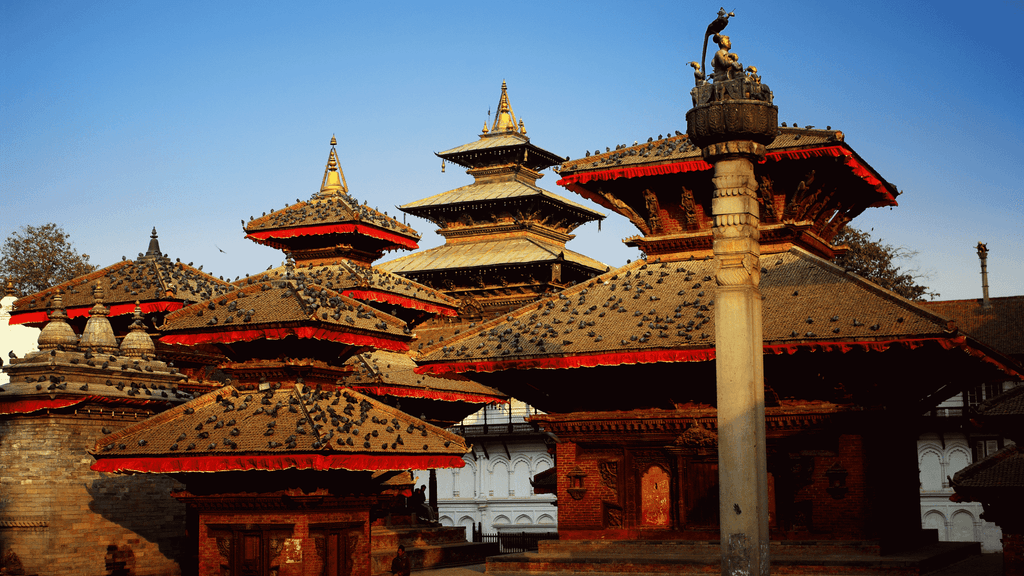
The general security environment across Nepal remains stable and safe for international visitors. Political conditions in urban centers are calm, and major tourist hubs like Kathmandu, Pokhara, and Chitwan operate normally.
Travel advisories from major international governments categorize Nepal as safe for leisure and adventure travel, subject to standard precautions. Diplomatic missions advise travelers to maintain normal personal security awareness, avoid unexpected public demonstrations, and monitor local weather reports when traveling through high mountain corridors.
Security Overview
Petty crime rates in Nepal remain relatively low compared to global tourist destinations. Pickpocketing and bag snatching can occur in crowded transit hubs, busy markets, and nightlife districts in Kathmandu and Pokhara. Taking basic precautions with personal belongings prevents most issues.
Public demonstrations or local labor strikes occur occasionally in urban centers. These events rarely target tourists, but they can cause brief transportation delays. Following local news, allowing flexible travel days, and using licensed tourist transportation minimize disruptions.
Post-Monsoon Infrastructure and Highways
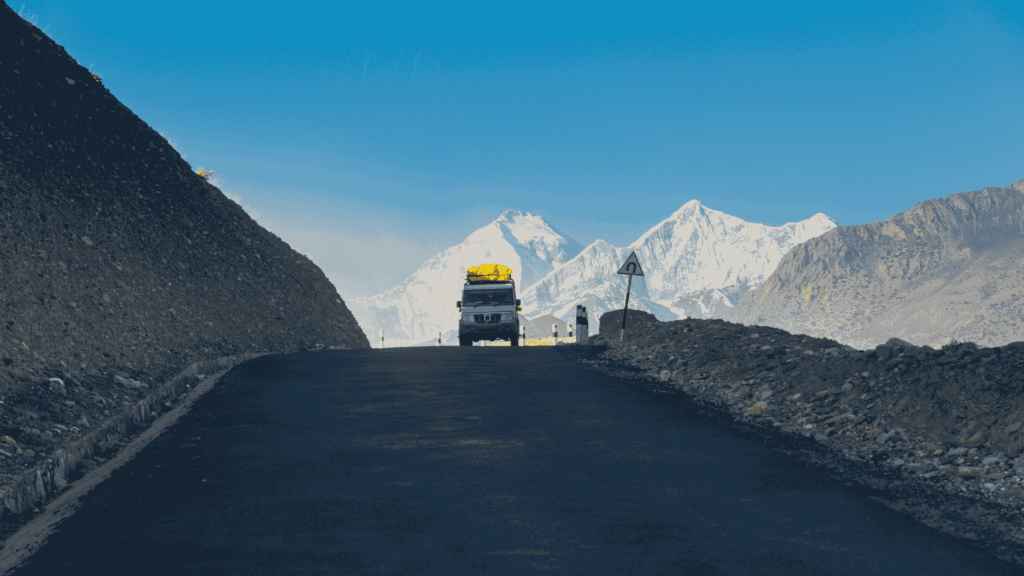
The primary safety factor for autumn travelers involves post-monsoon road conditions. Heavy rainfall during late monsoon months causes soil erosion, localized landslides, and swollen river systems across steep mountain valleys.
Key transport corridors like the Prithvi Highway between Kathmandu and Pokhara and the BP Highway toward the southern plains experience ongoing maintenance and occasional temporary closures for debris removal. Road crews clear major highways quickly to keep trade and tourism moving ahead of the major autumn festival season. However, secondary mountain roads require extra transit time and local verification.
Safety Status of Primary Travel Corridors
To help you plan effectively, the table below summarizes travel conditions, security levels, and route access across Nepal’s major tourist regions:
- Region: Kathmandu Valley (Kathmandu, Bhaktapur, Patan) Security Status: Peaceful and fully operational. Transport Access: International airport and domestic flights operating normally. Traveler Advice: Exercise standard urban caution in busy markets and crowded places.
- Region: Central Hills (Pokhara, Bandipur, Nagarkot) Security Status: Calm with high tourism activity. Transport Access: Prithvi Highway open with ongoing roadwork delays; daily flights running. Traveler Advice: Allow extra overland travel time or choose domestic flights.
- Region: Annapurna & Everest Trekking Zones Security Status: Safe and fully open for autumn trekking. Transport Access: Mountain flights and lower trailheads accessible. Traveler Advice: Trek with a licensed guide and verify trail conditions locally.
- Region: Southern Plains (Chitwan, Lumbini, Janakpur, Bardia) Security Status: Stable with clear, dry weather. Transport Access: Terai highways and regional airports fully operational. Traveler Advice: Ideal season for wildlife safaris and cultural tours.
- Region: Northern Border Corridors (Rasuwa / Langtang access) Security Status: High caution required due to landslide damage. Transport Access: Road access periodically disrupted along river valleys. Traveler Advice: Check current road updates before heading north toward Syabrubesi.
Detailed Safety Breakdown of 10 Top Destinations
Planning a trip across Nepal requires understanding local conditions at each stop. Here is an updated safety assessment for ten major destinations, arranged geographically from east to far-west:
Ilam (Eastern Hills)
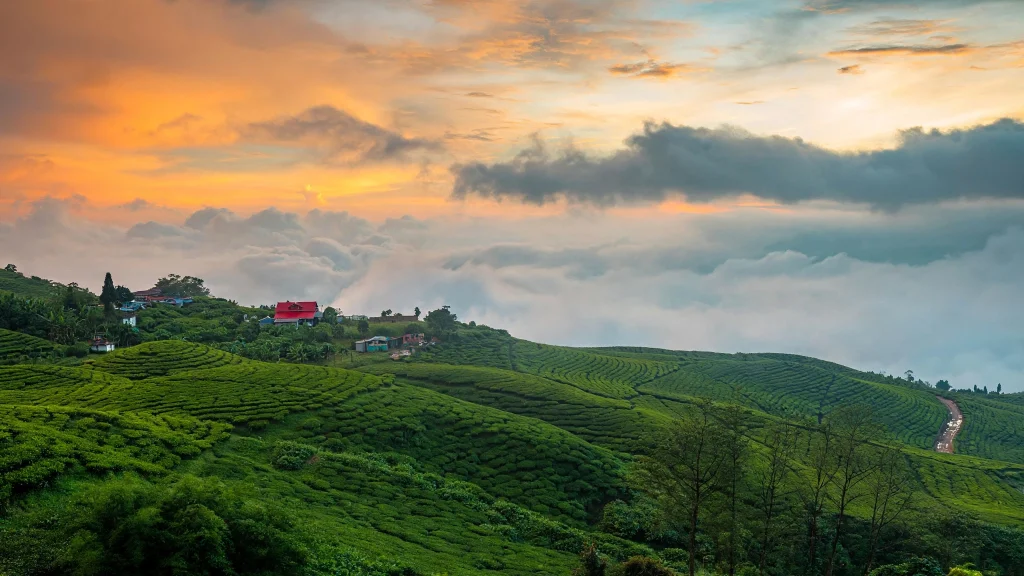
Ilam remains peaceful and safe for travel. The region’s rolling tea gardens enjoy clear autumn weather and sharp views toward Mount Kanchenjunga. Access roads from Bhadrapur domestic airport are clear, making Ilam an excellent choice for low-impact travel and photography.
Janakpur (Eastern Terai)
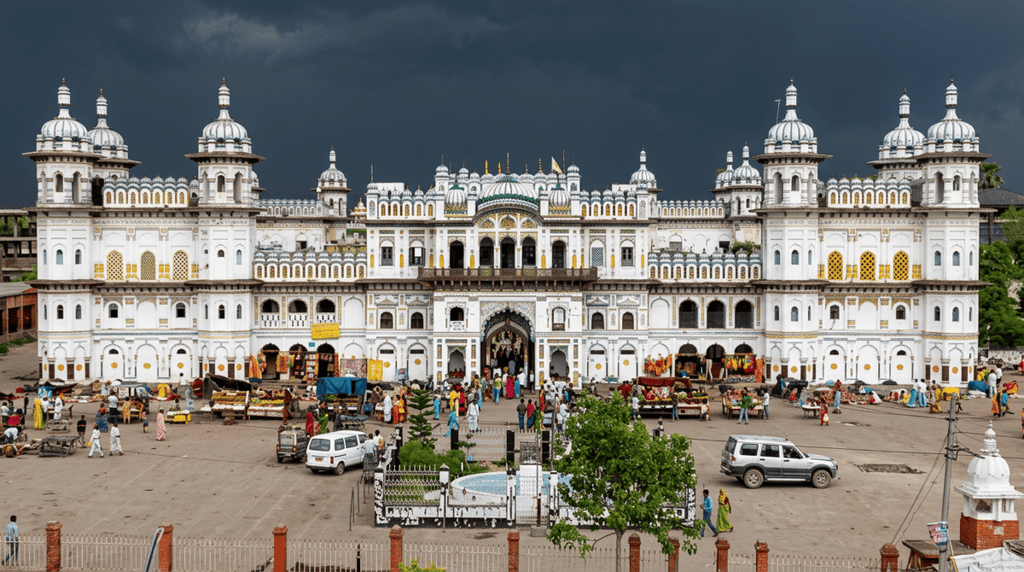
Janakpur experiences warm, dry, and pleasant weather throughout October. The city’s famous Janaki Temple and surrounding Mithila cultural villages welcome visitors without interruption. Transport networks across the eastern plains run smoothly.
Kathmandu Valley (Kathmandu, Bhaktapur, Patan)
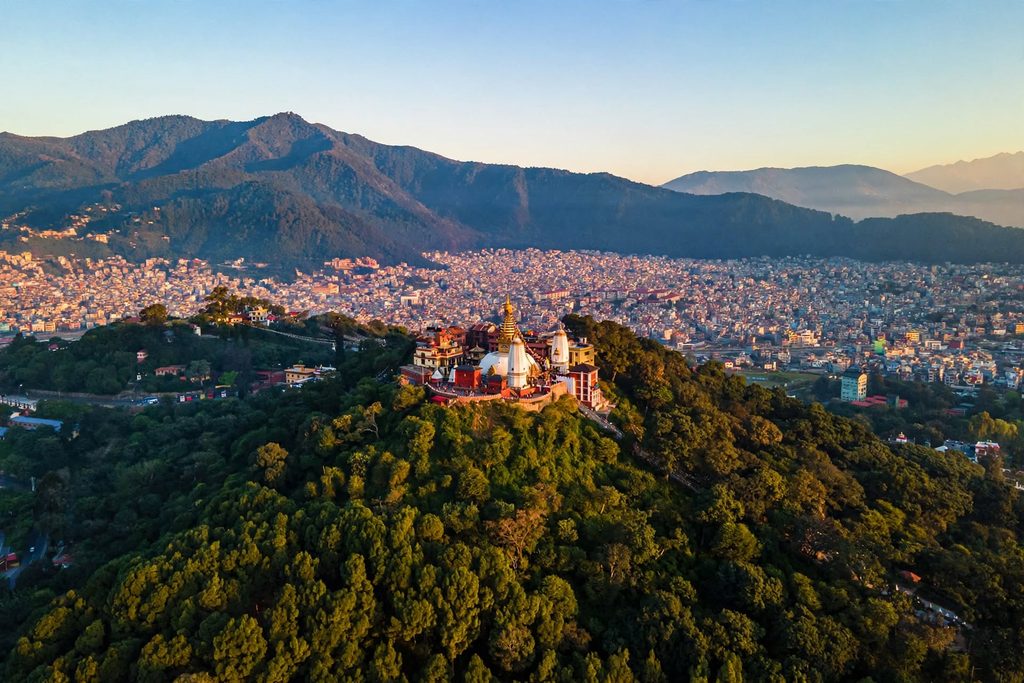
Nepal’s cultural capital is fully open and active. Historic squares, shrines, and seven UNESCO World Heritage Sites operate on regular schedules. The valley hosts major autumn festivals, creating a lively cultural atmosphere. Standard urban safety precautions apply.
Nagarkot (Bagmati Province)
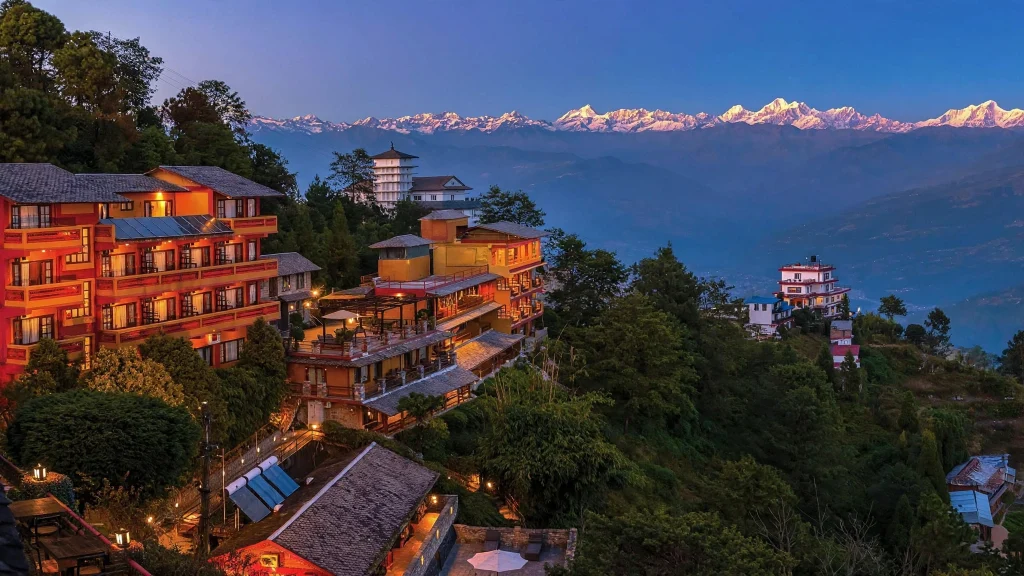
Located on the eastern rim of the Kathmandu Valley, Nagarkot offers clear morning views of the Himalayan range. Paved roads connecting Kathmandu to Nagarkot are clear and safe for short road trips and weekend getaways.
Bandipur (Gandaki Province)
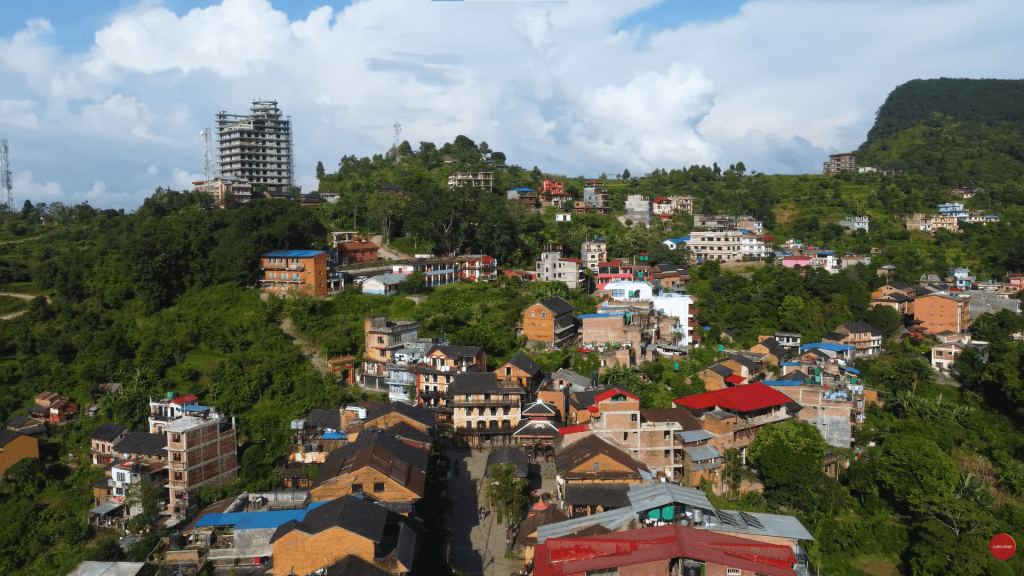
This preserved Newar hilltop settlement offers pedestrian-friendly streets, historic architecture, and clear mountain views. The access road connecting Bandipur to the main Prithvi Highway is stable and easily navigable.
Pokhara (Gandaki Province)
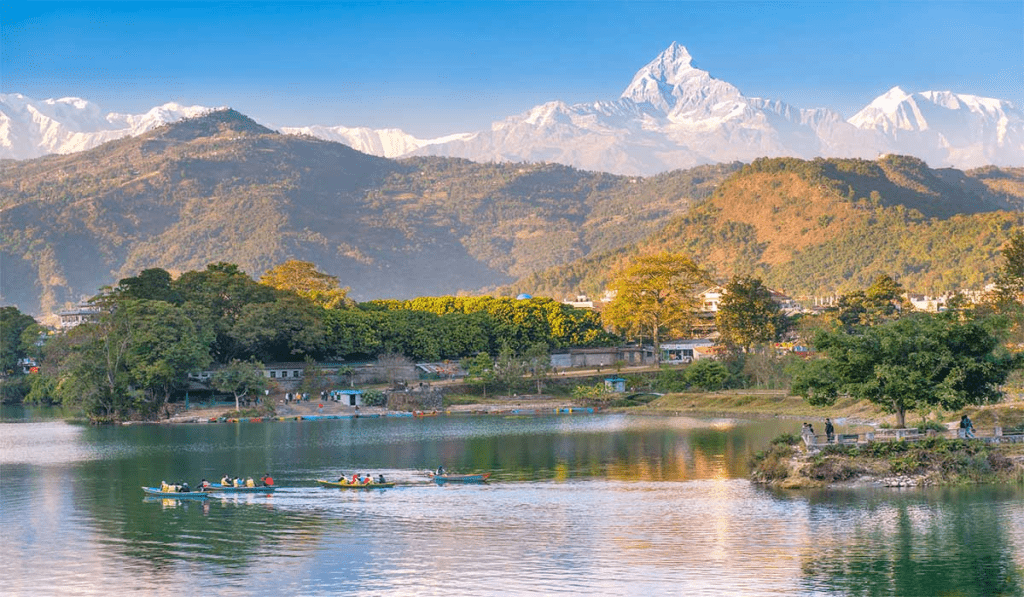
Pokhara is in prime travel condition. Lakeside restaurants, Phewa Lake boating, paragliding, and ultra-light flights run at full capacity. Domestic flights between Kathmandu and Pokhara run multiple times daily, offering an easy alternative to highway travel.
Ghorepani–Poon Hill Trek (Annapurna Region)

One of Nepal’s most popular short treks is safe and fully accessible. Trails through Ghorepani, Tadapani, and Ghandruk are clear, teahouses are open, and morning skies offer unobstructed views of Annapurna and Dhaulagiri.
Chitwan National Park (Central Terai)
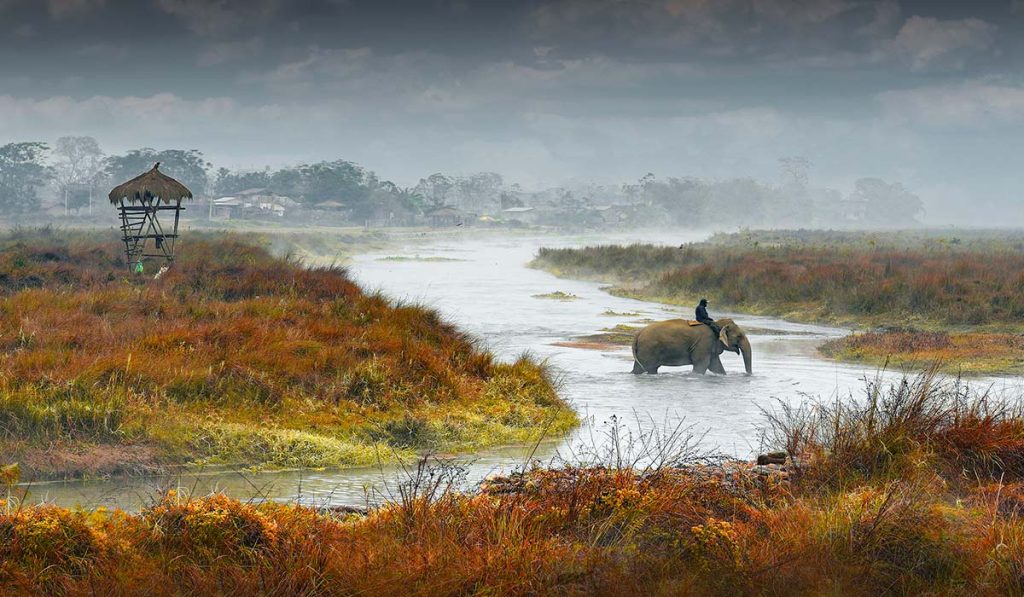
Chitwan offers excellent conditions for wildlife safaris, jungle walks, and river canoeing. Post-monsoon river levels have stabilized, making water activities safe. Overland bus routes and flight options via Bharatpur Airport are fully open.
Lumbini (Lumbini Province)
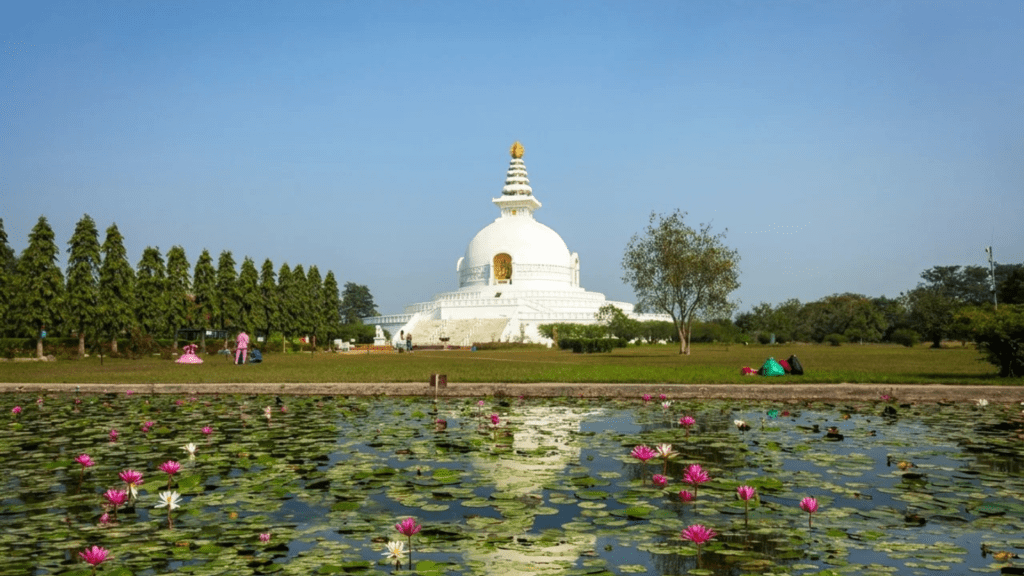
The sacred birthplace of the Buddha is peaceful, dry, and welcoming. Visitors can explore the Monastic Zone and Sacred Garden comfortably. Flight access through Gautam Buddha International Airport in Bhairahawa runs on standard autumn schedules.
Bardia National Park (Far-West Terai)
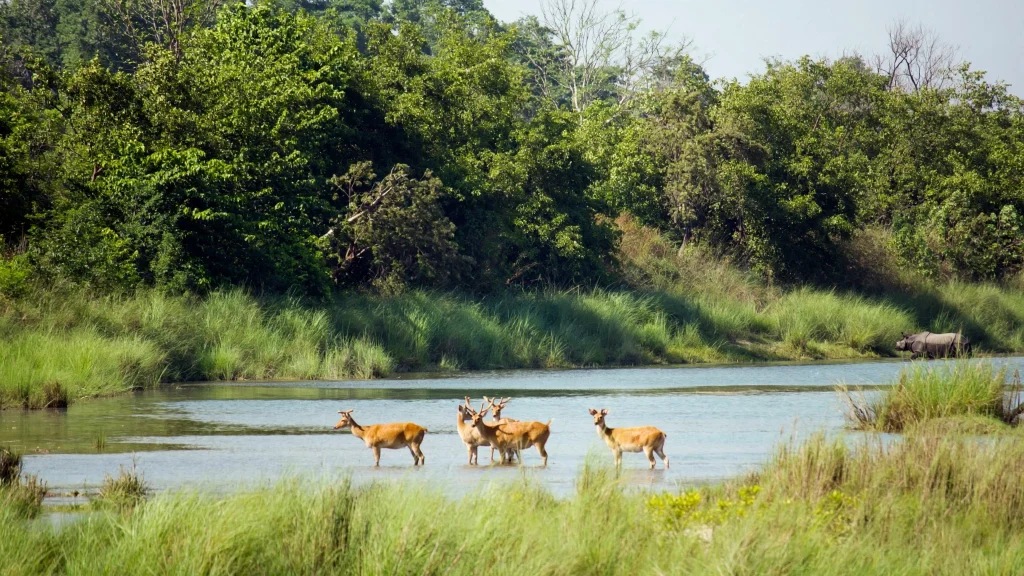
Bardia offers remote wildlife viewing in the far-western plains. Jungle safaris for spotting wild tigers, elephants, and rhinos operate smoothly. Regional roads in the far west were unaffected by central mountain landslides, making Bardia a rewarding alternative to busier central parks.
Areas Requiring Caution and Routes to Monitor
While popular tourist destinations are safe, certain high-altitude access corridors and mountain roads require extra preparation:
- Northern Border Corridors: The highway corridor through Rasuwa District leading toward Syabrubesi and the Rasuwagadhi border point suffered significant flood and landslide damage during the late monsoon. Road repair work continues, but travelers heading to the Langtang region should verify local road clearing before departure.
- Secondary Mountain Roads: Hilly stretches along the Beni-Jomsom route and segments of the Kaligandaki Corridor face temporary one-way traffic restrictions due to localized land clearing. Travelers heading into Mustang or Myagdi by road should allow extra travel time.
- Unstable Slopes: Avoid lingering under steep rock faces or damaged highway embankments along river valleys after heavy rain showers.
Health and Seasonal Safety Precautions
A safe trip to Nepal involves managing common environmental and seasonal health factors. Following standard precautions ensures a comfortable journey:
Insect Protection and Scrub Typhus
Scrub typhus, a bacterial infection transmitted by larval mites found in tall grass and vegetation, can occur in rural parts of South Asia following the wet season. To lower risk:
- Wear long pants, long-sleeved shirts, and socks when walking through overgrown rural areas or farmland.
- Apply insect repellent containing DEET or Picaridin to exposed skin and clothing.
- Avoid sitting directly on unmanaged soil or thick brush during rural hikes.
- Seek medical advice if you develop a fever, headache, or muscle aches after spending time outdoors.
Food and Water Hygiene
Gastrointestinal illness is one of the most common health issues for international travelers. Practice consistent water and food hygiene:
- Drink bottled water from sealed containers, or treat tap water using reliable filtration or purification tablets.
- Avoid tap water ice in unverified establishments.
- Eat thoroughly cooked food served hot, especially from busy restaurants with high turnover.
- Peel raw fruits and vegetables yourself before eating.
High Altitude Safety
Trekking in the Himalayas requires careful altitude management. Acute Mountain Sickness (AMS) can affect anyone ascending above 2,500 meters, regardless of fitness level:
- Ascend gradually, limiting sleep elevation increases to 300–500 meters per day above 3,000 meters.
- Schedule dedicated acclimatization rest days on longer treks.
- Stay hydrated by drinking 3 to 4 liters of water daily while hiking.
- Never ignore symptoms like persistent headaches, dizziness, nausea, or loss of balance. Descend immediately if symptoms worsen.
Practical Travel and Transport Tips
Implementing practical travel strategies minimizes stress and improves road safety across Nepal:
- Choose Tourist Bus Services Over Local Buses When traveling overland between Kathmandu, Pokhara, and Chitwan, book dedicated tourist buses or hire private vehicles. Tourist buses are better maintained, less crowded, driven by experienced long-distance drivers, and travel primarily during daylight hours.
- Consider Domestic Flights for Long Distances If road delays or highway maintenance cause concern, book domestic flights. Air routes connect Kathmandu with Pokhara, Bharatpur (Chitwan), Bhairahawa (Lumbini), Biratnagar, and Bhadrapur. Flying saves time and avoids lengthy highway detours.
- Hire Licensed Local Guides and Porters Trekking with a registered, licensed guide enhances safety, supports the local economy, and ensures compliance with national trekking regulations. Local guides provide invaluable real-time information regarding trail conditions, weather updates, and alternate routes if land shifts occur.
- Purchase Comprehensive Travel Insurance Ensure your travel insurance policy covers high-altitude trekking up to your maximum planned elevation and includes emergency medical evacuation by helicopter. Verify that your policy covers travel delays or itinerary changes caused by natural events like landslides.
- Build Buffer Days into Your Schedule Road work and mountain weather can occasionally delay highway traffic or domestic flights. Adding one or two flexible buffer days at the end of your trip prevents missed international connections.
Frequently Asked Questions
Is Nepal safe to visit in October 2026?
Yes, Nepal is safe and open for international travel. Popular tourist areas, including Kathmandu, Pokhara, Chitwan, Lumbini, and major trekking routes, operate normally.
Are major highways between Kathmandu and Pokhara open?
Yes, the Prithvi Highway connecting Kathmandu and Pokhara is open for two-way traffic. Ongoing road expansion and post-monsoon maintenance can cause minor delays, so plan for extra transit time.
Can I trek safely in the Annapurna and Everest regions?
Yes, trails in the Annapurna and Everest regions are stable, open, and clear for autumn trekkers. Teahouses along main routes offer full lodging and meal services.
What travel precautions should I take in cities?
Maintain standard urban security practices: keep valuables secure, avoid political gatherings or large demonstrations, and use registered taxis or tourist transport.
Do I need a licensed guide for trekking in Nepal?
Yes, official regulations require foreign trekkers to hire a licensed guide in most protected mountain zones and national parks. This rule improves safety and supports local mountain communities.
Final Verdict: Is Traveling to Nepal Safe Right Now?
Traveling to Nepal right now is safe, rewarding, and highly practical. The autumn season delivers clear mountain views, comfortable temperatures, and rich cultural festival experiences. Major cultural centers, wildlife reserves, and premier trekking regions welcome visitors with full services.
By staying informed about local road conditions, choosing reliable transport options, hiking with licensed guides, and following standard health precautions, you can enjoy an unforgettable journey across Nepal this autumn.


