



Chitwan National Park has lost one of its most legendary and influential wild residents. The famous bull elephant, locally known as ‘Ronaldo’, was found dead near the Bishhazari Tal area in Chitwan, Nepal. Park officials, along with veterinarians from the National Trust for Nature Conservation (NTNC), confirmed that the 53-year-old wild tusker died from accidental electrocution after biting into a 17-foot-high insulated power line connected to a local security post.
Ronaldo was not only a striking fixture of Chitwan’s tourism landscape for nearly 24 years, but also a cornerstone of Nepal’s Asian elephant conservation and breeding programs.
Who Was Ronaldo? The Story Behind Chitwan’s Wild Bull
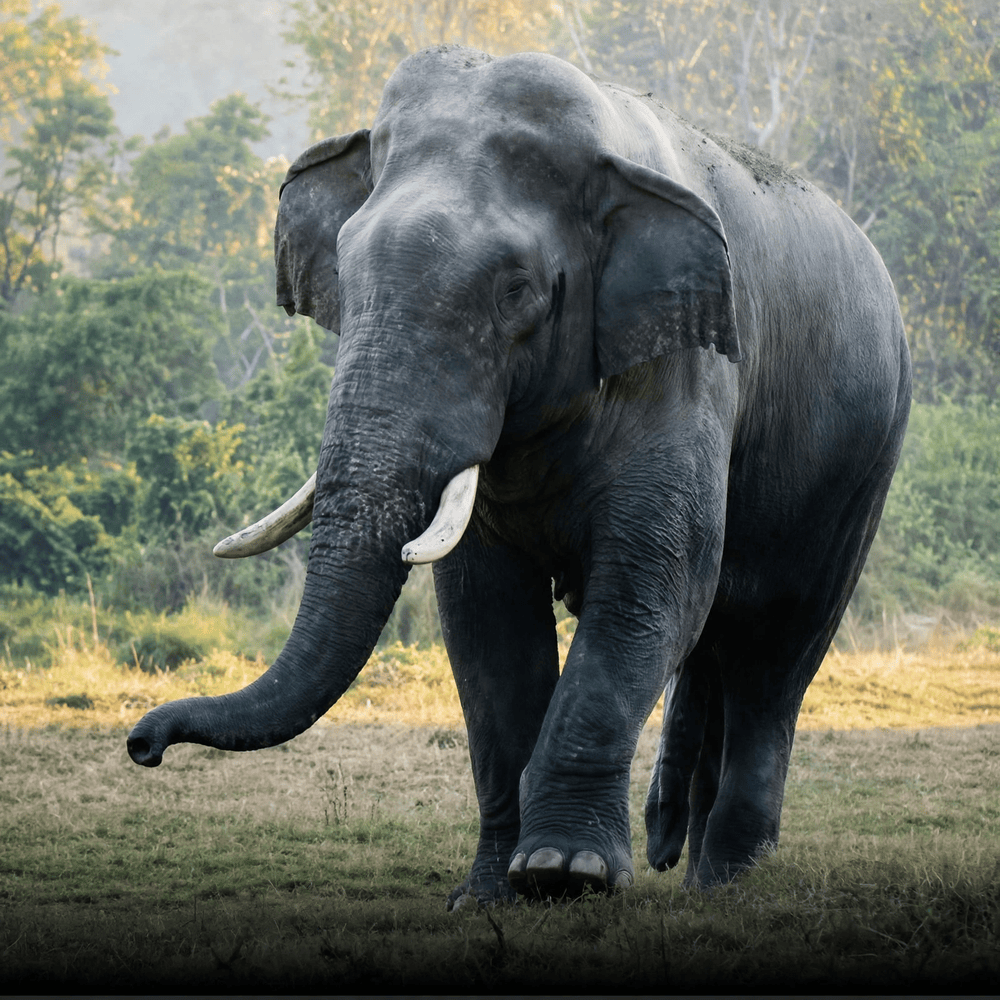
First appearing in the buffer zone of Chitwan National Park around 2002, local nature guides and conservationists nicknamed the wild bull after the legendary football star during the peak of the player’s career. The name stuck due to his remarkable agility, massive frame, and swift, dominant movements through the dense jungle.


Recognized as a prominent Asian male elephant (Elephas maximus), Ronaldo carried the physical marks of a life in the wild; including battle scars and a shortened tail lost during a fierce fight with rival bulls. While he possessed a legendary temper in his younger years, Ronaldo had become remarkably calm along safari routes near Sauraha and Khorsor in recent years. His frequent appearances made him a major highlight for tourists, photojournalists, and local guides.
Siring a Generation: Ronaldo’s Role in Elephant Conservation
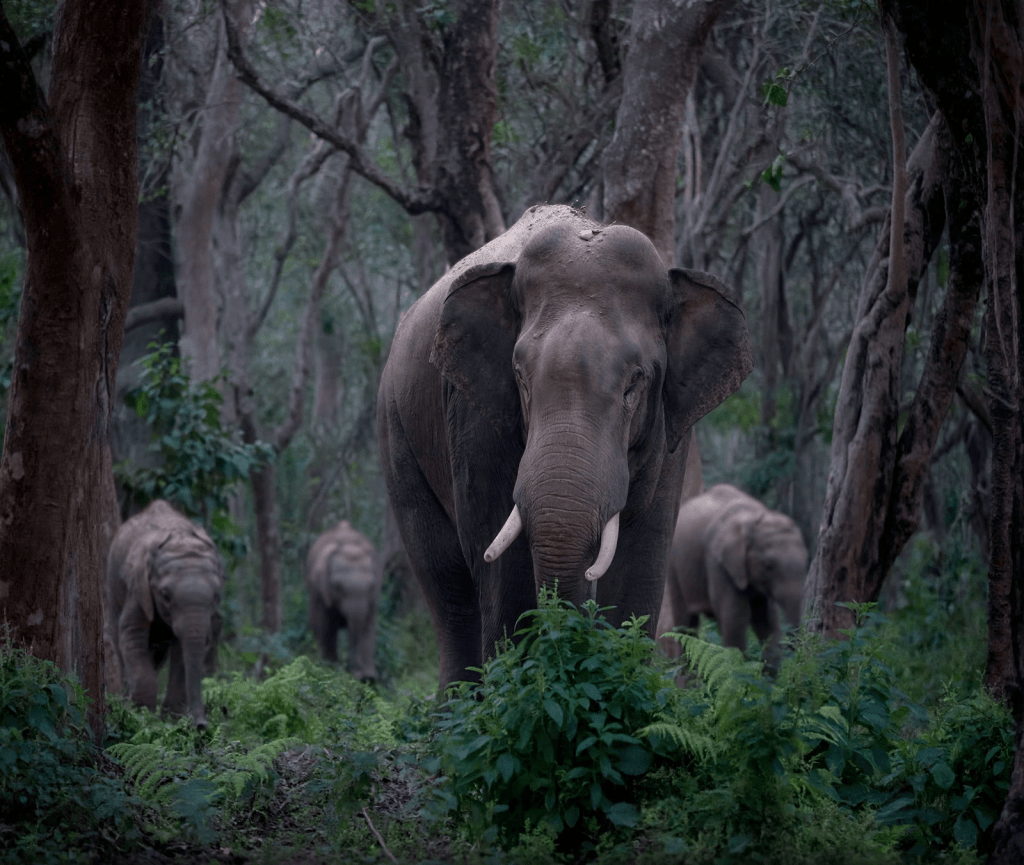
Beyond his status as a local icon, Ronaldo played a critical role in preserving genetic diversity among Nepal’s captive elephant population. For over two decades, he regularly visited the Elephant Breeding and Training Centre in Khorsor, Sauraha, establishing himself as the dominant wild stud.
According to records from the breeding centre:
- 33 to 38 Calves Sired: Out of roughly 69 to 71 calves born at the Sauraha facility, Ronaldo fathered an estimated 33 to 38 offspring; accounting for nearly half of the center’s total births.
- Future Legacy: Park officials noted that at least six female elephants at the breeding center are currently pregnant with his offspring, ensuring his genetic influence continues.
His presence helped maintain a healthy genetic mix within Nepal’s managed elephant network, making his loss significant for conservationists.
The Investigation and Conservation Concerns
Following his discovery along the Khageri canal route near Bishhazari Tal, park authorities recovered Ronaldo’s tusks and buried the carcass on site in accordance with official procedures. Preliminary findings revealed electric wire burns in his mouth, pointing to an accidental bite on an overhead power line running roughly 17 feet high.
The tragic loss of such a prominent wild animal has sparked renewed discussions among park management, army authorities, and wildlife experts regarding the safety of electrical infrastructure inside wildlife corridors and protected buffer zones.
Frequently Asked Questions
Who was Ronaldo the elephant in Chitwan National Park?
Ronaldo was a famous 53-year-old wild male Asian elephant (Elephas maximus) in Chitwan National Park, Nepal, known for his dominant presence in Sauraha and his primary role in siring captive elephant calves.
How did Ronaldo the elephant die?
Park authorities confirmed that Ronaldo died from accidental electrocution on Friday night after coming into contact with an electrical line near the Bishhazari Tal buffer zone.
How many calves did Ronaldo sire in Chitwan?
Ronaldo fathered between 33 and 38 calves at the Elephant Breeding and Training Centre in Khorsor, Sauraha, with six more calves expected soon.


