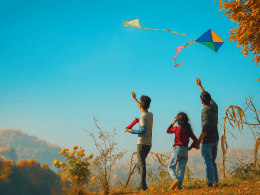



Saune Sankranti marks one of Nepal’s most meaningful seasonal transitions. It signals the sun’s shift into Dakshinayan, its southward journey. Additionally, it opens the sacred month of Shrawan. Families gather for rituals, feasts, and purification ceremonies. This guide covers everything you need to know about Saune Sankranti. From ancient meanings to modern-day customs, here’s the full picture.
What Is Saune Sankranti?
Saune Sankranti falls on the first day of Shrawan, the fourth month in Nepal’s solar calendar. Astronomically, it marks the sun’s entry into Cancer, moving from Gemini. This shift is also called Karka Sankranti, since “Karka” refers to Cancer. In 2026, Saune Sankranti falls on Thursday, July 16. Beyond astronomy, the day carries deep cultural weight. It represents renewal, cleansing, and devotion, all rolled into one festival.
The timing of Saune Sankranti connects closely to Nepal’s agricultural calendar. By this point, farmers have spent the entire month of Asar planting rice. Their fields are muddy, their hands are tired, and monsoon rains are in full swing. Naturally, this makes Saune Sankranti feel like a well-earned pause. It offers a moment to rest, reflect, and reconnect with family. At the same time, it prepares communities spiritually for the demanding months still ahead.


The Sun’s Southward Journey: Understanding Dakshinayan
According to Hindu philosophy, the sun moves in two grand cycles each year. Uttarayan represents its northward journey, while Dakshinayan marks the southward one. Saune Sankranti begins this southward phase, which continues until Makar Sankranti. That transition typically falls around mid-January, on Magh 1. During Dakshinayan, daylight hours gradually shorten across the Northern Hemisphere. Traditionally, this period is also linked to ancestral worship and reflection. As a result, Saune Sankranti sets a spiritually reflective tone for the months ahead.
Interestingly, Hindu belief also connects this period to Devshayani Ekadashi, which falls close to the same time. According to tradition, Lord Vishnu enters a four-month sleep during this period. Certain auspicious ceremonies, including weddings, are traditionally paused until he wakes. This belief adds another spiritual layer to the Dakshinayan transition. It reinforces the idea that Saune Sankranti begins a period of quiet, inward devotion rather than celebration alone.
Luto Falne: Casting Away Skin Disease
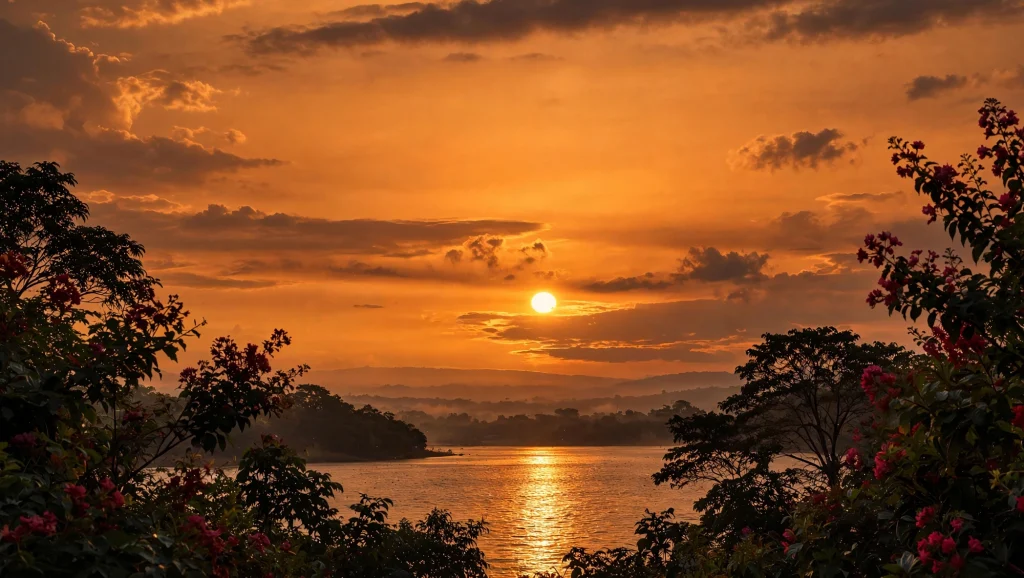
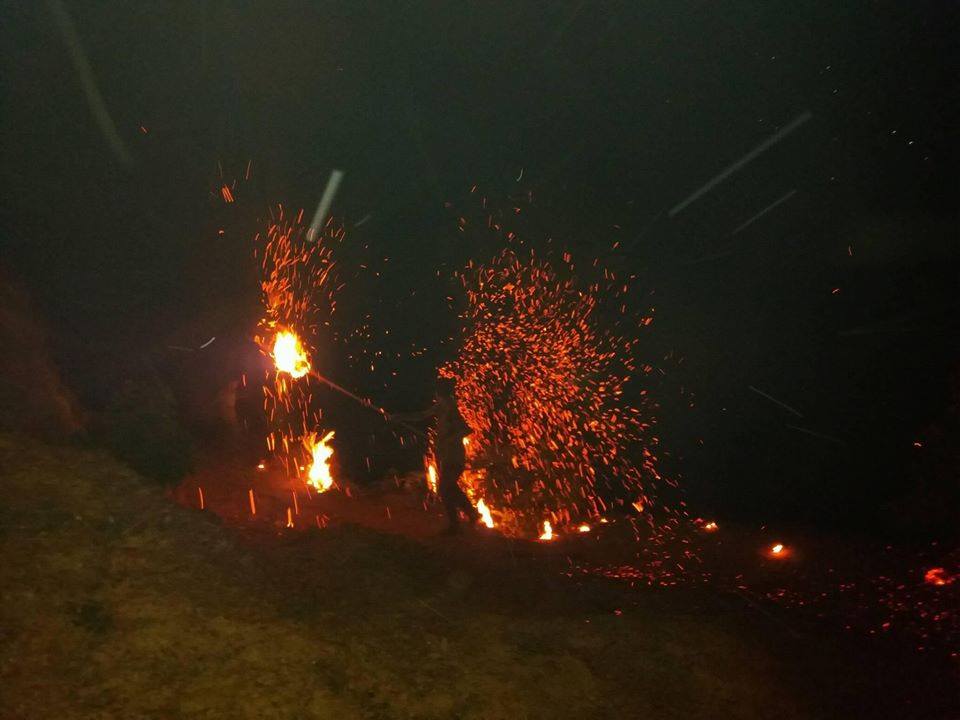
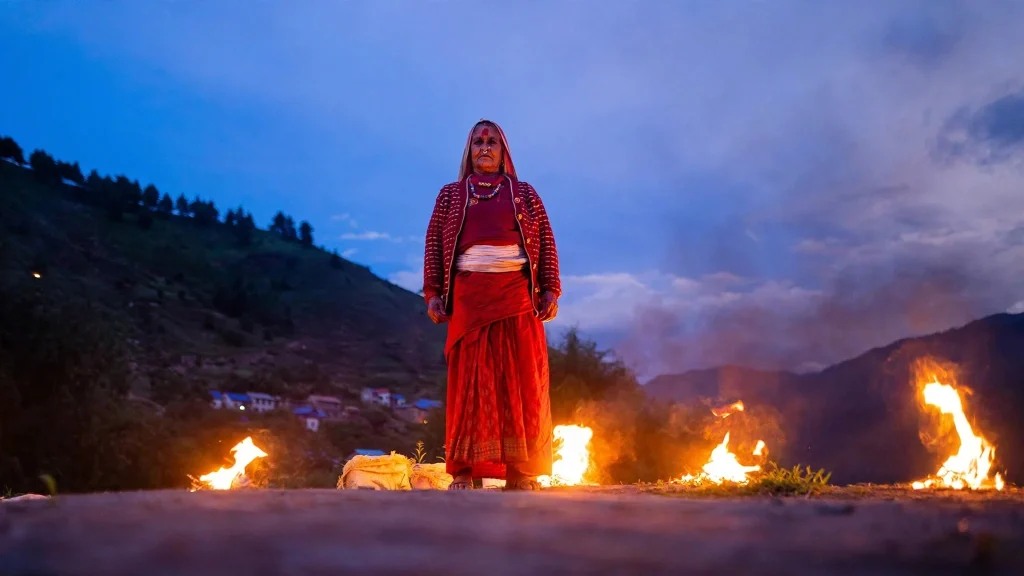
One of the most distinctive Saune Sankranti traditions is Luto Falne. Literally, this phrase means “throwing away scabies” or skin ailments. The custom stems from practical village life. After a full month of monsoon farming, many people develop skin infections. Constant exposure to mud and water often triggers rashes, itching, and sores. Therefore, communities developed a symbolic ritual to banish these ailments together. As dusk falls, families gather bundles of medicinal plants and dry twigs. They set these bundles alight, creating small torches or bonfires. Then, they throw the burning bundles outward in different directions. This act symbolically expels skin disease and negative energy from the household. Throughout the ritual, people also beat nanglo, or large bamboo winnowing plates. The loud noise is believed to drive away Kandarak, the deity associated with skin ailments.
This ritual usually happens right at sunset, when light and dark meet. Many families see this transition moment as spiritually powerful. Elders often lead the chanting, while younger family members carry the torches. Children, in particular, enjoy the excitement of throwing burning bundles outward. Beyond its symbolic meaning, the ritual also has a practical cleansing effect. Smoke from certain medicinal plants is believed to naturally repel insects and pests. This makes Luto Falne both a spiritual practice and a form of traditional home care.
Which Plants Are Used in the Ritual?
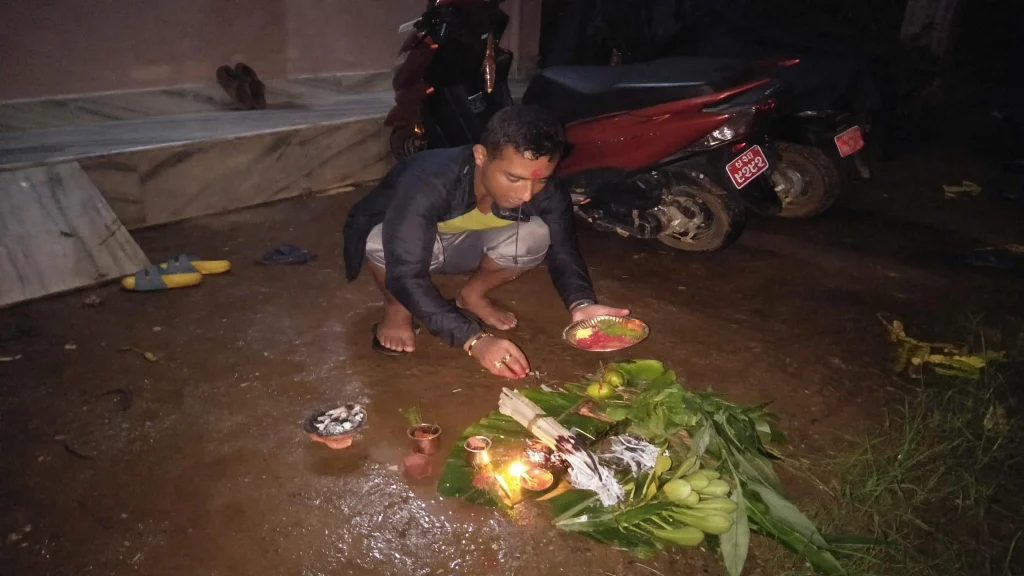
The Luto Falne ceremony relies on specific medicinal plants passed down through generations. Common choices include kagbhalaayo, kukurdaino, and lutejhar, all valued for their cleansing properties. Additionally, families often add pani amala, lemon, guava, and pear branches. Each plant carries its own symbolic or medicinal significance in local tradition. Together, they form the torches thrown outward during the evening ritual. This blend of folk medicine and spiritual belief makes Luto Falne genuinely unique. Few festivals combine practical health wisdom with symbolic celebration so directly.
Jumla’s Unique Celebration of Luto Falne Din
While Luto Falne is observed across Nepal, the Jumla district celebrates it with extra flair. Locals simply call the occasion Luto Falne Din, which literally means “the Day of Casting Away Scabies.” Villages transform into lively hubs of fire, music, and dance. Residents prepare bundles of pine leaves, hay, and twigs for rooftop fires. This regional version blends spiritual cleansing with genuine community celebration. Consequently, Jumla offers one of Nepal’s most vibrant Saune Sankranti experiences. Travelers interested in authentic cultural festivals often seek out this specific region during Shrawan.
Shrawan: The Sacred Month of Lord Shiva
Saune Sankranti also opens Shrawan, widely considered Lord Shiva’s most sacred month. Throughout this period, devotees intensify their worship and devotional practices. Temples dedicated to Shiva see significantly higher visitor numbers during Shrawan. Many devotees observe fasts, seeking blessings for health, wellness, and fertility. This spiritual focus continues for the entire lunar month. Therefore, Saune Sankranti effectively kicks off weeks of heightened religious observance nationwide.
Pashupatinath Temple in Kathmandu becomes especially busy throughout Shrawan. Thousands of devotees visit daily, offering water, milk, and bel leaves to the Shiva lingam. Similarly, smaller Shiva temples across Nepal see steady streams of worshippers each morning. Many devotees believe that prayers offered during Shrawan carry extra spiritual weight. This belief draws even occasional worshippers back into regular temple visits during the month.
Why Mondays Hold Special Significance
Within Shrawan, Mondays carry particular spiritual weight. Hindus traditionally associate Monday, or Sombar, with Lord Shiva specifically. As a result, many devotees fast every Monday throughout the month. Fasting typically involves eating simple, sattvic foods and avoiding grains. Some devotees also visit Shiva temples specifically on these Mondays. This practice, known as Shrawan Sombar Vrat, is believed to bring prosperity and protection. Unmarried women often observe this fast too, hoping for a good future spouse.
Sacred River Baths and Purification
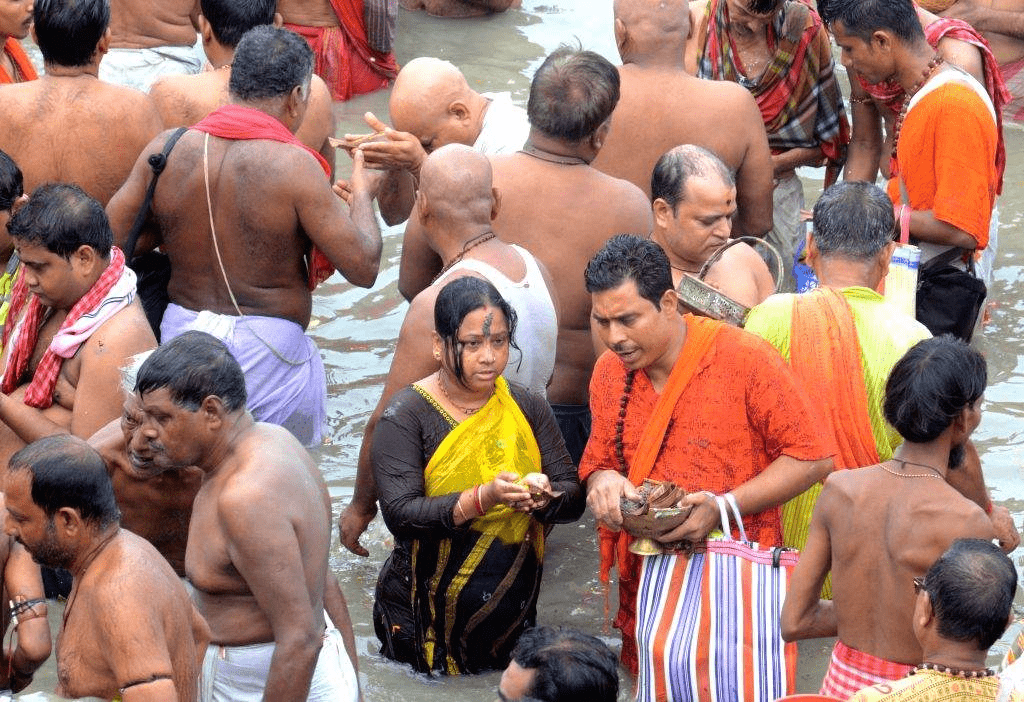
Ritual bathing plays a major role in Saune Sankranti observances. Devotees visit rivers considered holy, seeking spiritual and physical purification. This practice ties directly into the festival’s cleansing theme. Just as Luto Falne expels skin ailments, river baths cleanse the spirit. Many people combine their bath with prayers or small offerings. Afterward, they often visit nearby temples to continue their devotions. This combination of water and worship reflects Hinduism’s broader emphasis on purity.
Popular bathing sites include the Bagmati River in Kathmandu and various river confluences across Nepal. Devotees often arrive early morning, before the day’s heat sets in. Some perform brief rituals riverside, offering flowers or lighting small lamps. Others simply take a quick dip before continuing with their day. Regardless of scale, the underlying intention remains the same. Water washes away impurity, preparing both body and spirit for the sacred month ahead.
Women’s Traditions: Green Attire, Bangles, and Mehendi
Shrawan brings distinctive visual traditions, especially among women. Many wear green and yellow clothing throughout the month. Green symbolizes fertility, prosperity, and the lush arrival of monsoon season. Glass bangles, often in matching colors, complete the traditional look. Additionally, many women apply mehendi, or henna, to their hands during this period. These customs connect closely to Shiva worship and hopes for marital happiness. Married women often pray for their husband’s long life during Shrawan rituals.
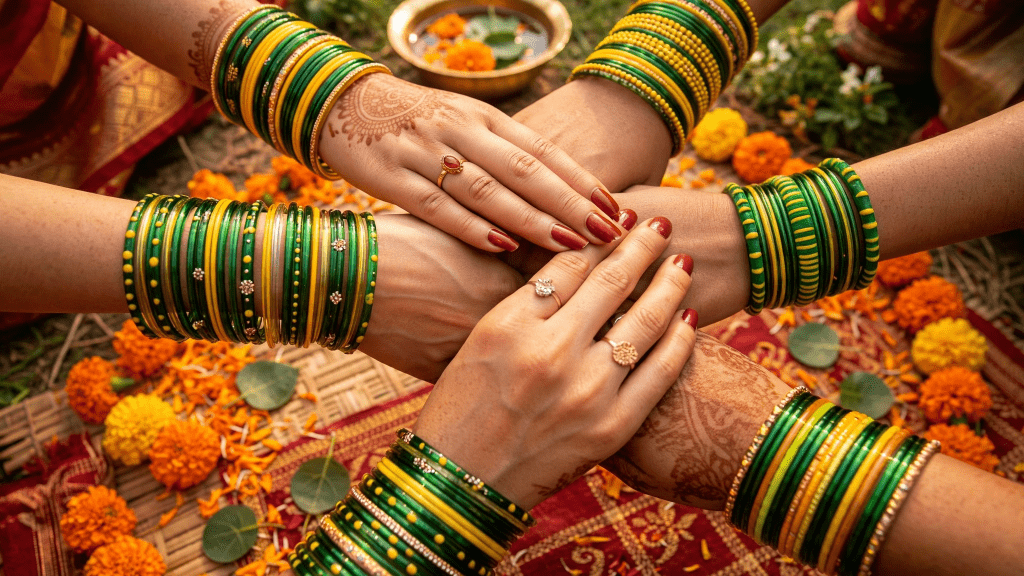
This visual tradition builds momentum toward Teej, a major festival celebrated later in the month. During Teej, women fast, dance, and gather in large groups wearing red and green saris. Saune Sankranti effectively marks the beginning of this festive buildup. As the month progresses, markets fill with bangles, mehendi cones, and vibrant fabrics. This growing energy makes Shrawan feel especially lively for women across Nepal.
Seasonal Foods Around Saune Sankranti
Saune Sankranti doesn’t have one single signature dish the way some other Nepali festivals do. Instead, it sits within a stretch of the calendar rich with food-based observances. Just weeks earlier, on Asar 15, families mark Dahi Chiura Khane Din. They eat curd mixed with beaten rice, celebrating the rice-planting season. This dish is cooling and easy to prepare, ideal for exhausted farmers. On Saune Sankranti itself, meals tend to stay simple and vegetarian. Many households also welcome married daughters home, serving them a warm, comforting meal.
Regional Variations Across Nepal
While core traditions remain consistent, regional differences add rich variety. In Dolpa, located in Nepal’s remote Karnali region, customs take on unique local flavors. Communities there blend Saune Sankranti with distinct highland practices and beliefs. Similarly, Jumla’s elaborate fire celebrations stand apart from more subdued observances elsewhere. In the Kathmandu Valley, meanwhile, the focus often shifts toward temple visits and family feasts rather than large fire rituals. Terai communities, in Nepal’s southern plains, sometimes blend Saune Sankranti customs with neighboring Indian traditions tied to Karka Sankranti. These regional differences highlight Nepal’s remarkable cultural diversity. Even within a single festival, geography and ethnicity shape how traditions unfold.
When Does Saune Sankranti Fall in 2026?
Saune Sankranti will be observed on Thursday, July 16, 2026. This date corresponds to Shrawan 1 in the Nepali calendar. Since it follows the solar calendar, the Gregorian date shifts only slightly each year. Typically, it falls in mid-July, aligning with monsoon season’s peak. Families across Nepal begin preparing days in advance for the evening rituals.
Final Thoughts on Saune Sankranti
Saune Sankranti beautifully blends astronomy, spirituality, and practical village wisdom. From the fiery Luto Falne ritual to the comforting ghiu-chaku-tarul feast, every tradition carries meaning. The festival marks the sun’s shift into Dakshinayan while opening Shiva’s sacred month. Across Nepal, families gather to cleanse, celebrate, and strengthen their community bonds. Whether you witness Jumla’s fiery celebrations or a quiet riverside bath, Saune Sankranti offers genuine cultural insight. Understanding these customs helps travelers and locals alike appreciate Nepal’s living traditions.
Frequently Asked Questions
What is Saune Sankranti also known as?
It’s also called Karka Sankranti, since it marks the sun’s entry into Cancer, known as Karka in Sanskrit.
When is Saune Sankranti in 2026?
Saune Sankranti falls on Thursday, July 16, 2026, marking the first day of Shrawan in the Nepali calendar.
What is Luto Falne?
Luto Falne is a ritual where families burn bundles of medicinal plants and throw them outward to symbolically cast away skin disease.
Why is Shrawan dedicated to Lord Shiva?
Hindu tradition considers Shrawan Lord Shiva’s most sacred month. Devotees fast, visit temples, and worship intensely throughout this period.
Why do Nepali women wear green during Shrawan?
Green symbolizes fertility and prosperity during monsoon season. Many women also wear bangles and apply mehendi as part of the tradition.
What foods are eaten around Saune Sankranti?
Meals stay simple and vegetarian on the day itself. Nearby food traditions include dahi chiura on Asar 15 and kheer on Shrawan 15.
It’s a traditional feast of ghee, molasses, and yam. Families eat it for energy and immunity ahead of intense monsoon farming work.
Why are Mondays important during Shrawan?
Mondays, or Sombar, are associated with Lord Shiva. Many devotees fast and visit temples specifically on these days for blessings.
Is Saune Sankranti celebrated the same way across Nepal?
No, celebrations vary by region. Jumla, for example, hosts elaborate fire and dance festivities not seen in other parts of the country.