


Buddha’s face has traveled far beyond his birthplace in Nepal. Over centuries, his image crossed mountains, deserts, and oceans. Along the way, local artists reshaped his features entirely. As a result, Buddha looks different in nearly every country that embraced him. This article explores ten distinct styles across Asia. Each reflects unique history, culture, and spiritual emphasis.
Why Buddha Looks Different Across Asia
Buddhism spread through trade routes, royal courts, and missionary journeys. Consequently, it absorbed local aesthetics wherever it landed. In Theravada regions like Sri Lanka and Thailand, artists emphasized the historical Buddha directly. Meanwhile, Mahayana traditions in China, Japan, and Korea expanded the pantheon further. Vajrayana regions, including Tibet and Bhutan, added dramatic ornamentation and symbolism. Therefore, no single “correct” Buddha image truly exists. Instead, each culture translated the same core teachings into its own visual language.
1. India: Where Buddhist Art Began
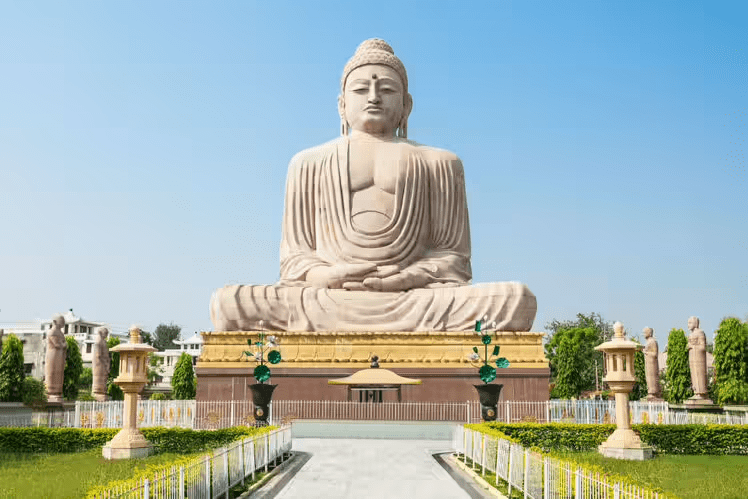
India gave the world its first human-shaped Buddha images. Two major schools emerged around the same era. The Gandhara school blended Greek and Indian influences, producing wavy hair and flowing, toga-like robes. Meanwhile, the Mathura school favored red sandstone and distinctly Indian facial features. Both styles introduced key symbols still used today. These include the ushnisha, a cranial bump representing wisdom. They also include elongated earlobes, symbolizing his abandoned royal jewelry. Indian Buddha statues generally emphasize serenity and quiet realism above all else.
2. Nepal: Graceful Newar Craftsmanship
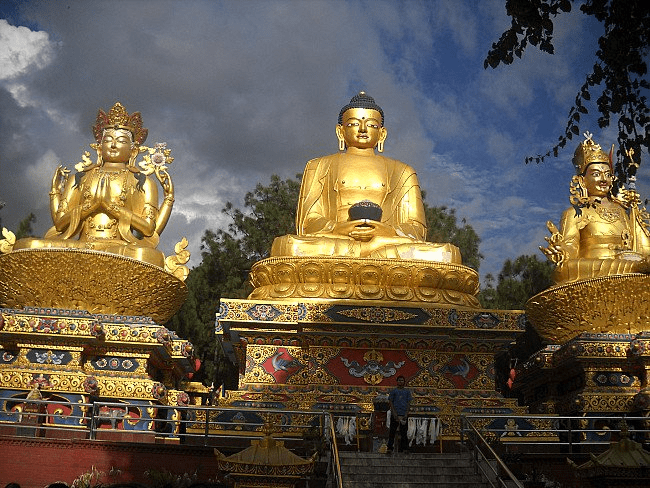
Nepal holds a special place in Buddhist history. After all, Siddhartha Gautama was born in Lumbini, within modern Nepal. The Kathmandu Valley later became famous for Newar metalwork. Newar artisans specialize in gilt copper repoussé, a technique using hammered, gilded sheets. Their Buddha figures show elegant proportions and graceful, flowing forms. Eyes are often downcast, suggesting deep introspection rather than direct engagement. This restrained, meditative expression sets Nepali work apart from bolder regional styles.
3. Sri Lanka: Stillness and Meditation
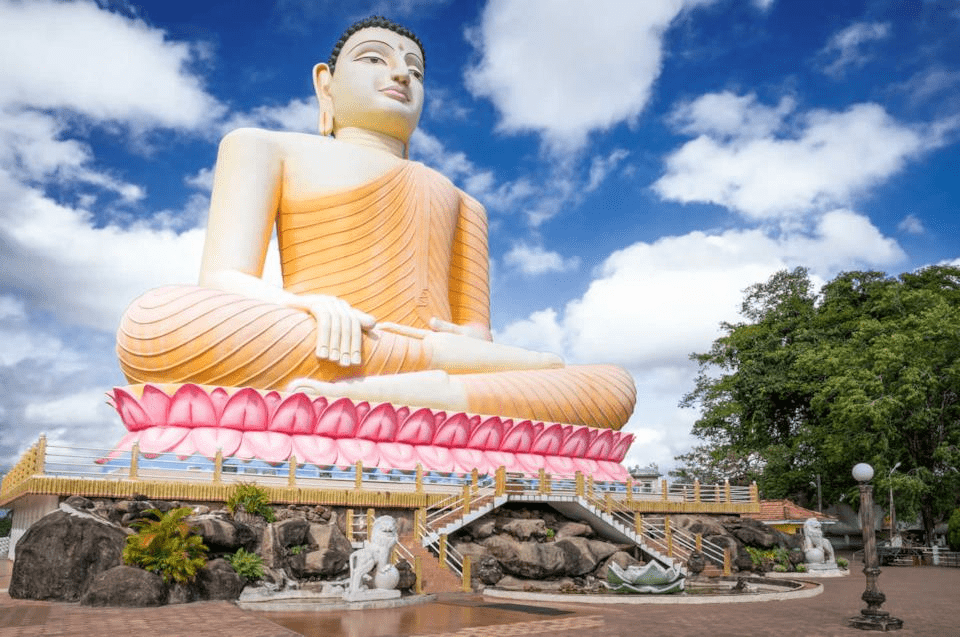
Sri Lankan Buddhist art centers almost entirely on meditation and mindfulness. The Samadhi Buddha at Anuradhapura captures this perfectly. It shows Buddha seated in deep, motionless concentration. Similarly, the Aukana Buddha stands as one of the island’s tallest ancient statues. At Polonnaruwa, the Gal Vihara features a reclining Buddha carved from solid rock, stretching about 15 meters long. Sri Lankan sculptures generally avoid heavy ornamentation. Instead, they favor purity, restraint, and quiet spiritual calm.
4. Thailand: Flowing Elegance and Unique Poses
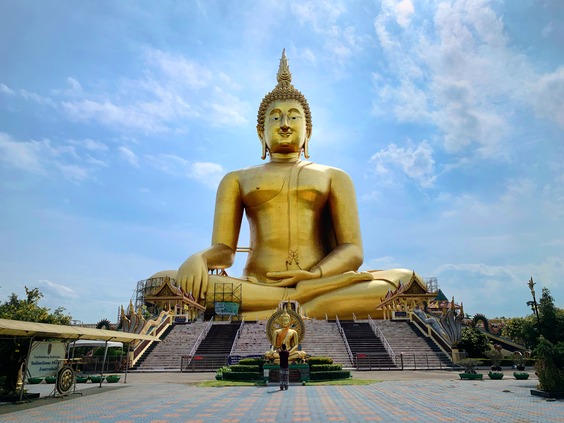
Thai Buddhist art is instantly recognizable for its elegance. During the Sukhothai period, artists developed slender, fluid body proportions. They also introduced the walking Buddha, a pose unique to Thai tradition. Faces typically appear oval, with gentle downcast eyes and a soft smile. A distinctive flame-shaped finial often crowns the head. Later, during the Ayutthaya period, styles grew more elaborate. Statues began featuring jeweled crowns and richly gilded, ornate robes. Today, Wat Pho’s giant reclining Buddha remains one of Thailand’s most iconic images.
5. Myanmar: Warmth and Roundness
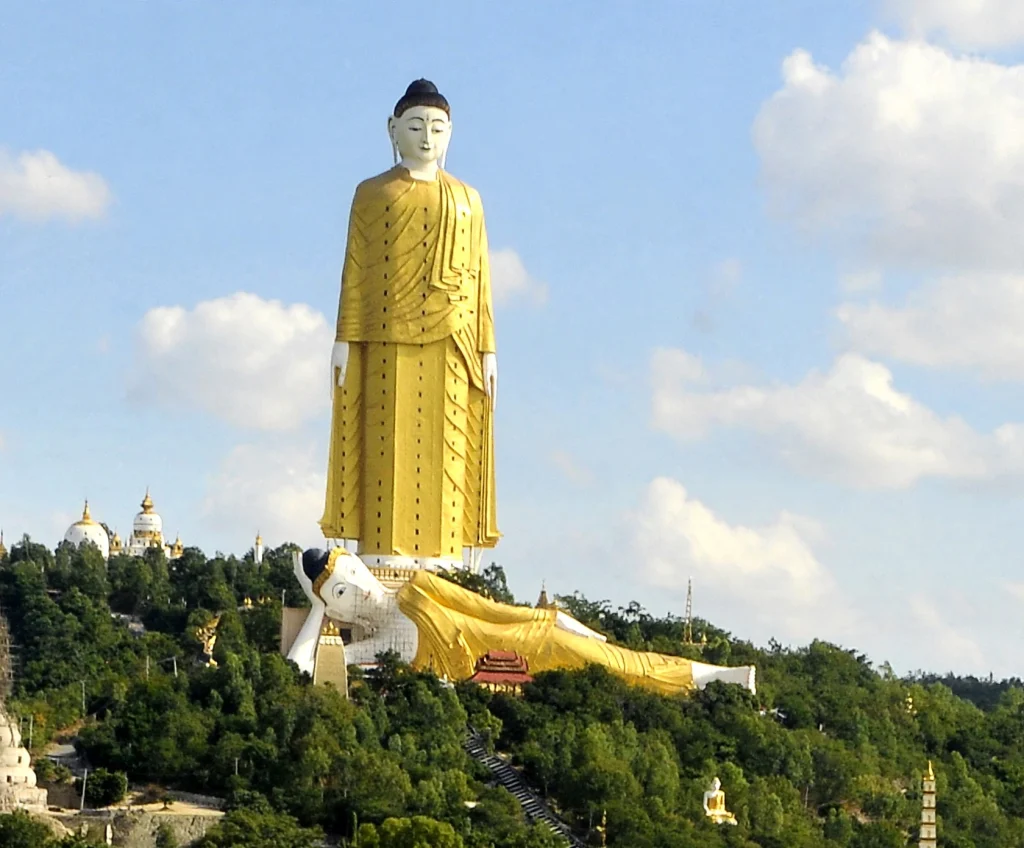
Myanmar, also known as Burma, developed several distinctive regional styles over time. The Mandalay style, which emerged in the late 18th century, remains most popular today. It features a fuller, more natural face with softly slanted eyebrows. Lips appear thicker, and the hair forms a rounded bun at the crown. Robes flow loosely, draped in graceful, natural folds. In contrast, the Shan style favors sharper, angular features. Regardless of style, Burmese Buddhas often appear warm and approachable, avoiding overly rigid geometry.
6. Cambodia: Serenity Carved in Stone
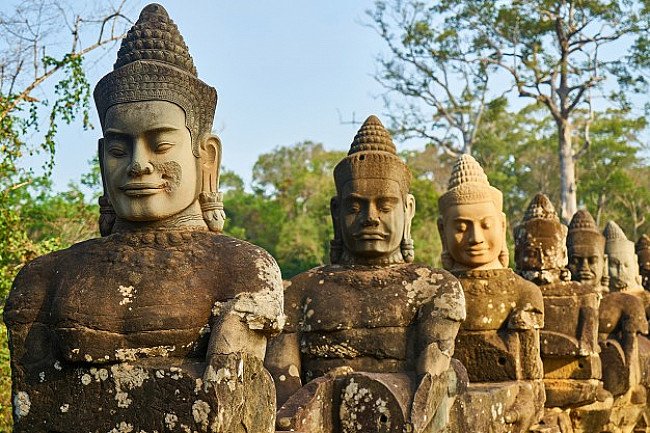
Cambodia’s Khmer Empire produced some of Asia’s most spiritually expressive Buddhist art. King Jayavarman VII, a devoted Buddhist ruler, transformed Angkor Thom’s architecture entirely. The Bayon temple features massive stone towers carved with serene, smiling faces. These faces radiate calm through simple, spare features rather than intricate detail. Khmer artists also developed the naga-protected Buddha, seated beneath a multi-headed cobra hood. This imagery blends indigenous mythology with core Buddhist symbolism beautifully.
7. China: Monumental Scale and Local Fusion
Chinese Buddhist art often favors grandeur and elaborate decorative detail. The Leshan Giant Buddha demonstrates this ambition perfectly. Carved directly into a cliff face during the Tang dynasty, it stands 71 meters tall. Construction lasted from 713 to 803, making it the world’s tallest stone Buddha. Interestingly, some early Chinese Buddhas wore Confucian-style ceremonial robes. This choice helped local audiences connect Buddhism to familiar cultural values. Overall, Chinese statues tend toward fuller faces, expressive eyes, and harmonious, balanced proportions.
8. Japan: Simplicity Meets Serenity
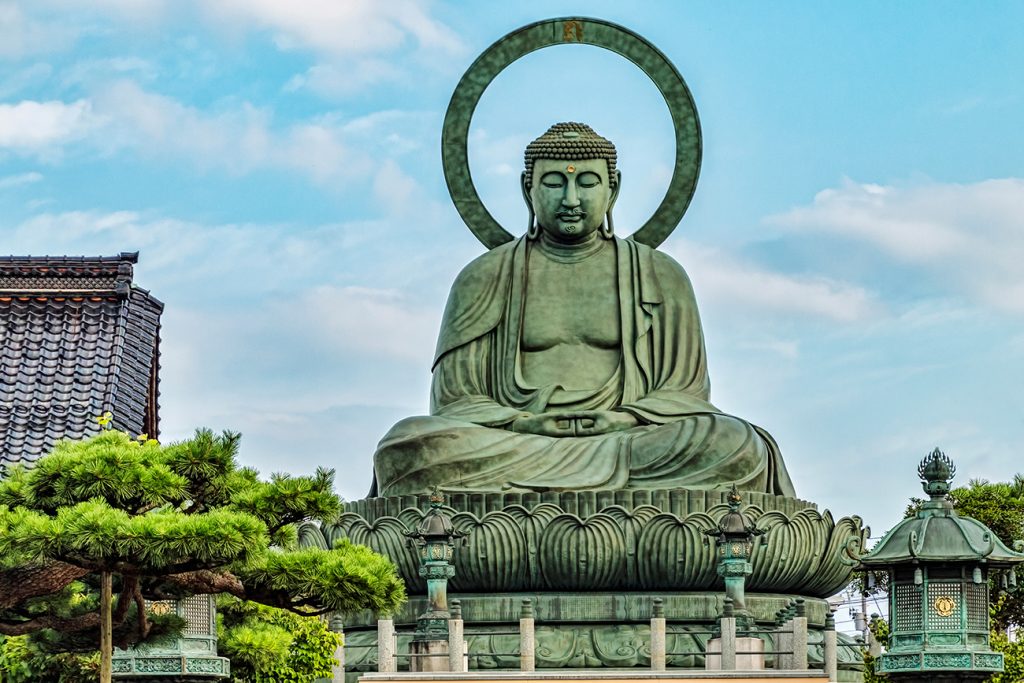
Japanese Buddhist art often reflects Zen Buddhism’s love of quiet simplicity. The Great Buddha of Kamakura exemplifies this beautifully. Cast in bronze in 1252, it depicts Amitabha with closed, meditative eyes. The statue survived centuries outdoors, even after a 15th-century tsunami destroyed its original housing temple. Beyond bronze casting, Japanese artisans also excel in carved wood and lacquer techniques. Faces generally appear calm and understated, emphasizing quiet stillness over dramatic expression.
9. South Korea: Radiant Tang-Influenced Grace
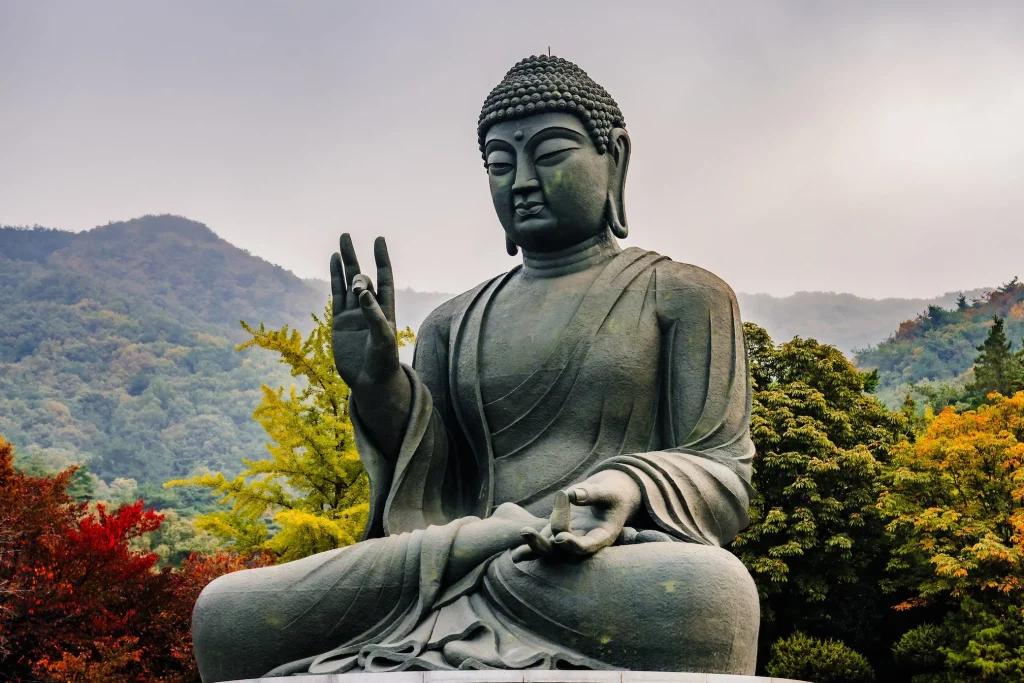
Korea’s Seokguram Grotto stands among Asia’s most celebrated Buddhist artworks. Built during the Unified Silla period in the 8th century, it’s now a UNESCO World Heritage Site. Carved from granite, the seated Buddha sits inside an artificial cave shaped like a cosmic dome. Its full, rounded face reflects Tang dynasty influence from neighboring China. A gentle smile and balanced proportions create a deeply peaceful expression. Many consider it one of the finest Buddhist sculptures ever created.
10. Bhutan: Vajrayana Grandeur
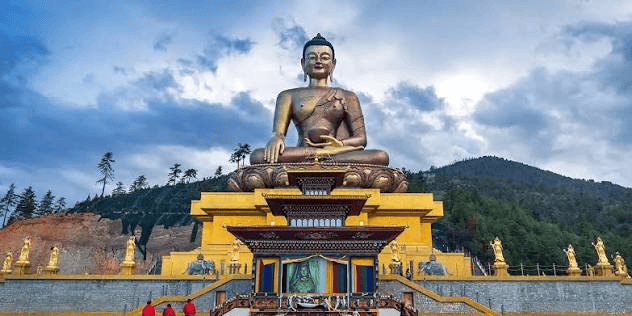
Bhutan’s Buddhist art reflects its strong Vajrayana Himalayan traditions. The Buddha Dordenma statue in Thimphu shows this dramatically. Standing 51.5 meters tall, it’s cast entirely in bronze and gilded in gold. Built to honor the fourth king’s 60th birthday, it now houses around 100,000 smaller Buddha statues inside. Bhutanese and broader Himalayan art often includes rich ornamentation. Crowns, jewelry, and symbolic tools frequently appear on Buddhist figures here. This reflects Vajrayana’s emphasis on transformation, power, and layered spiritual symbolism.
What These Differences Really Mean
Across all ten countries, one truth remains constant. Buddha looks different everywhere, yet his core teachings stay unchanged. Facial expressions, robes, and postures simply translate wisdom into local visual language. A calm Sri Lankan meditation pose and an ornate Bhutanese golden statue share the same root. Both express awakening, compassion, and inner peace, just through different artistic lenses. Understanding these variations deepens appreciation for Buddhist art worldwide.
Final Thoughts on Why Buddha Looks Different in Asia
Ultimately, Buddha’s changing appearance tells a fascinating story of cultural exchange. From Gandhara’s Greek influence to Bhutan’s golden grandeur, each style carries meaning. Buddha looks different in every country because art always reflects its people. Yet across India, Nepal, Sri Lanka, Thailand, Myanmar, Cambodia, China, Japan, Korea, and Bhutan, one message endures. Compassion, wisdom, and peace remain universal, regardless of the face that represents them.
Frequently Asked Questions
Why does Buddha look different in various Asian countries?
Buddhism adapted to local cultures, materials, and artistic traditions. Each region translated core teachings into its own unique visual style.
Which country has the tallest Buddha statue?
China’s Leshan Giant Buddha stands 71 meters tall, carved directly into a cliff face during the Tang dynasty.
What makes Thai Buddha statues unique?
Thai statues feature slender bodies, oval faces, and a distinctive flame-shaped finial. Thailand also created the unique walking Buddha pose.
Why do some Buddha statues wear crowns and jewelry?
Crowned figures usually represent bodhisattvas, not Buddhas themselves. Jewelry symbolizes their compassionate vow to remain engaged with the world.
What is special about Bhutan’s Buddha Dordenma?
This 51.5-meter bronze statue in Thimphu contains around 100,000 smaller Buddha figures. It was built to honor the fourth king’s birthday.
How old is the Great Buddha of Kamakura in Japan?
This bronze statue was cast in 1252. It has survived outdoors for centuries, including a destructive 15th-century tsunami.
Is there one “correct” way Buddha should look?
No single correct appearance exists. Each country’s style reflects its own culture, while preserving Buddhism’s core spiritual teachings.