



The smell hits you before anything else does. Frying dough, cumin smoke, and a faint sweetness from somewhere you can’t immediately place. You’re standing at the edge of Asan Bazaar in Kathmandu at around 5pm, and suddenly every sense you have is completely occupied. A woman in a red sari is ladling something spiced into a paper cone. Three teenagers are arguing over the last plate of momos at a folding table wedged between two motorcycles. Nepali street food is not a tourist attraction. It’s just lunch. And that’s exactly what makes it so good.
This guide covers the dishes you need to try, where to find the best versions of each, and the practical information that most food guides skip entirely.
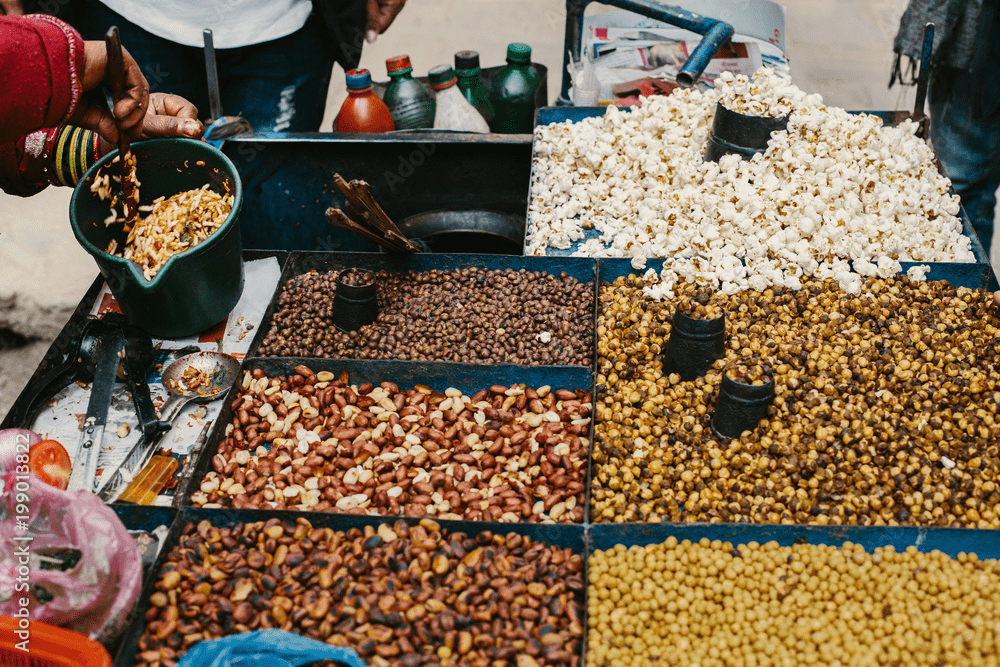
Why Street Food in Nepal Hits Different
Nepal’s food culture is deeply regional. What you eat in Kathmandu is not what you eat in Pokhara, and neither of those resembles what’s served in the Terai lowlands. But street food cuts across all of it. It’s the common language. Whether you’re a trekker grabbing a quick bite before a bus departure or a local heading home from work, you’re eating the same thing from the same cart.


Prices are genuinely low. Most street snacks cost between NPR 50 and NPR 200, which is roughly $0.40 to $1.50 USD. A full plate of momos with achar runs NPR 150 to 300 depending on the filling and location. Sekuwa can go up to NPR 400 for a generous portion. The point is: you can eat extraordinarily well here for almost nothing.
One more thing worth knowing before you dig in: street food hours in Nepal skew late afternoon. Most vendors open around 3pm and run until 8 or 9pm. If you show up at noon expecting a full spread, you’ll mostly find empty stalls and confused looks.
The Essential Dishes: What You Must Try
Momo
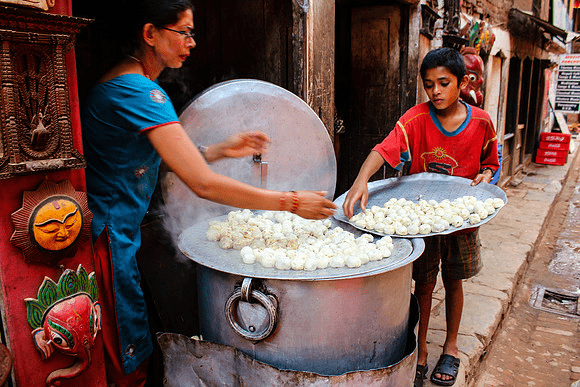
No article about Nepali street food can start anywhere else. Momos are Nepal’s answer to the dumpling, and they’ve evolved far beyond their Tibetan origins into something entirely their own. Steamed is the classic. Fried is the crunch lover’s version. C-momo (chili momo) is tossed in a fiery sauce and served in a pool of broth. Then there’s kothey momo, pan-fried on one side only, which gives you that perfect half-crisp, half-soft texture.
Fillings range from buff (water buffalo, the most traditional), to chicken, vegetable, and paneer. The dipping sauce matters as much as the dumpling itself: a good tomato-sesame achar with just enough heat is what separates a great momo stall from a forgettable one.
Where to find them: The lanes behind New Road and around Mangal Bazaar have legendary momo joints that have been running for decades. In Thamel, quality varies wildly, so follow the locals rather than the signs.
Chatpate
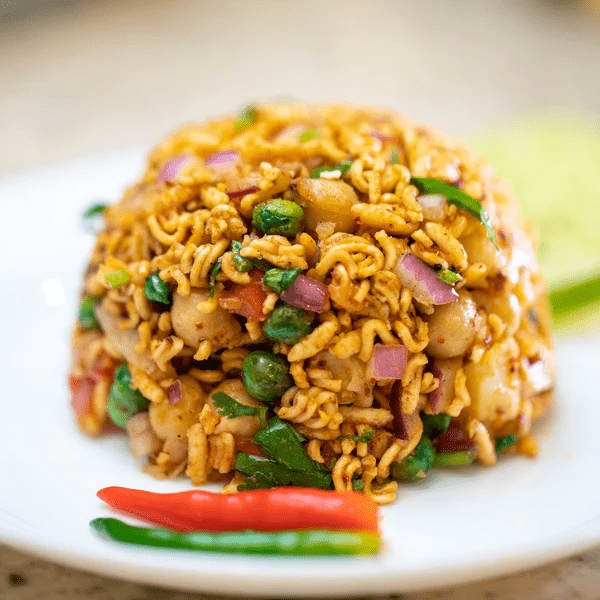
Chatpate is the snack that’s impossible to explain and impossible to stop eating. It starts with puffed rice as the base, then layers in crushed instant noodles, boiled chickpeas, diced boiled potato, chopped onion, green chilies, fresh coriander, mustard oil, and a generous squeeze of lemon. The vendor mixes it all in a metal bowl with practiced speed and hands it to you in a paper cone.
It costs NPR 50 to 100. It takes about 90 seconds to make. You will want a second one immediately after finishing the first.
Find it at Indra Chowk, around Asan, or at any busy intersection where vendors set up folding carts from late afternoon onward.
Sekuwa
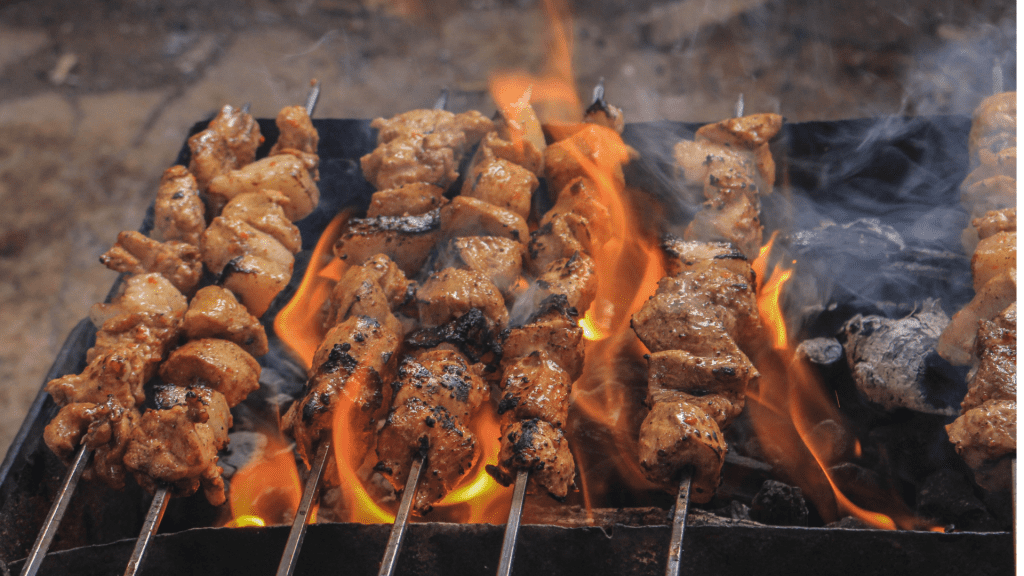
Here’s what most food guides won’t tell you: sekuwa is not just grilled meat. It’s a ritual. The marination typically runs overnight in a blend of cumin, coriander, turmeric, ginger, garlic, and mustard oil. The meat, usually lamb, chicken, or buff, goes onto a charcoal grill that’s been going for hours. The result is smoky and deeply spiced in a way that no gas burner could replicate.
Sekuwa originated in eastern Nepal but it’s now synonymous with Kathmandu’s evening food culture. Expect to pay NPR 200 to 400 per plate depending on the meat. Bajeko Sekuwa in Sorhakhutte and the stalls around Chabahil are consistently recommended by locals as the real thing.
Pani Puri
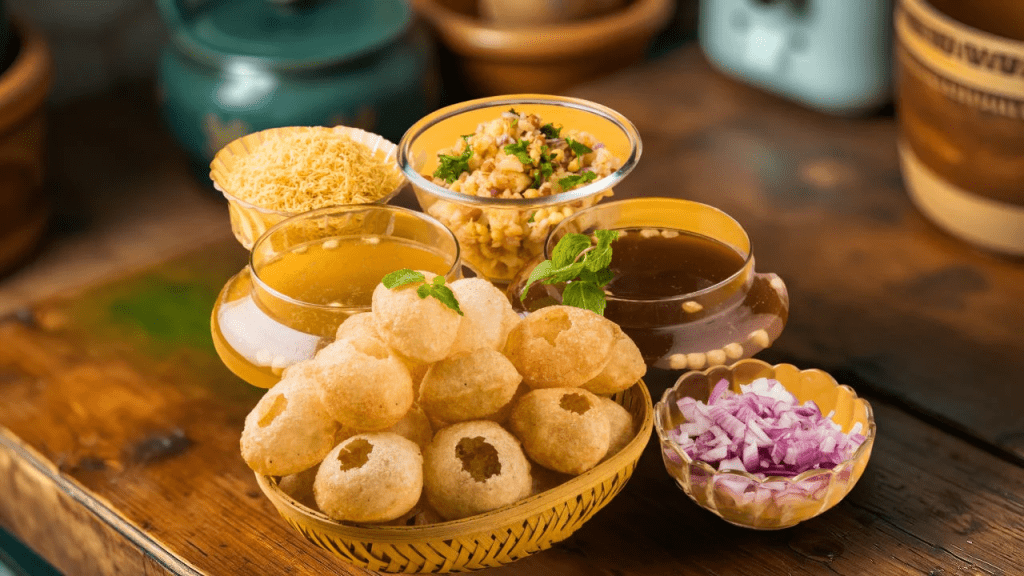
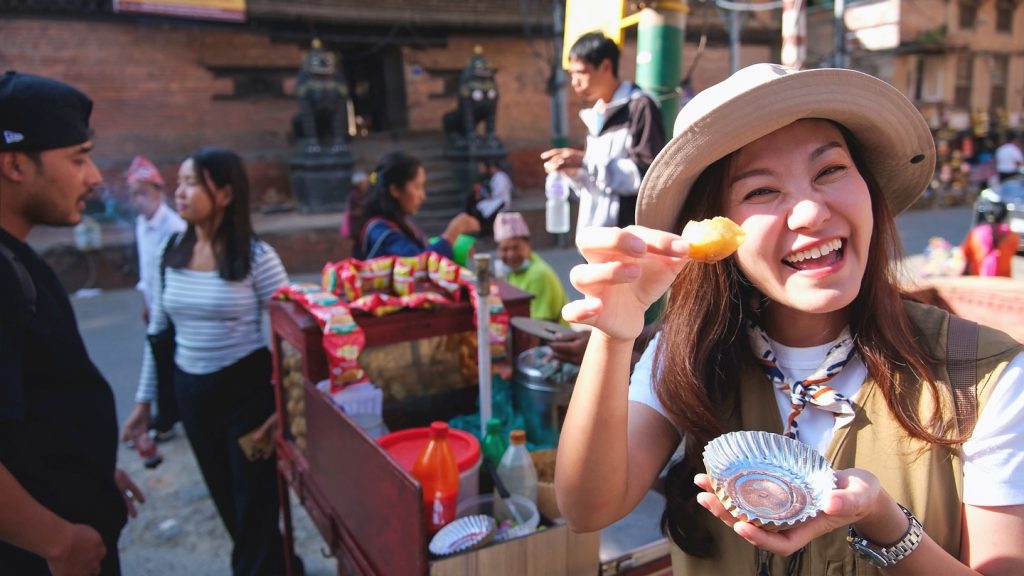
Pani puri in Nepal is similar to the Indian version but with its own local lean. Crispy hollow shells are filled with a mix of spiced mashed potato and chickpeas, then dunked into a tangy tamarind water or a green mint-and-coriander water. You eat it in one bite. The combination of crunch, spice, sourness, and cold liquid is genuinely unlike anything else.
Street vendors typically offer two or three types of puri water side by side: sweet tamarind, spiciy mint, and sometimes a yogurt-based option. The Om Pani Puri stall near People’s Plaza on New Road is a perennial crowd favorite.
Bara (Newari Lentil Patties)
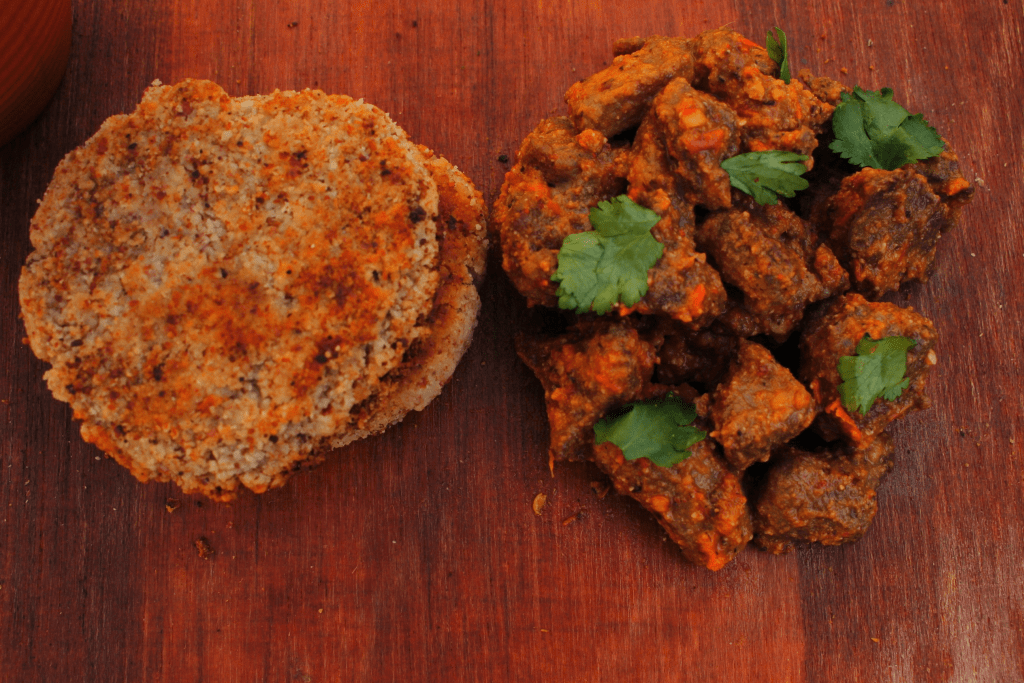
Bara is a Newari specialty that deserves far more attention than it gets from visitors. It’s made from black lentil batter, formed into thick rounds, and fried until the outside is crispy and the inside stays soft and slightly chewy. You’ll often find it served with a fried egg on top, a side of spicy potato curry, or both.
For the most authentic version, go to Patan or Bhaktapur rather than Thamel. The Newari khaja ghar (traditional snack houses) in Patan serve bara the way it’s been made for generations, alongside samay baji (beaten rice platters) and other traditional dishes. If you’re exploring the Kathmandu Valley beyond the tourist trail, our Kathmandu travel guide covers several of these neighborhoods in detail.
Sel Roti
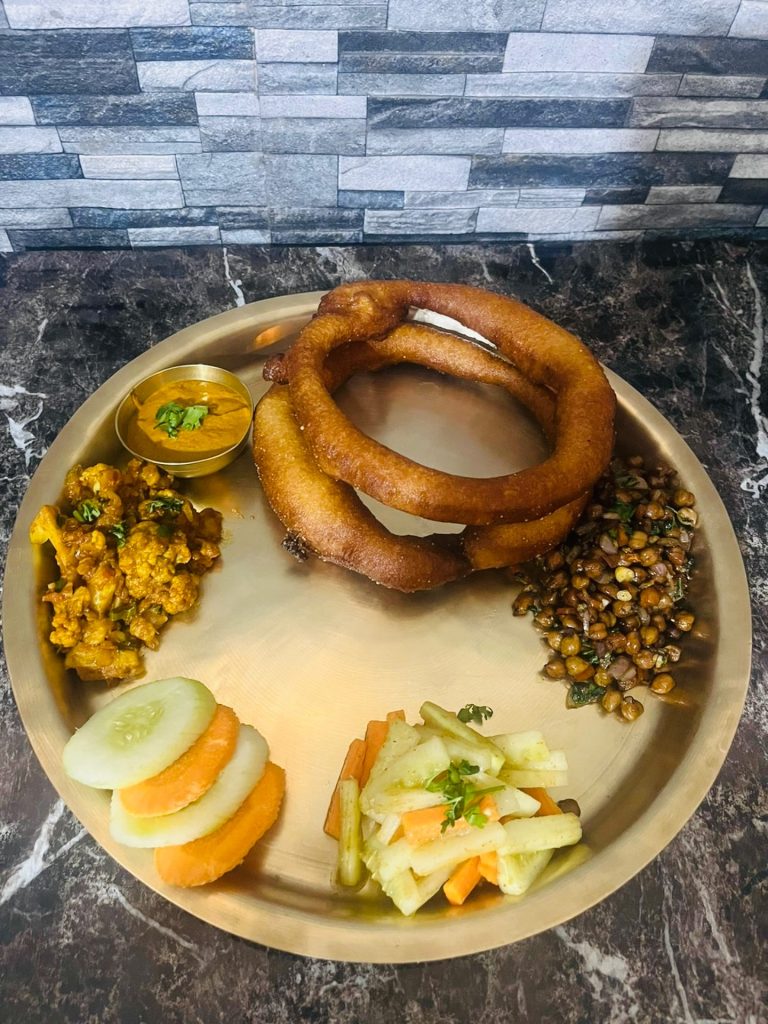
Sel roti is a ring-shaped fried bread made from a rice flour batter. It’s crisp on the outside and slightly spongy on the inside, mildly sweet, and best eaten hot. During festivals like Tihar and Dashain, nearly every household makes it at home. But you don’t have to wait for a festival: vendors around Pashupatinath Temple and Asan Bazaar sell it year-round from large woks of oil.
Pair it with a cup of masala tea from the stall next door. It’s a breakfast combination that costs less than NPR 100 total and is better than most hotel breakfasts in Kathmandu.
Chatamari
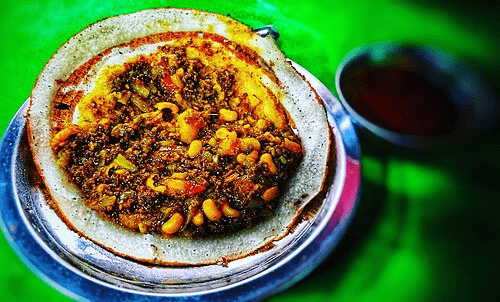
Sometimes called the “Nepali pizza” (which does it a disservice), chatamari is a thin rice flour crepe that forms the base for toppings: minced meat, egg, onion, and spices. It’s a Newari dish with deep cultural significance, historically prepared during festivals and offered at temples.
Modern chatamari is available at Newari restaurants throughout Kathmandu, but finding it from street vendors takes a little more effort. Basantapur Durbar Square has vendors who set up near the temples, particularly in the late afternoon when foot traffic picks up.
Where to Eat: The Best Street Food Zones in Kathmandu
Asan Bazaar
This is the real one. Asan is an ancient trading hub in old Kathmandu, and the density of street food vendors here is unmatched anywhere in the city. Go between 4pm and 7pm. You’ll find chatpate, pani puri, fresh fruit juice, roasted corn, sel roti, and a dozen things you won’t immediately be able to identify. The crowds are local, the prices are low, and the energy is completely intoxicating.
New Road to Basantapur Stretch
The walking corridor from New Road Gate down to Basantapur Durbar Square becomes Kathmandu’s most concentrated street food strip every evening. Momos, aloo chop (spiced potato fritters), chatpate, and seasonal snacks all compete for your attention across about 500 meters of pavement. The late afternoon light over the Durbar Square makes it a genuinely beautiful place to eat.
Thamel
Thamel is where most visitors end up, and there’s decent street food here, but you have to be selective. Stick to vendors with high turnover and visible cooking activity. The momo stalls on the quieter side lanes tend to be better than the ones directly on the main tourist drag. Thamel works well for variety and accessibility, but it’s not where you go for the most authentic experience.
Patan and Bhaktapur
If you’re spending time in the Kathmandu Valley beyond the capital, both Patan and Bhaktapur reward street food exploration. Bhaktapur in particular is famous for juju dhau, a thick, creamy yogurt served in clay pots that’s been made here for centuries. A small pot costs around NPR 60 to 100 and is sold from shops and carts throughout the old town. Bhaktapur also has excellent sel roti vendors near the Nyatapola Temple area.
Practical Tips Before You Start Eating
A few things that will make your street food experience better:
- Eat where locals are eating. A queue of Nepalis is a better quality signal than any review app.
- Late afternoon is the sweet spot. Most vendors set up between 3pm and 4pm and are busiest from 5pm to 7pm.
- Carry small bills. Most vendors don’t have change for NPR 500 or NPR 1000 notes.
- If you have a sensitive stomach, start with cooked foods (momos, sekuwa, bara) before moving to raw preparations like chatpate or fresh salads.
- Water quality matters. Drink bottled water, but don’t let it stop you from eating. The cooking process kills most pathogens, and millions of people eat this food every day without issue.
- Ask for “jhol momo” if you want your momos in soup broth. It’s not always on display but almost every momo stall will make it if you ask.
For more on navigating Kathmandu’s neighborhoods, including where to stay and what to see beyond the food, check out our Pokhara travel guide as well if you’re planning to extend your trip westward.
For a broader look at Nepali cuisine beyond street food, the overview of Nepalese cuisine is one of the more thorough English-language resources available.
Frequently Asked Questions
What is the most popular street food in Nepal?
Momo is the undisputed favorite. You’ll find momo stalls in every city, town, and trekking village in Nepal. The variety of styles (steamed, fried, chili, jhol) means most people find a version they love. Chatpate is a close second for snacking.
Is street food in Nepal safe to eat?
Generally yes, especially cooked items like momos, sekuwa, bara, and sel roti. The cooking temperatures involved kill most pathogens. As with any destination, stick to vendors with high customer turnover, avoid raw preparations if your stomach is adjusting to local food, and don’t eat anything left sitting out for long periods in warm weather.
How much does street food cost in Nepal?
Most street snacks cost between NPR 50 and NPR 200 (roughly $0.40 to $1.50 USD). A plate of momos runs NPR 150 to 300. Sekuwa is one of the pricier options at NPR 200 to 400. You can eat well and be completely full for under NPR 500.
Where is the best place to eat street food in Kathmandu?
Asan Bazaar is the most concentrated and authentic area. The New Road to Basantapur stretch is excellent in the evenings. For Newari specialties like bara and chatamari, Patan is the better choice. Thamel works for convenience but isn’t the best for authenticity.
What is chatpate?
Chatpate is a popular Nepali street snack made from puffed rice mixed with crushed instant noodles, boiled chickpeas, diced potato, onion, green chilies, mustard oil, and lemon juice. It’s spicy, tangy, crunchy, and sold in paper cones from street carts for around NPR 50 to 100.
What is sel roti?
Sel roti is a traditional Nepali fried bread made from rice flour batter, shaped into rings, and cooked in oil until golden and crispy. It’s slightly sweet, best eaten hot, and closely associated with festivals like Tihar. Year-round vendors sell it near temples and in market areas.
Can vegetarians find good street food in Nepal?
Absolutely. Vegetable momos, pani puri, chatpate, sel roti, and many bara preparations are all vegetarian. Nepal has a significant vegetarian food culture, partly due to Hindu and Buddhist influences, and most street vendors can accommodate vegetarian preferences without any issue.
What time do street food stalls open in Nepal?
Most street food vendors set up from around 3pm and are busiest between 5pm and 7pm. Some breakfast vendors (particularly sel roti and tea stalls) operate from early morning. The midday hours tend to be the slowest for street food specifically, with restaurants and teahouses handling the lunch crowd instead.


