



Picture this: you’re standing in a Kathmandu lane just after sunset, and suddenly every single window around you bursts into warm, flickering light. Oil lamps. Thousands of them. The air smells of marigold garlands and incense. Someone nearby is singing. A stranger hands you a sweet and smiles like you’ve known each other for years. That’s Tihar. And it’s just one of the reasons why timing your trip around Nepal’s festival calendar might be the best travel decision you ever make.
Nepal celebrates more festivals per capita than almost any country on earth. More than 50 officially recognized festivals dot the calendar, driven by a mix of Hinduism, Buddhism, and ancient animist traditions that have layered together over centuries. If you want to understand Nepal, really understand it, show up during a festival.
Here’s a complete breakdown of the Nepal festivals calendar for 2026, month by month, so you can plan your trip around the moments that matter most.


Why Nepal’s Festival Dates Change Every Year
Before we get into the dates, here’s something most guides skip over. Nepal follows the Bikram Sambat (BS) lunar calendar, not the Gregorian calendar the rest of the world uses. So festival dates shift from year to year when converted to January-December terms. What falls in October one year might land in late September the next.
The other wrinkle: Nepal has several different communities with their own calendrical traditions. Newars follow the Nepal Sambat. Tibetan communities celebrate by the Tibetan calendar. Hindu festivals follow lunar months. All of this runs simultaneously, which is exactly why you can find a major celebration happening in Kathmandu almost any week of the year.
Nepal Festival Calendar 2026: Month-by-Month Guide
February: Maha Shivaratri (February 15, 2026)
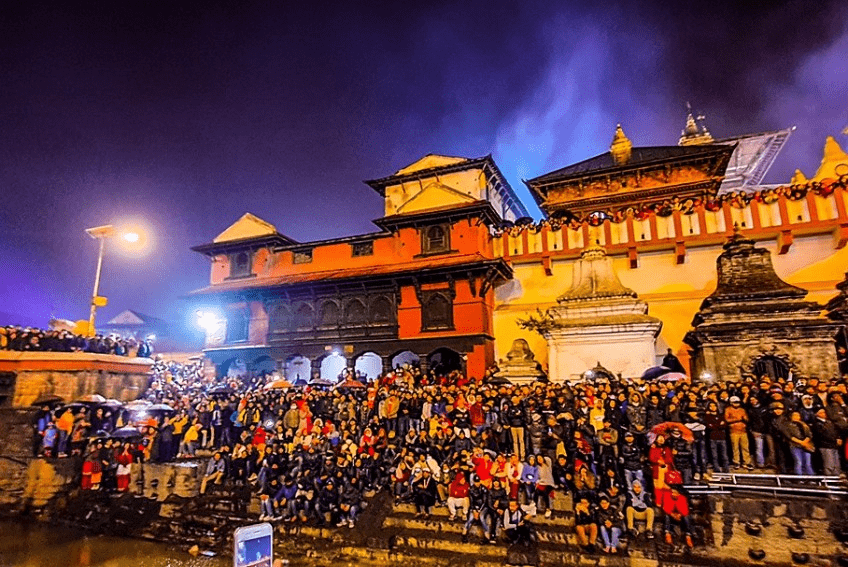
Pashupatinath Temple becomes something else entirely during Maha Shivaratri. Sadhus stream in from across South Asia, some walking for weeks to get here. Devotees line the ghats along the Bagmati River, fires burn through the night, and the chants get louder as the hours pass. It is genuinely one of the most intense spiritual spectacles in Asia.
Dedicated to Lord Shiva, this festival marks the night when, according to tradition, Shiva and Parvati were wed. Pilgrims fast, stay awake all night, and offer milk, honey, and bel leaves at Shiva shrines across the country. If you’re planning a February trip to Nepal, build your itinerary around this one. You won’t regret it.
February/March: Losar (Tibetan New Year)
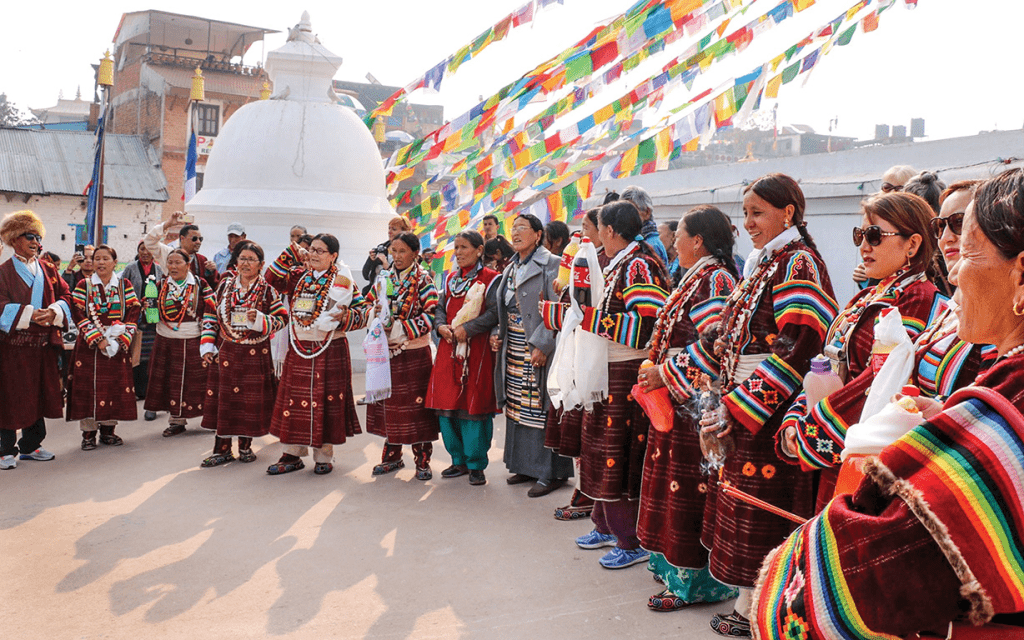
Losar doesn’t get nearly the attention it deserves from international visitors. Tibetan, Sherpa, Gurung, and Tamang communities all celebrate their version of New Year at slightly different times depending on their specific calendar traditions, usually falling in late February or early March. Monasteries across the country put on masked Cham dances, families prepare butter lamps and special foods, and the courtyards of places like Boudhanath Stupa fill with color and prayer flags.
For 2026, expect celebrations at Boudhanath and Swayambhunath in Kathmandu, and in Himalayan communities throughout the country. It’s a quieter festival compared to Dashain, but deeply moving.
March: Holi (March 2–3, 2026)
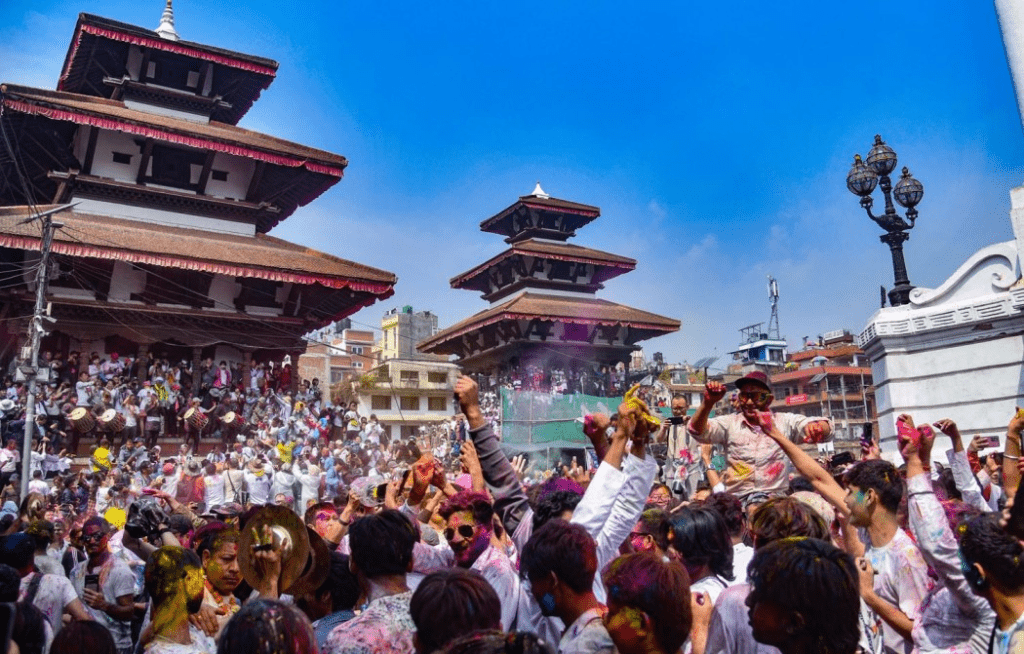
Wear clothes you genuinely do not care about. Seriously. Holi in Kathmandu is chaotic and joyful and wet. Water balloons come from everywhere. Strangers smear your face with powdered color. Children chase tourists down the street with water guns, grinning the entire time.
Holi marks the end of winter and the arrival of spring. In the hilly regions and Kathmandu, it falls on March 2. Down in the Terai plains, it’s celebrated a day later on March 3. The Terai celebrations are often said to be the wilder of the two. If you’re in Nepal and even slightly considering participating, do it. Just leave the expensive camera at the hotel.
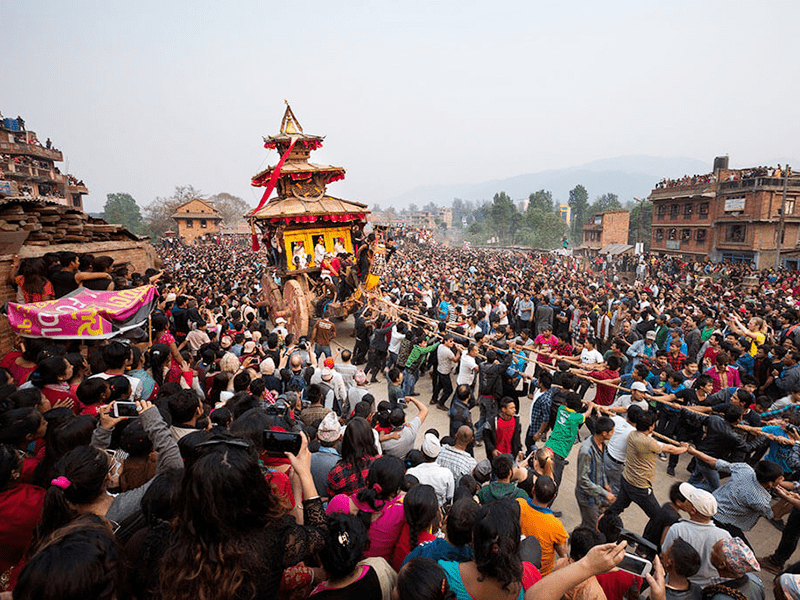
March: Seto Machindranath Jatra (March 26–28, 2026)
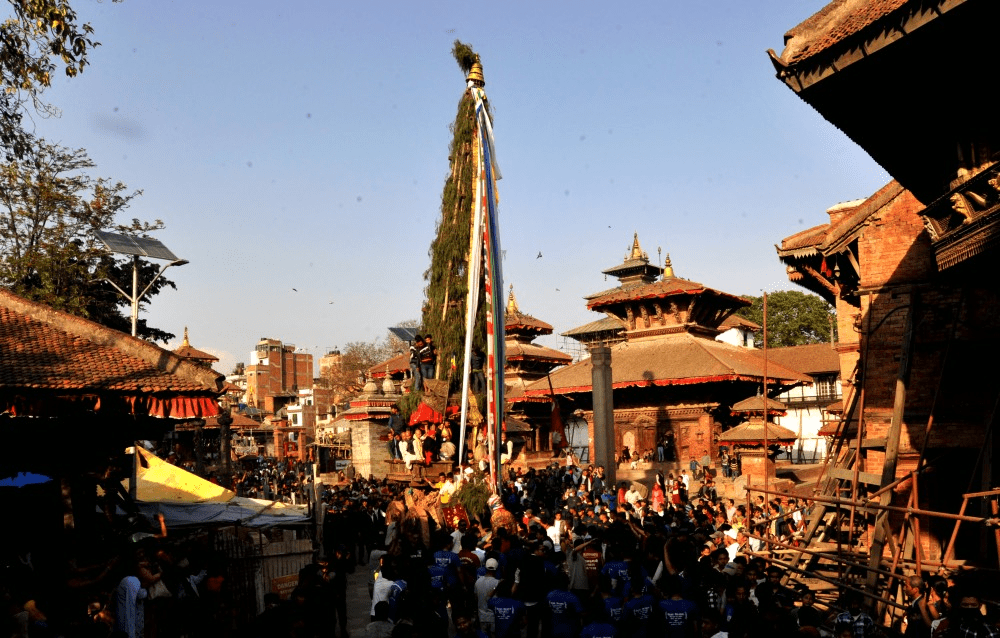
This is one of Kathmandu’s oldest chariot festivals. Seto Machindranath, a deity associated with rainfall and prosperity, is pulled through the narrow streets of the old city on an enormous wooden chariot built fresh each year. It’s a Newar tradition that goes back many centuries, and watching the enormous chariot move through lanes that barely seem wide enough to fit it is genuinely awe-inspiring. Come early for a good spot near Asan Tole.
April: Bisket Jatra and Nepali New Year (April 13–15, 2026)
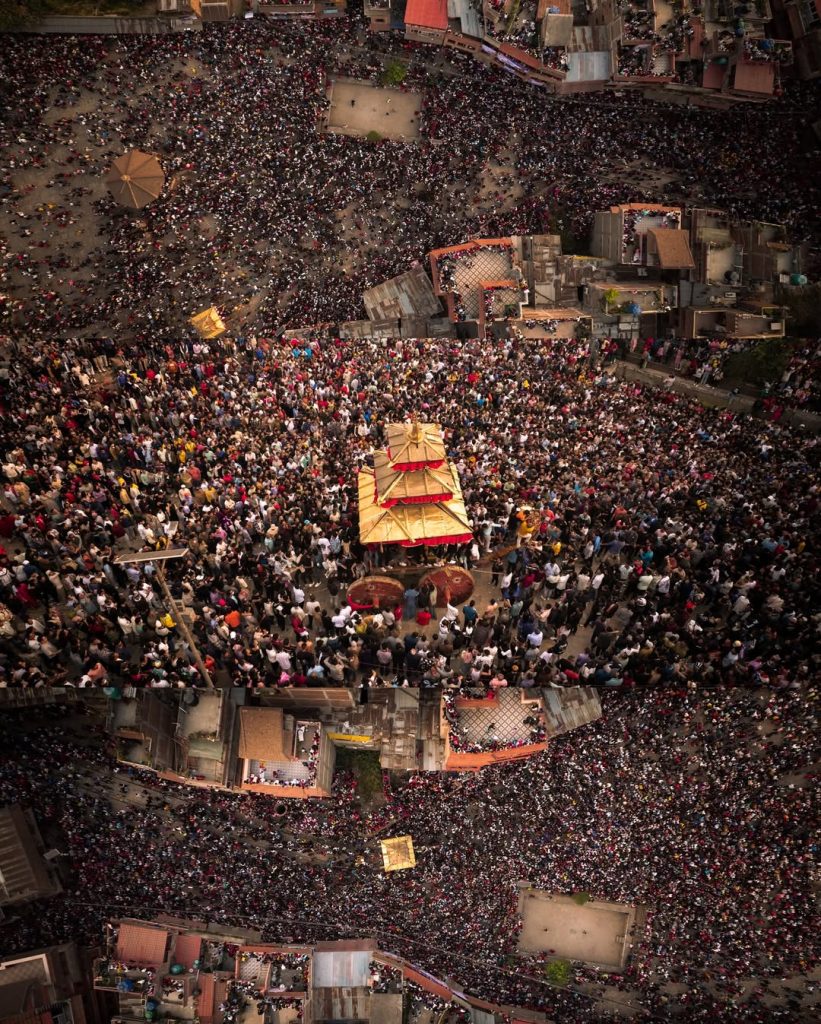
Bhaktapur goes absolutely wild for Bisket Jatra. A massive chariot is pulled through the streets of this ancient Newar city, and on the final night, a 25-meter pole is raised and then dramatically toppled to mark the start of the New Year. The energy is electric. April 14 is Nepali New Year’s Day nationwide, so expect closures, family gatherings, and street celebrations in every city.
If you happen to be trekking in April, you’ll notice even teahouse owners break out special food on New Year’s Day. It’s a nationwide moment of collective renewal.
May: Buddha Jayanti (May 1, 2026)
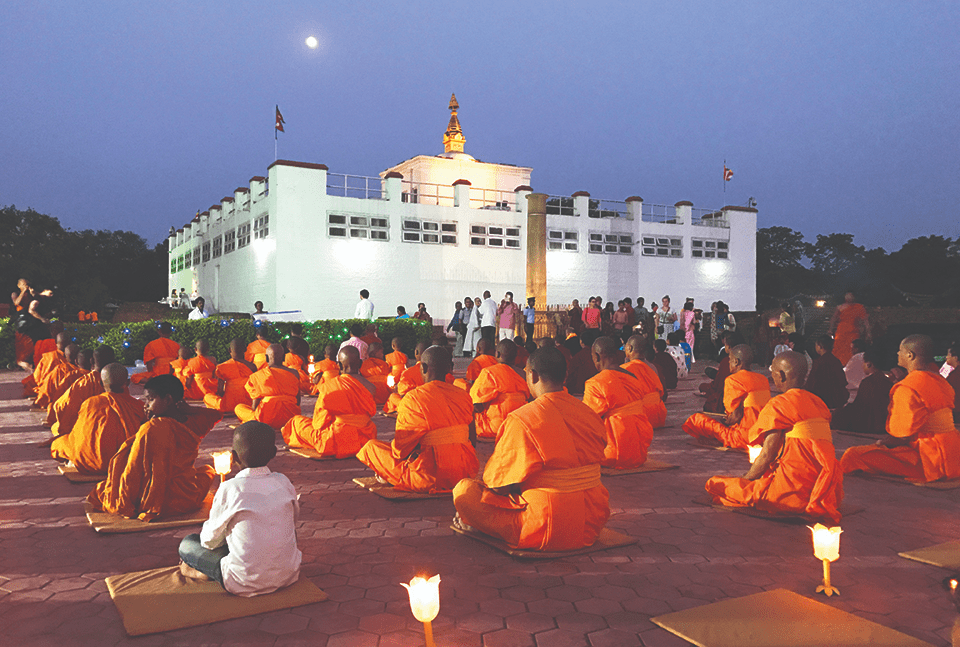
Buddha was born in Lumbini, Nepal. That fact matters enormously here. Buddha Jayanti, which celebrates the birth, enlightenment, and death of the Buddha all on the same day, is observed with deep reverence across the country. Boudhanath Stupa becomes a sea of maroon robes and butter lamps. Swayambhunath fills with pilgrims who have walked up before dawn. In Lumbini itself, ceremonies draw monks from across the Buddhist world.
If you want to visit Lumbini, this is the single best day of the year to do it. It’s about a 6-hour bus journey from Kathmandu, or roughly 45 minutes by flight from Tribhuvan International Airport. Plan ahead, accommodation books out fast.
September: Teej (September 14, 2026)
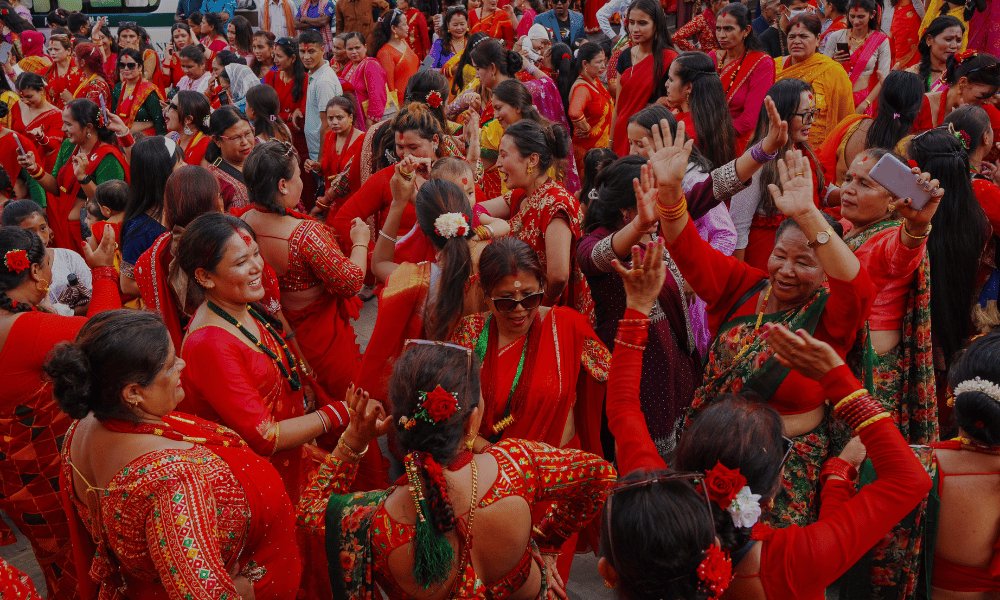
Here’s what most guides won’t tell you about Teej: the day before the fast is arguably more interesting to witness than the fast itself. Women gather and eat lavish feasts, they dance in red saris, they sing traditional songs that have been passed down through generations. It’s called the “dar khane din” and the energy is joyful and electric.
On the actual festival day, Hindu women fast and pray at Pashupatinath Temple for the long life and good health of their husbands or future husbands. The temple grounds fill with women in brilliant red clothing, singing and bathing in the Bagmati. It’s a deeply personal festival, but one that’s extraordinary to witness respectfully from a distance.
September: Indra Jatra (September 2026)
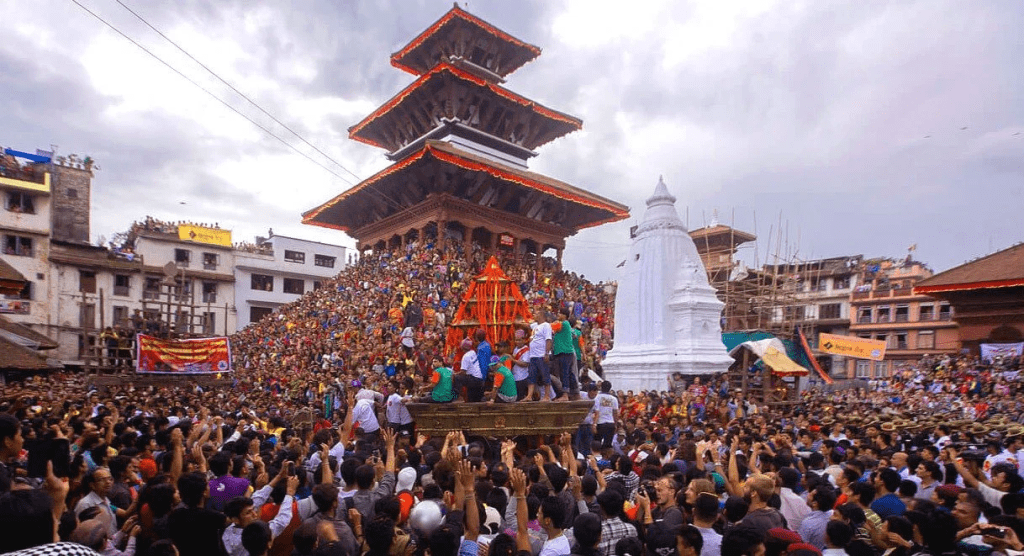
Indra Jatra is Kathmandu’s biggest street festival. For eight days, the old city transforms. Giant masks of the deity Bhairav are mounted on the walls. Chariots carrying the living goddess Kumari are pulled through Hanuman Dhoka square. Locals drink rice beer that flows from the mouth of a sacred Bhairav mask. Drummers and dancers fill the streets every night.
The exact dates shift with the lunar calendar each year, but in 2026 it falls in September. The night the Kumari chariot is pulled from Basantapur is the night you need to be there. Get to Hanuman Dhoka by early afternoon to secure a good viewing spot.
October: Dashain (October 18–25, 2026)
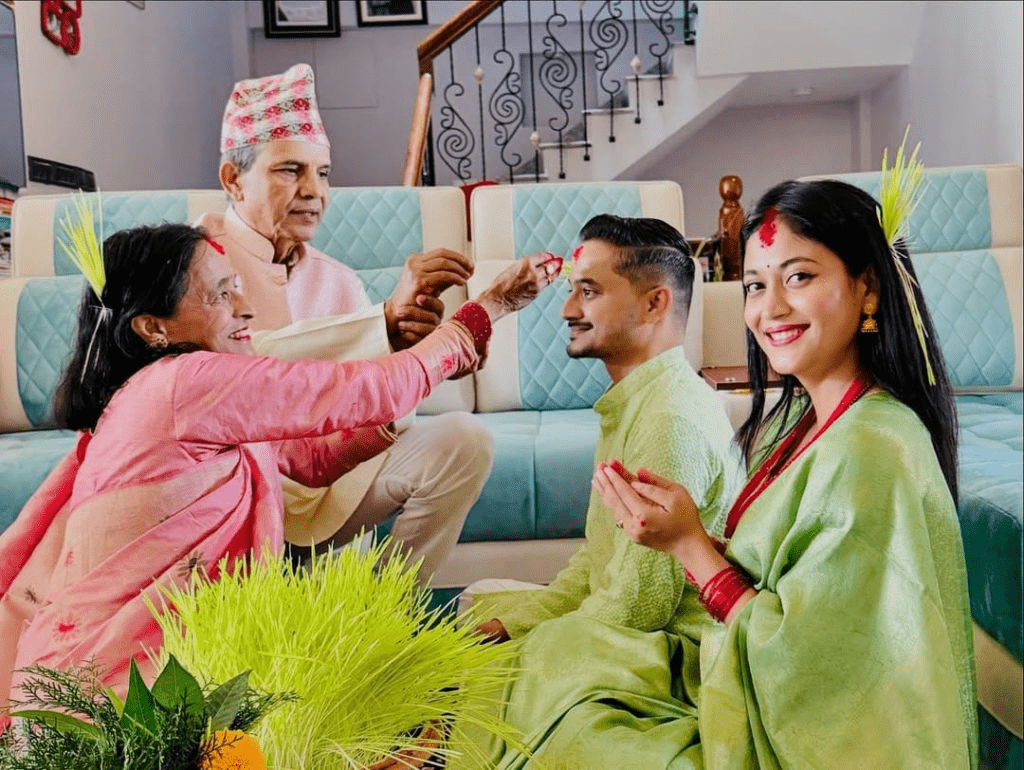
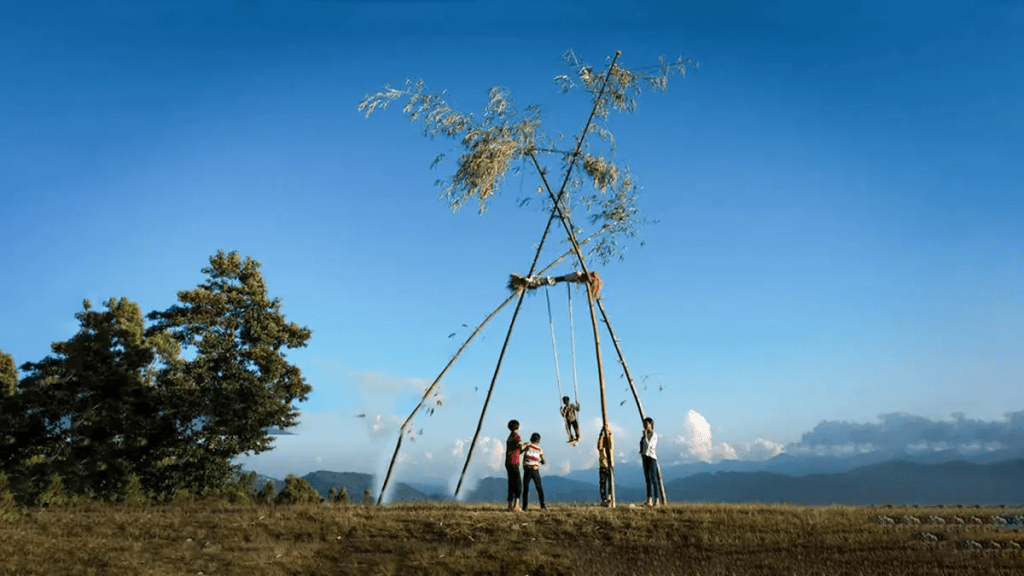
Dashain is not just a festival. It’s an entire national event. Schools close. Offices shut down. Millions of people travel across Nepal to be home with their families. Roads out of Kathmandu jam for days. And the smell of incense and marigold garlands is absolutely everywhere.
The 15-day festival celebrates the goddess Durga’s victory over the demon Mahishasura. The most important days are Fulpati (day 7), Maha Astami and Maha Navami (days 8 and 9, when animal sacrifice takes place at Durga temples), and Vijaya Dashami (day 10), when elders place tika on the foreheads of younger family members as a blessing.
For travelers, the truth is that Dashain can be a mixed experience. Transport is packed, many restaurants and shops close, and the real celebrations happen inside family homes that most visitors won’t see. But witnessing the scale of it is still something worth experiencing: the crowds, the kites flying over Kathmandu, the temple queues stretching for hours. Check out our complete guide to Dashain before you go.
October/November: Tihar (November 8–12, 2026)
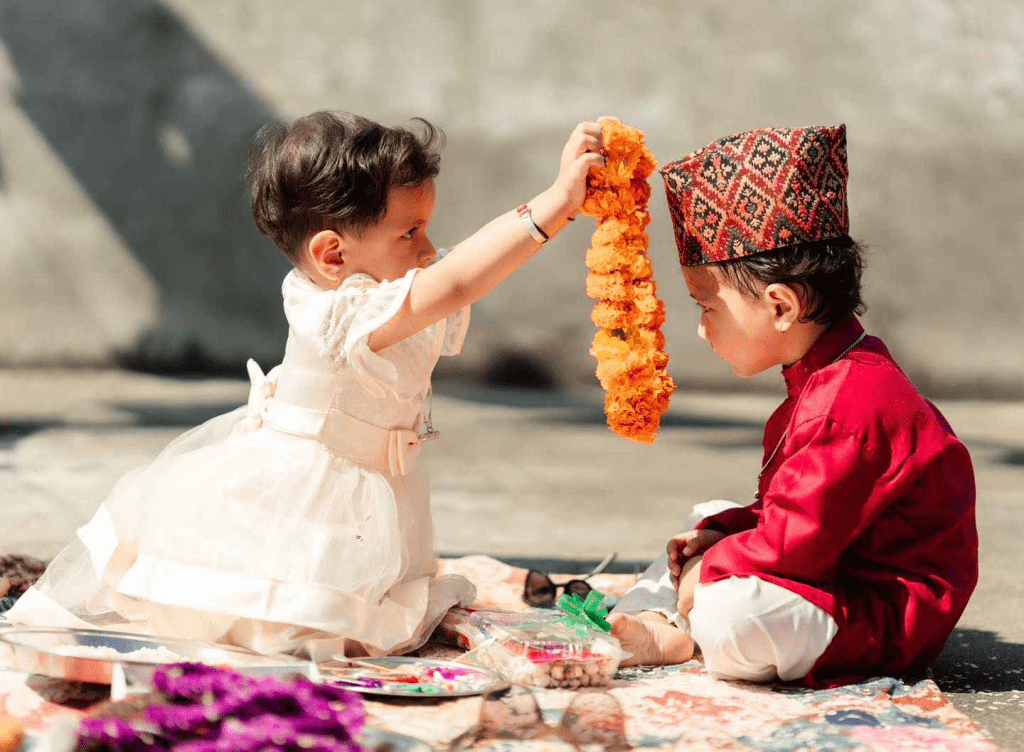
If Dashain is the most important festival, Tihar is the most visually stunning. Over five days, different living creatures are honored. Crows on day one, dogs on day two (Kukur Tihar on November 8), cows on day three. Day four, Laxmi Puja, is when every home and shop gets illuminated with rows of oil lamps and candles and strings of fairy lights. Night four of Tihar, walking through old Kathmandu, is one of those travel experiences that stays with you forever.
Day five is Bhai Tika, when sisters perform rituals for their brothers and pray for their long lives. It’s a warm, intimate end to the festival. For tourists, Tihar is often a better experience than Dashain because the city stays open and the street celebrations are accessible. Read more in our Tihar festival guide.
November: Chhath Puja (November 15, 2026)
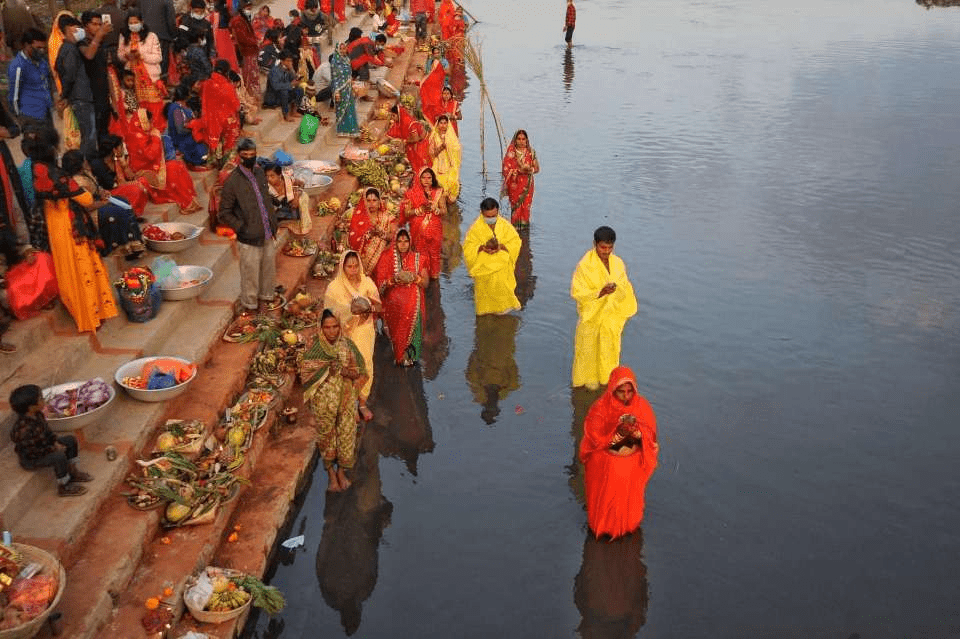
Chhath Puja is a Vedic solar festival celebrated primarily in the Terai region, especially around Janakpur and the Madhesh plains. Devotees stand in rivers and ponds at sunset and sunrise, offering arghya (water offerings) to the sun god Surya. It’s a striking ritual to witness. In Kathmandu, celebrations cluster around the Bagmati River and Rani Pokhari.
Quick Reference: Nepal Festivals 2026 at a Glance
- February 15:Maha Shivaratri (nationwide, centered at Pashupatinath)
- Late February/March:Losar / Tibetan New Year (Boudhanath, Sherpa communities)
- March 2–3:Holi (nationwide; hilly regions March 2, Terai March 3)
- March 26–28:Seto Machindranath Jatra (Kathmandu)
- April 13–15:Bisket Jatra and Nepali New Year (Bhaktapur, nationwide)
- May 1:Buddha Jayanti (Boudhanath, Swayambhu, Lumbini)
- September 14:Haritalika Teej (Pashupatinath, nationwide)
- September:Indra Jatra (Kathmandu, 8 days)
- October 18–25:Dashain (nationwide)
- November 8–12:Tihar (nationwide)
- November 15:Chhath Puja (Terai region, Bagmati in Kathmandu)
Best Festivals for First-Time Visitors
Not all festivals are equally accessible to tourists. Here’s the honest answer on which ones reward an international visitor most.
Tihar wins for sheer visual impact and accessibility. Hotels stay open, restaurants stay open, and the light displays are something genuinely extraordinary. You can walk through Kathmandu on Laxmi Puja night and be completely immersed in it.
Holi wins for participation. If you want to actually be part of a festival rather than watching from the sidelines, Holi is it. Just accept you’re going to get absolutely soaked.
Maha Shivaratri wins for spiritual intensity. There is nowhere else on earth quite like Pashupatinath during Shivaratri night. It’s crowded, it’s overwhelming, and it’s unforgettable.
For a deeper dive into planning your visit around Nepal’s peak travel seasons, have a look at the best time to visit Nepal guide, which pairs festival dates with trekking conditions and weather windows. You can also find authoritative festival dates cross-referenced at Time and Date Nepal Holidays.
Tips for Visiting Nepal During Festival Season
- Book accommodation at least 6–8 weeks in advance during Dashain and Tihar. Prices spike and availability drops fast, especially in Kathmandu and Pokhara.
- Expect transport disruptions during Dashain, when millions of Nepalis travel home. If you need to fly domestically, confirm bookings early.
- Dress modestly when visiting temples for festival rituals. For Teej, covering shoulders and wearing longer clothing is especially appreciated.
- For Holi, wear old clothes and seal electronics in waterproof bags. Water balloons and colored powder are enthusiastic and indiscriminate.
- Many shops and government offices close during major festivals. Carry enough cash and plan ahead for any administrative tasks.
- Arrive early for any procession or chariot festival. Indra Jatra and Bisket Jatra draw enormous crowds; good viewpoints fill up hours before the action starts.
Frequently Asked Questions
When is the best time to visit Nepal for festivals?
October and November are generally the best months. Dashain and Tihar both fall in this window, the trekking weather is ideal, and the skies over Kathmandu are clear after the monsoon. If you’re coming specifically for Tihar’s light displays, aim for early November.
How do I know the exact dates of Nepal festivals in 2026?
Festival dates are based on the lunar Bikram Sambat calendar, which means they shift each year in Gregorian terms. Dates for 2026 listed in this guide are accurate to current projections, but it’s always worth confirming 4–6 weeks before travel as dates can occasionally be adjusted by official bodies.
Can tourists participate in Dashain celebrations?
Dashain is largely a family-home festival, so most international visitors observe rather than participate. If you have Nepali friends or connections who invite you to receive tika, that’s a genuine honor and you should absolutely say yes. Otherwise, the best public spectacle is the Taleju temple opening on Maha Astami, which is usually closed to the public all year.
Is it safe to travel Nepal during festivals?
Nepal is generally very safe for tourists during festivals. Extra precautions worth taking: watch for pickpockets in dense crowds during large processions, and be aware that alcohol consumption increases during some celebrations. Stick to busy, lit areas after dark.
What should I wear to Holi in Nepal?
Old clothes you’re willing to throw away afterward, or specifically bought “Holi clothes.” Definitely not your favorite shirt. Sunglasses to protect your eyes. A waterproof bag for your phone. And an attitude of complete surrender, because you will get covered in color regardless.
Which Nepal festival is best for families with children?
Tihar is wonderful for families. Kukur Tihar (dog worship day) is a particular hit with kids, and the lighting of oil lamps on Laxmi Puja night creates a magical atmosphere that young children respond to beautifully. Holi is also great fun for older kids who enjoy the color chaos.
Do Nepal festivals affect flight and hotel availability?
Yes, significantly. Dashain especially creates a major surge in domestic flights as Nepalis travel to their home districts. Book all internal flights and Kathmandu hotels at least 6 weeks ahead if you’re traveling in October. Tihar is slightly less disruptive for transport but hotel prices still climb.
What is the most underrated festival in Nepal?
Losar doesn’t get nearly enough attention from international visitors. Watching the Cham dances at monasteries in the Kathmandu Valley during Tibetan New Year, with almost no tourist crowds, is a rare kind of experience. It’s genuinely special and almost nobody talks about it.


