Siraha, located in the Madhesh Province of southeastern Nepal, is widely known as the “Mango City of Nepal.” Beyond its agricultural fame, Siraha is a vibrant cultural landscape where Maithili traditions, ancient legends, sacred ponds, and natural wetlands come together. Although often overlooked by mainstream tourism, the district offers deeply rooted experiences for travelers interested in culture, faith, and slow exploration.
From legendary gardens and hilltop parks to historic temples and wetlands, Siraha reveals a side of Nepal that feels authentic, grounded, and refreshingly unexplored.
1. Salhesh Fulbari (The Miracle Garden)

To begin with, Salhesh Fulbari is undoubtedly the most iconic attraction in Siraha. This ancient garden is closely associated with the legendary Maithili folk hero King Salhesh, who is deeply revered across the Mithila region.
What makes the garden truly extraordinary, however, is its annual miracle. A rare flower locally known as Haramm is believed to bloom only on the first day of the Nepali New Year (mid-April). As a result, the garden becomes a major pilgrimage site during the Siruwa Mela, attracting thousands of devotees from both Nepal and India.
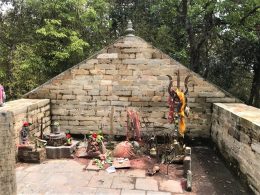
Within the garden lies the Salhesh Temple, where rituals, folklore, and devotion blend seamlessly. For travelers and content creators alike, this site offers a powerful mix of spirituality, legend, and seasonal wonder.
2. Baba Tal (Baba Lake)

In contrast to the festive energy of Salhesh Fulbari, Baba Tal offers a calm and nature-focused experience. Located near Bandipur at the foothills of the Chure range, this beautifully renovated wetland has become one of Siraha’s most relaxing destinations.
The lake is popular for:
- Boating and family picnics
- Quiet nature walks
- Casual birdwatching
Moreover, the surrounding area is home to wildlife such as rhesus macaques and golden jackals, making Baba Tal a rewarding stop for nature lovers and photographers seeking peaceful Terai landscapes.
3. Mirchaiya Hill Park

Meanwhile, for panoramic views and light recreation, Mirchaiya Hill Park stands out as a perfect hilltop escape. Located in the town of Mirchaiya, this park is especially popular among families and couples.
From the top, visitors can enjoy sweeping views of the surrounding plains, along with:
- Walking and jogging trails
- Lush greenery
- A small pond offering paddle boating
As a result, Mirchaiya Hill Park works well as a short evening getaway or a scenic stop while traveling through eastern Madhesh.
4. Manik Daha and Kamal Daha

Adding depth to Siraha’s natural heritage are two historically significant ponds near Lahan: Manik Daha and Kamal Daha.
Manik Daha is believed to have been excavated by King Manik and is one of the largest water bodies in the area. According to local belief, the pond never completely dries up, even during peak summer.
Nearby, Kamal Daha is famous for its blooming lotus flowers and tranquil surroundings. Together, these ponds provide peaceful spaces for reflection while also showcasing the importance of water bodies in Madhesh history and daily life.
5. Lahan City: The Commercial Gateway

At the heart of the district lies Lahan City, the commercial and logistical gateway to Siraha. Bustling and energetic, Lahan offers insight into everyday Madheshi life.
One of its most notable landmarks is the Sagarmatha Chaudhary Eye Hospital, regarded as one of the leading eye hospitals in South Asia. It attracts patients not only from across Nepal but also from neighboring regions of India.
While in Lahan, visitors should also explore:
- Local markets and street scenes
- Authentic Maithili cuisine
- Seasonal Siraha mangoes, especially during summer
These experiences add a flavorful, human dimension to travel in the region.
6. Religious and Historical Landmarks

Siraha’s cultural identity is further enriched by its temples and archaeological sites.
Rajdevi Temple, located in Siraha Municipality, is dedicated to Goddess Rajdevi and becomes especially vibrant during the Dashain festival, when devotees gather in large numbers.
Similarly, Pakariyagarh stands as an important archaeological site featuring ancient ruins and statues. These remnants offer valuable insights into the region’s historical and cultural evolution.
Best Time to Visit Siraha
Timing plays an important role when planning a trip to Siraha.
- Mid-April (Nepali New Year): The best time to witness the rare bloom at Salhesh Fulbari and experience Siruwa Mela
- October to March: Ideal for comfortable travel, sightseeing, and outdoor activities
It is worth noting that summers in the Terai can be extremely hot, so planning accordingly enhances the experience.
Why Visit Siraha?
In conclusion, Siraha is not just a transit destination; it is a place of living legends, seasonal miracles, sacred water bodies, and vibrant Maithili culture. Whether you are a cultural traveler, researcher, or storyteller, Siraha offers experiences that feel deeply local and genuinely meaningful.
Sometimes, the most compelling journeys are found beyond the obvious tourist map—and Siraha is a perfect example of that.