



November remains one of the busiest months for tourism in Nepal. Autumn brings favorable trekking conditions, clearer mountain views, and increased visitor numbers across popular destinations.
However, changing transport schedules, stricter conservation rules, and unpredictable road conditions can affect travel plans. Between November 15 and 20, 2026, several important updates emerged from Nepal’s tourism, aviation, conservation, and transport sectors.
The Annapurna Conservation Area introduced stricter permit enforcement. Lukla experienced exceptionally high air traffic, while scheduled flights between Pokhara and Jomsom remained suspended. Meanwhile, fresh rockfalls affected sections of the Prithvi Highway.


Nepal also recorded a significant increase in international visitor spending during the first quarter of the current fiscal year.
Here are the latest Nepal travel updates for November 2026, including everything trekkers, international tourists, and domestic travelers should know before traveling.
1. Annapurna Introduces Stricter Permit Rules After Record October Arrivals
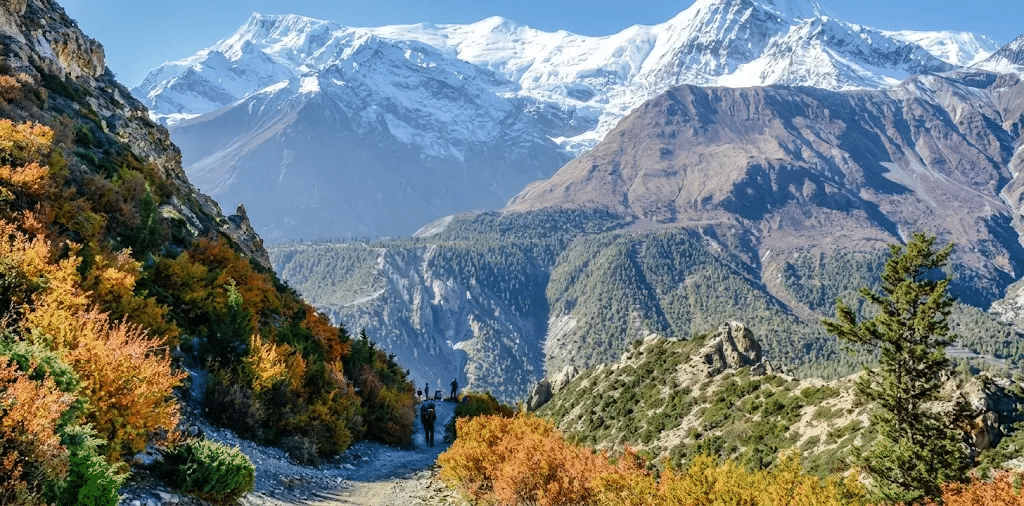
Trekkers planning to visit the Annapurna Conservation Area should check their permits before beginning their journey.
The Annapurna Conservation Area Project (ACAP) has introduced stricter document verification requirements for agency-booked trekkers.
Under the updated directive, trekkers booked through agencies must carry printed permits with physical stamps before entering the conservation area.
ACAP checkpoints will no longer accept digital permits generated online after a trekking group has already passed its initial entry point.
Independent trekkers may still present digital QR permits on their mobile phones. However, foreign nationals must hire licensed trekking guides under Nepal’s applicable trekking regulations.
Annapurna Welcomes More Than 41,000 Foreign Visitors in October
The stricter enforcement follows a significant increase in visitor numbers.
According to conservation data released on November 15, 2026, the Annapurna Conservation Area welcomed 41,758 foreign tourists in October.
This represents a notable increase from 37,076 visitors recorded during October 2025.
The growing numbers highlight Annapurna’s continued popularity during Nepal’s autumn trekking season.
New Camera Traps Installed to Monitor Himalayan Wildlife
Conservation efforts are also expanding across the region.
On November 19, ACAP installed new camera traps in Manang to monitor high-altitude wildlife.
The equipment will help researchers track elusive species, including snow leopards and Pallas’s cats, along the Annapurna Circuit.
For trekkers, the development highlights the growing importance of responsible tourism and biodiversity conservation.
What trekkers should do: Agency-booked trekkers should confirm their printed and stamped permits before departing for the Annapurna region. They should also check current guide requirements and checkpoint procedures.
2. Lukla Handles More Than 200 Daily Flights as Mustang Flights Remain Suspended
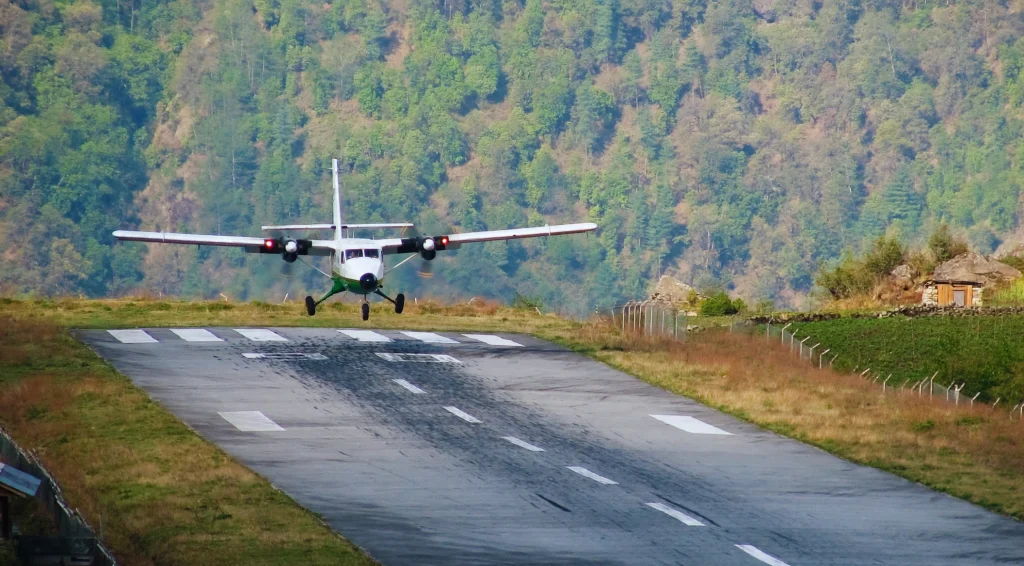
Air traffic across Nepal’s mountain destinations remains particularly busy during the autumn trekking season.
Tenzing-Hillary Airport in Lukla is handling more than 200 combined fixed-wing and helicopter movements daily.
The increased activity reflects strong demand from trekkers heading toward the Everest region.
Lukla Flights Face Peak-Season Pressure
With airlines concentrating aircraft and crew on Lukla operations, flight availability to nearby Solukhumbu destinations has become tighter.
Travelers heading to Phaplu and Kangeldanda may experience limited flight options.
Meanwhile, the seasonal routing arrangement through Ramechhap’s Manthali Airport remains active through November.
Travelers departing from Kathmandu should prepare for an additional four-to-five-hour road journey to reach Ramechhap.
It is important to account for this transfer when planning domestic flights and trekking itineraries.
Pokhara–Jomsom Scheduled Flights Remain Suspended
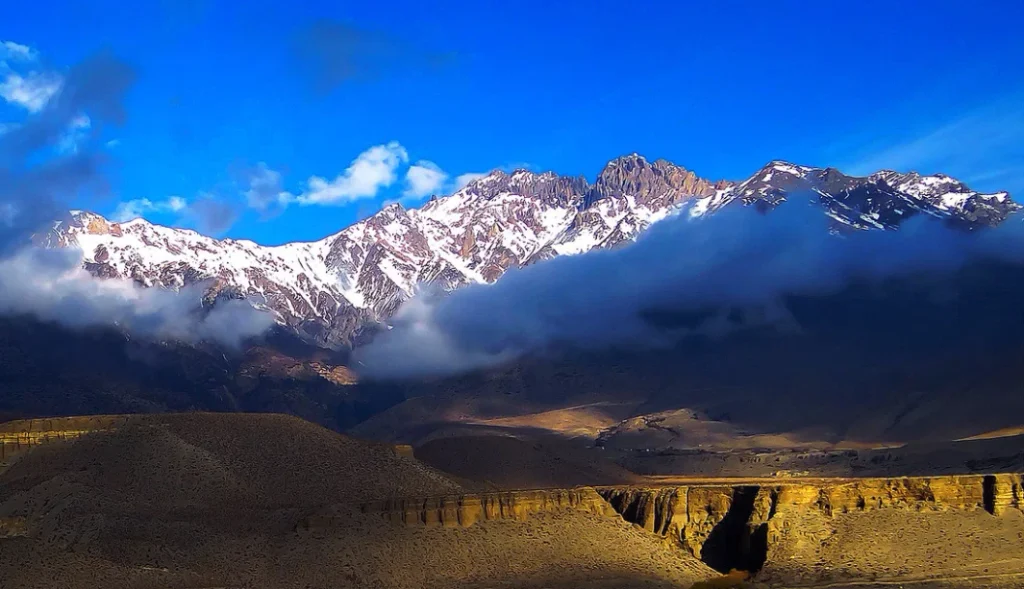
Travelers heading toward Lower Mustang and Upper Mustang face a different transportation challenge.
Regular scheduled flights between Pokhara and Jomsom remain suspended by Tara Air and Summit Air following October’s operational halts.
Private charter flights are the only reported air option on this route.
Consequently, most travelers must use the overland route through Beni and Jomsom.
The journey from Pokhara generally takes around seven to ten hours, depending on road conditions.
Temporary one-way traffic restrictions may also occur while road crews clear unstable slopes.
Travelers should arrange four-wheel-drive transportation in advance and allow additional time for possible delays.
Kathmandu Domestic Flights Continue Normal Operations
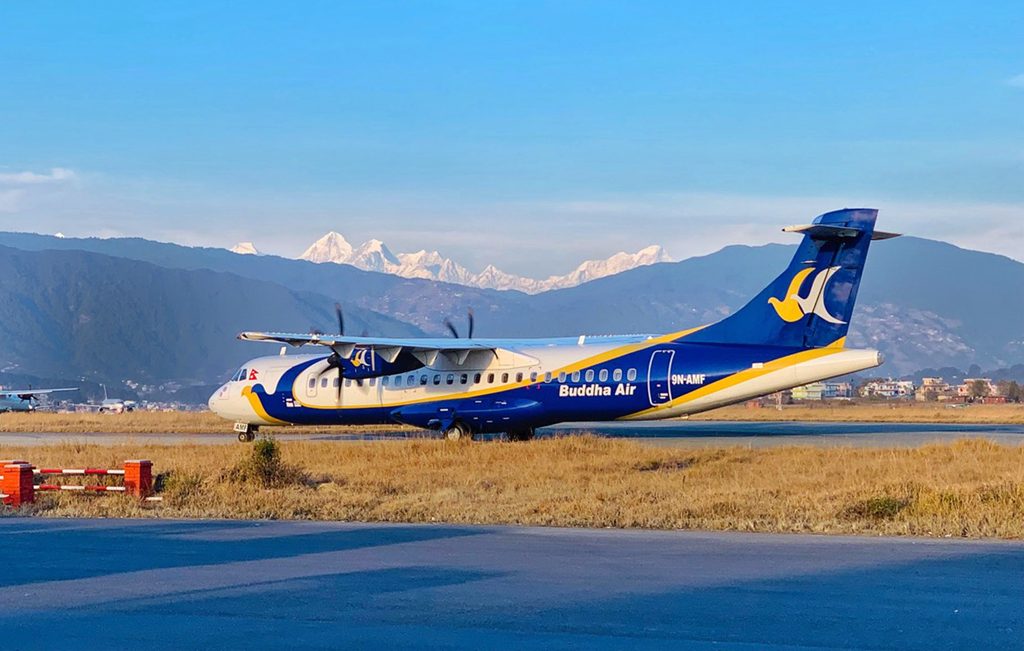
Elsewhere, Buddha Air, Yeti Airlines, and Shree Airlines continue operating their regular domestic schedules from Tribhuvan International Airport (TIA).
Another development concerns international airport services.
TIA has introduced a live-feed checked baggage tracking system for international arrivals.
However, late-autumn morning haze can still affect flight schedules.
Airlines continue recommending a seven-to-eight-hour buffer between domestic arrivals in Kathmandu and international departures.
What travelers should do: Confirm flights directly with airlines, arrange alternative transport where necessary, and avoid tight connections during Nepal’s busy autumn season.
3. Nepal Road Conditions: Prithvi Highway Rockfalls and Regional Travel Advisories
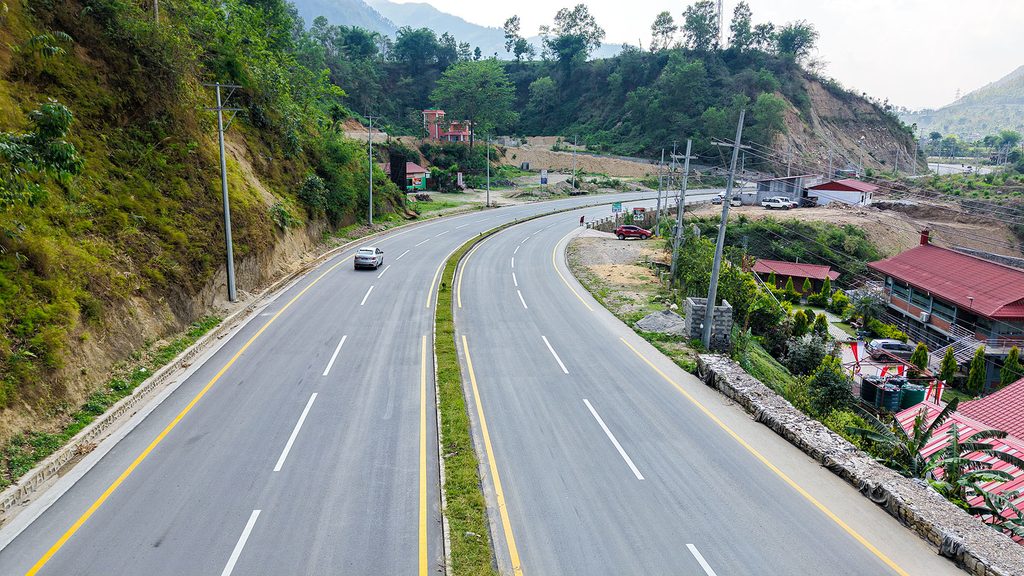
Road transportation remains an important part of traveling across Nepal.
However, seasonal geological conditions can create unexpected delays, particularly along mountain highways and routes connecting major tourist destinations.
Travelers moving between Kathmandu, Pokhara, and Chitwan should prepare for additional journey time.
Rockfalls Affect the Prithvi Highway
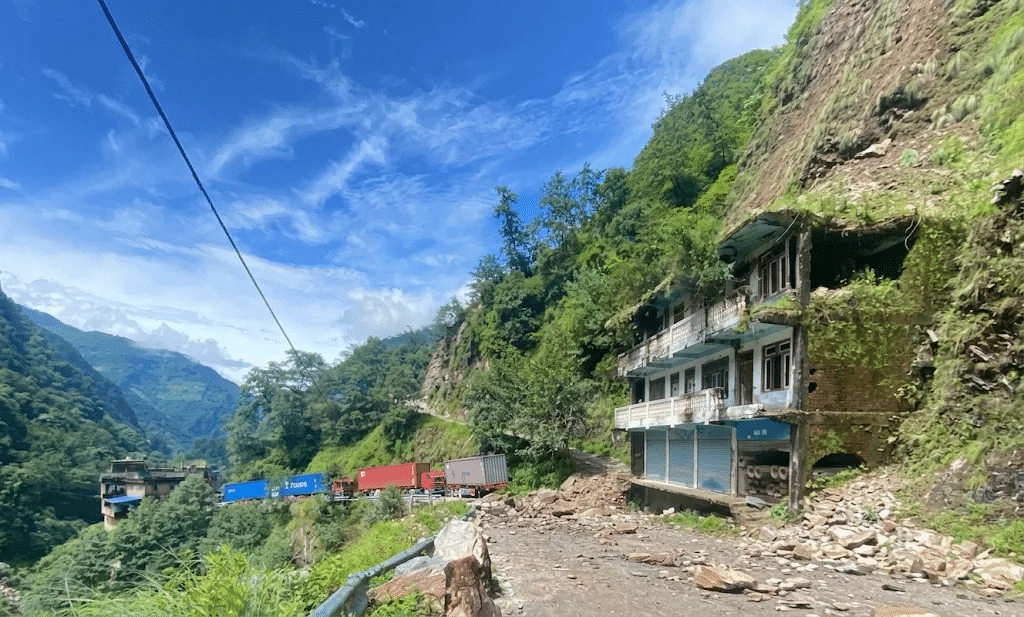
The Ghoptebhir section of the Prithvi Highway experienced fresh dry rockslides on November 19.
The affected stretch lies near the Chitwan–Dhading border.
Road crews cleared debris and restored vehicle movement. However, intermittent rockfalls continue to create temporary delays and one-way traffic arrangements.
The situation can change quickly depending on slope conditions and road maintenance activities.
Travelers using this highway should consider the following precautions:
- Prefer daytime departures.
- Allow additional time for highway journeys.
- Follow traffic police instructions.
- Avoid scheduling tight connections after long-distance bus journeys.
- Check road conditions before departure.
Overnight bus transfers are particularly unsuitable for travelers connecting to international flights without sufficient time.
Rasuwa Corridor Remains Under Travel Advisory
Authorities continue advising travelers to avoid the flood-damaged Rasuwa corridor.
The advisory includes areas around Syabrubesi and Timure.
The disruption follows earlier flood damage that affected transportation and infrastructure in the region.
Travelers planning to visit Langtang or nearby destinations should confirm access conditions with local authorities and tourism operators before departure.
Tatopani Border Reopening Remains Uncertain
Nepal’s Foreign Ministry formally urged Chinese authorities on November 18 and 19 to expedite the reopening of the Tatopani border crossing.
The diplomatic discussions aim to restore trade and regional transportation following disruptions caused by the Rasuwagadhi flood situation.
However, Tatopani remains closed to general international tourist crossings for now.
Travelers should not assume that the crossing is available for international travel without an official reopening announcement.
4. Nepal Tourism Spending Increases 32.7% in First Quarter
Despite transportation challenges, Nepal’s tourism economy continues to show encouraging growth.
Figures released by Nepal Rastra Bank on November 19, 2026, indicate a significant increase in spending by international visitors.
Foreign tourists spent Rs 25.52 billion in Nepal during the first three months of the current fiscal year, covering Shrawan to Ashoj.
This represents a 32.7% increase compared with the Rs 19.23 billion recorded during the same period last year.
The increase reflects stronger tourism-related economic activity across the country.
Higher visitor spending also creates opportunities for hotels, restaurants, transportation operators, guides, and local businesses.
Eastern Nepal Destinations See Steady Visitor Activity
Tourism activity is not limited to Nepal’s most popular destinations.
Eastern Nepal’s Bhedetar has reported steady hotel occupancy throughout the week.
The hill destination continues attracting domestic travelers seeking cooler weather, scenic landscapes, and short getaways.
Such destinations highlight the growing potential of regional tourism beyond Kathmandu and Pokhara.
Nepal and India Revive Bilateral Air-Route Discussions
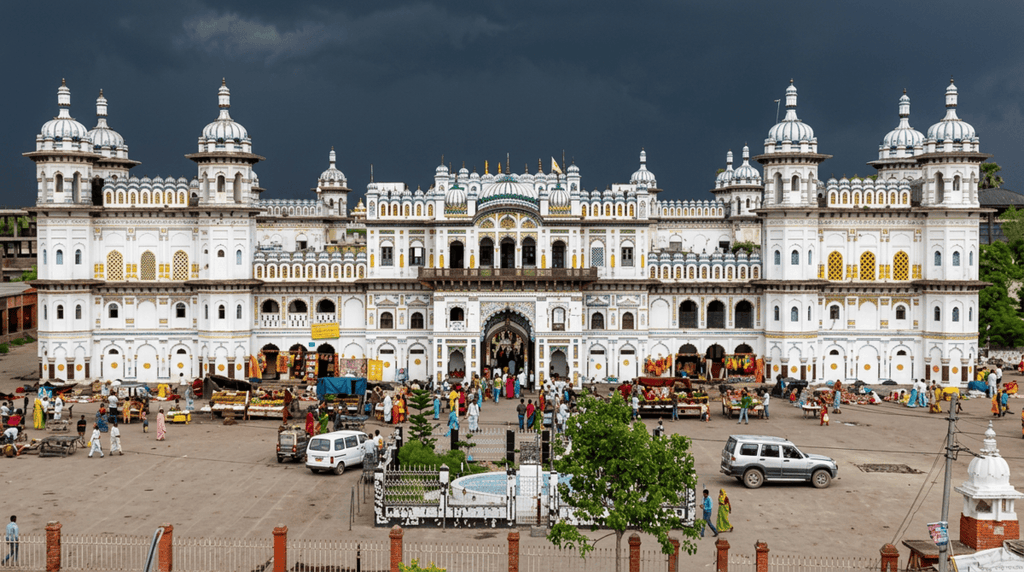
Nepal and India have also revived discussions on bilateral air routes ahead of high-level diplomatic meetings in New Delhi.
Kathmandu is pushing for two-way international entry access through four additional gateways:
- Bhairahawa
- Nepalgunj
- Mahendranagar
- Janakpur
Improved international air access through regional airports could help distribute tourist arrivals more widely.
It could also support tourism businesses outside the Kathmandu Valley and strengthen connectivity with neighboring Indian cities.
However, these discussions should not be confused with confirmed new international flight services. Actual implementation depends on bilateral agreements and aviation approvals.
Quick Traveler Checklist: Nepal Travel in Late November 2026
Before setting out, travelers should review these important points.
1. Check Annapurna permits
Agency-booked trekkers should carry printed and physically stamped permits. Confirm checkpoint requirements before entering the conservation area.
2. Confirm Mustang transportation
Do not depend on regular Pokhara–Jomsom commercial flights. Arrange a suitable four-wheel-drive vehicle or confirmed charter.
3. Prepare for Lukla flight congestion
Allow extra time for Ramechhap transfers and possible flight delays during the busy autumn season.
4. Allow additional highway travel time
Check the latest Prithvi Highway conditions, especially around Ghoptebhir. Prefer daytime travel.
5. Avoid restricted Rasuwa routes
Do not travel through the flood-affected Rasuwa corridor without official confirmation that access has reopened.
6. Leave sufficient flight connection time
Maintain a seven-to-eight-hour buffer between domestic arrivals and international departures in Kathmandu.
7. Complete arrival registration
International visitors should complete the required NepaliPort digital arrival registration process and retain relevant travel documentation.
Final Thoughts: Stay Informed Before Traveling Across Nepal
November offers some of Nepal’s most rewarding travel experiences, from the Annapurna Circuit and Everest region to Mustang and the eastern hills.
However, favorable weather does not guarantee smooth transportation or unrestricted access.
The latest November 2026 updates highlight the importance of checking permits, confirming flights, monitoring highway conditions, and following official travel advisories.
Whether you are planning a Himalayan trek, a Mustang road trip, or a short domestic holiday, a little preparation can prevent unnecessary delays.
Stay informed, travel responsibly, and explore Nepal with confidence.
Follow NepalVue for the latest Nepal travel updates, destination stories, and tourism news.
1. Is November a good time to travel to Nepal in 2026?
Yes. November is generally one of the best months to visit Nepal. It offers favorable trekking conditions, relatively clear mountain views, and opportunities for cultural and wildlife experiences. However, travelers should check current flight schedules, road conditions, and regional advisories.
2. Are special printed permits required for Annapurna trekking in November 2026?
According to the November 2026 update, agency-booked trekkers must carry printed, physically stamped permits before entering the Annapurna Conservation Area. Independent trekkers may present digital QR permits, subject to applicable requirements.
3. How many tourists visited the Annapurna Conservation Area in October 2026?
The Annapurna Conservation Area recorded 41,758 foreign tourist arrivals in October 2026, compared with 37,076 visitors in October 2025.
4. Are Lukla flights operating normally in November 2026?
Lukla flights are operating during the autumn trekking season, but the airport is experiencing high traffic. More than 200 combined fixed-wing and helicopter movements are being handled daily. Travelers should prepare for possible delays and confirm their schedules with airlines.
5. Are Pokhara–Jomsom flights available in November 2026?
Regular scheduled flights between Pokhara and Jomsom remain suspended by Tara Air and Summit Air, according to the latest update. Private charters are the reported air alternative. Travelers can also reach Jomsom by road through Beni.
6. How long does it take to travel from Pokhara to Jomsom by road?
The overland journey generally takes seven to ten hours, depending on road conditions, traffic restrictions, and weather. Travelers should arrange suitable four-wheel-drive transportation.
7. Is the Prithvi Highway safe for travel in November 2026?
The Prithvi Highway remains operational, but intermittent rockfalls around Ghoptebhir have caused temporary delays and one-way traffic. Travelers should check road conditions, follow official instructions, and preferably travel during daylight hours.
8. Is the Rasuwa–Syabrubesi route open for tourists?
Travelers are currently advised to avoid the flood-damaged Rasuwa corridor, including areas around Syabrubesi and Timure. Check with local authorities before planning a trip.
9. How much did foreign tourists spend in Nepal during the first quarter of FY 2026/27?
Foreign visitors spent Rs 25.52 billion in Nepal during the first three months of the fiscal year, Shrawan to Ashoj. This was a 32.7% increase from Rs 19.23 billion during the same period last year.
10. How much time should I leave between domestic and international flights in Kathmandu?
Travelers should allow at least seven to eight hours between domestic arrivals and international departures in Kathmandu, according to the reported airline guidance. This provides additional time for possible delays caused by late-autumn morning haze.
11. Is the Tatopani border open for international tourists?
No. According to the latest update, Tatopani remains closed to general international tourist crossings despite diplomatic discussions about reopening the border.
12. What should tourists check before traveling in Nepal in November 2026?
Travelers should check trekking permits, airline schedules, road conditions, weather forecasts, regional travel advisories, and border restrictions before departure.


