



When Tihar arrives in Nepal, kitchens become as lively as the streets. The smell of freshly fried sel roti fills neighbourhoods. Families prepare sweets, arrange fruits and dry fruits, and welcome guests with festive treats.
Known as the festival of lights, Tihar is also a celebration of food, family and generosity. Each dish carries a place in the festival, whether it is prepared for a religious offering, shared with relatives or served to visitors.
From the iconic sel roti to sesame-covered anarsa, Tihar brings together flavours that Nepalis look forward to every year. Some families prepare these dishes at home, while others buy them from local sweet shops and markets.


But what foods are traditionally associated with Tihar? And why do these dishes matter? Let’s explore the traditional foods that make Tihar special across Nepal.
1. Sel Roti: The Taste of Tihar
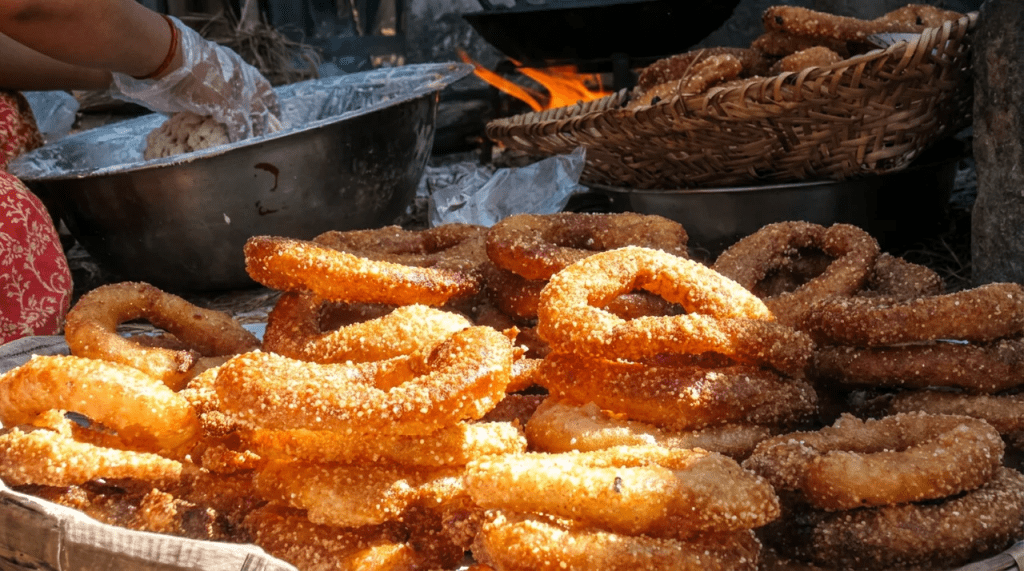
If one food captures the spirit of Tihar, it is sel roti. This golden, ring-shaped rice bread is among Nepal’s most recognisable festive foods.
Made from rice flour or ground soaked rice, sel roti is mixed with sugar and ghee. Some households also add cardamom, banana or other ingredients to their family recipe. The batter is poured by hand into hot oil, forming a large circular ring.
The result is crisp on the outside and soft inside, with a mildly sweet flavour.
Preparing sel roti is often a family activity. One person prepares the batter while another carefully pours it into the pan. Experienced cooks can shape the rings with remarkable consistency.
During Tihar, households make large batches to share with relatives, neighbours and visitors. Sel roti also appears on festive plates during Bhai Tika and is offered to guests and deusi-bhailo performers.
It is commonly enjoyed with tea, yoghurt or potato pickle. For many Nepalis, the first taste of freshly prepared sel roti signals that Tihar has arrived.
2. Anarsa: A Traditional Sweet With Sesame Seeds
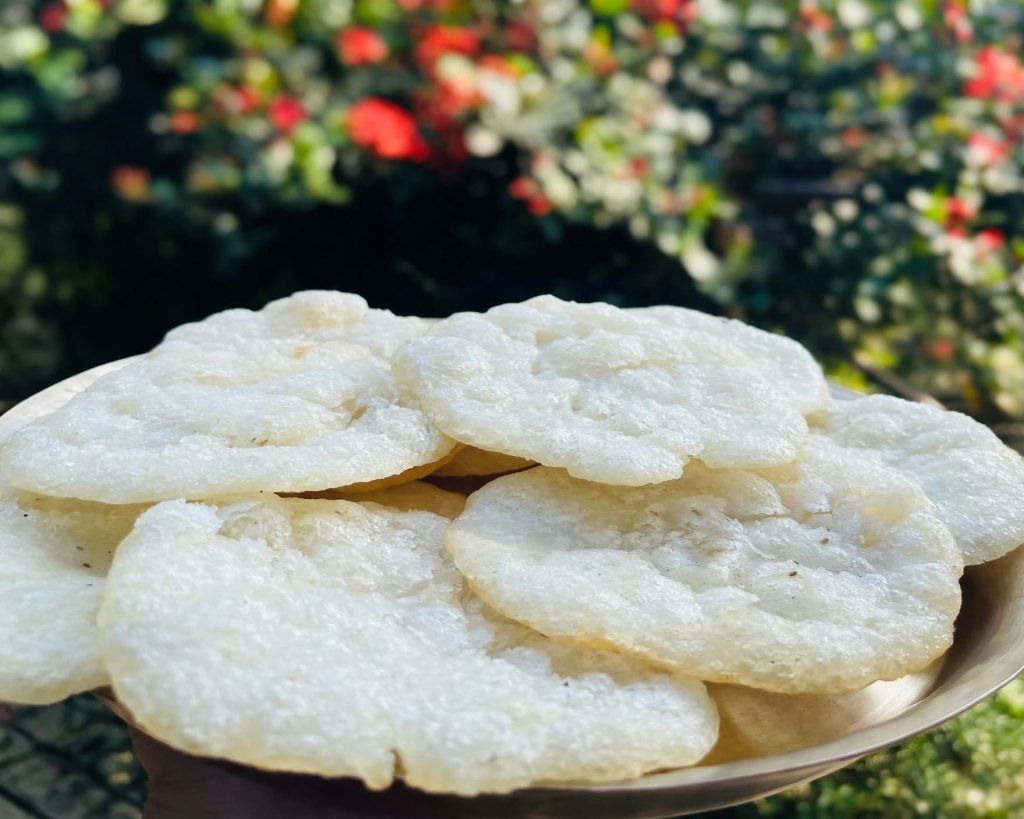
Anarsa is another traditional sweet associated with Tihar. It is usually prepared using rice flour, sugar and sesame seeds.
The preparation begins with rice that is soaked and processed into flour. The flour is mixed with sugar to make a dough. Small portions are shaped into flat rounds and coated with sesame seeds before frying.
Anarsa develops a lightly crisp exterior and a distinctive sweetness. Its sesame coating adds another layer of flavour.
Unlike everyday snacks, anarsa often appears during festivals and family gatherings. Preparing it can take time, so families sometimes make several pieces together for sharing.
It is also found during other celebrations, making it a familiar part of traditional Nepali festive cooking.
3. Fini Roti: A Crispy, Layered Festival Treat
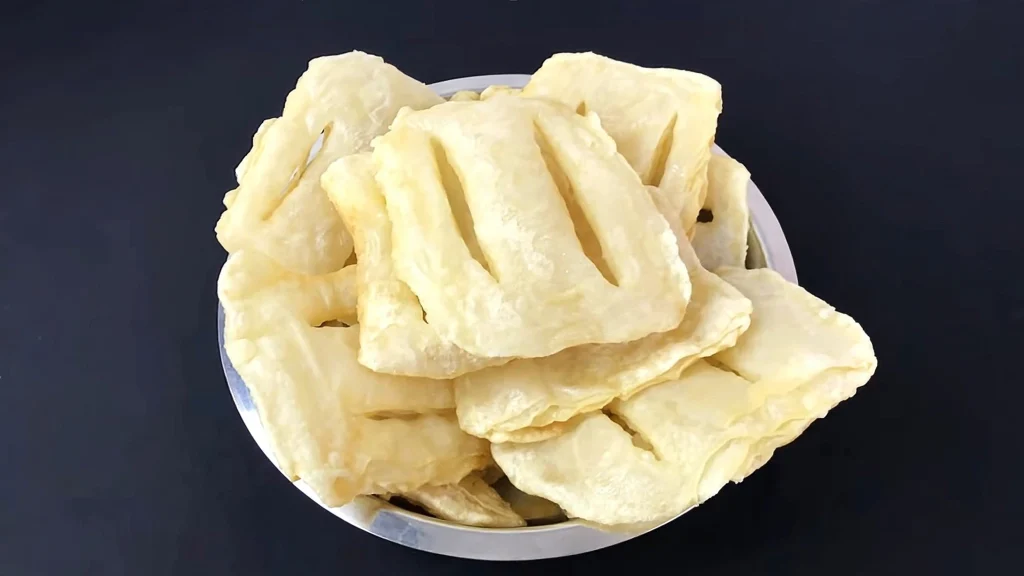
Fini roti is known for its delicate, layered texture. It is generally prepared using flour and ghee, with sugar added in some versions.
The dough is rolled and layered to create its characteristic texture. It is then shaped and fried or cooked, depending on the preparation method.
The finished bread is light, flaky and rich in flavour. Its texture makes it different from the softer, chewier sel roti.
Fini is enjoyed during festivals and special occasions. In some households, it is included among the sweets prepared for Tihar and shared with visiting relatives.
Recipes can vary between families, so the taste and texture are not always the same.
4. Khajuri and Khurma: Sweet Bites for Sharing
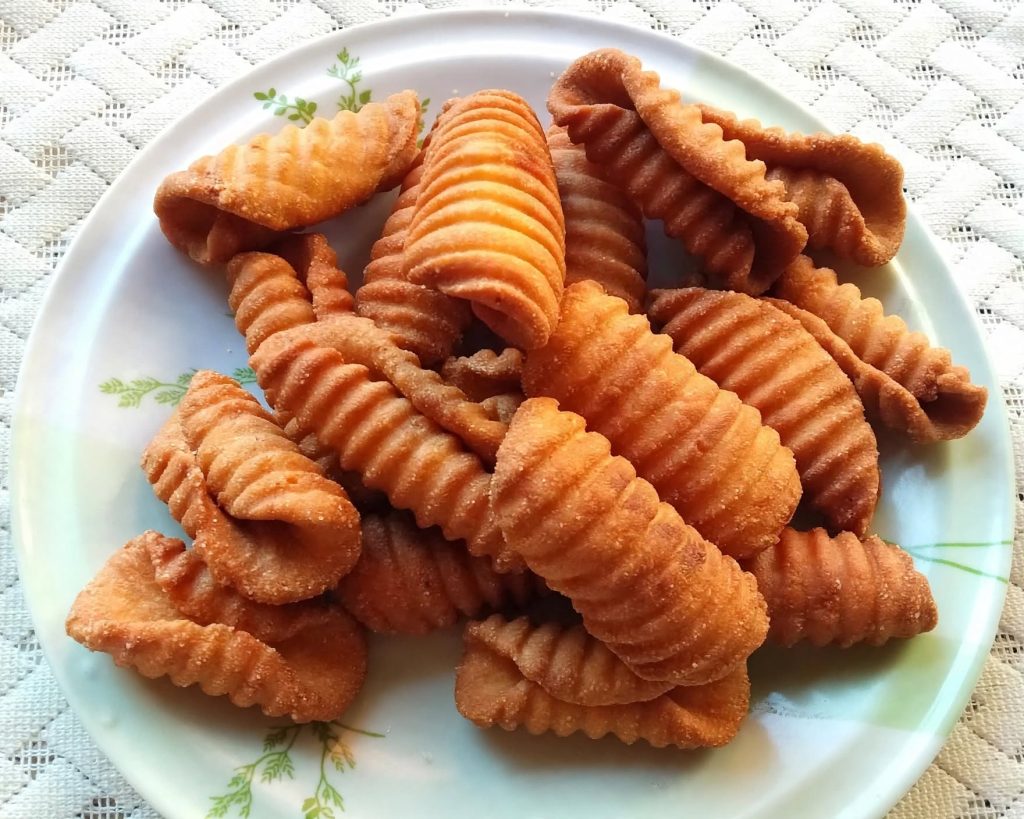
Khajuri and khurma are familiar traditional sweets found in Nepali households and local sweet shops.
Khajuri is commonly made from flour, sugar and ghee. The dough is shaped into small pieces and fried until golden. It is usually crunchy and mildly sweet.
Khurma is another fried sweet, often prepared from flour-based dough. Its shape, texture and sweetness can vary depending on the household or recipe.
Both are convenient treats for festive gatherings. They can be prepared in batches and stored for later, making them suitable for serving guests throughout the celebrations.
Although neither is exclusive to Tihar, these sweets often find a place on festive plates alongside sel roti and anarsa.
5. Laddus, Barfi and Other Nepali Mithai
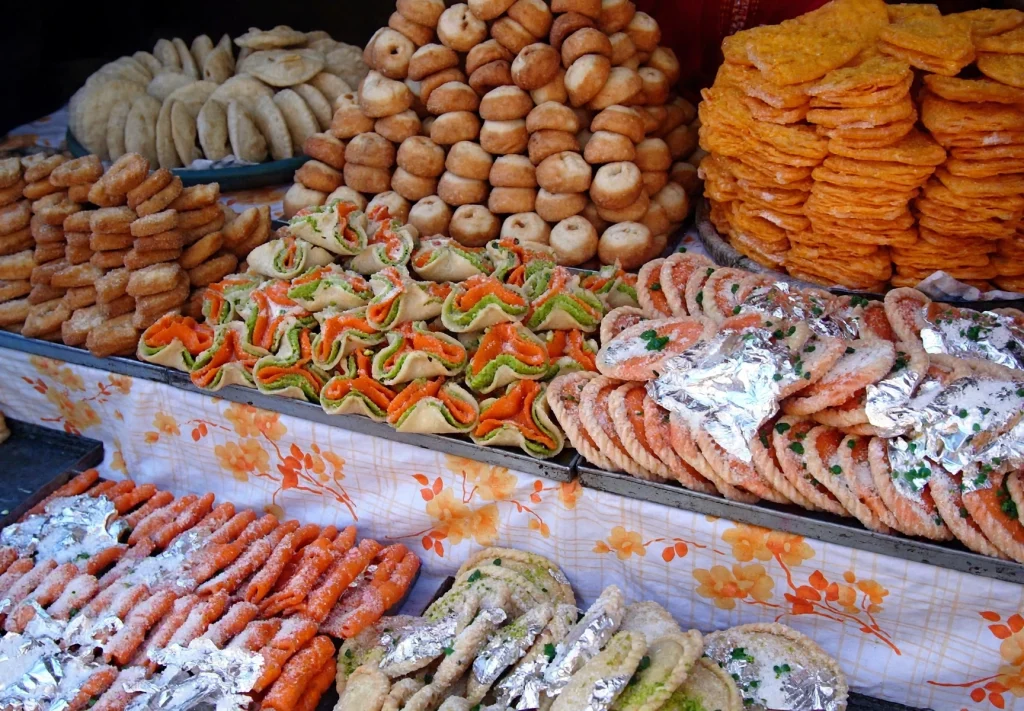
Tihar is also a time for enjoying mithai, the traditional sweets found across Nepal.
Laddus are round sweets made using different ingredients, including flour, sugar, ghee, sesame or gram flour. Their recipes vary, giving them different textures and flavours.
Barfi is another popular sweet. It is usually prepared using milk solids, sugar and other ingredients such as nuts or coconut.
Lalmohan, a soft, syrup-soaked sweet, is also enjoyed during celebrations. Its rich sweetness makes it a popular choice for serving guests.
These sweets are often purchased from local sweet shops or prepared at home. Families arrange them on plates for guests, relatives and festive offerings.
The selection depends on household preferences, local traditions and availability.
6. Bhai Masala: A Gift of Good Wishes
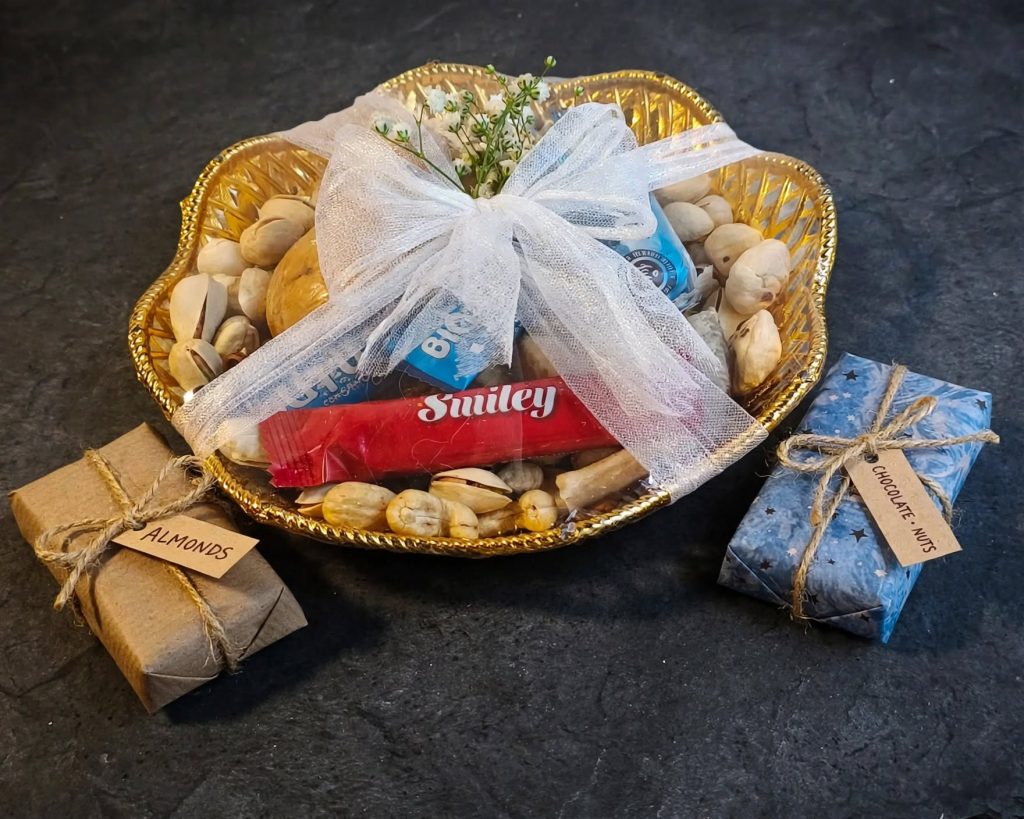
Bhai masala is closely associated with Bhai Tika, the final day of Tihar.
On this day, sisters worship their brothers and offer prayers for their long lives, happiness and well-being. Brothers, in return, give gifts and blessings to their sisters.
Bhai masala is a traditional assortment of dry fruits, nuts, sweets and other treats given during this exchange.
Depending on the family, it may include:
- Almonds and cashews
- Raisins and dates
- Walnuts and other nuts
- Dried coconut
- Traditional sweets
- Fruits and seasonal treats
The contents are not fixed. Families choose different combinations based on their preferences and traditions.
Bhai masala is more than a collection of snacks. It represents affection, care and the bond between brothers and sisters.
For many families, preparing and exchanging it is an important part of Bhai Tika.
7. Fruits and Dry Fruits: An Important Part of Festive Offerings
Fruits and dry fruits are common during Tihar, especially when families prepare offerings and welcome guests.
Bananas, apples, oranges, coconuts and seasonal fruits may appear on household puja plates. Families also arrange nuts and dried fruits as part of their festive food preparations.
During Laxmi Puja, households prepare offerings as they worship Goddess Laxmi and seek prosperity for the coming year.
On Bhai Tika, fruits and dry fruits are also shared among family members. They often accompany sweets and other festive foods.
The exact selection depends on local availability and family customs. However, sharing food remains an important part of the celebration.
8. Newari Foods During Swanti: A Different Festival Experience
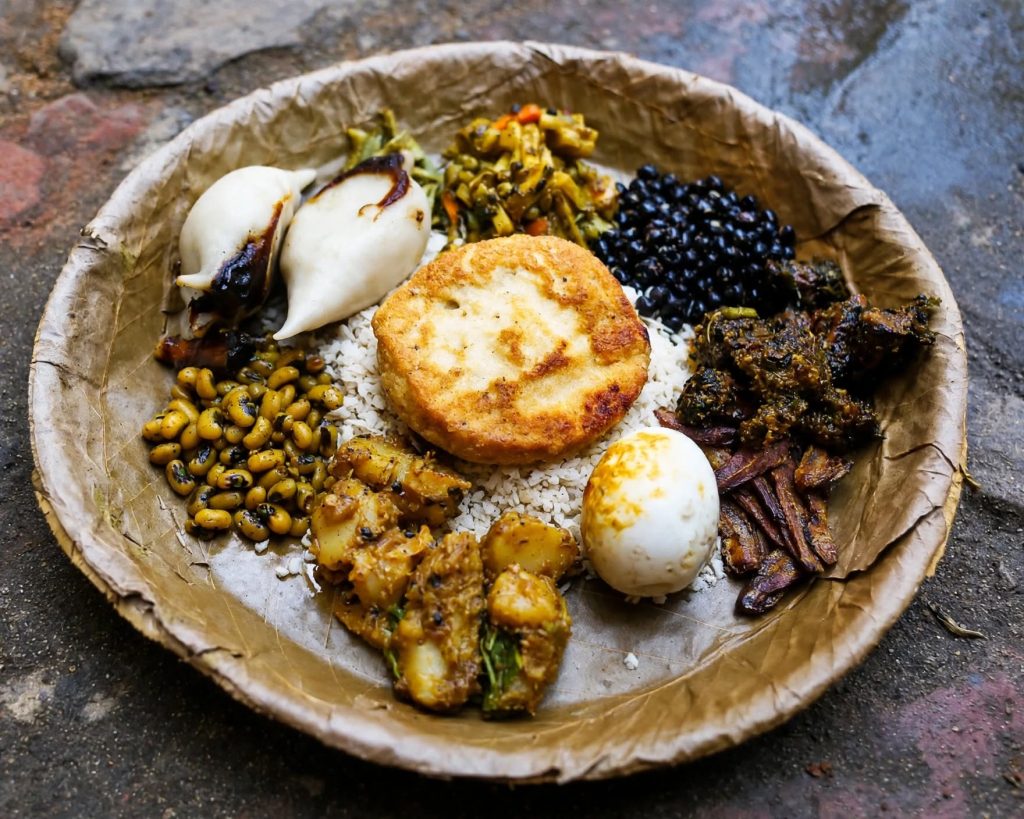
In the Kathmandu Valley, Newar communities celebrate Tihar as Swanti. The festival includes its own rituals, food traditions and family gatherings.
Mha Puja, which marks the Newar New Year, is an important part of this celebration.
Food plays a special role in these gatherings. Families prepare traditional Newari dishes and arrange ritual offerings according to their customs.
One important tradition is sagun, a ceremonial offering that may include boiled egg, fish, meat, alcohol and other foods. The exact arrangement varies across households and communities.
Newari families may also enjoy dishes such as:
Samay Baji: A traditional Newari platter that can include beaten rice, roasted meat, black soybeans, ginger, potato and other accompaniments. Its ingredients vary by occasion and household.
Choila: A spicy Newari meat preparation, traditionally made with grilled or smoked meat and mixed with spices.
Bara: A savoury lentil pancake made from ground black lentils or other lentils. It may be served plain or with egg or meat.
These dishes are not exclusive to Tihar. However, they are part of the wider food culture that makes Swanti celebrations distinctive.
For visitors exploring the Kathmandu Valley during Tihar, Newari food offers another way to experience the region’s cultural traditions.
9. Food During Deusi-Bhailo: Sharing the Festival
Deusi-bhailo is one of Tihar’s most recognisable traditions. Groups of people visit neighbourhoods, sing traditional songs and celebrate with music and dance.
In return, households offer money, fruits, sweets and other refreshments.
Sel roti is a familiar treat during these visits. Depending on the household, performers may also receive homemade snacks, sweets or packaged food.
This exchange reflects the welcoming spirit of Tihar. Food becomes a way for neighbours to participate in the celebration and share what they have prepared.
For children and young people, receiving festive treats during deusi-bhailo is often one of the most memorable parts of Tihar.
10. Why Does Food Matter During Tihar?
Tihar is not simply about preparing special dishes. Food connects the festival’s rituals with everyday family life.
Some dishes are prepared as offerings. Others are shared with relatives, neighbours and visitors. Certain foods are also exchanged as gifts, strengthening relationships across generations.
Sel roti, for example, is closely linked with hospitality and festive gatherings. Bhai masala represents affection between siblings. Fruits and sweets become part of religious offerings and family celebrations.
The preparation itself is meaningful. Family members gather in the kitchen, share recipes and pass traditional cooking skills to younger generations.
These customs also reflect Nepal’s cultural diversity. A Newar household in Bhaktapur may prepare a different festive spread from a family in the eastern hills or the Terai.
There is no single menu that represents every Nepali household. The dishes change with geography, community, religion and family tradition.
Yet the spirit remains familiar: prepare, offer, share and celebrate.
Where Can You Experience Traditional Tihar Food in Nepal?
The best place to experience Tihar food is often a Nepali home. During the festival, families prepare dishes for relatives, neighbours and invited guests.
However, visitors can also explore local markets and food shops.
Kathmandu Valley: Explore traditional sweet shops and Newari restaurants in Kathmandu, Patan and Bhaktapur. You may find sel roti, anarsa and a range of Newari dishes.
Local neighbourhood markets: Markets become lively before Tihar. Look for seasonal sweets, dry fruits, nuts and ingredients used in festive cooking.
Homestays: Community homestays can offer opportunities to experience household food traditions. Ask your host whether they prepare special dishes during Tihar.
Local bakeries and sweet shops: Many shops sell traditional sweets and festive snacks during the season. Availability varies, so explore early.
If someone invites you to share a Tihar meal, accept the invitation when possible. It can offer a more meaningful experience than simply tasting food at a restaurant.
Tips for Enjoying Tihar Food Respectfully
If you are visiting Nepal during Tihar, a few simple things can make your food experience more enjoyable.
- Ask before taking photographs: Some food preparations are part of religious or family rituals.
- Respect household customs: Follow your host’s guidance during meals and puja ceremonies.
- Try local specialities: Do not limit yourself to sel roti. Explore regional dishes and Newari food traditions.
- Be mindful of dietary needs: Ask about ingredients, especially ghee, dairy, nuts and meat.
- Support local shops: Buying traditional sweets from local businesses helps keep familiar food traditions alive.
Most importantly, remember that Tihar food is closely connected to family and religious customs. Enjoy the dishes while respecting the traditions behind them.
Frequently Asked Questions About Tihar Foods
1. What is the most popular food eaten during Tihar?
Sel roti is one of the most recognisable foods associated with Tihar. This ring-shaped rice bread is prepared in many Nepali households and shared with relatives, neighbours and visitors.
2. Is sel roti specially made for Tihar?
Sel roti is strongly associated with Tihar, although families also prepare it for Dashain, weddings and other celebrations. Its preparation and ingredients can vary between households.
3. What sweets are prepared during Tihar in Nepal?
Common festive sweets include anarsa, khajuri, khurma, laddus, barfi and other traditional mithai. The selection varies by region and family.
4. What is bhai masala during Bhai Tika?
Bhai masala is an assortment of nuts, dry fruits, sweets and other treats exchanged during Bhai Tika. It represents affection and good wishes between brothers and sisters.
5. What food is offered during Laxmi Puja?
Families prepare fruits, sweets and other offerings during Laxmi Puja. The exact offerings vary according to household and religious customs.
6. Do all Nepali communities eat the same food during Tihar?
No. Nepal’s food traditions vary across communities and regions. Newar families, for example, have distinctive Swanti food customs, while other households prepare dishes based on their local traditions.
7. Can tourists try traditional Tihar food in Nepal?
Yes. Visitors can explore local sweet shops, markets, Newari restaurants and homestays. A meal shared with a local family can offer a particularly meaningful cultural experience.
More Than a Festival Meal
Tihar’s lights may brighten Nepal’s streets, but its food brings people closer around the table.
The sound of sel roti frying, the preparation of festive sweets and the exchange of bhai masala all carry memories of family and tradition.
From one generation to the next, these dishes keep familiar flavours alive. And although recipes differ across Nepal, the meaning behind sharing food remains much the same.
This Tihar, look beyond the lights. Discover the stories, flavours and traditions served on Nepal’s festive tables.
Follow NepalVue to discover more stories behind Nepal’s food, festivals, people and culture.


