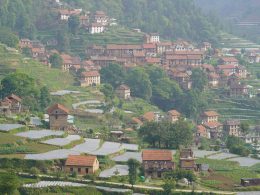



Most people assume you have to trek for a week and sleep in freezing teahouses to touch real Himalayan snow. That assumption is wrong. Kalinchowk sits at 3,842 meters in Dolakha district, roughly 150 kilometers northeast of Kathmandu, and you can stand ankle-deep in fresh powder here after a single day of travel and a six-minute cable car ride. No expedition permit. No altitude-sickness itinerary. Just a jeep, a ridge, and a temple that has drawn pilgrims for centuries.
Here is what most tour brochures gloss over, and what you actually need to know before you go.
Why Kalinchowk Is Worth the Trip
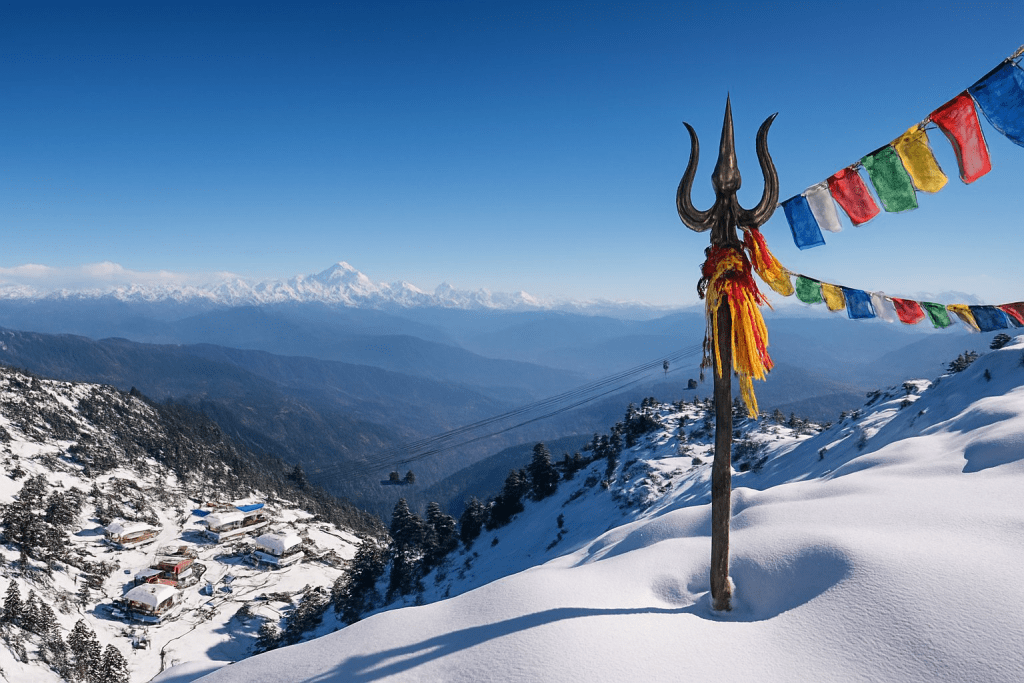
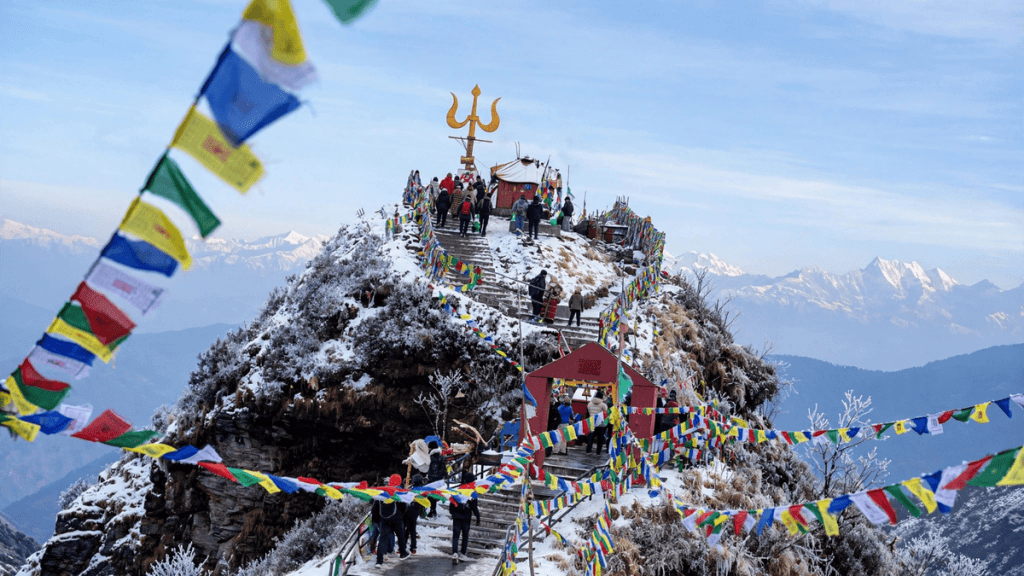
Two things pull travelers up this ridge, and they rarely overlap anywhere else in Nepal so cheaply. One is snow. The other is the Kalinchowk Bhagwati Temple, a Shakti shrine perched at the very top of the hill.


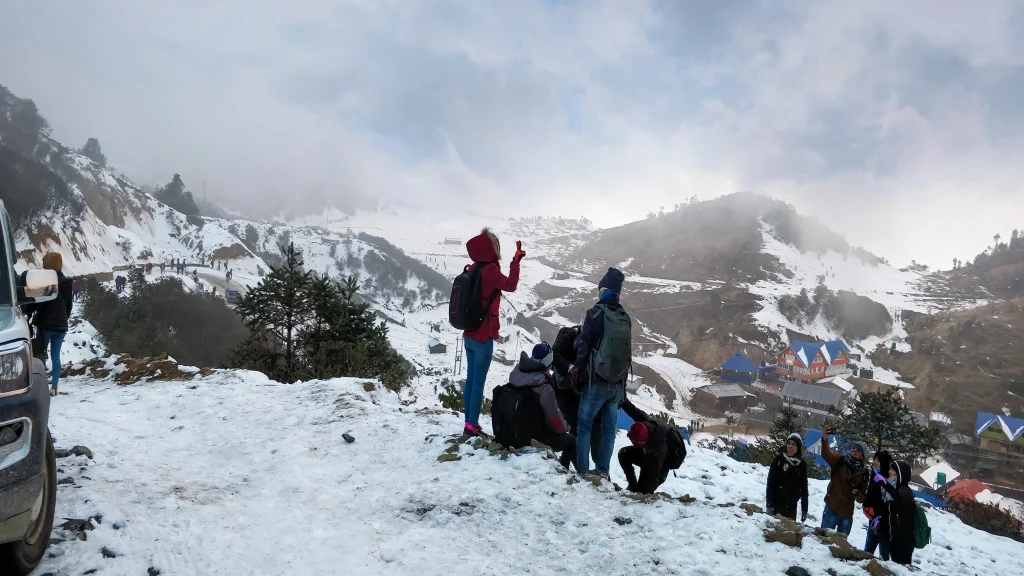
Snow is the headline act. From late December through February, the whole ridge above Kuri Village turns white, and for many Nepalis raised in the warm Terai or humid Kathmandu Valley, this is the first snow they ever see in person. Watching families throw their first-ever snowball is honestly half the fun of being here.
Spiritual weight is the quieter draw. The temple is dedicated to Goddess Bhagwati, a manifestation of Durga, and it pulls a steady stream of Hindu pilgrims year-round, with crowds peaking during Dashain. You do not have to be religious to feel something at the summit. Wind, thin air, brass bells, and a 360-degree wall of white peaks tend to do the work for you.
Views seal the deal. On a clear morning you can trace Gaurishankar, Dorje Lakpa, and a long sweep of the Rolwaling and Langtang ranges from a single vantage point. Sunrise from the top station is the moment everyone drags themselves out of bed for, and it earns the alarm clock.
Getting to Kalinchowk from Kathmandu
Reaching the ridge is a two-stage journey, and knowing the split saves you a lot of confusion at the trailhead.
The Road: Kathmandu to Charikot to Kuri
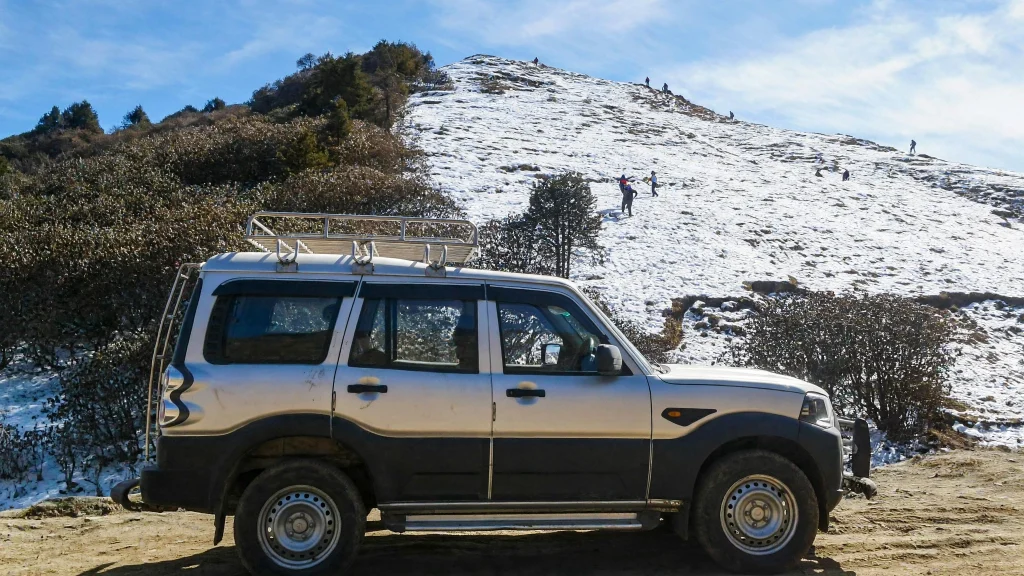
First you cover about 132 kilometers of paved highway from Kathmandu to Charikot, the district headquarters of Dolakha. Charikot to Kuri Village is another 18 kilometers or so, but it is rough off-road terrain that demands a four-wheel-drive vehicle. A regular car will not make the final climb, especially when the track is icy or muddy.
Total travel time runs about six to seven hours door to door, depending on road conditions and how many tea stops your driver insists on. A private Scorpio jeep from Kathmandu to Kuri and back typically costs around NPR 21,000 for the vehicle, which becomes very affordable split across a group of six or seven. Shared tour packages advertise rates near NPR 5,000 per person on a sharing basis, though double-check whether that figure includes the cable car ticket, because it usually does not.
Where Kuri Village Fits In
Kuri Village is your base camp, plain and simple. Sitting just below the summit, it holds the cluster of hotels, lodges, and restaurants where nearly everyone spends the night before an early temple visit. From Kuri you have two ways up to the shrine: the cable car, or your own two legs.
The Kalinchowk Cable Car: Fares and Details
Operating since 2018, the cable car is the fast lane to the summit. The line runs 2.5 kilometers and reaches the top station in roughly six minutes, with each cabin holding up to eight passengers. Before it existed, everyone hiked the final steep stretch, which is still an option and a good one if your knees and lungs agree.
Fares, confirmed directly from the operator Kalinchowk Darshan Limited, break down like this as of early 2026:
- Regular (Nepali): NPR 400 one way, NPR 600 round trip
- Students, senior citizens, and differently abled travelers: NPR 500 round trip
- Indian citizens: NPR 640 one way, NPR 960 round trip
- Foreigners: NPR 760 one way, NPR 1,300 round trip
A few practical notes that trip people up. Tickets stay valid for seven days from purchase, so you are not locked into using the return leg the same day. There is currently no advance online booking, which means you buy in person at Kuri. Operating hours run 6:00 AM to 4:00 PM Sunday through Friday, and an earlier 5:00 AM start on Saturdays and holidays to catch the sunrise rush. Rates are subject to change without notice, so treat these as a strong guide rather than a locked quote. You can verify current pricing on the official Kalinchowk Darshan ticket page before you travel.
Hiking Up Instead of Riding
Plenty of visitors skip the cable car on the way up and hike, then ride down, or the reverse. From Kuri Village the walk to the temple takes roughly 45 minutes to an hour on a clear day, climbing a steep and rocky path that gets genuinely slippery under snow and ice.
Bring proper footwear with grip. I cannot stress this enough, because the single most common complaint from winter visitors is slipping on the icy final stretch in the wrong shoes. Microspikes or crampons that strap over your boots are cheap to rent in Kuri and worth every rupee if you are attempting the summit path in deep winter.
Best Time to Visit
Your ideal window depends entirely on what you came for.
For snow, aim for late December through February. Peak snowfall generally lands in January, and that is when Kuri fills up with weekend crowds from Kathmandu. Book accommodation ahead during this stretch, because rooms genuinely sell out and last-minute arrivals sometimes end up sleeping in cold, poorly equipped overflow lodges.
For clear mountain views and comfortable walking, spring and autumn win. March to May brings rhododendron blooms lower on the slopes and stable, crisp skies. Late September through November delivers the cleanest post-monsoon panoramas of the year, and if you are timing a trip around Nepal’s festival season, this overlaps beautifully. Our month-by-month guide to the best time to visit Nepal breaks down the trade-offs season by season.
Monsoon, roughly June through August, is the one stretch I would steer you away from. Fog swallows the views, leeches appear on the trails, and that off-road track from Charikot turns treacherous with landslides and washouts.
Where to Stay and What to Eat
Kuri Village is small, and its lodges range from basic to genuinely rustic. Set your expectations accordingly. Rooms are simple, walls can be thin, and heating is often a shared stove in the dining hall rather than anything in your room. Some travelers have arrived expecting a resort and left disappointed, so go in knowing this is a mountain village, not a spa town.
A handful of newer lodges have improved things with better insulation and hot water, but they cost more and book out fastest in peak snow season. Ask specifically about blankets, hot water availability, and whether there is any room heating before you commit.
Food is straightforward Nepali comfort fare. Dal bhat, thukpa, noodle soup, momos, and endless glasses of hot tea keep the cold at bay. Prices run higher than in the city because everything is hauled up that rough road, and that markup is fair once you have seen the track.
What to Pack for Kalinchowk
Cold is the theme, even outside deep winter, because 3,842 meters is genuinely high. A few essentials make or break the trip:
- Warm layers, including a proper down or insulated jacket. Temperatures drop below freezing at night in winter.
- Waterproof boots with strong grip, plus rentable crampons for icy stretches.
- Gloves, a warm hat, and thermal base layers.
- Sunglasses and sunscreen, since snow glare at altitude is no joke.
- A power bank, because cold drains phone batteries fast and charging can be limited.
- Cash in rupees, as card payments are unreliable up here.
Combining Kalinchowk with Other Trips
Because it sits just a day from the capital, Kalinchowk slots neatly into a wider itinerary rather than eating a whole vacation. Many travelers pair it with a couple of days exploring the capital’s temples and old quarters using a solid Kathmandu travel guide before or after the mountain run.
If you are visiting during autumn festival season, a Kalinchowk pilgrimage layers naturally into Dashain travel, when the Bhagwati temple sees its heaviest devotion. Our guide to the Dashain festival explains why this shrine matters so much during those weeks. For broader trip planning, Nepal’s official tourism resources at the Nepal Tourism Board are a useful starting point.
Frequently Asked Questions
How high is Kalinchowk?
The Kalinchowk Bhagwati Temple sits at 3,842 meters above sea level, in Dolakha district. At that altitude, expect thin air, cold nights, and possible mild breathlessness on the final climb, though serious altitude sickness is rare on such a short visit.
How much does the Kalinchowk cable car cost?
As of early 2026, a round-trip ticket costs NPR 600 for Nepali adults, NPR 500 for students and seniors, NPR 960 for Indian citizens, and NPR 1,300 for other foreign visitors. Rates can change without notice, so confirm at the ticket counter in Kuri or on the operator’s official site.
Is there snow at Kalinchowk?
Yes, and it is the main reason many Nepalis visit. Snowfall typically blankets the ridge from late December through February, with January usually the snowiest month. Outside that window, snow is unlikely, so time your trip carefully if powder is the goal.
How do I get to Kalinchowk from Kathmandu?
Drive about 132 kilometers to Charikot, then continue roughly 18 kilometers off-road to Kuri Village in a four-wheel-drive vehicle. Total travel time is around six to seven hours. From Kuri, reach the temple by cable car or on foot.
Do I need a permit to visit Kalinchowk?
No special trekking permit is required for Kalinchowk, which is one of its big advantages over restricted Himalayan regions. You simply pay for transport, accommodation, and the cable car or entry as applicable.
Can beginners hike to the Kalinchowk temple?
Yes. Anyone reasonably fit can manage the 45-minute to one-hour climb from Kuri to the summit, and the cable car exists for those who would rather skip it. Winter ice is the main challenge, so grippy footwear and rentable crampons matter far more than raw fitness.
How many days do you need for a Kalinchowk trip?
Two days and one night is the standard and most comfortable plan. You travel up on day one, sleep in Kuri, catch sunrise and the temple on day two, then drive back. Squeezing it into a single day is possible but exhausting and skips the best light.
Is Kalinchowk suitable for families with children?
Very much so, and families are a big part of the crowd in snow season. Just dress children in proper warm layers, watch footing on the icy path, and consider the cable car both ways with young kids to keep the day manageable.