


Foreigners were banned from setting foot here until 2002. For decades the Nar Phu Valley sat sealed off behind restricted-area rules, a pocket of the Annapurna region so close to the Tibetan border that Kathmandu kept it off-limits. Now it is open, but barely. Fewer people walk into Nar and Phu in an entire year than reach Everest Base Camp in a single busy week, and that scarcity is exactly the point. You come here for what most of Nepal lost years ago: villages that still run on Tibetan Buddhist rhythm, trails without teahouse crowds, and a landscape that feels closer to the moon than to the green foothills you drove through to get here.
Where the Nar Phu Valley Actually Is
Start with the Annapurna Circuit in your head, then step off it. Right around Koto, a small village just past Chame in the Manang district, a side trail peels north into a narrow gorge carved by the Nar Khola. That gorge is the doorway. Follow it and you climb away from the well-trodden circuit into a hidden basin ringed by cliffs, prayer walls, and peaks that top 7,000 meters.
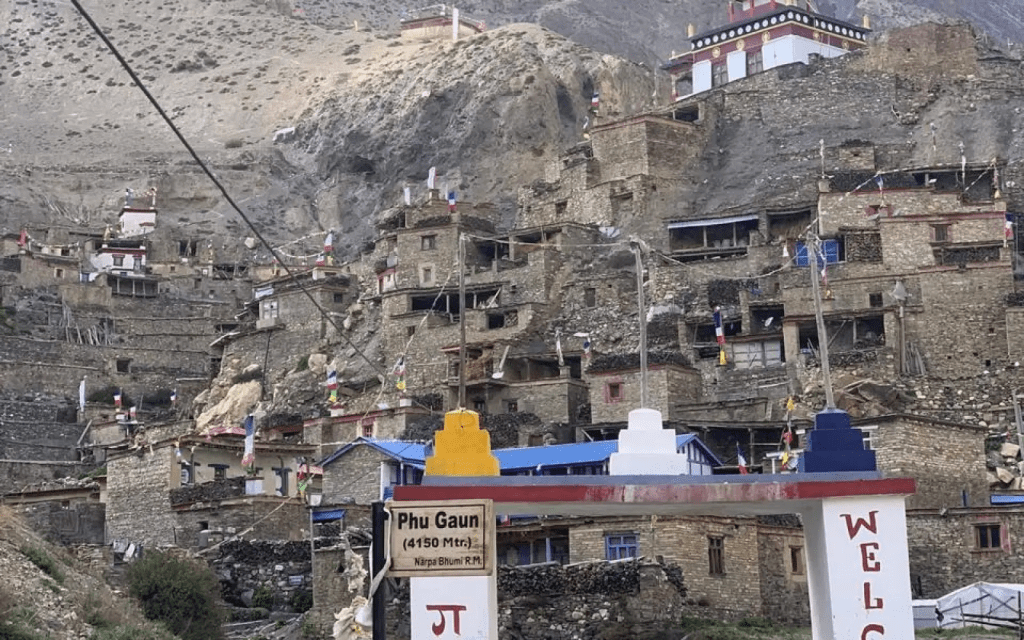
Two main settlements anchor the region. Phu sits at roughly 4,080 meters, a fortified cluster of stone houses that looks like it was built to survive a siege, which historically it more or less was. Nar, slightly lower at around 4,110 meters, feels warmer and more lived-in, with barley fields and chortens scattered across the plateau. Both villages trace their culture straight back to Tibet, and the people here are ethnically and linguistically closer to Lhasa than to Kathmandu.


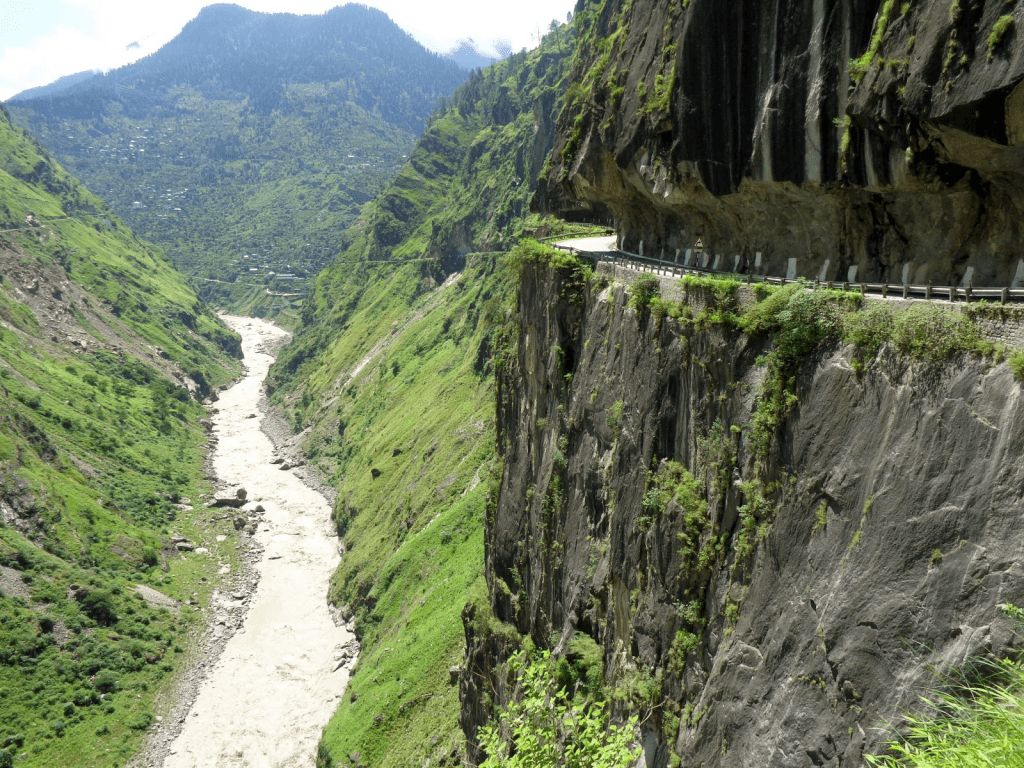
Here is what most guides won’t tell you: the drive to the trailhead is half the adventure. Getting from Kathmandu to Koto means a long, bumpy day on the road to Besisahar and then a rough jeep track up to Chame. Roads have crept deeper into the Annapurna region every year, which shortens the walk but does nothing to soften the arrival.
The Route and What Each Day Feels Like
Most trekkers tackle the valley over eight to twelve days on the trail, not counting travel to and from Kathmandu. A ten-day itinerary is the sweet spot for good reason. It gives you two proper acclimatization days, one in Phu and one in Nar, which matters enormously when you are heading toward a pass above 5,300 meters.
A rough shape of the classic route looks like this:
- Drive to Koto or Chame, then walk into the gorge along the Nar Khola.
- Climb steadily through pine forest and past hot springs toward Meta, the first taste of the high, dry highland zone.
- Push on to Phu village and spend a full day exploring, including the Tashi Lhakhang monastery, one of the most revered gompas in the region.
- Cross back and climb to Nar village, with its painted chortens and working fields.
- Take on Kang La Pass, then descend to Ngawal and rejoin the Annapurna Circuit near Manang.
Days are long and honest. Expect six to nine hours of walking on rocky, uneven ground, with steep ascents that make your lungs work and descents that punish your knees. No cable cars, no shortcuts. Just you, a guide, and a trail that has not been paved smooth for tourists.
Kang La Pass: The Hard Heart of the Trek
Kang La is the moment everyone remembers. Sitting at roughly 5,320 meters (about 17,450 feet, though you will see figures between 5,306 and 5,322 across different sources), it connects Nar with the Manang side of the circuit. Crossing it is not technical. You will not need ropes or crampons in normal conditions. What it demands instead is a strong pair of legs and lungs that have adjusted to thin air.
Guides typically start the push around 4 a.m. from Nar. You reach a base camp area in about two hours, then grind another three hours to the top. Cold, dark, and slow going, but the payoff is a summit view stretching across Annapurna II, Gangapurna, and the Chulu peaks. From there it is a knee-testing descent toward Ngawal, where the green returns and the air feels thick and generous again.
Permits and Rules for the Nar Phu Valley
Because this is a restricted region, you cannot just wander in solo. Rules are firm, and checkpoints enforce them. Two permits form the backbone of any legitimate trip.
- Restricted Area Permit (RAP): As of early 2025, the fee ran about USD 100 per person per week during the September to November peak, and roughly USD 75 per person per week from December through August. Beyond the first week in peak season, expect an extra charge of around USD 15 per person per day.
- Annapurna Conservation Area Permit (ACAP): This costs NPR 3,000 for foreign nationals, which works out to roughly USD 30. You can read the official details straight from the National Trust for Nature Conservation, the body that manages the conservation area.
Two more rules trip people up. A licensed guide is mandatory, and you need a minimum of two trekkers to obtain the restricted permit. Solo travelers simply cannot get the paperwork, so if you are on your own you will need to team up or book through an agency that pairs you with others. For the full picture on how Nepal’s permit system works across regions, our complete guide to Nepal trekking permits breaks down every card and fee you might run into.
When to Go
Timing makes or breaks this trek. Two windows stand out clearly.
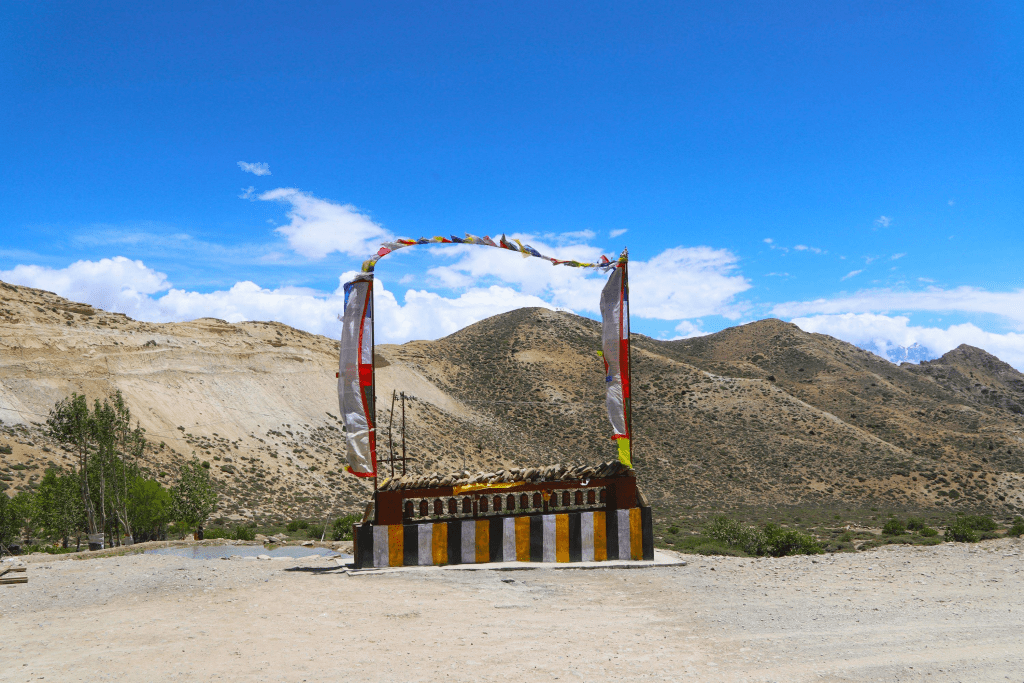
Autumn, from late September through November, is the gold standard. Skies are clear, temperatures are manageable, and the trails are dry and stable. Spring, roughly March to May, comes a close second, with warmer days and blooming rhododendron lower down before you climb into the arid zone.
Monsoon months from June to August are best avoided. Rain soaks the lower gorge, leeches come out, and landslides can close the road you need to reach Koto. Winter is a different beast: Kang La Pass can be buried in snow, and Nar and Phu turn brutally cold as many families move to lower elevations. Interestingly, the upper valley itself sits partly in a rain shadow, so it stays drier than the surrounding hills even in summer, but the access road remains the weak link.
What Makes the Nar Phu Valley Worth the Effort
Plenty of Nepal treks deliver mountains. Far fewer deliver a living culture that has barely bent to tourism. That is the real draw here. In Phu you can watch daily life unfold much as it has for centuries, from yak herding to butter-lamp offerings inside centuries-old monasteries. Monks at Tashi Lhakhang still follow a monastic calendar that predates the country’s roads.
Solitude is the other gift. On the main Annapurna Circuit you share the trail with hundreds. Step into Nar Phu and you might pass a handful of other trekkers all day, sometimes none. If that kind of quiet appeals to you, the nearby Manang Valley and the wider Mustang region scratch a similar itch, offering dry Tibetan landscapes without the wall-to-wall crowds of Nepal’s headline treks.
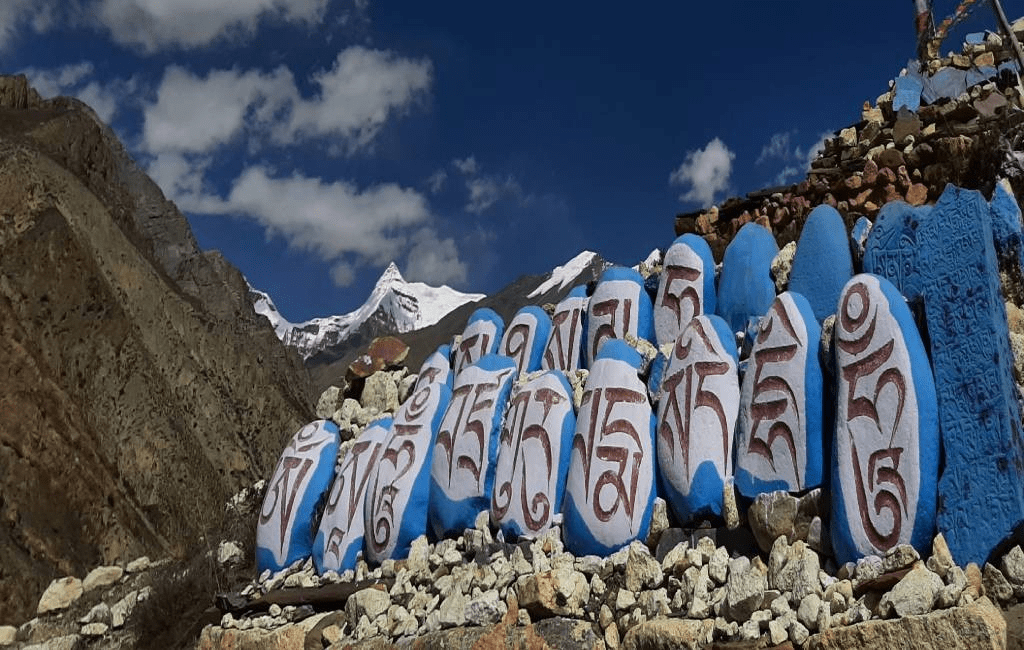
A word of caution before you commit. Facilities are basic. Teahouses exist but they are simple, food options are limited, and there is no reliable rescue infrastructure the way there is on busier trails. That remoteness is precisely what you are paying for, yet it means you have to arrive fit, insured, and mentally ready for rough nights. For official trip-planning resources and current tourism advisories, the Nepal Tourism Board is a sensible starting point.
Quick Practical Tips
- Budget realistically. Between permits, a mandatory guide, jeep transport, and teahouse costs, a Nar Phu trip runs pricier per day than a standard teahouse trek.
- Carry cash. There are no ATMs past the road-head, and card payment is a fantasy up in the valley.
- Pack for real cold, even in autumn. Nights near Phu drop well below freezing.
- Build in buffer days. Weather, road closures, and altitude can all force a change of plan.
- Respect the sacred sites. These monasteries are active places of worship, not museum pieces.
Frequently Asked Questions
How difficult is the Nar Phu Valley trek?
It sits firmly in the moderate-to-strenuous range. Daily walks of six to nine hours over rough terrain, combined with a pass above 5,300 meters, make it unsuitable for total beginners. Reasonable fitness and prior high-altitude experience help a lot.
Do I need a guide for the Nar Phu Valley?
Yes, absolutely. As a restricted area, the region requires a licensed guide and a minimum group of two trekkers to obtain the permit. Going solo is not legally possible here.
How much do permits cost?
As of early 2025, the Restricted Area Permit was around USD 100 per person per week in peak season (September to November) and about USD 75 per week the rest of the year. On top of that, the ACAP permit costs NPR 3,000, roughly USD 30, for foreign nationals.
What is the highest point of the trek?
Kang La Pass, at approximately 5,320 meters, is the high point. Some sources list it slightly differently, between 5,306 and 5,322 meters, but the effort is the same either way.
When is the best time to trek Nar Phu?
Autumn (late September to November) offers the most reliable weather, with spring (March to May) a strong second choice. Monsoon and deep winter bring rain, snow, and road-closure risk, so most trekkers steer clear of both.
How many days does the trek take?
Plan on eight to twelve days on the trail, with ten days being the popular middle ground. Add travel days to and from Kathmandu on either end.
Can I combine Nar Phu with the Annapurna Circuit?
You can, and many do. Since the route rejoins the circuit near Manang after Kang La Pass, extending into the full Annapurna Circuit is a natural add-on for trekkers with more time.
Are there teahouses in Nar and Phu?
There are, but keep expectations modest. Accommodation is basic, menus are limited, and services are far simpler than what you find on mainstream trails. Come prepared for rustic comfort at best.