



Food connects people to culture. In Nepal, one specific treat holds a special place in everyone’s heart. That treat is Sel Roti.
This golden, ring-shaped fried bread is more than just food. It represents celebration, tradition, and home. It combines a crunchy exterior with a soft, chewy interior.
If you visit Nepal during a festival, you will smell it immediately. The sweet aroma of cardamom and fried rice batter fills the air.
Let us dive deep into the world of this iconic Nepali delicacy. We will explore its history, cultural value, and how to make it perfectly.
What is Sel Roti and Why is it Special?

At first glance, you might call it a rice donut. Some people compare it to a funnel cake or a churro. However, this treat is entirely unique.
The authentic recipe uses ground rice, not wheat flour. People soak the rice, grind it into a paste, and mix it with clarified butter (ghee) and sugar.
Key Fact: This snack is naturally gluten-free. This makes it a wonderful option for people with wheat sensitivities.
The texture sets it apart from western donuts. It is crispy on the outside but light and spongy on the inside. It is not overly sweet, which makes it perfect for any time of day.
The History of Sel Roti in Nepali Culture

This traditional bread has deep roots in Himalayan history. For centuries, people in Nepal have prepared it for major life events.
It is central to Hindu festivals like Dashain and Tihar. Tihar is also known as the festival of lights. During this time, every household makes these crispy rings.
A Symbol of Unity and Celebration
- Festivals: Families cook large batches to offer to the gods.
- Weddings: It is served to guests as a sign of respect and hospitality.
- Artifact of Love: Sisters give these sweet rings to their brothers during the Bhai Tika festival.
Historically, it was a practical food. The rice-based bread stays fresh for days without refrigeration. Travelers could easily carry it on long mountain journeys.
Key Ingredients Needed for Authentic Sel Roti
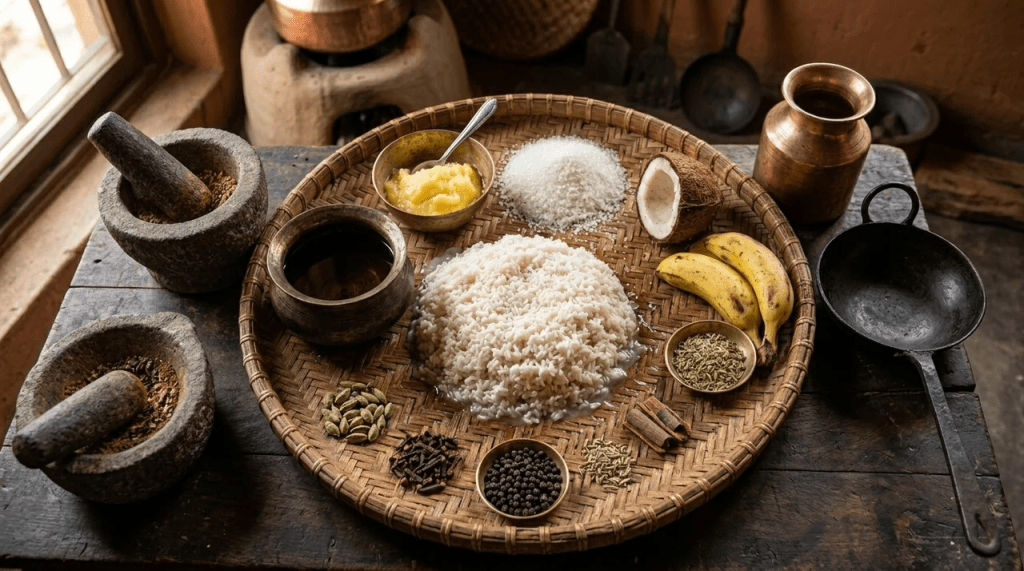
You do not need rare ingredients to make this dish. The magic lies in the quality and preparation of simple staples.
Here is what you need to gather:
| Ingredient | Purpose | Alternative |
|---|---|---|
| Rice (Tayal) | The main base of the batter | Cream of rice (in a pinch) |
| Ghee | Adds richness and moisture | Unsalted butter |
| Sugar | Provides gentle sweetness | Brown sugar or jaggery |
| Cardamom | Gives the signature warm aroma | Cinnamon powder |
| Oil/Ghee | Used for deep frying | Vegetable or canola oil |
Choosing the right rice is crucial. Traditionally, coarse local rice varieties work best. Long-grain basmati rice can sometimes make the batter too starchy.
Step-by-Step Guide on How to Make Sel Roti at Home
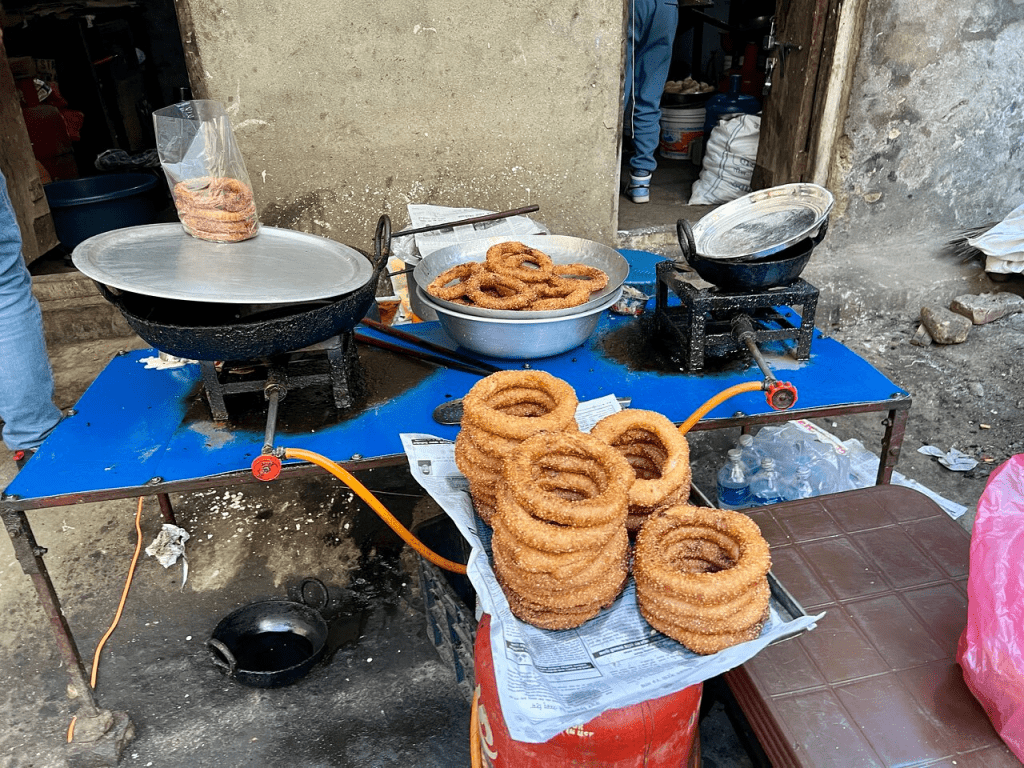
Making this dish is an art form. The shape requires practice and patience. Do not feel discouraged if your first few attempts look a bit chaotic.
Follow these detailed steps for the best results.
Step 1: Soaking the Rice
Start by washing your raw rice thoroughly. Soak it in water for at least 4 to 6 hours. Overnight soaking is even better.
Step 2: Grinding to Perfection
Drain the water completely. Put the damp rice into a blender. Grind it until it forms a semi-coarse paste. It should feel like fine sand, not smooth flour.
Step 3: Mixing the Batter
Pour the paste into a large bowl. Add the sugar, melted ghee, and crushed cardamom. Now, use your hands to mix it vigorously.
Step 4: Resting the Batter
Beat the mixture for about 10 minutes. This introduces air into the batter. Cover the bowl and let it rest for 1 hour at room temperature.
Step 5: Frying the Rings
Heat oil or ghee in a flat-bottomed frying pan. The oil must be very hot.
Pour the batter in a circular motion directly into the hot oil. Use two long wooden sticks (dani) to turn the ring. Fry until both sides turn a beautiful golden brown.
Master Tips for Perfect Sel Roti Shape and Texture
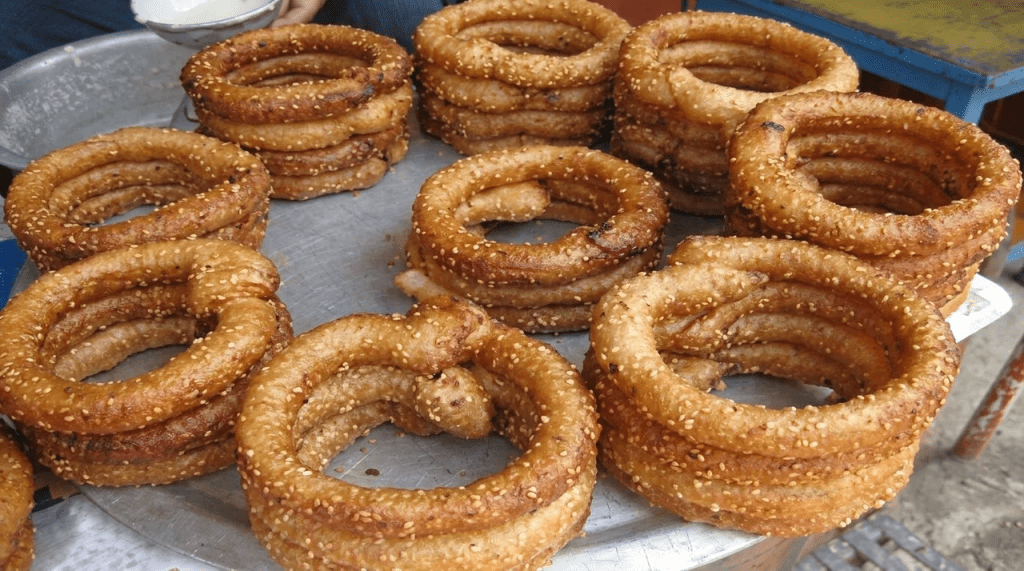
Getting the perfect ring shape can be tricky for beginners. The consistency of your batter determines your success.
If the batter is too thin, it will disperse in the oil. If it is too thick, it will become dense and hard.
- The Ribbon Test: The batter should fall from your hand in a thick, continuous ribbon.
- Use a Squeeze Bottle: Experts use their bare hands to shape the rings. Beginners can use a funnel or a clean squeeze bottle.
- Maintain Oil Temperature: Keep the heat on medium-high. Cold oil makes the bread greasy. Too much heat burns the outside while leaving the inside raw.
How to Eat and Pair Sel Roti
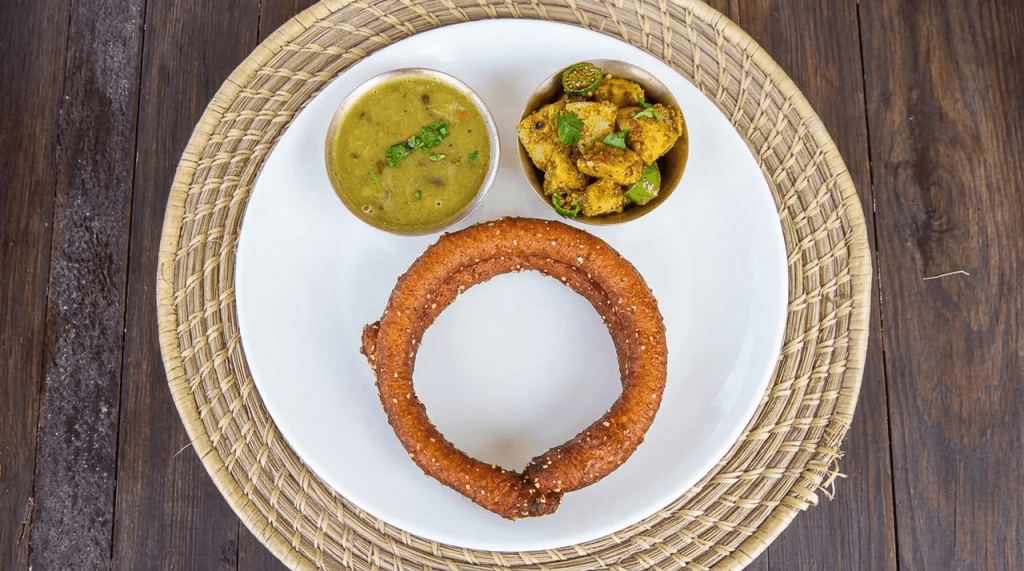
This versatile snack pairs wonderfully with many different flavors. It works well with both savory and sweet sides.
Classic Pairings
In Nepal, people usually eat it for breakfast or a midday snack. Here are the most popular combinations:
- Spicy Potato Curry (Aloo Dum): The spicy curry perfectly balances the sweet bread.
- Nepali Milk Tea (Chiya): Dipping a crispy piece into hot, spiced tea is pure comfort.
- Plain Yogurt (Dahi): A cooling and refreshing combination for a hot day.
- Pickles (Achar): Tomato or fermented mustard green pickles add a tangy kick.
You can also eat it completely plain. It tastes amazing even when it cools down to room temperature.
Nutritional Profile of This Traditional Rice Bread

Are you wondering about the health aspects of this treat? Since it is deep-fried, it is rich in energy.
Because it uses rice flour, it is entirely gluten-free. The addition of ghee provides healthy fats that keep you full. Cardamom aids digestion and adds antioxidants.
Enjoy it as a wonderful treat as part of a balanced diet. It gives you an authentic taste of Himalayan energy.
The Modern Evolution of Sel Roti
Today, this traditional food is moving beyond home kitchens. It is gaining popularity in global food markets.
In Kathmandu, modern cafes now serve it alongside specialty coffee. In New York, London, and Sydney, Nepali diaspora communities share it at cultural food festivals.
Some chefs are experimenting with new flavors. You can find modern versions with chocolate drizzles or matcha powder. Yet, the classic version remains the undisputed favorite.
Why You Should Try Making Sel Roti Today
Cooking food from other cultures expands our horizons. Making this dish connects you to a rich, ancient heritage.
It brings the warmth of Nepali hospitality into your own kitchen. The process is a fun culinary challenge for any passionate home cook.
Gather your ingredients, practice your pouring technique, and enjoy the delicious results. Your kitchen will smell like a beautiful festive morning in the Himalayas.
FAQs About Making Sel Roti
Why did my Sel Roti become hard?
Your bread might turn hard if the batter lacks enough ghee or sugar. Over-frying the rings also makes them tough. Ensure your batter rests properly before frying.
Can I use ready-made rice flour?
Yes, you can use store-bought coarse rice flour. However, you must mix it with water and let it sit. This allows the flour to hydrate completely.
How do I store leftover Sel Roti?
Store them in an airtight container at room temperature. They stay fresh for up to four to five days. Do not refrigerate them, as they will lose their texture.
Is Sel Roti vegan?
The traditional recipe uses ghee, so it is not vegan. You can easily make it vegan by replacing ghee with plant-based oil or vegan butter.
Why is my batter breaking apart in the oil?
This happens when the batter is too watery. To fix this, mix in a few tablespoons of fine rice flour to thicken the mixture.


