


In Kathmandu Valley, place names often reflect the temples, shrines, and deities that define them. Kandevsthan is one such place. Known as the city of temples, the valley is filled with sacred sites. They range from grand pagoda-style shrines to simple roadside stones. Local communities still revere these humble sacred spots. Many of these places carry fascinating stories, but few are as unusual as Kandevsthan.
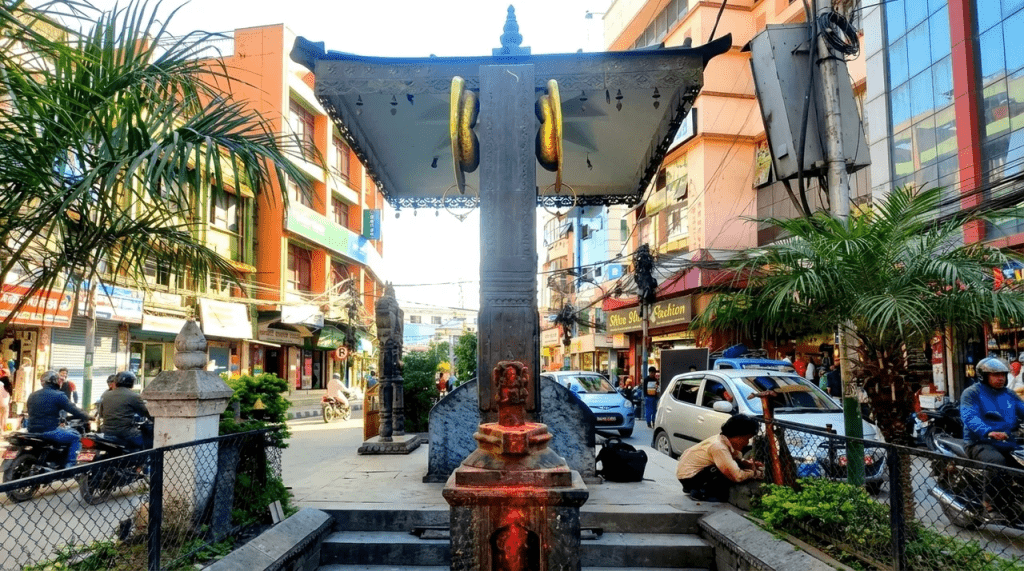
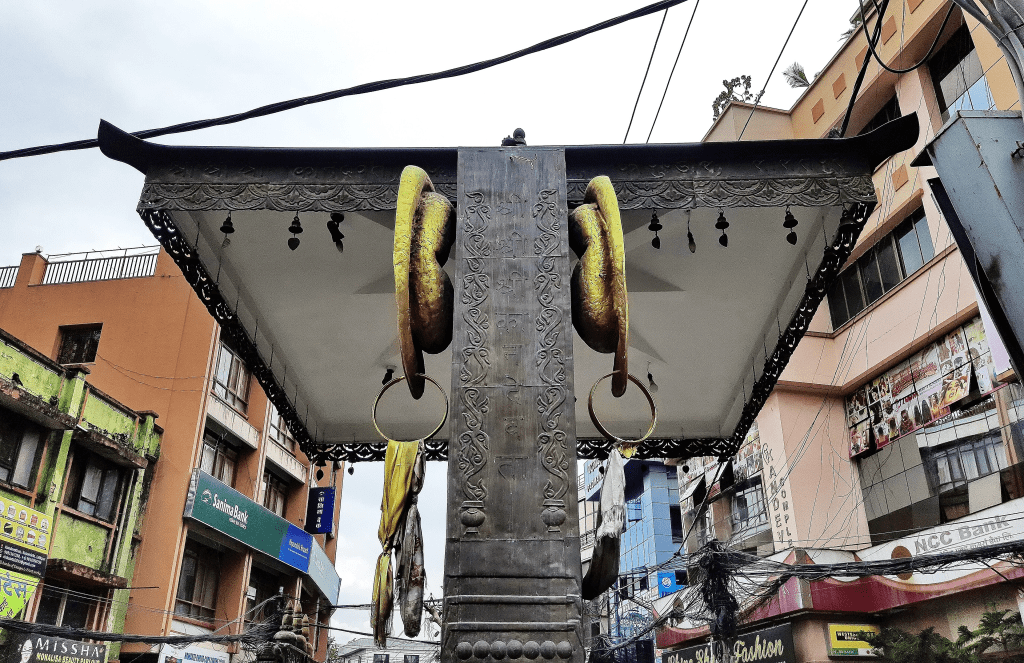
Located just across the Bagmati Bridge near the busy Kupondole bus stand, Kandevsthan is easy to miss. It sits quietly beside the main road, without grand architecture or towering structures. Yet behind this modest shrine lies one of the most intriguing legends in Kathmandu Valley. It turns an ordinary roadside spot into a remarkable piece of living heritage.
The Tantrik Cold War: Kathmandu vs. Patan
Every festival, temple, and holy ground in Nepal has a background story. These stories are preserved as legends passed through generations. They often explain the origin of cultural practices or specific localities. The origin story of Kandevsthan reads like a medieval spy thriller.


The legend dates back to the 17th century during the Malla era. At that time, Patan enjoyed a golden age of prosperity in administration, economy, and culture under King Sriniwas Malla. However, its rapid growth was seen as a major strategic threat by King Pratap Malla of Kathmandu.
Even though King Sriniwas Malla was actually Pratap Malla’s nephew, the two kingdoms shared a volatile history of geopolitical rivalry. Desperate to uncover Patan’s strategic plans, Pratap Malla sought a way to spy. However, he failed to place a human spy inside Sriniwas Malla’s tightly guarded palace. Unable to proceed, he turned to his Rajpurohit, the royal priest, for an alternative solution.
The Ultimate Tantrik Wiretap
During this era, the Kathmandu Valley was deeply immersed in Tantrism: the study of ancient Tantras involving mysticism, esoteric energy, and magical rituals. Tantrik masters were highly feared and profoundly respected, and many of the valley’s oldest traditions carry these mystical undertones.
Pratap Malla’s Rajpurohit suggested a brilliant trap: they would gift the King of Patan an object so visually alluring that he would keep it in his most private quarters. After brainstorming, they decided on a mesmerizing, spellbinding painting.
The task was assigned to one of Kathmandu’s finest artists. The King’s order was strict: paint an artwork so captivating that it will completely transfix the gaze of anyone who looks upon it. Struggling for months and facing failure after failure, the artist finally found his muse at home. One afternoon, his wife walked into the room freshly bathed and wrapped only in a thin, translucent layer of cloth. Inspired by her ethereal beauty, he painted his masterpiece.
Once completed, the Rajpurohit performed intense Tantrik rituals over the canvas, enchanting it with hidden mystical properties. The painting was then presented to King Sriniwas Malla as a grand royal diplomatic gift. Utterly enchanted by its beauty, the King of Patan did exactly what Kathmandu had hoped: he hung it securely inside his private bedchamber.
The “Antenna” Stone of Kupondole
Simultaneously, the Rajpurohit sent a secret group of operatives across the Bagmati River. The river marked the geopolitical border between the two kingdoms.
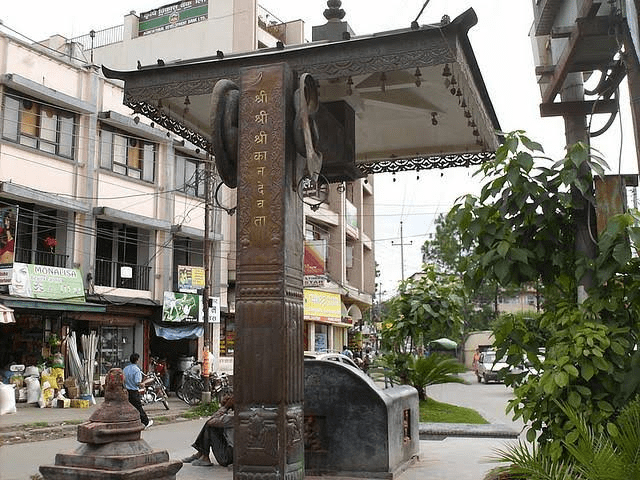
Upon entering Kupondole, the group installed a peculiar stone along the trail. It naturally resembled a human ear in shape. They convinced locals it was a sacred shrine of a powerful deity. In reality, this stone was a metaphysical tool: acting exactly like a modern-day radio antenna or listening bug.
Through the Tantrik link between the painting in Patan and the stone in Kupondole, King Pratap Malla was able to effortlessly eavesdrop on every private administrative strategy, state secret, and personal conversation Sriniwas Malla held within his chambers.
For years, Kathmandu successfully sabotaged Patan’s political moves, while Sriniwas Malla remained entirely oblivious to the leak.
How the Spy Plot Unraveled
The centuries-old corporate espionage finally collapsed due to a slip of the tongue. During a joint festival banquet hosted at the palace in Kathmandu, King Pratap Malla grew comfortable.
Over drinks, he accidentally referenced a highly private, intimate conversation that Sriniwas Malla had shared exclusively with his wife within their locked bedchamber.
Sriniwas Malla immediately realized his privacy had been compromised. Returning to Patan, he searched his room, deduced that the beautiful gifted painting was a magical listening device, and promptly destroyed it.
From Espionage Tool to Healing Shrine
While the destruction of the painting permanently severed Pratap Malla’s spy connection, the “antenna” stone placed at the crossroads of Kupondole remained right where it was. By then, the local community had already integrated the stone into their daily spiritual routines, building a small temple enclosure around it.
As generations passed, the original political plot faded into myth. Because the stone physically resembled a pair of human ears, people named the area Kandevsthan (Place of the Ear God). Following the logic of traditional folk healing, the community deduced that a deity shaped like an ear must hold divine dominion over auditory health.
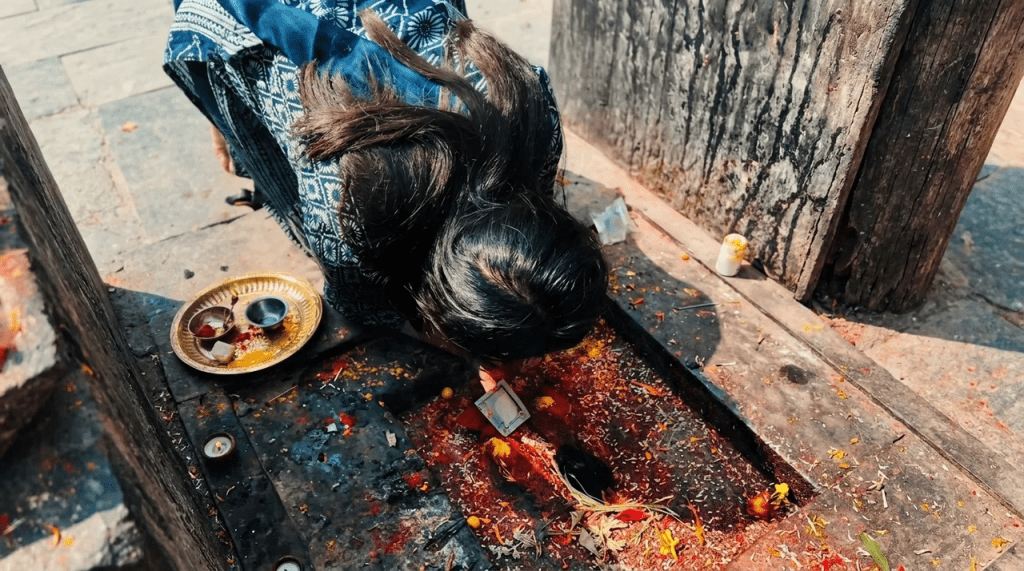
To this day, the site remains a deeply trusted folk-healing landmark where devotees visit to:
- Pray for a swift recovery from painful ear infections.
- Seek relief from chronic hearing difficulties.
- Offer marigolds and light oil lamps in gratitude after healing.
Spotting the Shrine Next Time You Commute
Though the entire surrounding area of Kupondole draws its identity from this temple, modern life moves quickly. Many people pass by without noticing it.
Now that you know the fascinating history of the Malla kings, the beautiful muse, and the ancient Tantrik “wiretap” hidden beneath the asphalt, the intersection feels different. It carries a new sense of charm.
Next time you cross the Bagmati Bridge into Lalitpur, slow down at Kupondole junction. Look to the right side of the main road. You will find this unassuming shrine.
Take a moment to notice the remarkable ear-shaped stone deity. It has quietly “listened” to the valley for over three hundred years.
Frequently Asked Questions (FAQs)
What is Kandevsthan?
Kandevsthan is a small roadside shrine in Kupondole, Lalitpur, known for its ear-shaped sacred stone and a fascinating legend linked to the Malla kings of Kathmandu Valley.
Where is Kandevsthan located?
Kandevsthan is located near the Kupondole bus stand in Lalitpur, just across the Bagmati Bridge from Thapathali. The shrine sits beside the main road and is easy to overlook amid the busy traffic.
Why is Kandevsthan called the Ear Temple?
The shrine’s sacred stone resembles a human ear. Over time, locals began referring to the site as Kandevsthan, meaning “Place of the Ear God,” and associated it with hearing and ear-related ailments.
What is the legend behind Kandevsthan?
According to local folklore, the shrine originated during the Malla era when King Pratap Malla of Kathmandu allegedly used a Tantrik-linked ear-shaped stone in Kupondole to spy on King Sriniwas Malla of Patan.
Is the story of Kandevsthan historically proven?
The tale is primarily a local legend passed down through generations. While it remains an important part of Kathmandu Valley’s folklore, historians generally regard it as a cultural myth rather than a verified historical event.
Why do people visit Kandevsthan?
Devotees visit Kandevsthan to pray for relief from ear infections, hearing difficulties, and other auditory problems. Many also offer flowers and oil lamps as acts of devotion.
What makes Kandevsthan unique among Kathmandu Valley temples?
Unlike many famous temples known for grand architecture, Kandevsthan is revered for its unusual ear-shaped stone, folk-healing traditions, and one of the valley’s most intriguing legends.
Can tourists visit Kandevsthan?
Yes. The shrine is open to visitors and can easily be included in a cultural walk around Kupondole, Patan, and other heritage areas of Lalitpur.
How old is Kandevsthan?
Local tradition traces the origins of Kandevsthan to the 17th-century Malla period, making it more than 300 years old according to legend.
What does Kandevsthan mean?
The name Kandevsthan combines the Nepali words “Kan” (ear), “Dev” (god), and “Sthan” (place), which roughly translates to “Place of the Ear God.”