



Every year on June 5, the world comes together to celebrate World Environment Day, a global platform for environmental awareness and action. The theme for World Environment Day 2026, announced by the United Nations Environment Programme (UNEP), is “Inspired by Nature.
Accompanied by the campaign hashtag #NowForClimate, the theme speaks directly to travelers exploring Nepal, where every trail, forest, and mountain landscape highlights both the wonders of nature and the urgency of protecting it.
Home to the world’s highest mountains, ancient forests, rich biodiversity, and resilient mountain communities, Nepal stands at the frontline of climate change despite contributing minimally to global greenhouse gas emissions.


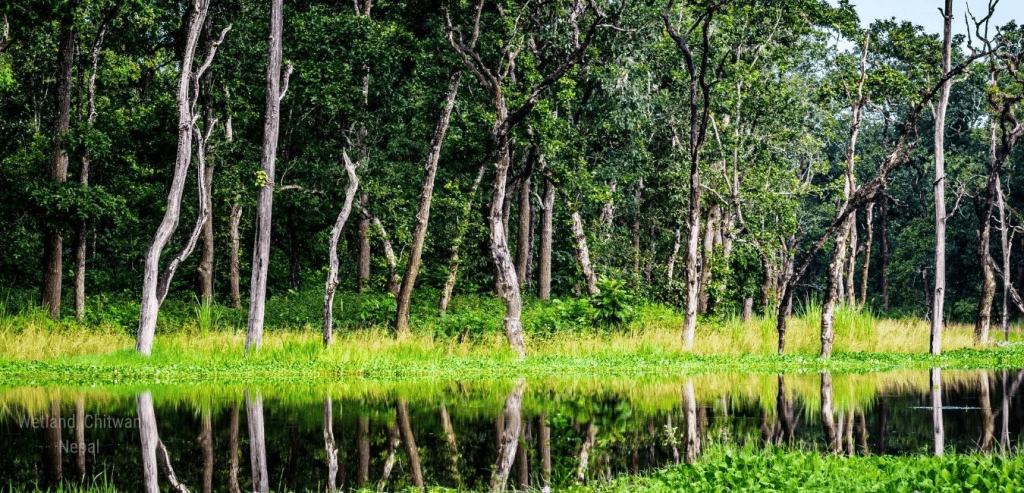
As trekking and adventure tourism continue to grow, responsible travel in Nepal has become more important than ever.
Why World Environment Day 2026 Matters in Nepal
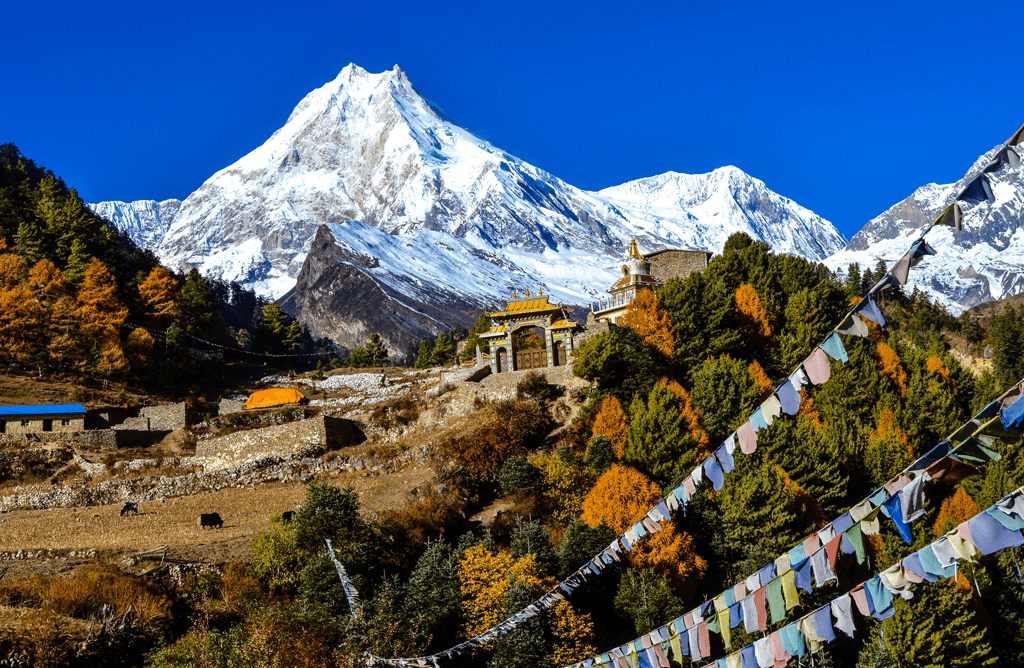
Millions of travelers dream of witnessing the grandeur of the Himalayas, from the towering peaks of Everest and Annapurna to the remote landscapes of Kanchenjunga. Yet these iconic destinations face unprecedented environmental challenges.
Rising temperatures are accelerating glacier melt across the Himalayas. Unpredictable weather patterns, increasing risks of landslides, and changing water systems are affecting both ecosystems and local communities that depend on mountain tourism.
The theme of World Environment Day 2026 encourages individuals, businesses, and governments to look toward nature itself for climate solutions. In Nepal, these solutions are already taking shape through community-led conservation, sustainable tourism initiatives, and ecosystem restoration projects.
Nepal’s Mountain Paradox
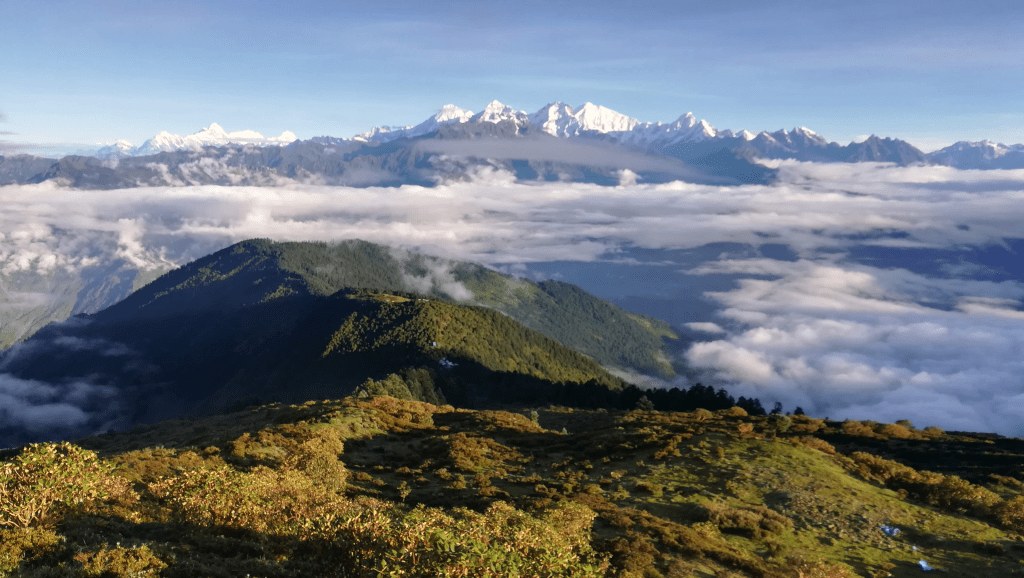
Nepal contributes less than 0.1 percent of global greenhouse gas emissions. Despite this, the country remains one of the most climate-vulnerable nations in the world.
The Himalayas are warming faster than many global regions, threatening glaciers that supply freshwater to millions of people downstream. The consequences extend beyond environmental concerns, directly impacting agriculture, tourism, infrastructure, and livelihoods.
For travelers, this reality carries a simple message: responsible trekking in Nepal is no longer a choice; it is a responsibility.
Nature-Based Climate Solutions in Nepal
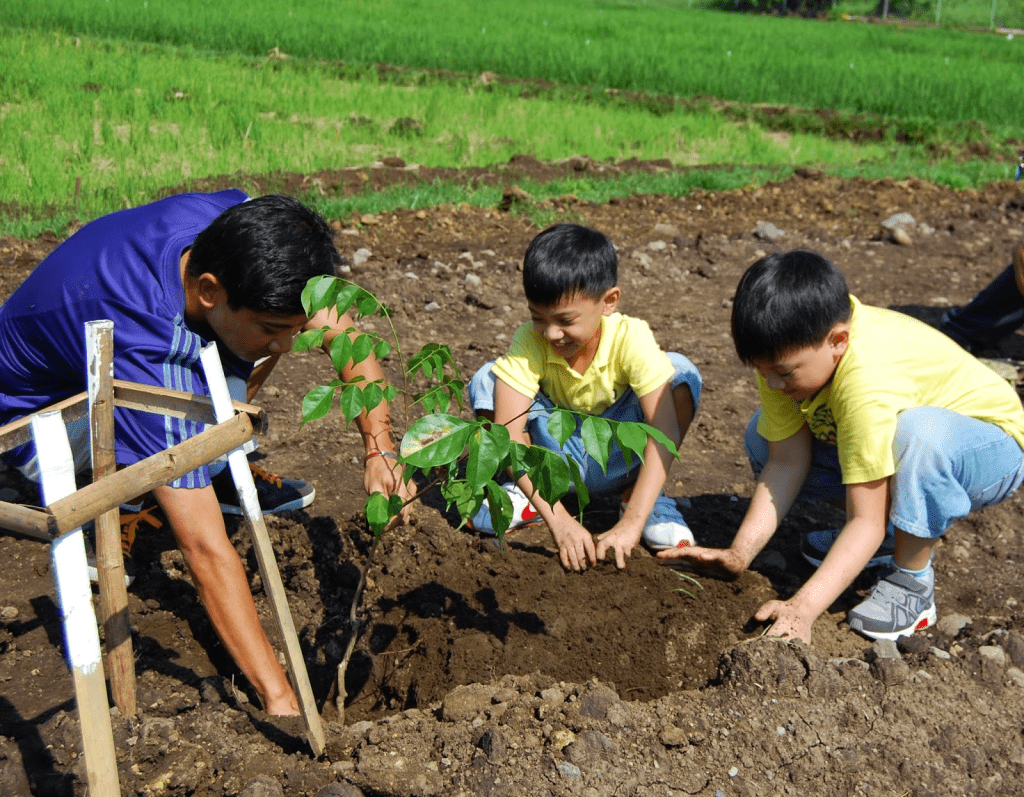
One of the central messages of World Environment Day 2026 is that healthy ecosystems are among the most effective tools for combating climate change.
Across Nepal, local communities are implementing nature-based climate solutions that strengthen environmental resilience while supporting sustainable development.
Community Forestry: A Global Success Story
Nepal is internationally recognized for its community forestry model. Thousands of local forest user groups actively manage forests, protecting biodiversity while increasing forest cover.
These forests absorb carbon dioxide, stabilize fragile hillsides, reduce soil erosion, and lower the risk of landslides along popular trekking routes. For visitors, they also provide some of the country’s most beautiful hiking environments.
Biodiversity as a Climate Shield
Nepal’s biodiversity plays a crucial role in maintaining healthy ecosystems.
From the endangered red panda inhabiting eastern Nepal’s bamboo forests to the elusive snow leopard roaming high-altitude landscapes, wildlife conservation helps preserve ecological balance. Healthy ecosystems support water security, soil health, and climate resilience for communities throughout the country.
The Rise of Sustainable Homestays
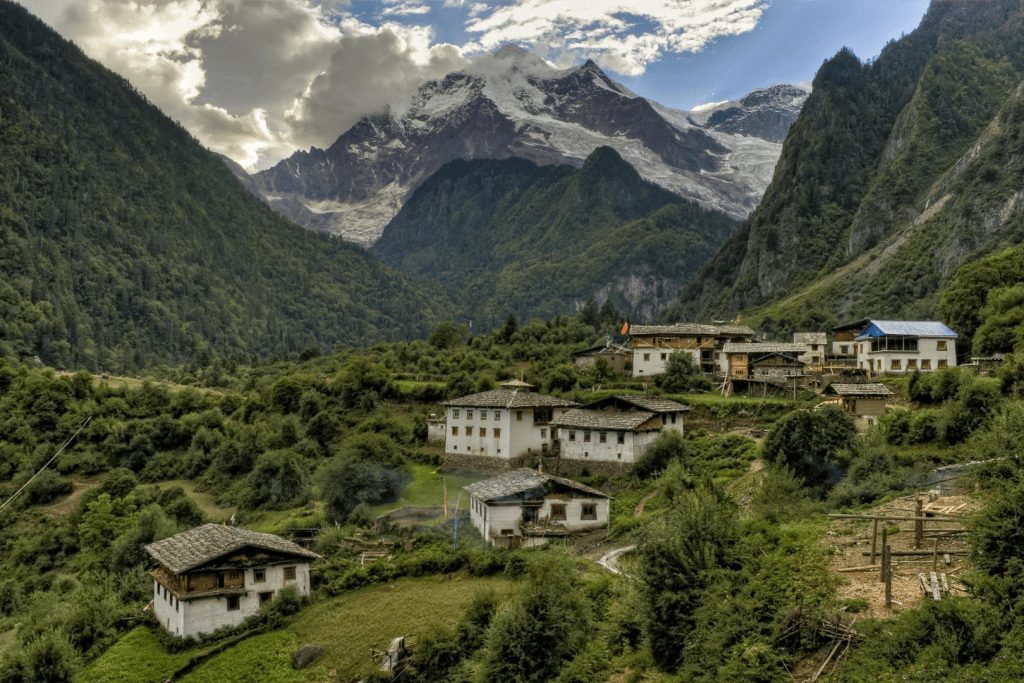
Community-based tourism is transforming rural Nepal.
In destinations such as Lamjung, Kalinchowk, Ilam, and other emerging travel regions, locally managed homestays are creating direct economic incentives for conservation. Tourism revenue supports renewable energy adoption, waste management programs, organic farming, and cultural preservation.
By choosing local accommodations, travelers contribute directly to environmental protection and community well-being.
How Travelers Can Support #NowForClimate in Nepal
The World Environment Day 2026 campaign encourages meaningful action. Travelers can play an important role in protecting Nepal’s fragile mountain environments through simple yet impactful choices.
1. Reduce Single-Use Plastic
Remote mountain regions often lack effective recycling systems.
Carry a reusable water bottle, insulated flask, and water purification solution. Avoid purchasing bottled water whenever possible, especially during trekking expeditions.
2. Choose Responsible Trekking Operators
Before booking a trek, research operators that prioritize sustainable tourism practices.
Look for companies that:
- Follow Leave No Trace principles
- Ensure fair wages and ethical treatment of porters
- Support local communities
- Conduct trail cleanup initiatives
- Practice responsible waste management
Responsible tourism begins long before arriving on the trail.
3. Stay on Designated Trails
High-altitude ecosystems are incredibly delicate.
Walking off marked routes damages vegetation and accelerates soil erosion. Staying on established trails helps protect fragile alpine habitats and supports long-term conservation efforts.
4. Support Local Communities
One of the most effective ways to travel sustainably in Nepal is by supporting local businesses.
Choose locally owned lodges, purchase handmade products, hire local guides, and enjoy traditional meals prepared using locally sourced ingredients. Sustainable tourism creates economic opportunities that encourage environmental stewardship.
Environmental Action Across Nepal

World Environment Day 2026 is inspiring action throughout Nepal.
Community groups, schools, youth organizations, and conservation partners are organizing tree plantation campaigns, river cleanup programs, environmental awareness events, and biodiversity conservation initiatives.
Organizations such as WWF Nepal and Clean Up Nepal continue to engage communities in environmental protection and sustainable development efforts.
Innovation is also playing a role. New initiatives focused on waste management, recycling technology, and circular economy solutions are emerging across urban centers, particularly in Kathmandu Valley.
These collective efforts demonstrate that climate action is most effective when communities, businesses, governments, and travelers work together.
The Future of Trekking Depends on Nature
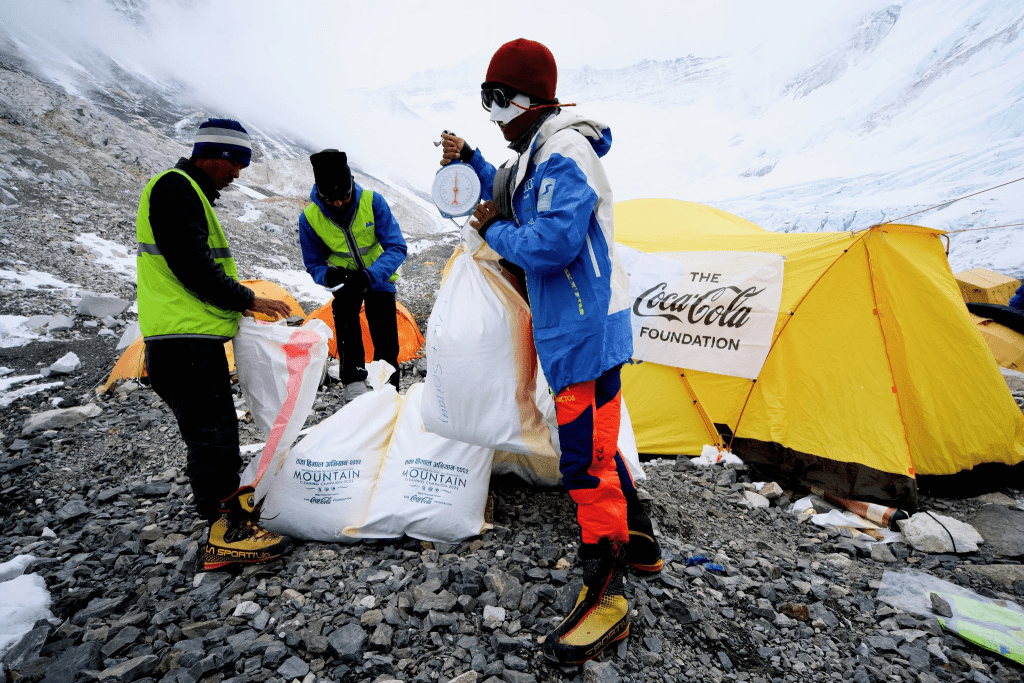
The breathtaking beauty of Nepal’s mountains has inspired generations of explorers. Protecting these landscapes requires more than admiration; it requires action.
World Environment Day 2026 reminds us that nature is not simply something we visit. It is our strongest ally in addressing climate change and securing a sustainable future.
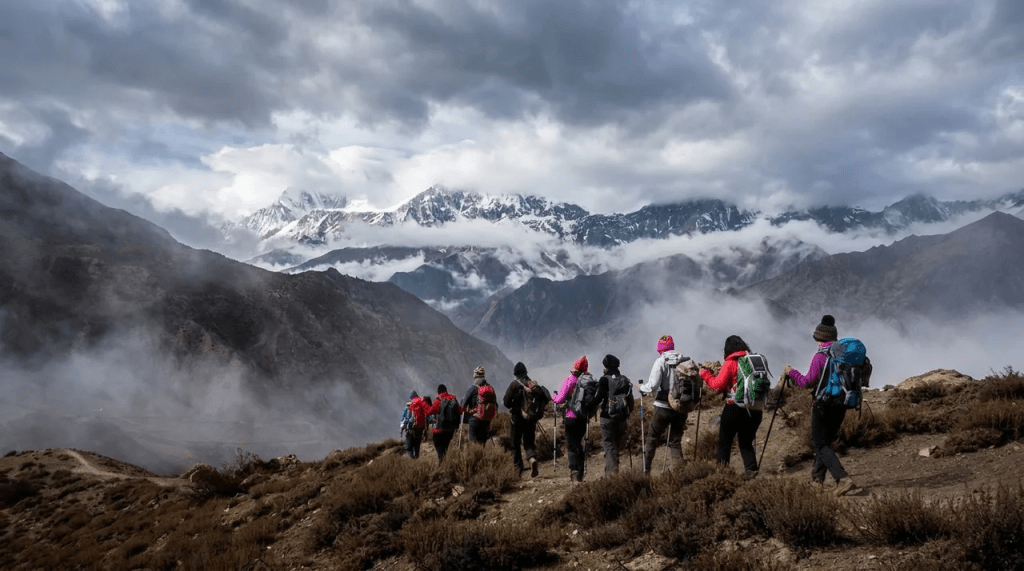
Whether you are trekking to Everest Base Camp, exploring Annapurna villages, or discovering lesser-known trails across Nepal, every travel choice matters.
By embracing sustainable travel practices and supporting nature-based solutions, visitors can help ensure that Nepal’s mountains, forests, rivers, and communities remain resilient for generations to come.
Conclusion
The message of World Environment Day 2026 is clear: the solutions to climate change already exist in nature.
For travelers in Nepal, the campaign theme “Inspired by Nature. For Climate, For Our Future.” serves as a reminder that responsible travel can become a powerful force for conservation. Through conscious choices, community support, and environmental stewardship, every trek can contribute to a healthier planet.
The journey toward climate action begins with the next trail we walk.
#NowForClimate


