



Nepal has a reputation for being expensive. It is not. Budget travel in Nepal is not only possible but genuinely easy, and most independent travelers spend far less than they expect once they are on the ground. You can cover food, a clean private room, local transport, and a temple entrance for $30 a day or under. Some people manage it for $20.
The caveat? You need to know which buses to take, what to eat, and where to sleep. This guide breaks it all down with real numbers verified from current sources so you are not guessing when you land in Kathmandu.
How Much Does Budget Travel in Nepal Actually Cost?
Most honest travel sources put Nepal’s daily cost at $18 to $30 for solo backpackers. That range covers a private guesthouse room, three meals including at least one dal bhat, local bus rides, and the occasional temple or museum entrance. You are not roughing it at that budget. You are eating well and sleeping in clean, safe rooms.


Where the numbers shift is when you add trekking permit fees, domestic flights, or guided tours. Those are lump costs rather than daily costs, and they need to go into a separate calculation. A two-week Nepal trip for a solo budget traveler typically runs $300 to $500 all-in on the ground, not counting international flights. That figure shows up repeatedly in 2024 and 2025 backpacker reports.
s>Budget Accommodation in Nepal: Where to Sleep Without Overspending
Kathmandu and Pokhara have the deepest inventories of cheap accommodation in South Asia. Hostel dorm beds in Kathmandu run around $5 to $6 a night. A private room in a budget guesthouse runs $10 to $15 in most neighborhoods. Step outside Thamel, the main tourist district, and those prices drop further.
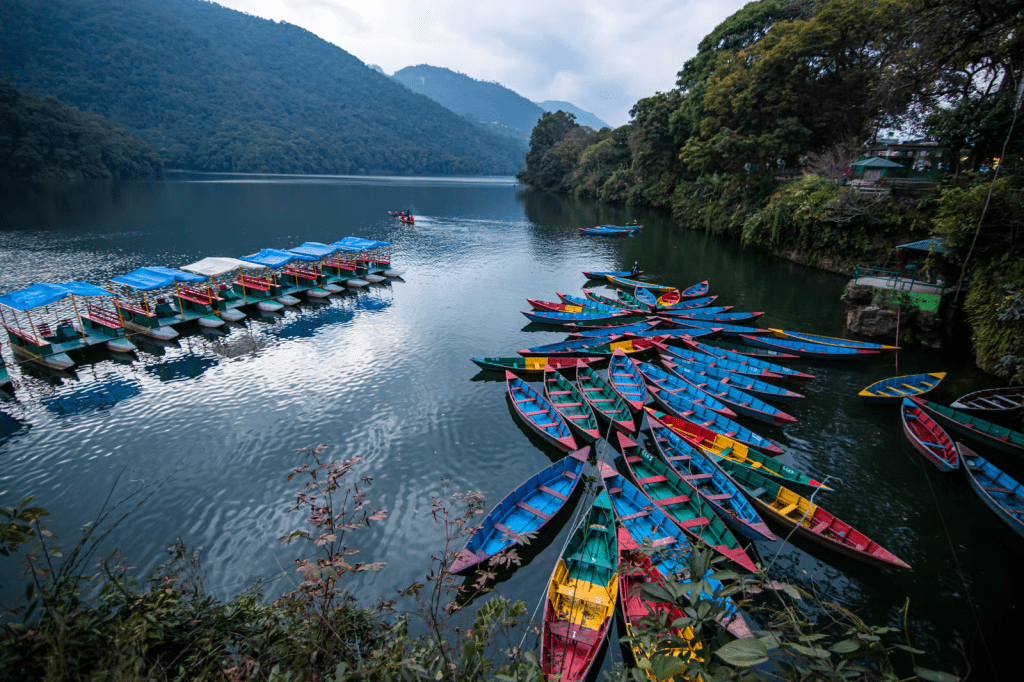
In Pokhara’s Lakeside area, private rooms at family-run guesthouses go for $7 to $12, and breakfast is often included or available for $2 extra. Spending more than $15 a night as a solo budget traveler usually means you are in a tourist-priced property and did not look hard enough.
A few things worth knowing before you book:
- Prices drop 20 to 30 percent in the low season from June through September. Guesthouses will also negotiate on stays of four or more nights.
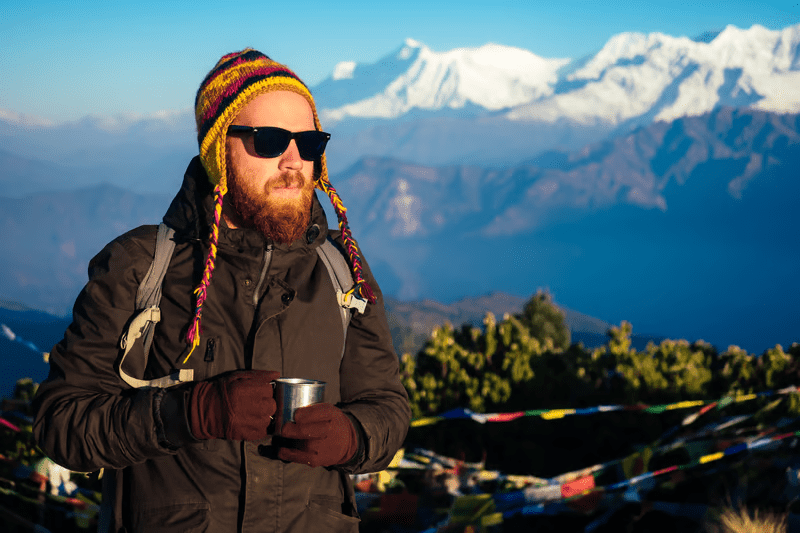
- On trekking routes, teahouse accommodation along the Annapurna and Everest trails is sometimes free if you commit to eating all your meals at that teahouse. That changes the math significantly for multi-day treks.
- Bhaktapur, just 12 km east of Kathmandu, has guesthouses for $12 to $20 a night right inside the UNESCO Heritage zone. It is genuinely better value than central Thamel and far quieter.
Eating Well on a Nepal Budget
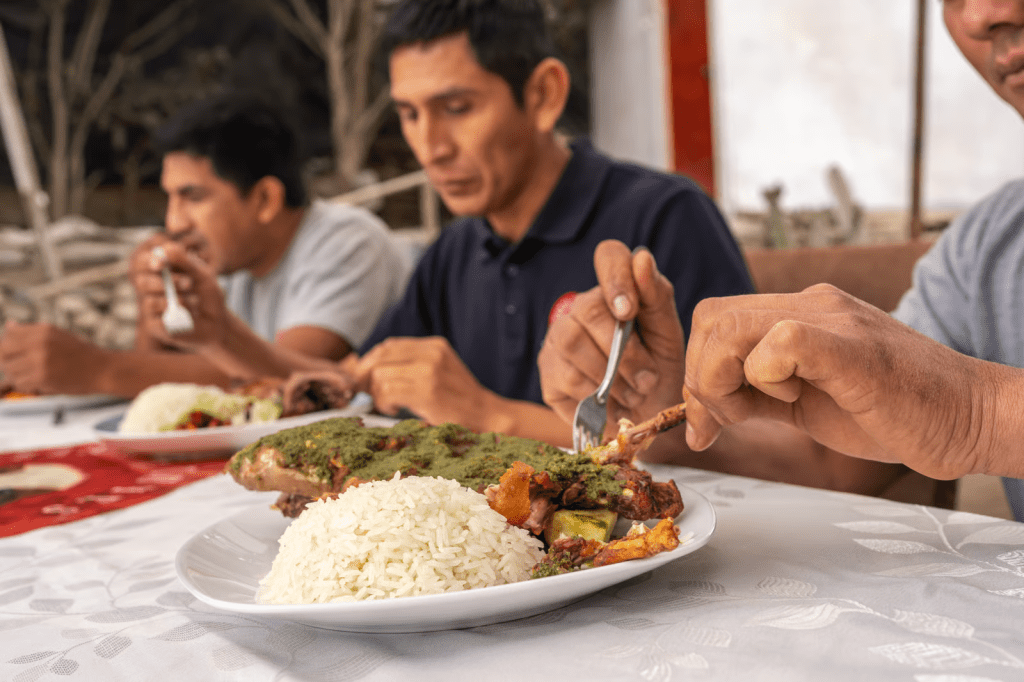
Dal bhat is the cheapest, most filling meal in Nepal. At a local neighborhood restaurant it costs NPR 100 to 150, which works out to roughly $0.75 to $1.12. At tourist-facing restaurants in Thamel, the same meal costs NPR 350 to 500 ($2.63 to $3.75). Both prices are cheap. The local version is more authentic, and most Nepalis eat it twice a day for good reason.
Momos, the Tibetan-style dumplings that appear on nearly every menu in Nepal, cost NPR 150 to 250 ($1 to $2) for a plate of eight. Street chowmein runs similar prices. A realistic daily food budget covering three full meals is $6 to $8 if you eat like a local. Push that to $12 to $15 if you want a café breakfast or a western meal once a day.
Here is what most guides will not tell you: tourist restaurants in Thamel charge three to four times the prices of the local diner two streets over, and the food is often worse. Walk two blocks off the main drag and prices reset to something far more reasonable. For a deeper look at what to eat and where to find it, the Nepali street food guide covers the best dishes and where locals actually go.
Getting Around Nepal Without Spending Much
Within Kathmandu, local microbuses and tempos (three-wheelers) cost NPR 25 per ride. That is under $0.20. For longer city trips, taxis are metered and usually cost NPR 200 to 400 ($1.50 to $3) for most inner-city routes. Always confirm the meter is running before the journey starts.
The Kathmandu to Pokhara tourist bus costs NPR 1,000 to 1,700 ($7.50 to $13) for an 8 to 9 hour journey covering roughly 210 km. Local government buses cover the same route for about half that price, but the tourist buses are faster and more comfortable. For most budget travelers, the tourist bus is the right call on that route. Domestic flights cost $70 to $100 one-way and save about six hours of road travel.
Free and Low-Cost Things to Do in Nepal
Nepal is not a destination where you need to spend money to have meaningful experiences. Some of the best things to do are completely free.
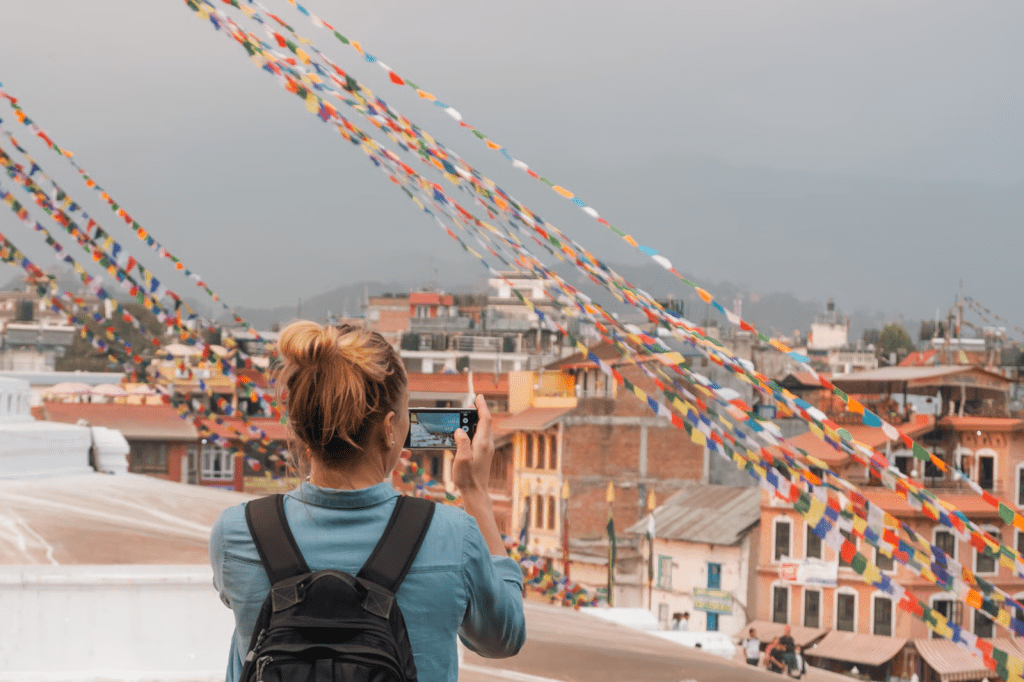
- Boudhanath Stupa in Kathmandu: walking the outer circumambulation path around the stupa is free. Pilgrims and locals do this every evening and you are welcome to join.
- Swayambhunath (“Monkey Temple”): charges a foreigner entry fee of approximately NPR 200 ($1.50) as of early 2025.
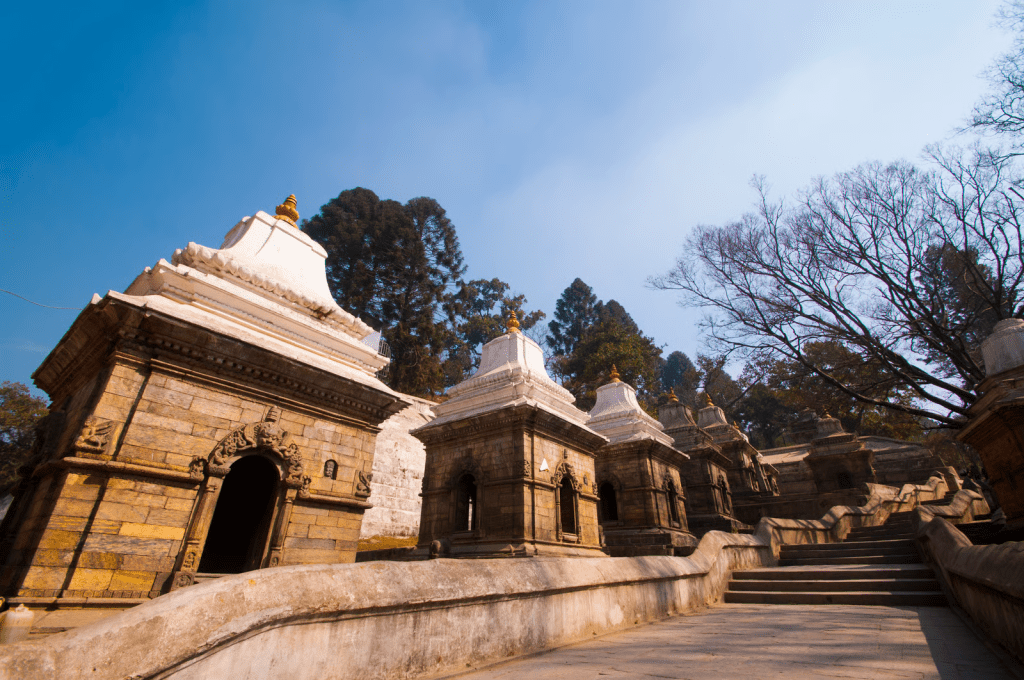
- Pashupatinath Temple: the grounds and ghats along the Bagmati River are free to walk. The main inner temple is restricted to Hindus, but the outer areas are one of the most memorable sites in Nepal.
- Pokhara’s lakefront and Phewa Lake: completely free. You can walk for hours along the shore with no entrance fee.
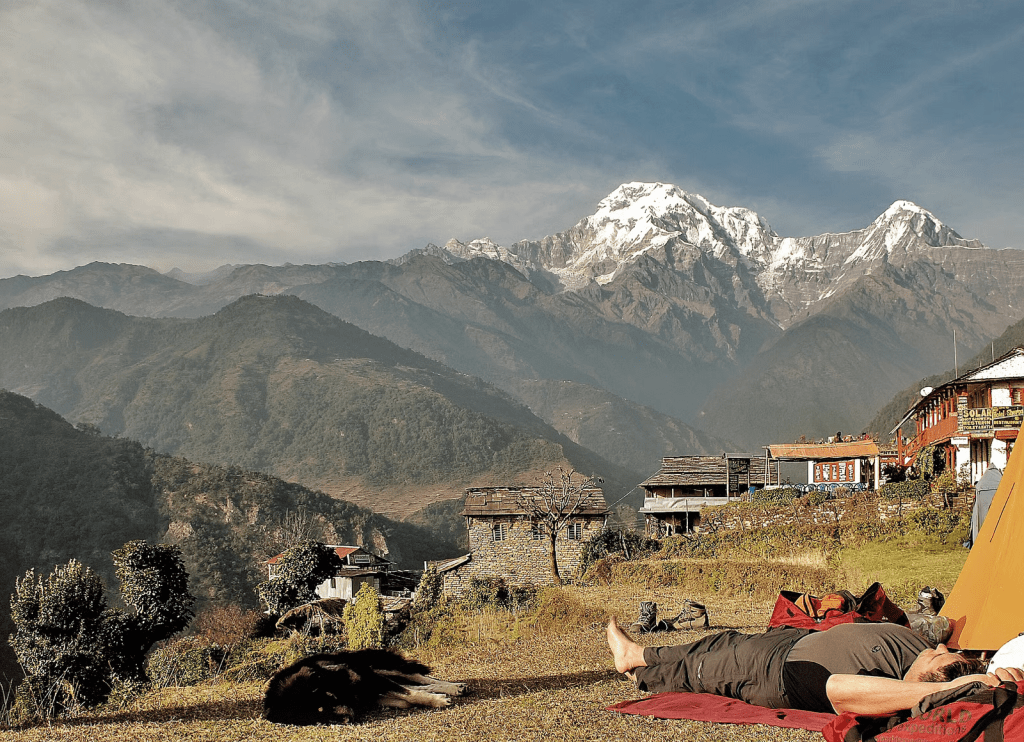
- World Peace Pagoda above Pokhara: the trail takes about 45 minutes from Lakeside and the pagoda itself is free to visit, with dramatic views over the lake and the Annapurna range on clear days.
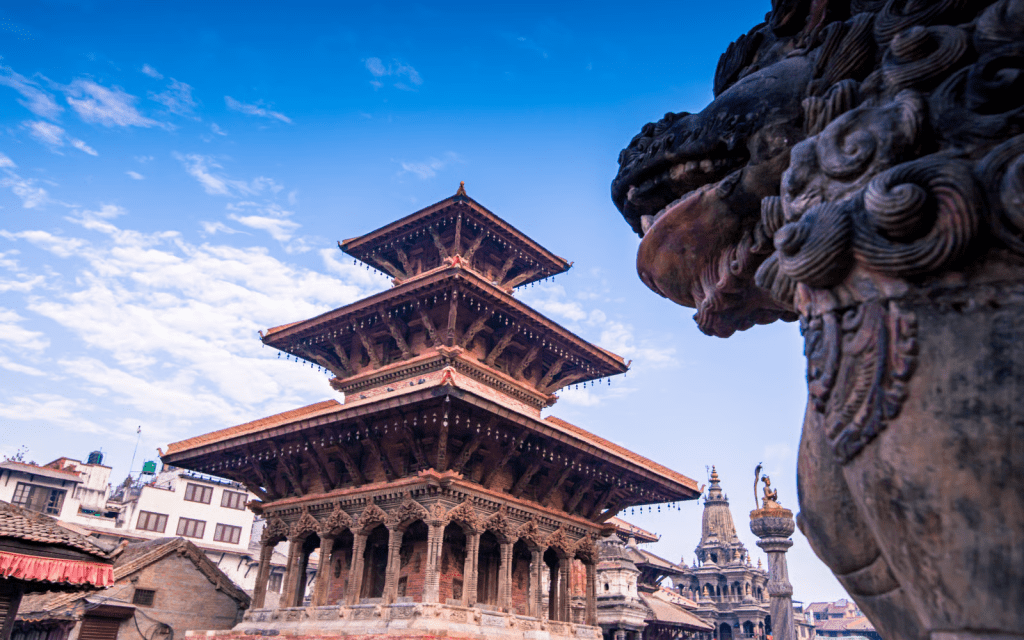
Kathmandu’s Durbar Squares each charge foreign visitors entry fees. As of early 2025, fees were approximately NPR 1,000 ($7.50) for Kathmandu Durbar Square and NPR 1,500 ($11) for Bhaktapur Durbar Square. Keep your receipt: it covers multiple visits during your stay. For a full list of what to see across the city, the Kathmandu travel guide covers every site worth your time.
Trekking on a Budget in Nepal
Trekking is not free, but it is far more affordable than most people expect. Main upfront costs are permits: the Annapurna Conservation Area Permit (ACAP) costs NPR 3,000 ($22.50) and the TIMS card costs NPR 2,000 ($15). Both are one-time fees, not daily charges. For a complete breakdown by route, the Nepal trekking permits guide has current pricing for every trail.
On the trail, teahouse accommodation runs $5 to $10 a night. Dal bhat at altitude costs NPR 600 to 900 ($4.50 to $6.75) and usually comes with unlimited refills. Budget $40 to $60 per day while trekking and you will be comfortable.
The Langtang Valley trek, starting about 130 km north of Kathmandu, is consistently one of the best value multi-day treks in the country. Total costs including transport, permits, teahouse accommodation, and food typically run $400 to $650 for a 7 to 10 day trip.
Money-Saving Tips for Nepal That Actually Work
A few things that shift the budget in your favor in a meaningful way:
- Travel in shoulder season. Late September, early October, and March to April offer excellent weather at lower prices. Peak trekking season from October to November pushes accommodation rates up across the board, especially in Pokhara and near popular trailheads.
- Eat dal bhat twice a day. It sounds obvious, but it is the cheapest, most nutritious way to eat in Nepal. Most locals do it. You will not get tired of it as quickly as you might think.
- Withdraw cash in larger amounts. Most Nepali ATMs charge a flat fee per transaction, typically NPR 500 ($3.75) or more. Withdrawing NPR 20,000 to 30,000 at a time rather than NPR 5,000 saves you real money over a two-week trip.
- Book guesthouses directly or walk in. Booking platform prices in Nepal often include commissions. Asking for the walk-in rate directly can knock 10 to 20 percent off the listed price, especially outside peak months.
- Get a local SIM card immediately on arrival. An Ncell or NTC SIM with a data package costs under $5 for a month and works in most trekking areas. International roaming adds unnecessary cost and often works less reliably.
For more on planning your time and money before you leave, the Nepal first-time visitors guide covers everything from visas to the best base cities. You can also check the Nepal Tourism Board’s official website for updated entry requirements and current travel advisories before your trip.
Frequently Asked Questions About Budget Travel in Nepal
Can you really travel Nepal on $30 a day?
Yes, consistently. Budget travelers regularly spend $18 to $30 per day in Nepal covering accommodation, three meals, and local transport. At $30 you have enough for a private guesthouse room, good food, and occasional entrance fees without cutting corners on anything that matters.
What is the cheapest way to get from Kathmandu to Pokhara?
The local government bus is the cheapest option at around NPR 500 to 800, but the journey can take 10 or more hours. Tourist buses cost NPR 1,000 to 1,700 ($7.50 to $13) and take around 8 to 9 hours on a more direct route. Most budget travelers choose the tourist bus for the balance of cost and comfort. Domestic flights cost $70 to $100 one-way and save about six hours.
How much does food cost per day in Nepal for a budget traveler?
Dal bhat at a local restaurant costs NPR 100 to 150 ($0.75 to $1.12). A plate of momos runs NPR 150 to 250 ($1 to $2). A full day of eating three local meals typically costs $6 to $8. Eating at tourist cafes in Thamel costs more, usually $4 to $10 per meal, but even that is cheap by most international standards.
Is it cheaper to trek independently or hire a guide?
Independent trekking on open routes like the Annapurna Circuit or Langtang is permitted and significantly cheaper. You only pay permits, teahouse accommodation, and food. Adding a licensed guide costs $25 to $35 per day, which is optional on most open routes but required in restricted areas like Upper Mustang. For first-time trekkers, the cost of a guide often pays for itself in safety and navigation.
When is the cheapest time to visit Nepal?
June through September is monsoon season and the low season for tourism. Accommodation prices drop 20 to 30 percent and tourist areas are far less crowded. The downside is rain and limited mountain visibility. Shoulder seasons in March to April and late September offer the best combination of weather and reasonable pricing. For a full month-by-month breakdown, the best time to visit Nepal guide covers it in detail.
Do you need to carry cash in Nepal?
Yes. Outside Kathmandu and Pokhara, cash is essential. Most guesthouses, restaurants, and local markets do not accept cards. ATMs are available in Kathmandu, Pokhara, Chitwan, and at a few trekking trailheads, but they become unreliable further from urban centers. Carry enough Nepali rupees to cover at least three to four days of expenses before heading into remote areas.
How much should I budget for trekking permits?
Permit costs depend on the route. For the Annapurna region, budget NPR 3,000 ($22.50) for the ACAP permit plus NPR 2,000 ($15) for the TIMS card, totaling around $37.50. Restricted areas like Upper Mustang require additional special permits costing significantly more. Permit fees change periodically, so always confirm current rates with the Nepal Tourism Board before your departure.
Is Nepal safe for solo budget travelers?
Nepal is generally considered one of the safer destinations in Asia for solo travelers, including solo women. Petty theft exists in busy areas like Thamel, but violent crime targeting tourists is rare. Standard precautions apply: keep valuables secure, use reputable guesthouses, and register your trek before heading into remote mountain areas.


