



Not far from Kathmandu, a waterfall drops nearly 300 metres down a forested cliff face. Locals call it Tindhare Jharana, and its dramatic three-stream descent has earned it a nickname borrowed from the big screen. Once overlooked for decades, this waterfall now draws hundreds of visitors daily from Kathmandu and beyond. This guide covers everything you need to know before making the trip, from its cinematic backstory to practical route advice.
What Is Tindhare Jharana?
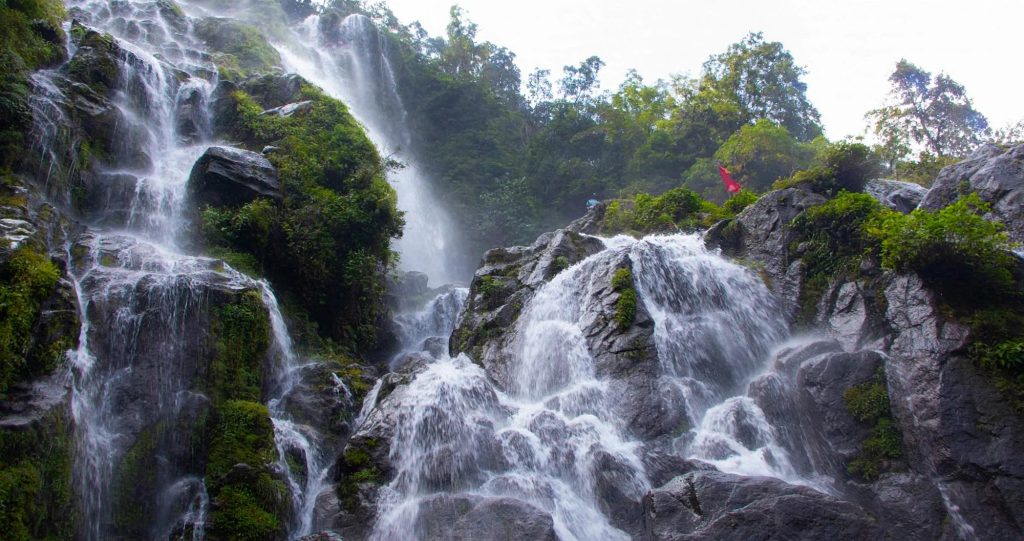
Tindhare Jharana sits in Roshi Rural Municipality, within Kavrepalanchok district, roughly 1,800 metres above sea level. The waterfall tumbles from the Mahabharat Range in three distinct streams, which explains its name. In Nepali, “tin” means three and “dhara” means stream, so Tindhare literally translates to “three streams.”
Standing at approximately 300 metres tall, the waterfall ranks among the most striking natural sights near Kathmandu Valley. The Roshi River feeds its flow, cutting through steep, forested terrain before plunging dramatically off the cliffside.
Because of its trident-like shape and sheer scale, locals have nicknamed it the “Bahubali Waterfall.” The name references the visually similar waterfall scene from the blockbuster Indian film Baahubali, and it has stuck firmly in popular use ever since.
Why Is Tindhare Jharana Suddenly So Popular?
For generations, this waterfall existed largely unnoticed outside its immediate surroundings. That changed once local photographers began capturing its scale using drone cameras. Dramatic aerial footage quickly spread across social media, introducing the waterfall to a much wider audience.
Consequently, word spread fast among hikers, bikers, and weekend travelers across Kathmandu Valley. Before Tindhare Jharana’s rise, Jhor Waterfall served as the go-to nearby option for many Kathmandu residents. Once photos of Tindhare Jharana circulated, however, travelers finally had a fresh, dramatic alternative within reach.
Today, hundreds of visitors make the trip daily, particularly on weekends. Youth groups, hiking clubs, and families from Kathmandu Valley and neighboring districts now treat it as a favorite short getaway.
How Far Is Tindhare Jharana From Kathmandu?
Distance estimates vary slightly depending on the exact route and starting point. Most sources place the waterfall between 60 and 70 kilometers from central Kathmandu. Meanwhile, it sits about 30 kilometers from Dhulikhel, the district headquarters of Kavrepalanchok.
Because the final stretch requires hiking rather than driving, total travel time typically runs three to four hours each way. That includes both the road journey and the hike itself, so plan accordingly if you’re aiming for a single-day trip.
How to Get to Tindhare Jharana
Several route options exist, depending on your starting point and mode of transport. The most common path follows Kathmandu, then Dhulikhel, then Namobuddha, and finally Dapcha. From Dapcha, travelers continue toward either Falamesanghu or Jaruwakhola, both common jumping-off points for the final hike.
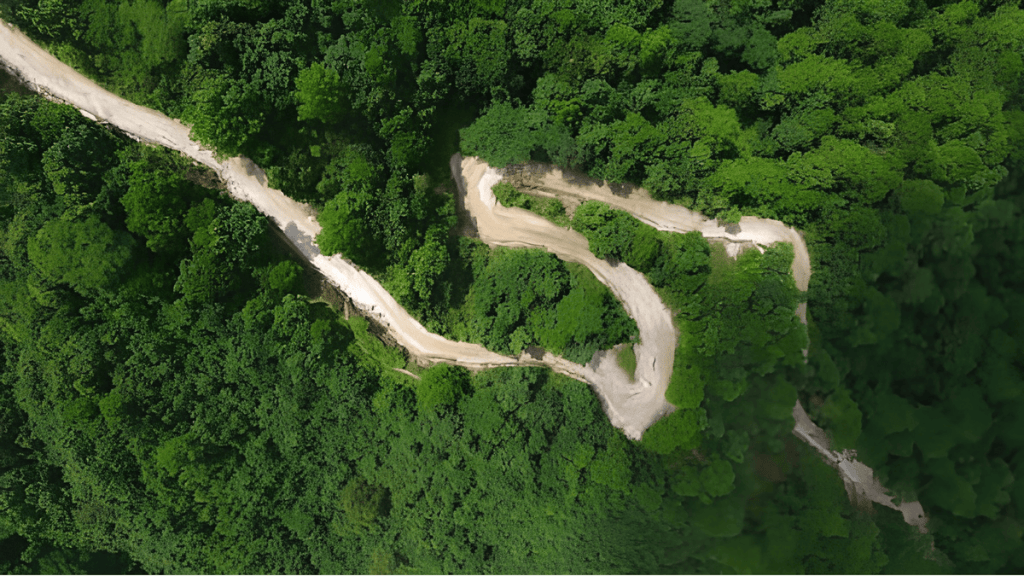
Alternatively, some travelers take the BP Highway route, heading toward Katunje Chowk before continuing on to Kafal Danda. Regardless of which road route you choose, the final leg always involves a moderate hike, generally lasting between 45 minutes and one hour.
Because the surrounding roads pass through hilly, sometimes unpaved terrain, riding on a sunny day makes a real difference. Rain can turn certain stretches slippery and difficult to navigate, especially for motorbike riders. If you’re driving, a private vehicle with an experienced driver works well, while confident riders often prefer motorbikes for the flexibility they offer.
Once you reach Kafal Danda, Falamesanghu, or Jaruwakhola, you’ll need to park and continue on foot. The trail itself stays moderately challenging, with occasional slippery sections, so sturdy footwear matters more than speed.
What to Expect on the Hike
The hike to Tindhare Jharana isn’t technically difficult, but it does require reasonable fitness. Trails wind through forested hillsides, terraced farmland, and small rural settlements before finally revealing the waterfall itself.
Along the way, hikers pass through traditional Newari and Tamang villages, offering a genuine glimpse into local rural life. Many travelers describe this cultural stretch as just as memorable as the waterfall itself. Local hospitality, home-cooked meals, and traditional Nepali drinks like chhyang and raksi add extra character to the journey.
Because official infrastructure remains limited, local governing bodies have worked to improve trail conditions over time. Even so, expect a rustic, largely undeveloped experience rather than a paved tourist path. That rawness, however, is precisely what many visitors find appealing.
What Makes the Waterfall So Visually Striking
Once you arrive, it becomes obvious why Tindhare Jharana earned its cinematic nickname. Water crashes down the cliff face in three separate streams, creating a dramatic, layered effect against the green hillside. Mist often rises from the base, especially during and after monsoon season, adding to the spectacle.
Surrounding forest and terraced fields frame the waterfall beautifully, giving photographers plenty of striking backdrops. Because the site remains relatively undeveloped, the natural setting feels far more authentic than more commercialized tourist destinations closer to the city.
Nearby Attractions Worth Combining With Your Visit
Since reaching Tindhare Jharana already involves a fair amount of travel, many visitors extend their trip to include nearby sites. Namobuddha Monastery sits along the route and offers a peaceful, spiritually significant stop for travelers interested in Buddhist culture.
Dhulikhel itself also makes a worthwhile addition, known for its scenic mountain views and relaxed hillside atmosphere. Combining these stops with your waterfall visit turns a simple day trip into a fuller cultural and scenic experience across Kavre district.
Best Time to Visit Tindhare Jharana
Timing your visit matters considerably here. During and just after monsoon season, the waterfall reaches its most dramatic flow, since heavy rainfall feeds the Roshi River at its source. Photographers, in particular, often prefer this period for the sheer volume and power of the falls.
However, monsoon rain also makes access roads and trails more slippery and potentially hazardous. Consequently, many travelers instead choose the post-monsoon months, when trails dry out while water flow remains reasonably strong. Winter months bring clearer skies and easier hiking conditions, though the waterfall’s volume naturally decreases during drier periods.
Practical Tips Before You Go
First, wear proper hiking shoes with good grip, since trail conditions vary and can turn slippery unexpectedly. Additionally, pack water and snacks, since amenities along the trail remain limited despite growing visitor numbers.
Because mobile network coverage can weaken in remote stretches, download offline maps or directions before setting out. Hiring a local guide also helps considerably, both for navigation and for learning more about the villages and culture along the way.
Furthermore, check weather conditions carefully before departure, particularly during monsoon season. Given the currently unpaved and partly rustic road conditions, a rainy forecast can significantly complicate both the drive and the hike.
Finally, respect the local communities you pass through. Many villages along the route remain largely agricultural and traditional, so a little courtesy goes a long way toward keeping the area welcoming for future visitors.
The Growing Tourism Potential of Tindhare Jharana
Local governing bodies increasingly recognize Tindhare Jharana’s tourism potential. As visitor numbers have grown, infrastructure improvements have slowly followed, including better trail markings and expanding local hospitality options.
Even so, the area retains much of its untouched character. Fertile land surrounding the waterfall remains largely free from heavy commercial or industrial development, preserving the authentic rural atmosphere that first drew attention to the site.
Looking ahead, Tindhare Jharana carries real potential to become a mainstream stop on Nepal’s domestic tourism map. As word continues to spread and access improves, more travelers from Kathmandu Valley and beyond are likely to discover this dramatic, cinematic waterfall for themselves.
Final Thoughts on Visiting Tindhare Jharana
Ultimately, Tindhare Jharana offers something genuinely rare near Kathmandu Valley: a dramatic, cinematic waterfall paired with an authentic rural hiking experience. Its three-stream cascade, framed by forested hills and traditional villages, delivers scenery that feels far more remote than its actual distance suggests.
So, whether you’re chasing dramatic photography, a moderate day hike, or simply a break from city life, Tindhare Jharana delivers all three. Just plan your route carefully, check the weather, and prepare for a rewarding trek into one of Kavre district’s most striking natural landmarks.
Frequently Asked Questions
How far is Tindhare Jharana from Kathmandu?
Tindhare Jharana sits roughly 60 to 70 kilometers from central Kathmandu, depending on the exact route, and about 30 kilometers from Dhulikhel.
Why is Tindhare Jharana called the Bahubali Waterfall?
Locals nicknamed it after the dramatic waterfall scene in the Indian film Baahubali, since its three-stream cascade creates a similarly cinematic visual effect.
How long does it take to hike to Tindhare Jharana?
After driving to access points like Kafal Danda, Falamesanghu, or Jaruwakhola, the hike itself typically takes 45 minutes to one hour depending on trail conditions.
Is Tindhare Jharana difficult to reach?
The drive involves hilly, partly unpaved roads, and the final stretch requires a moderate hike. It’s manageable for most fitness levels but requires proper footwear and caution during rain.
What is the best time to visit Tindhare Jharana?
Post-monsoon months offer the best balance of strong water flow and manageable trail conditions, though monsoon season itself brings the most dramatic waterfall volume.
Are there other attractions near Tindhare Jharana?
Yes, Namobuddha Monastery and the hillside town of Dhulikhel both sit along common routes to the waterfall, making them easy additions to your trip.


