



Step off the plane at Tribhuvan International, and the first thing that hits you is the smell. Incense, diesel, street-fried dough, and a faint trace of juniper from some rooftop shrine you cannot see yet. Five minutes later you are crawling through traffic behind a cow, a motorbike carrying four people, and a procession of monks. Welcome to the chaos. It works better than it has any right to.
This Kathmandu travel guide is written for travelers who want the real picture, not a polished brochure. The city is messy, spiritual, exhausting, and wonderful, often in the same hour. Here is what you actually need to know before you land.
Why Kathmandu Deserves More Than Two Days
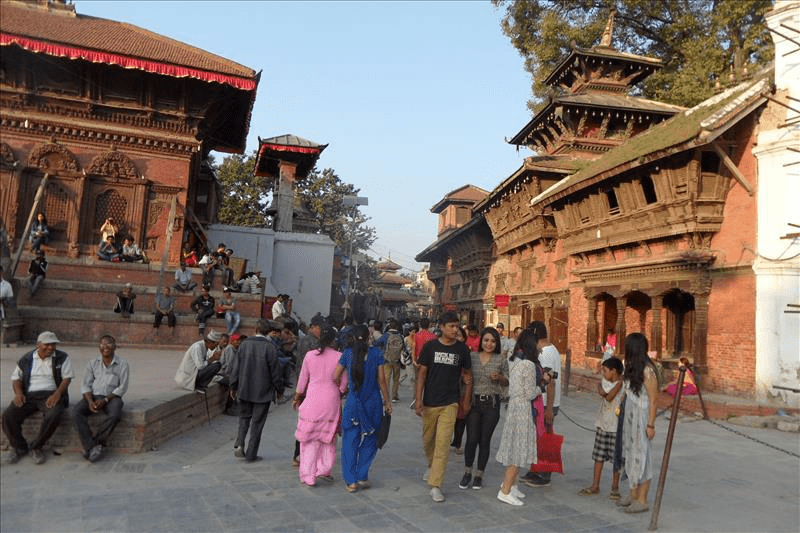
Most people treat Kathmandu as a layover. A night in Thamel, a quick trip to Boudhanath, then off to the mountains. That is a mistake. The valley holds seven UNESCO World Heritage Sites within 20 kilometers of each other. You could spend a week here and still not see all of it properly.
The truth is, Kathmandu is not one city. It is a cluster of ancient towns that grew into each other. Kathmandu, Patan, and Bhaktapur were once rival kingdoms, and their old royal squares still sit inside the modern sprawl. Each has its own flavor. Skip them and you miss the heart of the country.


Getting Around the City
Traffic is the great equalizer here. A three-kilometer taxi ride can take 45 minutes at rush hour. Plan for it. Fix prices before you get in because meters rarely work. A short ride inside Thamel should cost around NPR 300 to 500. Anything to the airport runs NPR 700 to 1,000.
Ride-hailing apps like Pathao and InDrive now work across the valley and they are a game-changer. Prices are fixed, you avoid the haggle, and drivers rarely refuse the fare. Download them before you arrive. Cash only, NPR only. Foreign cards do not work inside the apps.
Where to Base Yourself
- Thamel: The tourist hub. Walking distance to restaurants, trekking shops, and bars. Loud at night.
- Patan (Lalitpur): Quieter, more artistic, full of metalwork studios. About 20 minutes from Thamel.
- Boudha: Peaceful, Tibetan-flavored, great for anyone doing a meditation or yoga retreat.
The Seven Heritage Sites You Cannot Skip
Here is where most first-time visitors go wrong. They buy a one-day tour that crams everything into eight hours and they leave having seen nothing. Spread these out. Give each one at least half a day.
Kathmandu Durbar Square
This is where the kings of Kathmandu were crowned until 1769. The 2015 earthquake damaged many of the temples but restoration has been relentless. Entry costs NPR 1,000 for foreigners, which also gets you into the Tribhuvan Museum inside Hanuman Dhoka Palace.
The highlight for most visitors is Kumari Ghar, home of the Living Goddess. She is a young girl chosen from the Shakya caste who serves as the incarnation of the goddess Taleju until puberty. If you are patient and quiet in the courtyard, she sometimes appears at the window for a few seconds. No photos.
Swayambhunath (Monkey Temple)
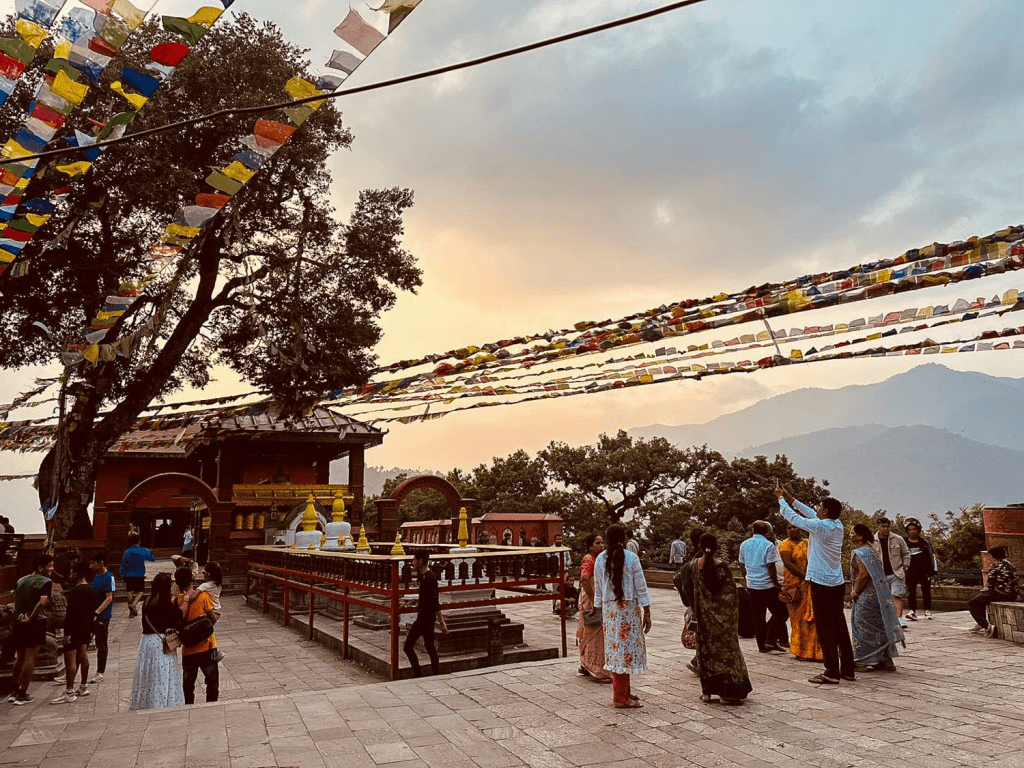
Climb the 365 stone steps at dawn and the whole valley opens below you through the mist. It is one of the oldest religious sites in Nepal, probably more than 2,000 years old. The painted eyes of the Buddha on the white dome watch every direction. Entry is NPR 200 for foreigners.
Heads up: the monkeys will steal your sunglasses, your snacks, and your bottled water. Keep bags zipped.
Boudhanath Stupa
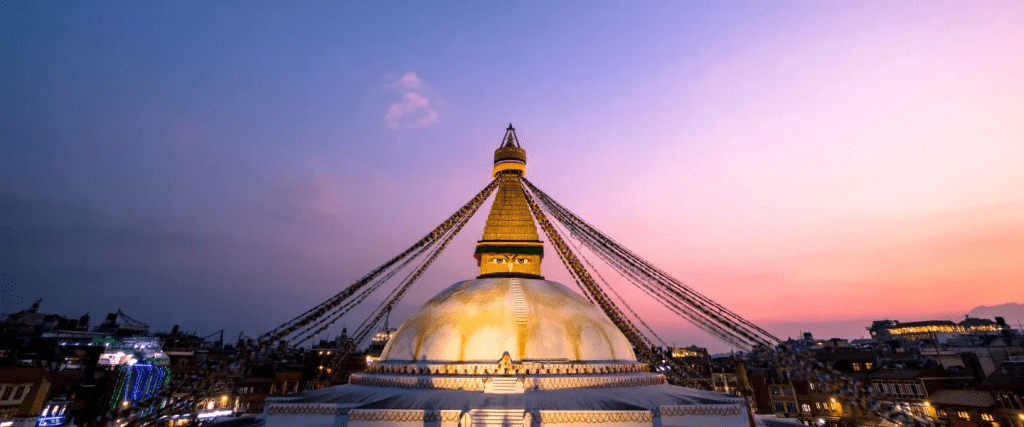
The largest stupa in Nepal and the center of Tibetan Buddhism in exile. At sunrise and sunset, monks, pilgrims, and locals walk clockwise around the base in a ritual called kora, spinning prayer wheels and murmuring mantras. Sit on a cafe rooftop, order a lemon ginger honey tea, and watch. Entry is NPR 400.
Pashupatinath Temple
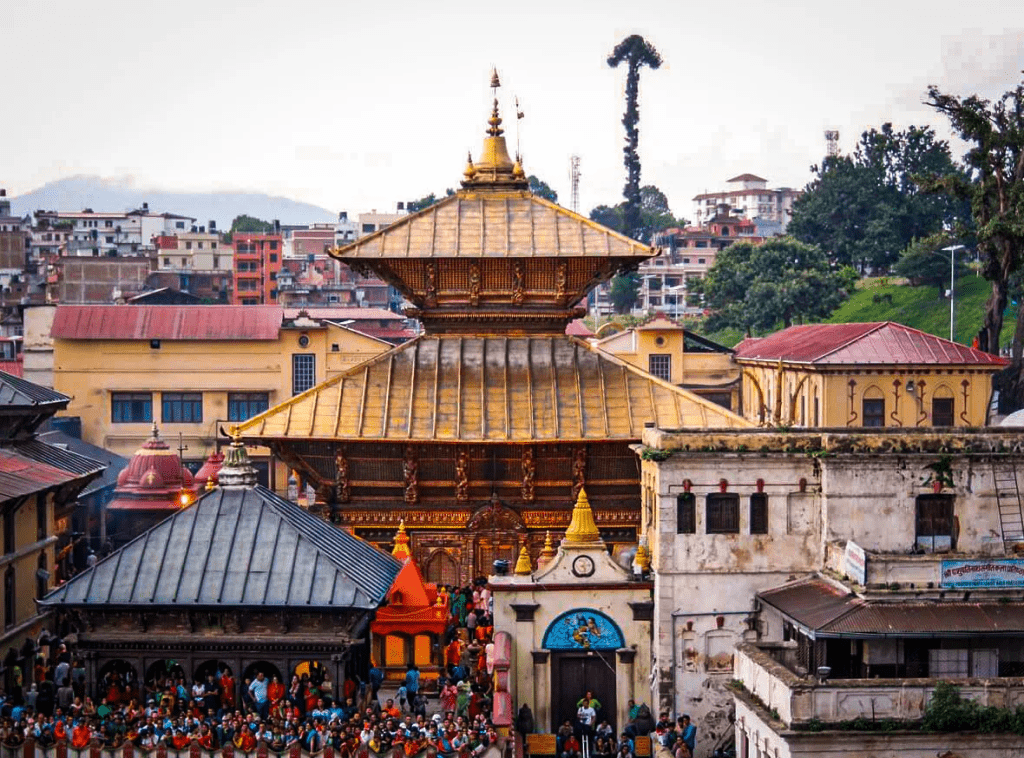
Nepal’s holiest Hindu temple, perched on the banks of the Bagmati River. Non-Hindus cannot enter the inner sanctum, but the riverside ghats where cremations happen are open to all. It sounds morbid. It is not. Nepalis treat death as part of life, and watching the ceremony from the opposite bank is one of the most moving experiences in the city. Entry is NPR 1,000 for foreigners.
Patan Durbar Square
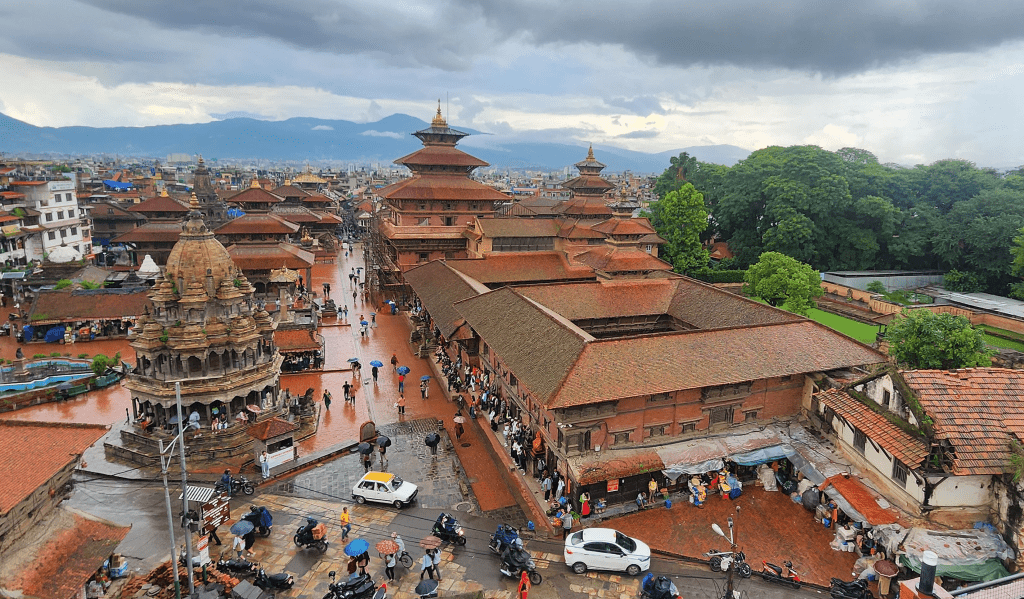
Ten minutes south of central Kathmandu, and in my opinion the most beautiful of the three royal squares. The Patan Museum inside the old palace is world-class, arguably the best museum in Nepal. Entry is NPR 1,000 and includes the museum.
Bhaktadpur Durbar Square
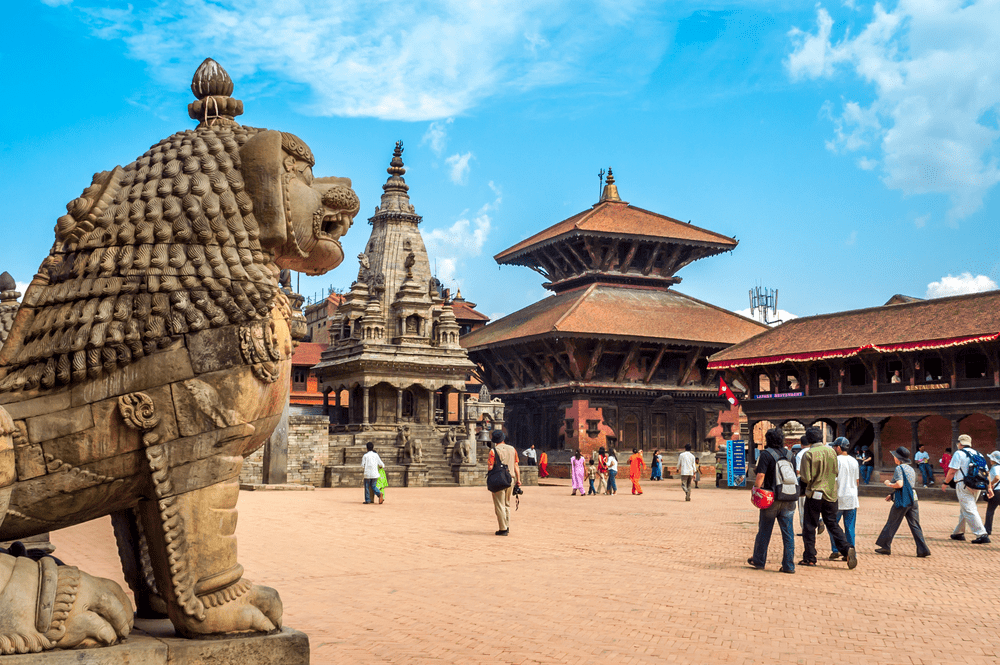
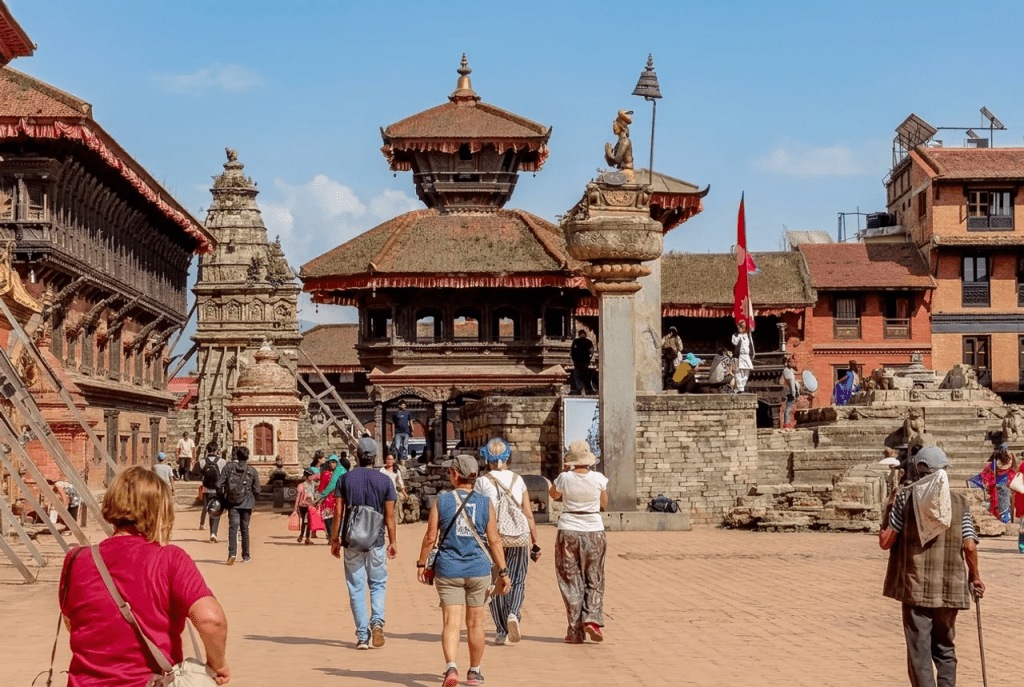
Thirteen kilometers east of Kathmandu. Medieval. Car-free in the old town. If you only have time for one day trip outside Kathmandu proper, make it this one. Entry is higher at NPR 1,800 for foreigners, but it includes everything inside the old city walls.
Changu Narayan
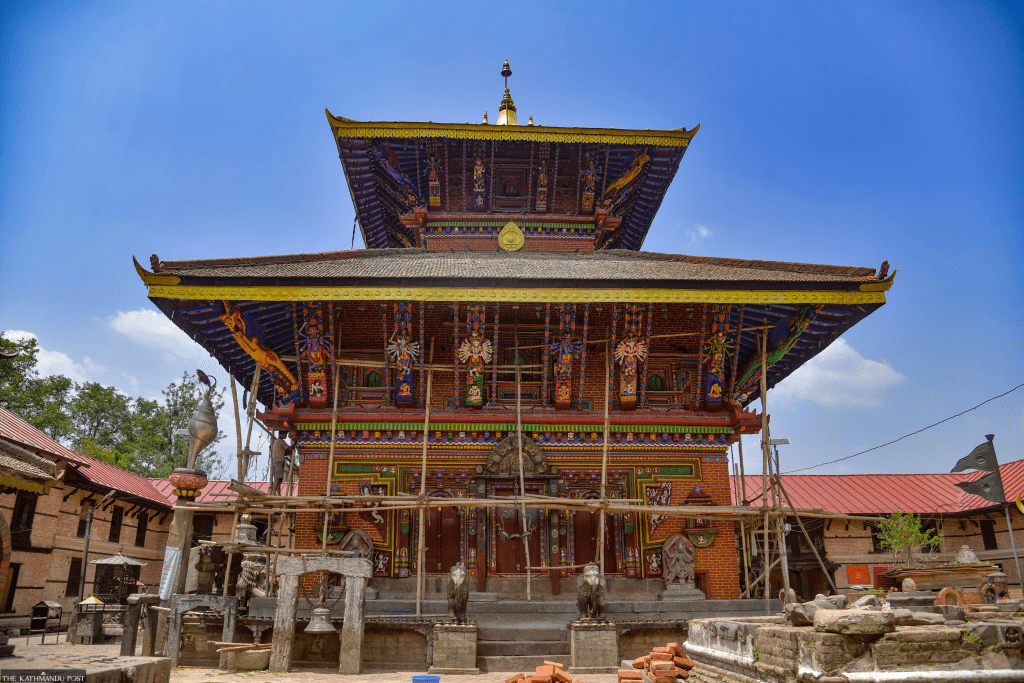
The oldest Hindu temple in Nepal, sitting on a hilltop above Bhaktapur. Quiet, overlooked, and worth the detour. Combine it with Bhaktapur in a single day and you get two UNESCO sites for one taxi fare.
Food You Have to Eat
Forget the banana pancake places in Thamel. They exist for tourists who are afraid of real food. Go one street over and eat where the locals eat. Here is where to start.
Momos
Steamed or fried dumplings, usually buffalo or chicken, sometimes vegetable. The national obsession. A plate of ten costs NPR 150 to 250 at a local joint, up to NPR 500 at a tourist restaurant. Try them at New Everest Momo in Thamel or Bota Simply Momo anywhere in the valley.
Dal Bhat
Lentil soup, rice, vegetable curry, pickle, and sometimes meat. Unlimited refills. Around NPR 300 to 600 at local spots. Nepalis eat this twice a day and you will understand why after trying it once. The trekkers’ slogan is real: dal bhat power, 24 hour.
Newari Khaja Set
The Newar people are the indigenous inhabitants of the Kathmandu valley, and their cuisine is criminally underrated internationally. A proper khaja set includes chiura (beaten rice), choila (spiced grilled buffalo), bara (lentil patty), and achar. Honacha near Patan Durbar Square is a hole in the wall where this dish has been served the same way since 1960. Go there.
Chatamari
Often called Newari pizza. A thin rice flour crepe topped with minced meat, egg, and spices. Light, savory, perfect with a glass of tongba (millet wine you drink hot through a bamboo straw).
Sel Roti
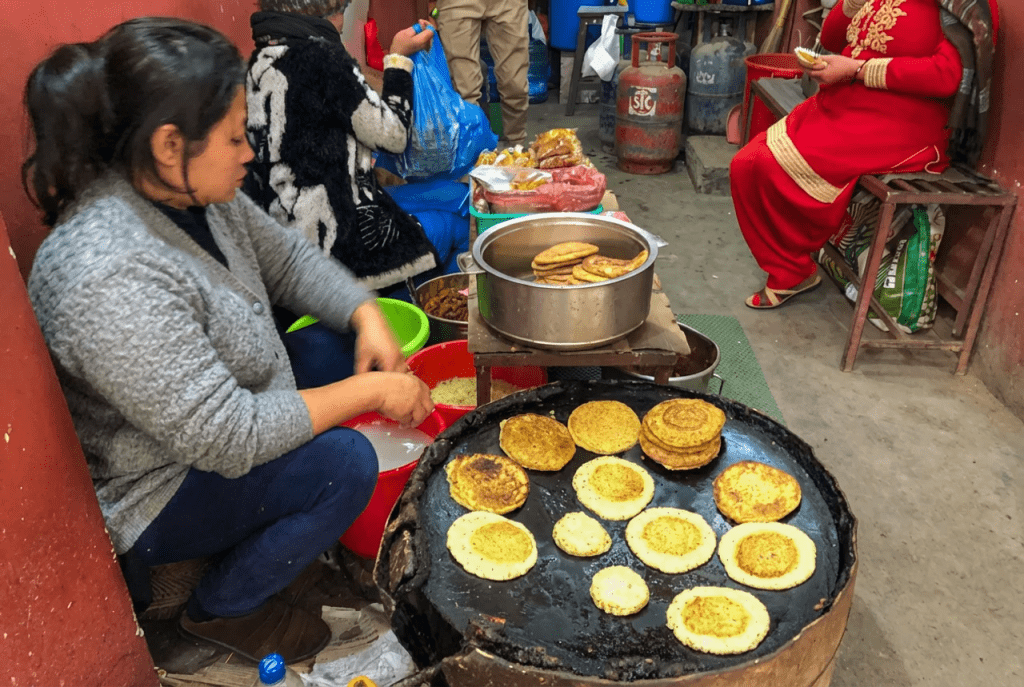
Sweet, crispy, ring-shaped rice doughnut, deep-fried fresh on street carts every morning. Costs NPR 20 each. Eat with a glass of milk tea while the city wakes up. This is Kathmandu breakfast at its purest.
Shopping in Thamel Without Getting Ripped Off
Thamel is a trekker’s paradise and a haggler’s nightmare. The first rule: every price is negotiable. Start at 40 percent of the asking price and meet somewhere in the middle. Walk away at least once. The price will drop.
Genuine pashmina scarves cost NPR 3,000 to 8,000. Anything under NPR 1,000 is polyester. North Face and Marmot gear in Thamel is almost entirely counterfeit. Good quality fake, but fake. For real gear, visit the official Sherpa Adventure Gear store on Tridevi Marg.
For authentic handicrafts, skip Thamel and head to Patan. The Mahaguthi and Dhukuti fair-trade shops sell work made by women’s cooperatives across Nepal, and the artisans actually get paid fairly. Check out our Newari culture and cuisine guide for more context on what you are looking at.
Day Trips Worth the Effort
Nagarkot for Sunrise Over the Himalayas
Thirty-two kilometers east of Kathmandu at 2,175 meters elevation. On a clear morning you can see Everest, Langtang, and the Annapurna range on the horizon at the same time. Book a hotel up there the night before and wake up at 5am for the show. Taxi from Kathmandu runs about NPR 3,500 one way.
Dhulikhel
Forty kilometers east. Less touristy than Nagarkot, better food, same mountain views. A local tip: walk the old pilgrim trail from Dhulikhel to Namobuddha Monastery. It takes three hours and passes through villages where nothing has changed in centuries.
When to Visit
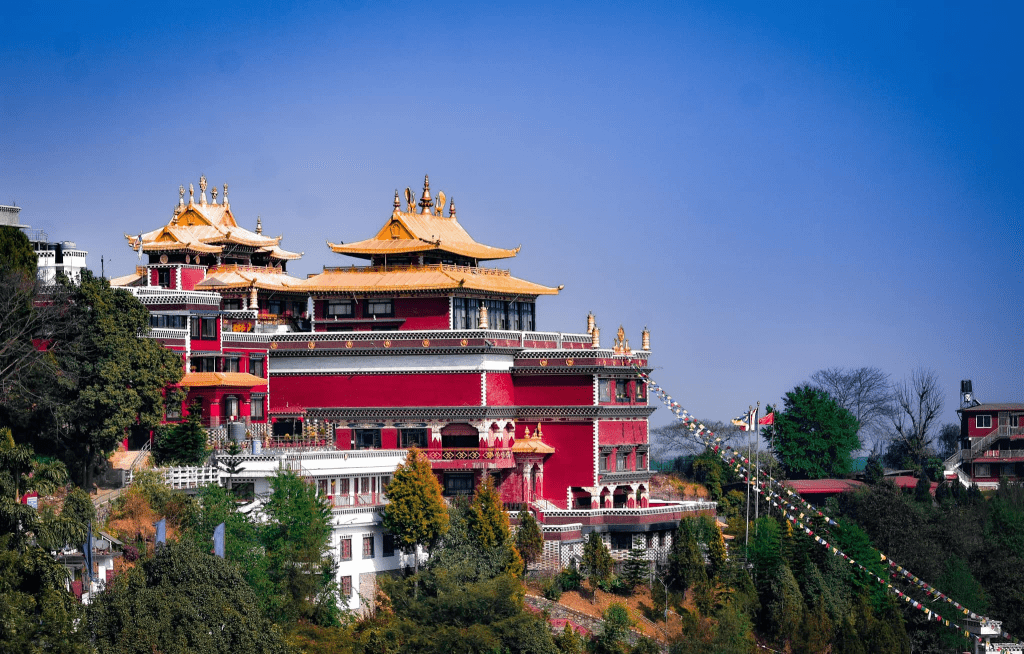
October and November are peak season for a reason. Crystal clear skies, perfect temperatures around 20°C during the day, the air scrubbed clean by monsoon rains that just ended. March to April is the second best window, with rhododendrons blooming across the valley.
Avoid June to August. The monsoon turns the streets into rivers and mountain views disappear for months. Winter (December to February) is cold but clear and a lot quieter. For a deeper look at seasonal travel, see our month-by-month Nepal guide.
Money, Safety, and Small Annoyances
ATMs are everywhere in Thamel and central Kathmandu. They typically dispense NPR 10,000 to 35,000 per transaction with a fee of around NPR 500. Bring a few clean USD bills as backup, especially for your visa on arrival (15 days costs USD 30 and must be paid in foreign currency or exact change).
Kathmandu is safer than most capital cities its size. Petty theft happens in crowded places like Thamel and on local buses, but violent crime against tourists is very rare. The bigger risks are traffic, air pollution (wear a mask on bad days, an N95 is ideal), and altitude fatigue if you just flew in from sea level.
For the full national overview including visa and permit details, the Nepal Tourism Board maintains an updated list of heritage site fees worth bookmarking.
Frequently Asked Questions
How many days do you need in Kathmandu?
Three to four days is the sweet spot. One day for Kathmandu Durbar Square and Swayambhunath, one day for Boudhanath and Pashupatinath, one day for Patan, and one for Bhaktapur. Less than that and you are just ticking boxes.
Is Kathmandu safe for solo female travelers?
Yes, generally. Nepali culture is conservative and respectful. Dress modestly at religious sites, avoid walking alone in unlit areas at night, and stick to registered taxis or Pathao after dark. Most solo women travelers report feeling safer here than in many Southeast Asian capitals.
What is the altitude of Kathmandu and will I get altitude sickness?
Kathmandu sits at 1,400 meters. That is high enough to feel slight breathlessness if you arrive from sea level but not high enough for altitude sickness. Take it easy on day one, drink plenty of water, and skip alcohol until you acclimate.
How much money do I need per day in Kathmandu?
Budget travelers can manage on USD 25 to 35 per day including a basic guesthouse, street food, and entry fees. Mid-range runs USD 60 to 100 per day. Luxury hotels like Dwarika’s start around USD 300 per night. For a full breakdown, see our budget travel guide.
Can I drink the tap water in Kathmandu?
No. Never. Use bottled water, filtered water, or a SteriPen. Bottled water costs NPR 25 to 50 per liter. Many cafes in Thamel now offer refill stations to cut down on plastic waste.
What should I wear in Kathmandu?
Layers. Mornings are cold, afternoons are warm, evenings cool again. For temples, cover your shoulders and knees. Leather belts and wallets need to stay outside Pashupatinath because cowhide is forbidden inside Hindu temples.
Do I need a guide for Kathmandu sightseeing?
Not necessarily, but a good guide transforms the experience at the heritage sites. Official guides at Durbar Square charge NPR 1,500 to 2,500 for a two-hour tour. Worth it for the first one. After that, you can explore on your own.
Is Kathmandu cash only?
Mostly yes. Bigger hotels and some tourist restaurants take cards, but everything else wants rupees in hand. Always carry small bills. Breaking a NPR 1,000 note at a street stall is its own adventure.
Kathmandu rewards slow travelers. Wander the back alleys of Patan, drink masala tea at a stupa at dawn, eat dal bhat with your fingers at a roadside joint, and let the city settle into you. The mountains will still be there next week.


