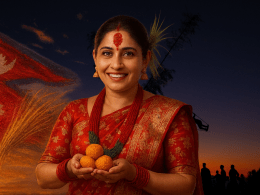
Every year, Nepal comes alive with color, music, and tradition during Udhauli Parva and Yomari Punhi. What makes this day extra special is that two major festivals, each with unique cultural significance, fall on the same day. While Udhauli Parva honors seasonal migration and the harvest in the Kirat communities, Yomari Punhi celebrates abundance and family unity in the Newar culture. Together, they reflect Nepal’s deep connection with nature, tradition, and community life.
The Historical Roots of Udhauli Parva
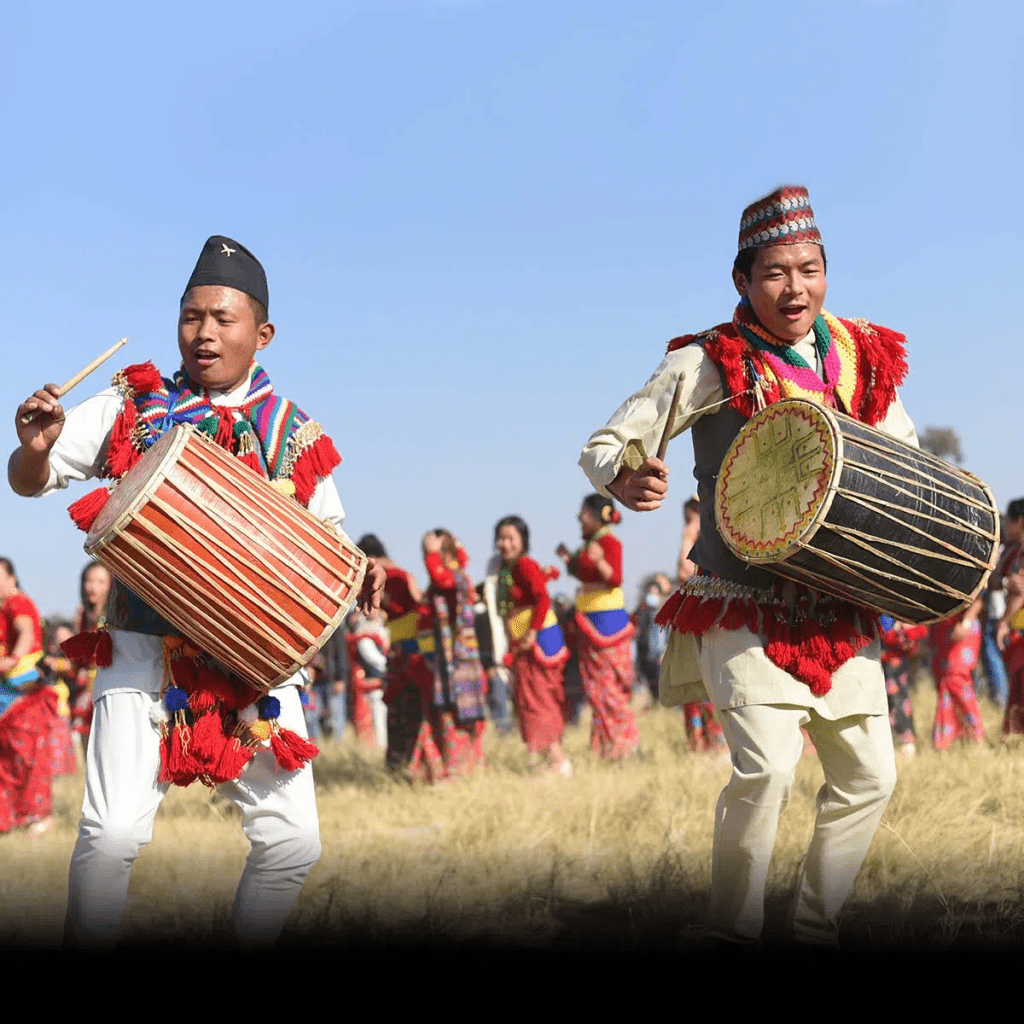
Udhauli Parva is celebrated by the Kirat communities, including Rai, Limbu, Yakkha, and Sunuwar. The word “Udhauli” literally means moving downward, symbolizing the seasonal migration from the higher hills to lower altitudes as winter approaches. This migration is not just practical but deeply symbolic — it represents harmony with nature’s rhythms, respect for ancestors, and the completion of the harvest season.
Over centuries, Udhauli has grown into a festival that combines ritual, music, dance, and community bonding. It is a time when families and neighbors come together to celebrate abundance, protection from calamities, and inter-generational wisdom.
Udhauli Rituals: Dance, Prayers, and Community Spirit
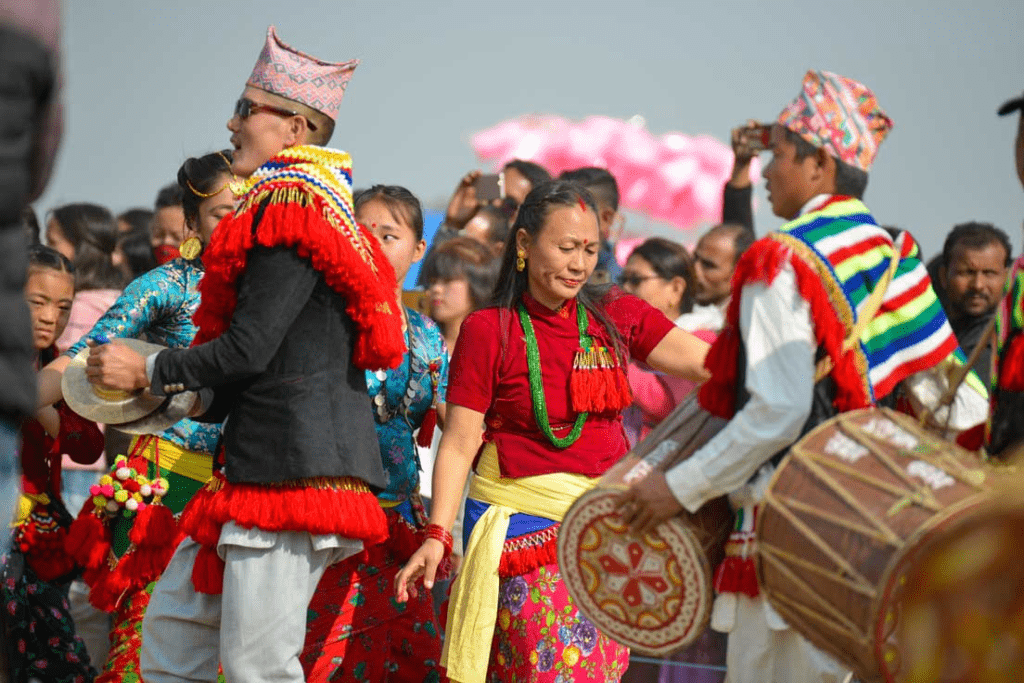
One of the highlights of Udhauli Parva is the Sakela dance, also known as Chandi Naach. In this ritual:
- Communities dance in a large circle, honoring Mother Nature and ancestors.
- Prayers are offered for health, prosperity, and protection from natural calamities.
- People come together to share food, music, and stories, strengthening inter-generational bonds.
The festival is more than just a celebration; it’s a living expression of Kirat cosmology, where nature is seen as a protector and provider, and humans are participants in the cycles of the earth.
Photo ideas: Kirat dancers in traditional attire, close-ups of musical instruments, and community gatherings in hill landscapes.
Yomari Punhi: The Sweet Celebration of Winter
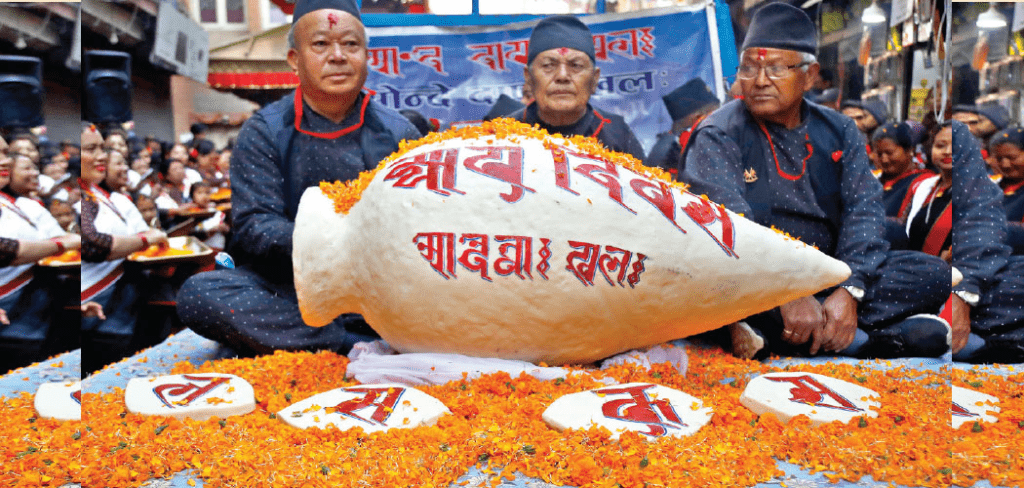
While Udhauli focuses on migration and environmental harmony, Yomari Punhi centers on harvest, food, and family unity. Celebrated by the Newar community during the full moon of Marga, Yomari Punhi marks the end of the rice harvest and the beginning of winter warmth.
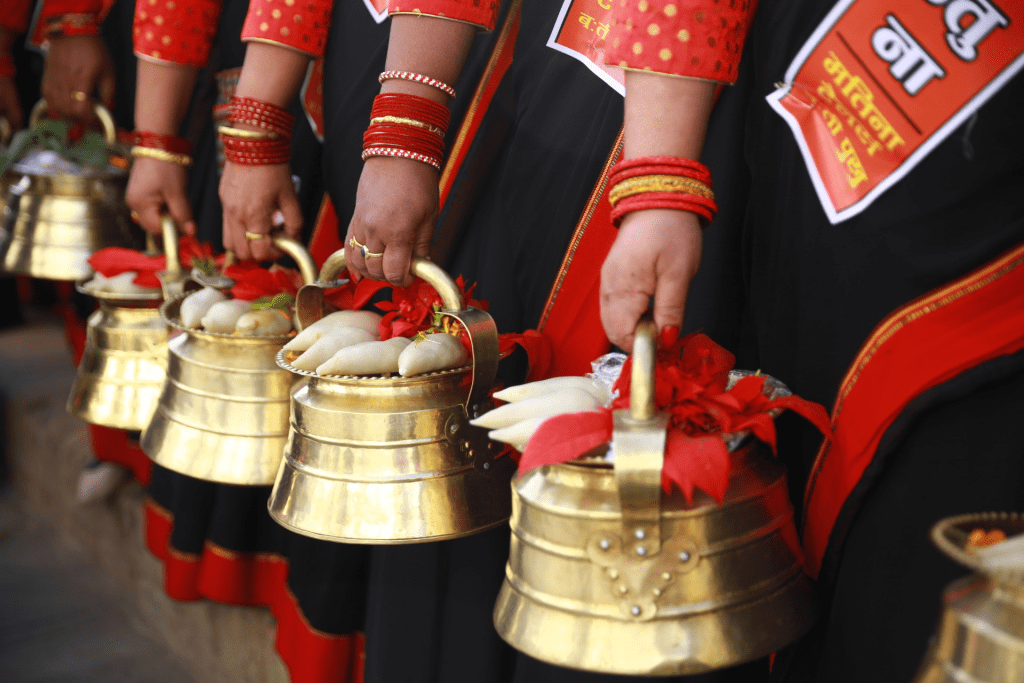
The festival is named after its iconic delicacy:
- Yomari – a cone-shaped steamed dumpling made from fresh rice flour, filled with chaku (molasses) or khuwā.
- Punhi – denotes the full moon day.
Yomari is more than just food; it is believed to bring good fortune, prosperity, and protection during winter.
Rituals and Family Traditions of Yomari Punhi
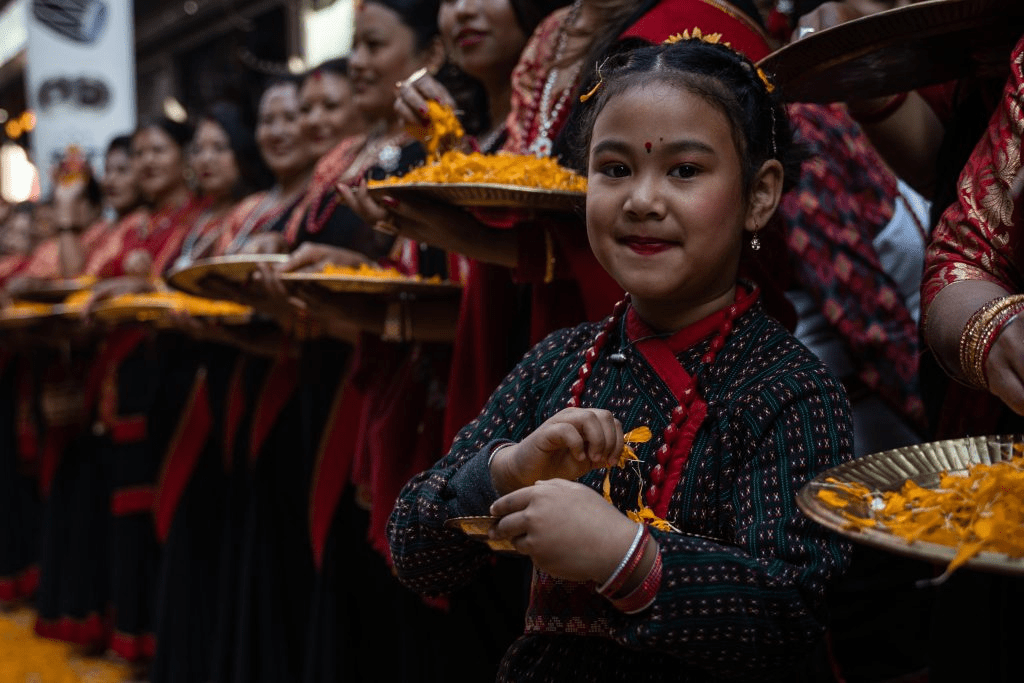
Yomari Punhi is a festival of togetherness and blessings:
- Making Yomari together strengthens family unity and passes down culinary skills across generations.
- Households worship Annapurna, the goddess of food and nourishment.
- Special Yomari shapes are made for children to bless them with long life, good health, and happiness.
The sweet aroma of Yomari wafting through Newar homes is a symbol of warmth, care, and shared prosperity.
Photo ideas: Families preparing Yomari, children receiving special Yomari shapes, and festive kitchens bustling with activity.
Modern Celebrations: Tradition Meets Today
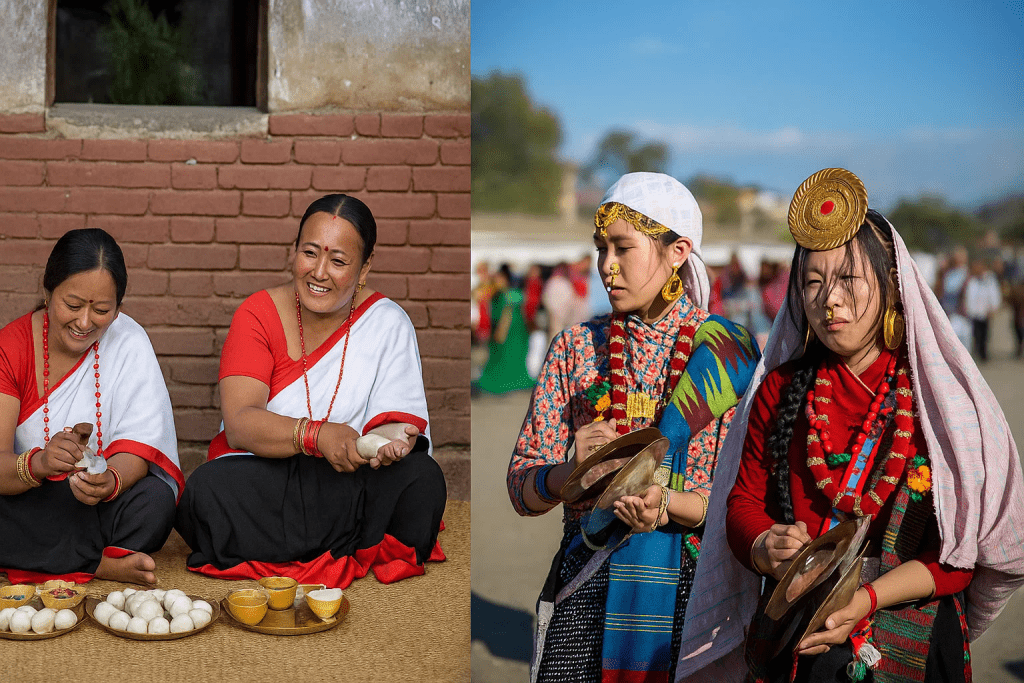
Both Udhauli Parva and Yomari Punhi have evolved to adapt to urban lifestyles while keeping traditions alive:
- Urban communities organize cultural programs, dance performances, and community feasts to celebrate.
- Social media trends often showcase Yomari-making tutorials or Sakela dance videos, making these festivals more visible globally.
- Some younger generations blend traditional rituals with modern celebrations, such as taking festival photos or sharing recipes online.
Despite these changes, the core message of gratitude, respect for nature, and family unity remains intact.
Cultural Significance: Why These Festivals Matter
Udhauli Parva and Yomari Punhi are more than festivals; they are expressions of Nepali identity:
- Nature and Seasons: Udhauli highlights seasonal migration, while Yomari Punhi celebrates harvest abundance.
- Community Bonds: Both festivals strengthen inter-generational relationships and promote collective celebration.
- Cultural Preservation: They help pass on traditions, rituals, and culinary practices to future generations.
Together, they remind Nepalis of their ancestral wisdom, connection to land, and shared prosperity.
Experiencing Udhauli & Yomari Punhi
For travelers and culture enthusiasts:
- Best Places to Witness Udhauli: Eastern hills of Nepal — Taplejung, Dhankuta, and Panchthar.
- Best Places for Yomari Punhi: Kathmandu Valley, especially traditional Newar neighborhoods in Bhaktapur, Patan, and Kathmandu.
- Tips: Dress in traditional attire if invited, participate respectfully, and try making or tasting Yomari for a truly immersive experience.
Fun Facts
- Udhauli literally means “moving downward” — a reflection of seasonal migration.
- Yomari shapes are often cone-like or symbolic to bless children with long life and success.
- Both festivals showcase Nepal’s rich cultural diversity, with distinct practices across communities.
Conclusion: A Day of Gratitude and Celebration
Udhauli Parva and Yomari Punhi together form a beautiful cultural tapestry of Nepal. While Udhauli connects people to nature and ancestral wisdom, Yomari Punhi brings family, food, and community joy to the forefront.
These festivals are a reminder to be grateful for the harvest, respect the environment, and celebrate togetherness, making this day truly special for everyone in Nepal.