



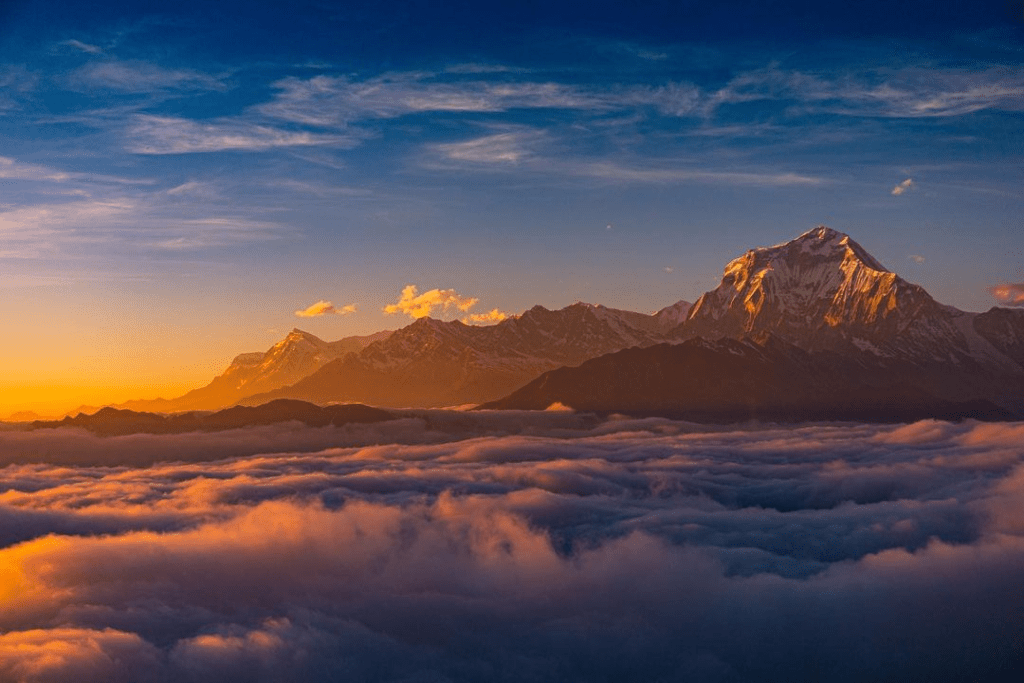
At 6:15am in late July, the view from a Pokhara rooftop is almost a trick. Annapurna South is out, the lake is glassy, and there is not a drop of rain in sight. By 2pm that same day, the sky has gone the color of wet slate and the streets are running like small rivers. That gap between the clear dawn and the soaked afternoon is the single most useful thing you can build a trip around, and these Nepal monsoon travel tips exist to help you use it. Most visitors get the monsoon wrong because they treat the rain as random. It is not. It runs on a rough daily schedule, and once you learn that rhythm, you can see a surprising amount of the country between June and September.
Why the Morning Window Exists
Nepal’s monsoon normally arrives around June 13 and stays active until roughly the first week of October. In 2025 it crossed into the country about 15 days early, on May 29, which shows how much the exact dates can move year to year. For 2026, the Department of Hydrology and Meteorology has forecast below-average rainfall across most of the country, with onset around the usual June 13 date and a chance of running a few days late.
Here is what most weather summaries gloss over: the rain does not fall evenly across the day. Mornings tend to be clearer, though humid. Clouds build through the late morning and early afternoon. By mid to late afternoon, the rain arrives in earnest, and a good share of the monsoon’s total also falls overnight. That daily curve is the whole basis of the morning window strategy. You move, climb, fly, or sightsee while the sky is open, and you are under a roof by the time it breaks.


Kathmandu’s numbers make the case. June averages around 30°C by day and 22°C at night, with about 240mm of rain spread over roughly 17 days. July is the wettest month, with about 363mm falling across 23 days and average humidity near 81 percent. Plenty of rain, clearly. But “23 rainy days” does not mean 23 days of all-day rain. It usually means 23 afternoons or nights when something comes down, with usable mornings attached to most of them.
Building Your Day Around the Rain
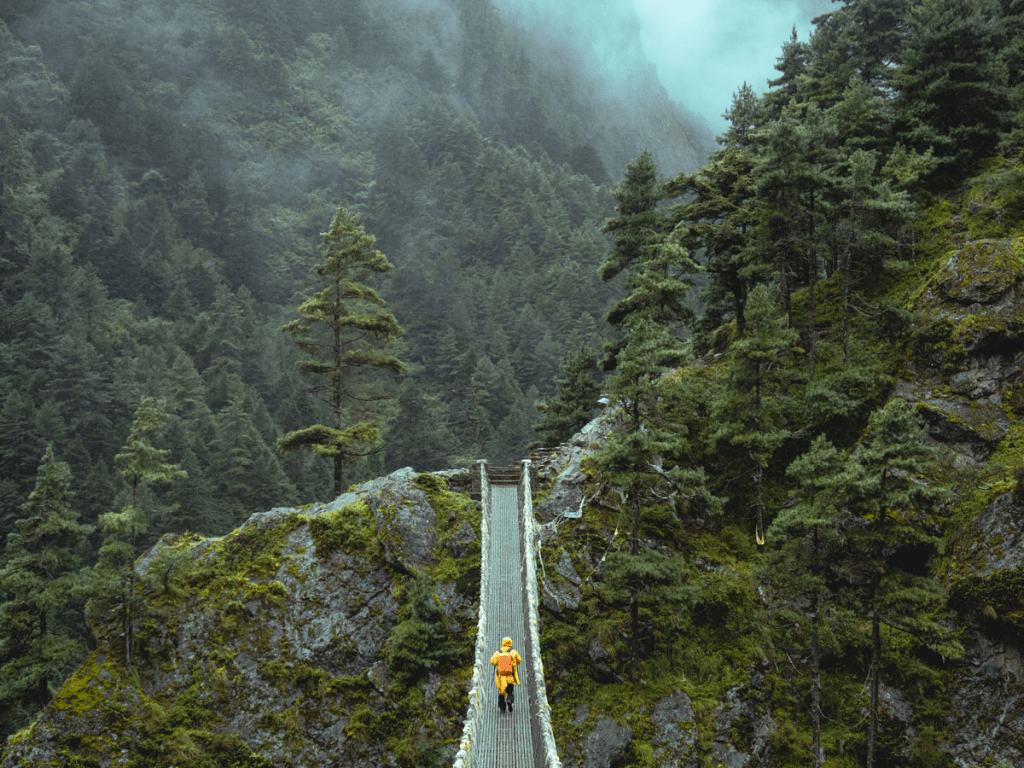
The practical version of this is simple. Treat roughly 5:30am to noon as your active block, and treat the afternoon as flexible, indoor, or buffer time. A sample monsoon day in Pokhara or Kathmandu might look like this:
- 5:30am to 6:30am: Wake early. This is your best shot at mountain views and the coolest, driest air of the day.
- 6:30am to 11:30am: Do the thing that matters most. Trek a segment, drive a mountain road, visit temples and durbar squares, or take a domestic flight.
- 11:30am to 2pm: Lunch and transit back to base. Watch the sky. Cloud buildup is your cue to wrap up.
- 2pm onward: Indoor plans. Museums, cafes, cooking classes, spa, planning the next day. If the rain holds off, treat it as a bonus.
Two consecutive clear mornings are common even in peak monsoon. Two consecutive clear afternoons are not. Plan your non-negotiable activities for the morning, every single time, and you will lose far less of your trip to weather than people who sleep in.
The dawn flight rule
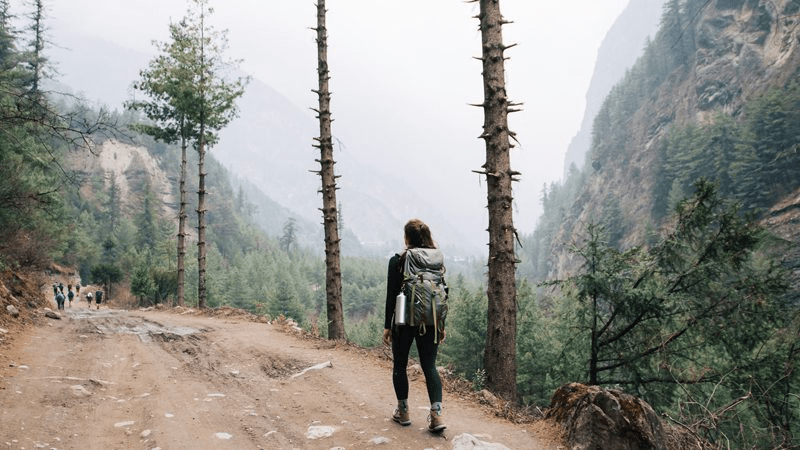
Domestic flights to mountain airstrips like Lukla and Jomsom are the most weather-sensitive part of any monsoon itinerary. Low cloud, fog, and rain delay or cancel them constantly. Insider habit number one: always book the first flight of the day. If that early slot gets canceled, there is a strong chance nothing flies until afternoon or even the next day, because the weather only deteriorates as the hours pass. Booking the 6:30am departure rather than the 10am one is not a small preference during monsoon. It can be the difference between flying and being stranded for 24 hours.
Roads, Landslides, and the Buffer Day
Mountain roads are the other place where the morning window earns its keep. The Prithvi Highway between Kathmandu and Pokhara is prone to landslide closures during heavy rain, and a hard truth worth repeating is that these closures are often never formally announced. Travelers report being stuck on a bus for up to 19 hours when a slope gives way ahead of them. Rain loosens hillsides through the afternoon and overnight, so a road that is passable at 7am can be blocked by 4pm.
Move on the roads in the morning. Aim to reach your destination by early afternoon rather than rolling in after dark. And build in buffer days. A realistic monsoon itinerary leaves at least one spare day between major legs of the trip, so a single closed road or canceled flight does not collapse the whole plan. Never schedule an international departure for the same evening as a domestic flight or a long drive. Give yourself a full day of cushion in Kathmandu before you fly home.
A few road and transport habits that pay off:
- Avoid overnight buses entirely. You cannot see hazards in the dark, and you cannot react to a closure if you are asleep on a mountain road.
- Stay in registered accommodation in towns that are not known for landslides. Makeshift lodges built without proper foundations are not made for monsoon water.
- Carry snacks and water for any drive longer than three hours. A “five-hour” trip can stretch well past that with no warning.
- Keep a screenshot of your route and the contact details of your hotel, since mobile data drops in and out in the hills.
Where the Strategy Works Best
The morning window is most reliable in the rain-shadow regions north of the main Himalayan wall. Upper Mustang, Dolpo, and Manang sit behind the high peaks that block most of the monsoon clouds, so they stay relatively dry and trekkable through summer while the rest of the country gets soaked. If you want serious trekking during the wet months, these are the places to point at. Our guide to Mustang and the forbidden kingdom covers why that region is the classic monsoon escape.
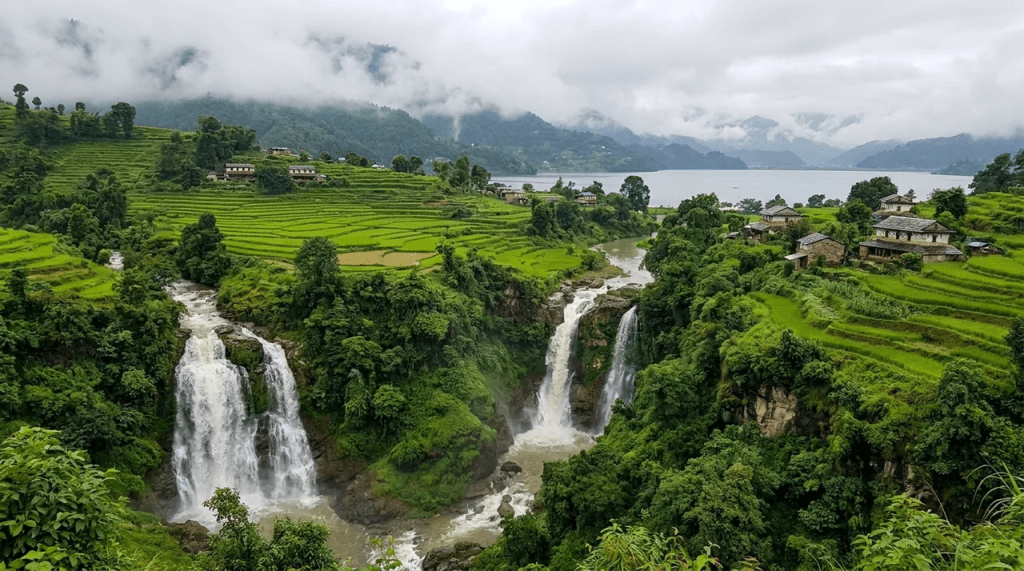
For lower-altitude travel, the strategy still holds, you just lean harder on it. Pokhara, the Kathmandu Valley, and the hill towns all reward early starts and patient afternoons. The lake city in particular is gorgeous in the monsoon, with waterfalls running full and the surrounding hills a deep, saturated green that you never see in the dry season.
Matching the window to the activity
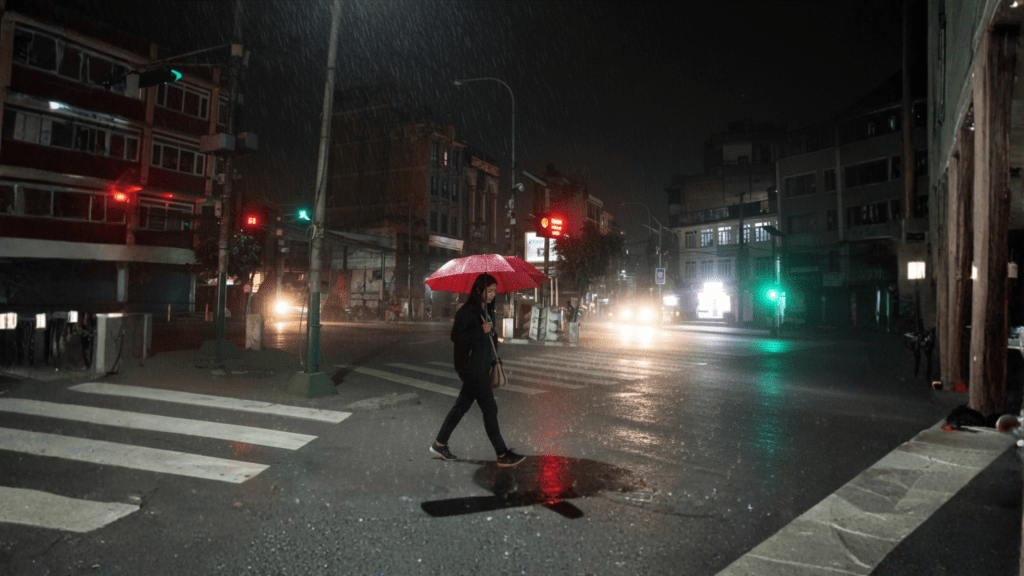
Different plans need different amounts of morning. A short temple visit can survive a late start. A flight to Lukla, a long mountain drive, or a high-pass trekking day cannot. Rank your activities by how badly afternoon rain would hurt them, and assign the earliest slots to the ones that would suffer most. If you are still deciding when to come at all, our month-by-month seasonal guide lays out the trade-offs of each season honestly.
What to Pack to Make the Window Longer
Good gear effectively stretches your usable morning by an hour or two on either end, because you can keep going through light rain instead of bolting for cover at the first drop. Worth carrying:
- A proper rain jacket plus a packable poncho that covers your daypack.
- Quick-dry clothing. Cotton stays wet for hours in 81 percent humidity and never really dries.
- Waterproof shoes or sandals with grip, plus a spare pair so one set can dry overnight.
- A dry bag or zip-lock bags for electronics, passport, and cash.
- Mosquito repellent, especially in the lowlands and Chitwan, where standing water means more insects.
- A small umbrella, which locals use constantly and which works better than a hood in the warm, vertical monsoon rain.
For the bigger picture on conditions, regions, and what monsoon travel actually feels like day to day, pair this article with our broader Nepal monsoon season guide. You can also cross-check current onset and withdrawal forecasts directly on the Department of Hydrology and Meteorology site, and browse official seasonal travel information through the Nepal Tourism Board.
The Honest Trade-Off
None of this makes the monsoon a no-risk season. Intense, localized downpours can still wash out a morning, and the forecast can be wrong, as 2025 proved when a below-normal total still produced deadly late-season floods. What the morning window strategy buys you is odds, not guarantees. Stack the odds in your favor by moving early, staying flexible, and refusing to schedule anything tight. Do that, and the rainy season turns into one of the most rewarding and least crowded times to see Nepal: green hills, thin trekking trails, lower prices, and those quiet, glittering dawns before the clouds roll back in.
Frequently Asked Questions About Nepal Monsoon Travel Tips
What time does it usually rain during the Nepal monsoon?
Rain most often arrives in the mid to late afternoon and continues into the night. Mornings are usually clearer, though humid. That is why early starts are the core of any monsoon plan: you do your important activities before the clouds build up around midday.
When does the monsoon start and end in Nepal?
The monsoon normally begins around June 13 and stays active until roughly early October. Dates shift year to year. In 2025 it arrived about two weeks early on May 29, while the 2026 forecast points to a near-normal mid-June onset with below-average overall rainfall.
Should I really book the first flight of the day to Lukla or Jomsom?
Yes. Mountain flights are extremely sensitive to cloud and rain, and conditions worsen as the day goes on. If the earliest departure is canceled, you may not fly until the afternoon or the next day. Booking the first slot gives you the best chance of getting out and a buffer if it slips.
How many buffer days should a monsoon itinerary include?
Plan at least one spare day between major legs of your trip, and a full extra day in Kathmandu before any international departure. Landslides and flight cancellations are common, and a single delay should not be able to wreck your whole schedule or make you miss your flight home.
Is it safe to travel by road in Nepal during monsoon?
Road travel is doable but carries real risk. Highways like the Prithvi Highway between Kathmandu and Pokhara can close suddenly due to landslides, often with no announcement. Travel in the morning, aim to arrive by early afternoon, avoid overnight buses, and build in buffer time. Before committing to any trek, make sure your paperwork is sorted using our trekking permits guide.
Which regions stay dry enough to trek in monsoon?
The rain-shadow areas north of the main Himalayan range stay relatively dry. Upper Mustang, Dolpo, and Manang are the standout monsoon trekking destinations because the high peaks block most of the incoming clouds, leaving these areas accessible while the rest of the country is wet.
How hot and humid does it get in Kathmandu during monsoon?
Expect daytime highs around 30°C in June and about 28°C in July, with nights near 20 to 22°C. Humidity is the bigger factor, sitting near 81 percent in July, which makes the air feel muggy. Lightweight, quick-dry clothing makes a real difference.
Is the monsoon a bad time to visit Nepal overall?
Not at all, if you plan around it. You get green landscapes, full waterfalls, fewer tourists, and lower prices. The trade-off is needing flexibility and early starts. For travelers who use the morning window and keep a loose schedule, the rainy season is one of the most rewarding times to come.


