



Everyone thinks the Everest Base Camp trek is for elite athletes with mountain experience. In reality, thousands of people with no prior trekking background complete it every year, including retirees in their 60s, office workers who trained for three months, and solo travelers who had never worn hiking boots before booking flights to Kathmandu. The truth is, EBC is hard. But it is a very specific kind of hard, and once you understand what you are actually dealing with, the whole thing becomes far less intimidating.
Here is what the glossy brochures tend to leave out.


The Basics: Distance, Duration, and Altitude
The classic Everest Base Camp route covers roughly 130 kilometers round trip, starting and ending in Lukla at 2,860 meters above sea level. Most itineraries run 12 to 14 days, with daily walking times between 5 and 8 hours depending on the stage. You will end at Base Camp itself, which sits at 5,364 meters (17,598 feet).
Here is where most people go wrong with their expectations: reaching Base Camp is not actually the visual payoff. The camp itself sits in a rocky bowl at the foot of the Khumbu Icefall and offers a limited view of Everest’s upper ridges. The iconic photo, the one with Everest rising dramatically above everything else, is taken from Kala Patthar, a rocky summit at 5,545 meters (18,192 feet) that most itineraries include as a pre-dawn side trip. Plan your schedule around Kala Patthar. It is worth the extra hours.
The Route: What You Actually Walk Through
You fly into Lukla on a small propeller aircraft from Kathmandu. The Tenzing-Hillary Airport in Lukla is one of the most dramatic airstrips in the world, perched on a ridge with a steep drop at one end. The flight takes about 35 minutes. Weather cancellations are common, particularly in monsoon season and during unsettled autumn spells. Build two extra days into your trip for this reason alone.
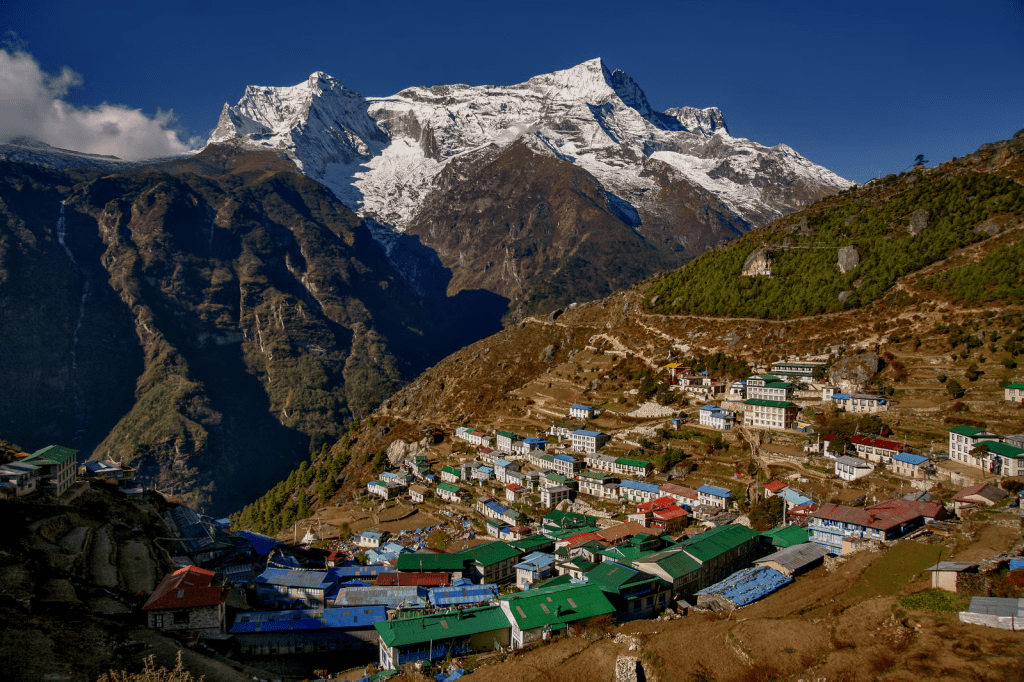
From Lukla, the trail climbs steadily through rhododendron forests and Sherpa villages before reaching Namche Bazaar at 3,440 meters. Namche is the main town on the route, a surprisingly lively hub with bakeries, gear shops, and Wi-Fi that actually works. Most trekkers spend two nights here for acclimatization. Do not skip this. Your body needs that extra day even if you feel completely fine.
The route continues through Tengboche, home to the famous monastery at 3,867 meters, then into the higher alpine villages of Dingboche (4,410 meters) and Lobuche (4,940 meters), before the final push to Base Camp and the early morning climb to Kala Patthar. Descent back to Lukla typically takes three to four days.
Altitude Is the Real Challenge, Not Fitness
This is where most guides get it wrong. People spend months training for the Everest Base Camp trek, doing long hikes, cycling, swimming. That preparation helps with stamina. But it does not protect you from acute mountain sickness, and that is what actually stops trekkers.
Altitude sickness does not care how fit you are. It strikes regardless of age, gender, or physical condition. The general rule is simple: ascend no more than 300 to 400 meters per day above 3,000 meters, include a rest day every two to three days, and never go higher if you are experiencing symptoms. Headache, nausea, dizziness, and fatigue are all warning signs. Loss of coordination or breathlessness at rest is a medical emergency.
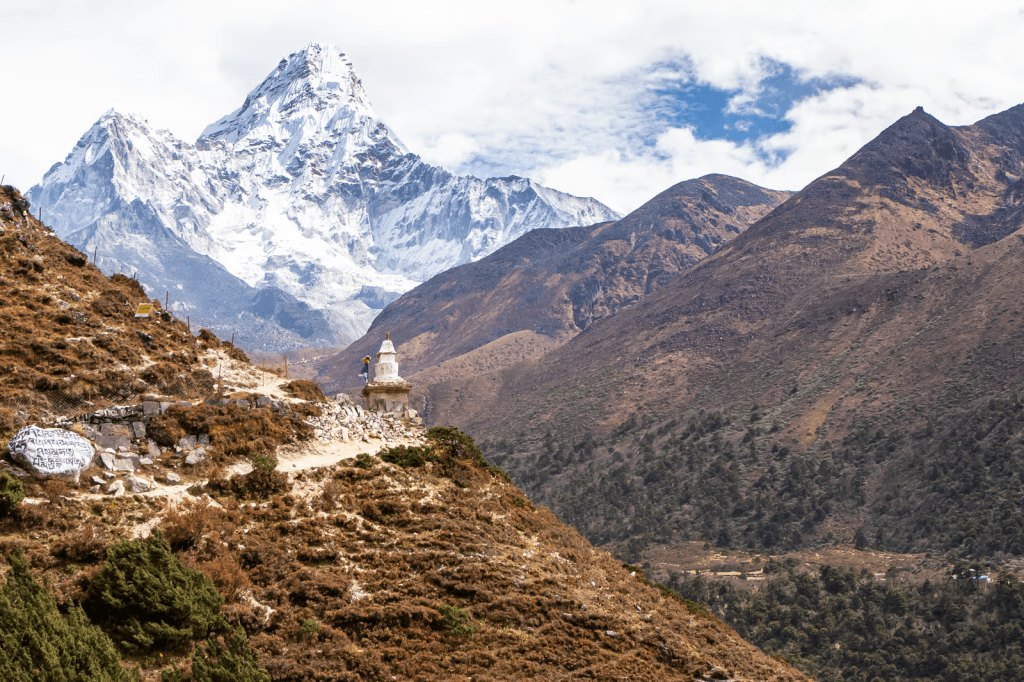
Diamox (acetazolamide) is a medication that helps the body acclimatize faster and reduces the risk of serious altitude illness. Consult a doctor before your trip. The CIWEC Clinic in Kathmandu, one of the most experienced travel medicine practices in Nepal, publishes clear guidance on altitude illness prevention that is worth reading before departure. Many experienced EBC trekkers use it as a precaution. Carry it even if you decide not to start taking it proactively.
Drink three to four liters of water per day. This sounds obvious. Almost nobody actually does it. Dehydration at altitude accelerates every symptom of AMS and makes recovery slower.
Permits: What You Need and What It Costs
As of 2025, trekkers heading to Everest Base Camp need two permits. First is the Sagarmatha National Park Entry Permit, which costs NPR 3,000 (approximately USD 22) for foreign nationals. Second is the Khumbu Pasang Lhamu Rural Municipality Entry Permit at NPR 2,000 (approximately USD 15). Total permit cost comes to around NPR 5,000, or roughly USD 37 to USD 45 depending on the current exchange rate.
TIMS cards are no longer required for the Everest region as of recent updates. Do not let agencies charge you for one for this specific route. You can obtain the National Park permit at the Nepal Tourism Board office in Kathmandu before you fly to Lukla. Local municipality permits are typically issued in Lukla itself.
Learn more about permit requirements on the Nepal Tourism Board official site. For a broader overview of all trekking permits, see our guide to Nepal trekking permits. For first-time visitors planning their wider trip, the Nepal beginner’s travel guide covers entry, visas, and pre-trip logistics.
Cost Breakdown: What Does the Trek Actually Cost?
Budget carefully here, because costs vary wildly depending on whether you book a package tour or plan independently.
A guided package through a reputable Kathmandu agency typically runs USD 1,200 to USD 2,000 for 14 days, including guide, porter, accommodation, and most meals. Independent trekking without a guide is cheaper but has become more complicated since Nepal introduced rules requiring guides for certain trekking areas. Check current regulations before assuming you can go solo.
A rough independent cost breakdown per day:
- Teahouse accommodation: USD 5 to USD 20 per night (prices increase with altitude)
- Meals: USD 15 to USD 30 per day (dal bhat is the most economical and also the most nutritious option on the trail)
- Lukla flights: approximately USD 180 to USD 220 round trip from Kathmandu
- Porter hire: approximately USD 20 to USD 30 per day if needed
- Travel insurance: budget USD 100 to USD 200 for a policy that covers helicopter evacuation up to 6,000 meters
That last item is non-negotiable. Helicopter evacuations from altitude cost USD 3,000 to USD 5,000 or more. You need insurance that covers it.
When to Go: Seasons and Crowds
Two windows dominate the EBC calendar. Spring (March to May) offers stable weather, blooming rhododendrons at lower elevations, and the highest concentration of expedition teams on their way to Everest summit attempts. Autumn (late September to November) brings clear skies after the monsoon clears and some of the best mountain views of the year.
Both seasons are busy. Namche Bazaar and the higher teahouses fill up fast in October, and popular stops like Tengboche Monastery can feel more like a tourist site than a remote retreat. If crowds bother you, early March or late November can offer a quieter experience at the cost of colder temperatures and more unpredictable weather.
Avoid June through August (monsoon season) unless you genuinely enjoy walking in rain with zero mountain visibility. December and January are cold and quiet, with the risk of snow blocking higher passes.
What to Pack: The Things People Forget
The gear lists online are thorough. Here are the items that frequently get overlooked:
- A down sleeping bag rated to at least minus 10 Celsius. Teahouse blankets are rarely warm enough at Lobuche and above.
- Trekking poles. Non-negotiable on the descent, especially on loose rocky sections after your knees have taken 10 days of impact.
- A portable power bank. Electricity at higher elevations is limited and lodges charge USD 2 to USD 5 per charging session.
- Lip balm and sunscreen with high SPF. UV intensity at altitude is severe and most people underestimate it.
- Snacks from Kathmandu. Chocolate bars and energy snacks are available on the trail but cost two to three times the price at altitude.
Hiring a Guide or Going Independent
The guide question comes up constantly. A good guide does more than navigate. On the Everest route, they help pace you correctly, catch early signs of altitude sickness before you notice them yourself, manage logistics at teahouses, and provide cultural context that transforms a walk into an education. If this is your first time trekking in Nepal, hiring a local guide is the right call.
Guides certified by the Nepal Tourism Board typically charge USD 25 to USD 35 per day. Porters, who carry loads up to 25 kg, charge USD 20 to USD 30 per day. Both deserve good tips. The trekking industry directly supports thousands of Sherpa and local families throughout the Khumbu region.
For context on how the Sherpa community built this trekking infrastructure, read our article on Nepal’s mountaineering history. For broader trip planning, our trekking in Nepal beginners guide covers the essentials.
Frequently Asked Questions About the Everest Base Camp Trek
How fit do I need to be for the Everest Base Camp trek?
You do not need to be an athlete, but you should be able to walk 6 to 8 hours on consecutive days with elevation gain. A three-month training program of regular hiking, cardio, and leg strengthening is realistic preparation for someone starting from average fitness.
Can I do the Everest Base Camp trek without a guide?
Technically yes, but Nepal’s regulations on solo trekking have been evolving. As of 2025, it is advisable to check current rules with the Nepal Tourism Board before planning an unguided trip to the Everest region. Many agencies offer small group treks that keep costs reasonable while providing guide support.
How much does the Everest Base Camp trek cost in total?
Budget USD 1,500 to USD 2,500 for a fully independent trek including flights, permits, accommodation, food, and insurance. Guided packages typically run USD 1,200 to USD 2,000 and include most logistics. Costs depend heavily on your accommodation choices and spending habits on the trail.
What permits do I need for EBC trek?
As of 2025, you need the Sagarmatha National Park Entry Permit (NPR 3,000 / approximately USD 22) and the Khumbu Pasang Lhamu Rural Municipality Permit (NPR 2,000 / approximately USD 15). Total permit cost is around NPR 5,000 for foreign trekkers. TIMS is no longer required for this region.
What is the best season for the Everest Base Camp trek?
Spring (March to May) and autumn (late September to November) are the two main trekking seasons. October is consistently the most popular month for clear skies and stable weather, but expect busy trails and lodges. March and late November offer quieter conditions.
What is the highest point on the EBC trek?
Everest Base Camp sits at 5,364 meters (17,598 feet). However, most itineraries include Kala Patthar at 5,545 meters (18,192 feet) as an early morning viewpoint hike. Kala Patthar offers the best views of Everest’s upper pyramid and is where most iconic photographs of the mountain are taken from the trek.
What happens if I get altitude sickness on the trail?
Rest and do not ascend further. If symptoms are mild, one to two rest days at the same altitude often resolve them. If symptoms worsen or include loss of coordination or breathlessness at rest, you must descend immediately. Emergency helicopter evacuation is available from most points on the route. This is why travel insurance covering helicopter rescue is essential before you start.
How crowded is the Everest Base Camp trek?
Very crowded during peak season, particularly October. The main trail between Namche Bazaar and Tengboche sees hundreds of trekkers daily during peak weeks. Higher elevations become quieter. If you dislike crowds, consider an early April or late May departure rather than the October peak.


