



The Sherpa are a Nepalese ethnic group who reside in the Himalayan highlands. The Sherpa are recognized for being guides for Westerners who desire to climb Mt. Everest, the world’s tallest mountain. They have a reputation for being hardworking, peaceful, and brave. During Nepal’s two-month climbing season, Sherpas who lead or support Everest expeditions earn around $5,000, far more than the country’s $430 yearly per capita household income. But, in order to get that money, Sherpas must undertake many round trips, putting themselves in grave danger. Here are some interesting facts about the Sherpas.
They view mountain peaks as god’s home
The greatest mountain summits, according to Sherpas, are the residence of the gods and should be adored from afar rather than conquered. Mount Everest is known as Chomolungma by the Sherpas, who revere it as the “Mother of the World.” Mount Makalu is revered as the Shankar deity (Shiva).
Even among those Sherpas who do climb and support excursions up the slopes, many think that mishaps occur when the gods are not treated with respect.


A climbing excursion must be preceded by puja, a devotional ceremony with sacrifices to the gods. Jon Krakauer, the author of Into Thin Air, details in his book the Sherpas’ apprehensive foreboding at the lack of respect during the party-like puja ceremony that preceded the disastrous 1996 Mount Everest mission. It resulted in the deaths of eight persons, including some well-known and accomplished climbers.
Mountain climbing wasn’t a part of Sherpa life
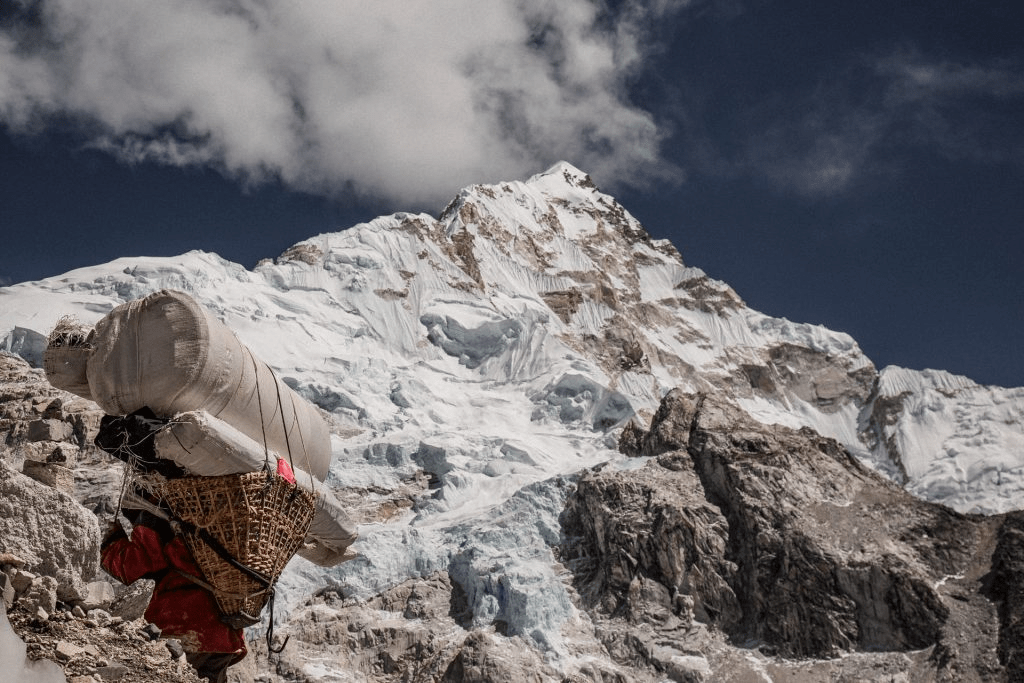
The Sherpas have a long and fascinating immigration history, dating back to the 1500s when they migrated from Tibet to Nepal.
In the twentieth century, the community that assists others in climbing mountains did not climb themselves. Since they believed the peaks were where the Gods lived, they mainly avoided them. It wasn’t until the 1920s that they became interested in mountain climbing, and it was mostly due to the British. Around that period, the British ruled the Indian subcontinent, and they planned mountain expeditions and employed Sherpas as porters.
As porters, they were accustomed to climbing the world’s highest peaks over time, and climbing became ingrained in their culture.
They are day to day Daredevils
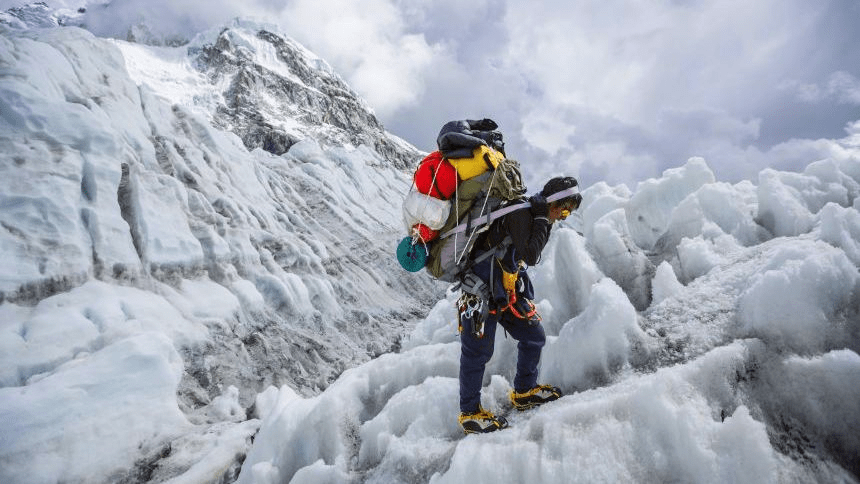
One of the interesting facts about the Sherpas is that they risk their lives more than anyone would expect. A Sherpa operating above Base Camp on Everest is nearly ten times more likely to die than a commercial fisherman — the most dangerous nonmilitary employment in the US — and more than three and a half times more likely to die than an infantryman fighting the Iraq war. A 1.2 percent mortality rate in the workplace is abnormally high.
There is no other service sector in the world that kills and maims its employees so frequently for the sake of paying customers.
They have a genetic superiority
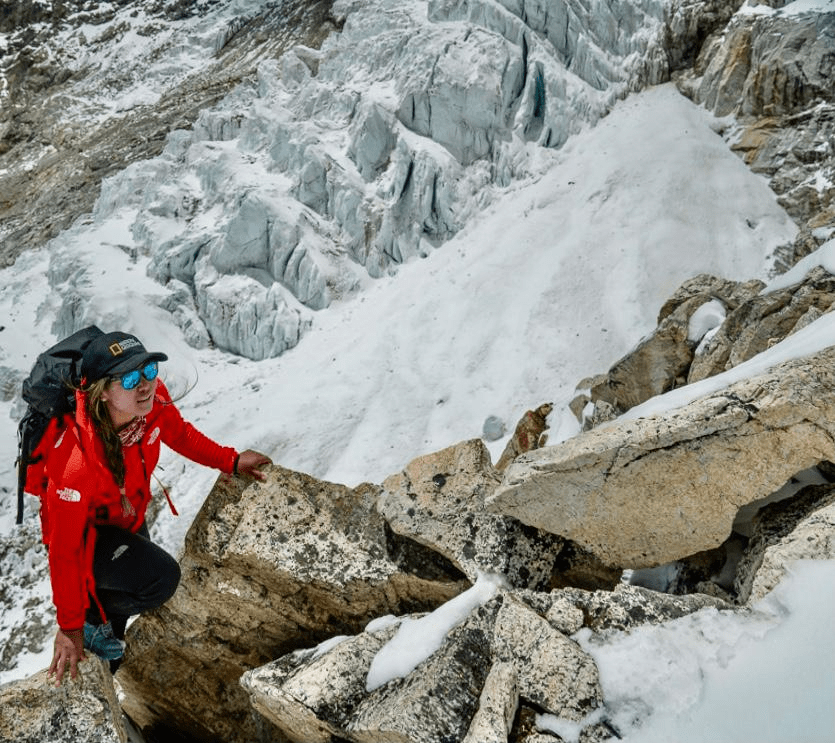
When explorers first employed Sherpas, a distinction quickly emerged. The thin air at high altitudes tired or sickened the visitors. Some people were killed. The Sherpas, on the other hand, continued to work efficiently and without fatigue. This edge manifested itself in an interesting way in 2017.
Kilian Jornet, an elite ultrarunner, raced to the summit of Mount Everest without the use of ropes or extra oxygen. Most climbers require four days and several bottles of oxygen to complete this feat. Jornet completed the race in a record-breaking 26 hours; But only to win the silver medal. Years before, a man named Kazi Sherpa had completed the journey in 20 hours.
Natural selection was also discovered to be the cause of Sherpa perkiness in low-oxygen environments by researchers in 2017. The body generally burns fat to generate energy. However, this procedure necessitates a large amount of oxygen. Correspondingly, the Sherpas burn sugar which is more efficient as it is a low-oxygen alternative. Phosphocreatine, a substance that supports muscle strength, is similarly depleted when a foreign climber reaches high altitudes. However, a Sherpas’ phosphocreatine levels either rises or stays level, but it rarely falls.
Following this logic, we may theorize that if we, our children, and our children’s children all spent our lives at high elevations, our descendants would eventually become Sherpas.
They have a unique naming ritual
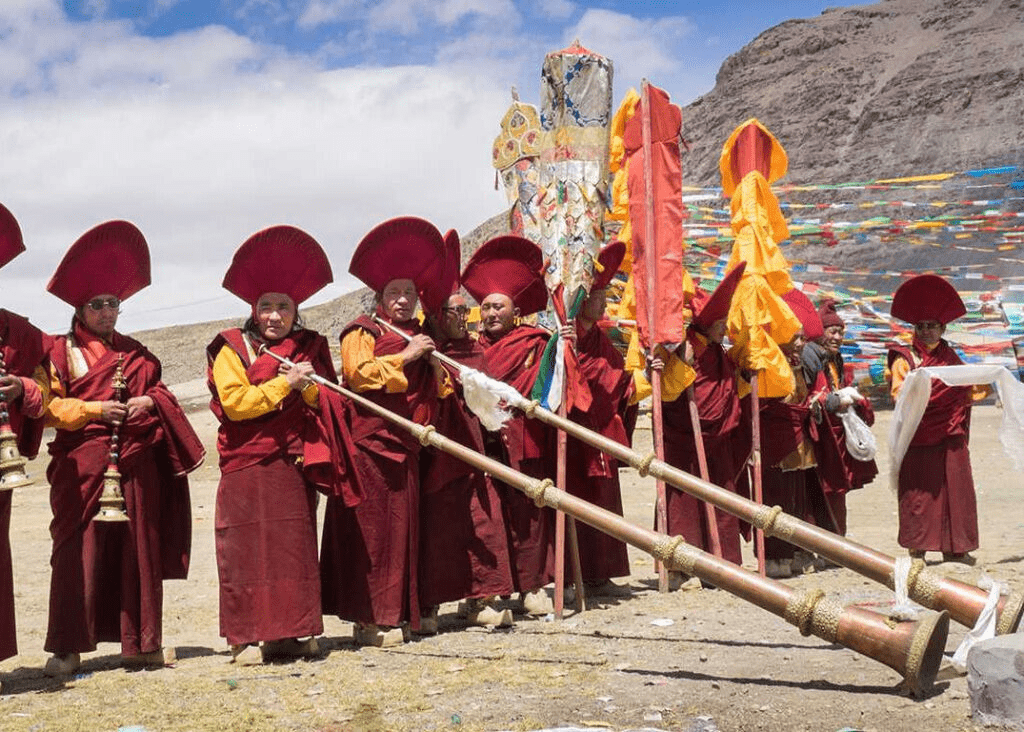
Sherpas have a unique naming ritual but ironically, not very unique names. When a Sherpa is not a Lhakpa Dorje, he is a Dorje Lhakpa. Furthermore, the Sherpa tradition of naming children after the days of the week results in an excessive number of Pasang Sherpas, Pemba Sherpas, and Phurba Sherpas.
The names of many Sherpas are based on the days of the week. Friday is Pasang, and Saturday is Pemba. This ritual entrusts the kid to the protection of the deity of the day.
Many Sherpa kids are given virtue names like Lhamo, which means “lovely,” or Gyaltshen, which means “courageous speech.” There are also a number of regularly used names from Tibetan Buddhist scriptures, such as Tenzing (meaning sturdiness and support).
And an even more peculiar marriage
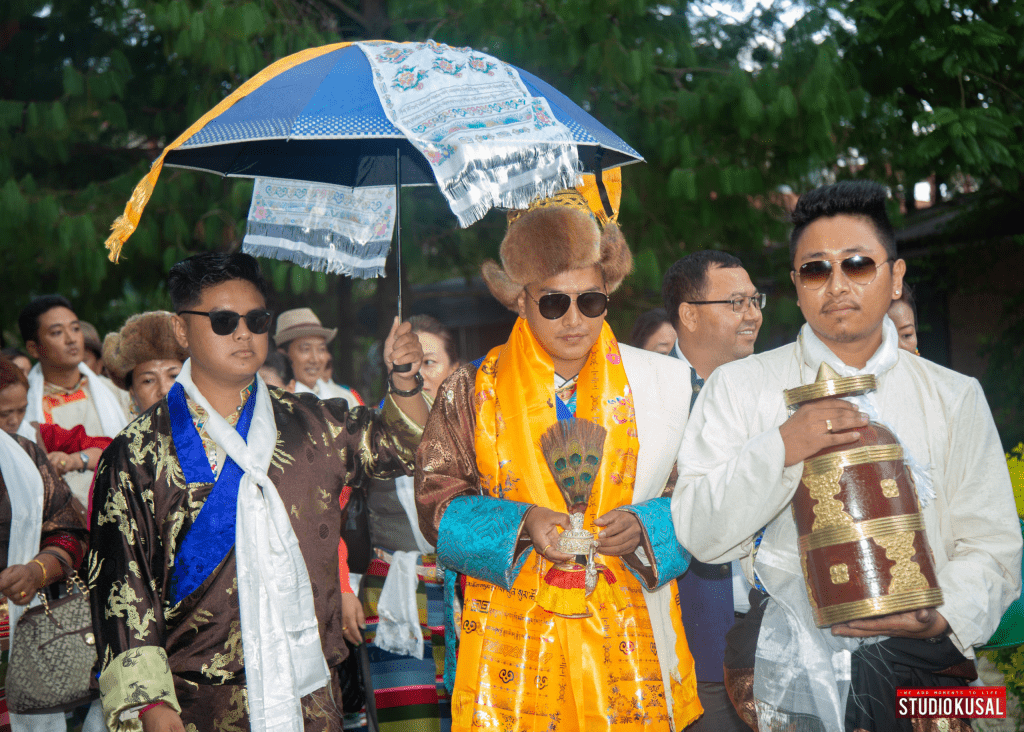
Sherpas choose their own partners. Marriage is a long and drawn-out process that might last several years. After a betrothal, the guy is entitled to reside with his fiancée in her parents’ home. This arrangement could last for several years during which the relation may even be ended. When both families are convinced that the marriage will work out, a ceremony is held to formally finalize the marriage talks. Before the wedding date is set, several months or even years may pass.
A male does not return home until he has a child; instead, he stays with his in-laws until his wife gives birth. On completion of the marriage, the newly married son is supposed to receive a house. The majority of marriages are monogamous, while fraternal polyandry (having multiple husbands) is legal and often seen as prestigious. Two brothers marry the same woman according to this custom.
These were the interesting facts about the Sherpas. Check out this article if you want to know about how the Sherpas helped in creating the world’s most dangerous airport.


