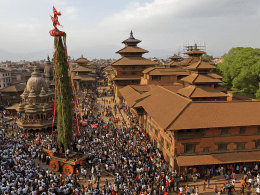



Ranke Sankranti brings a distinctive shamanic flavor to Nepal’s Saune Sankranti celebrations. In Rukum East, this day goes far beyond a simple ritual. Locals call it Ranke Sankranti, and it doubles as Luto Falne Din. However, this district adds something rarely seen elsewhere. Shamans, known locally as Jhakris, take center stage throughout the festivities. This guide explores what makes Ranke Sankranti so unique, especially in Lukum village.
What Is Ranke Sankranti?
Ranke Sankranti refers to the local Rukum East name for Saune Sankranti. Essentially, it marks the same nationwide festival celebrated across Nepal. The day falls on Shrawan 1, when the sun enters Cancer. Just like elsewhere, families in Rukum East observe Luto Falne, or the ritual casting away of skin disease. Yet locally, this occasion carries an additional name: Rake Tiwar. In Magar-dominated communities, both terms describe the same celebration. Therefore, Ranke Sankranti and Rake Tiwar essentially mean the same festival, viewed through a regional lens.
Where Does This Tradition Come From?
Rukum East sits within Nepal’s Dhaulagiri mountain range, in Lumbini Province. The district holds a strong Magar cultural identity, particularly among Kham Magar communities. Consequently, many festivals here blend Hindu solar traditions with indigenous shamanic practices. Bhume Rural Municipality, located in this district, preserves some of the clearest examples. Within it, Lukum village stands out as a particularly vivid showcase of Ranke Sankranti customs. According to local reports, most other parts of Rukum East follow a similar pattern. Still, Lukum’s version remains especially elaborate and well documented.
The Legend Behind Ranke Sankranti
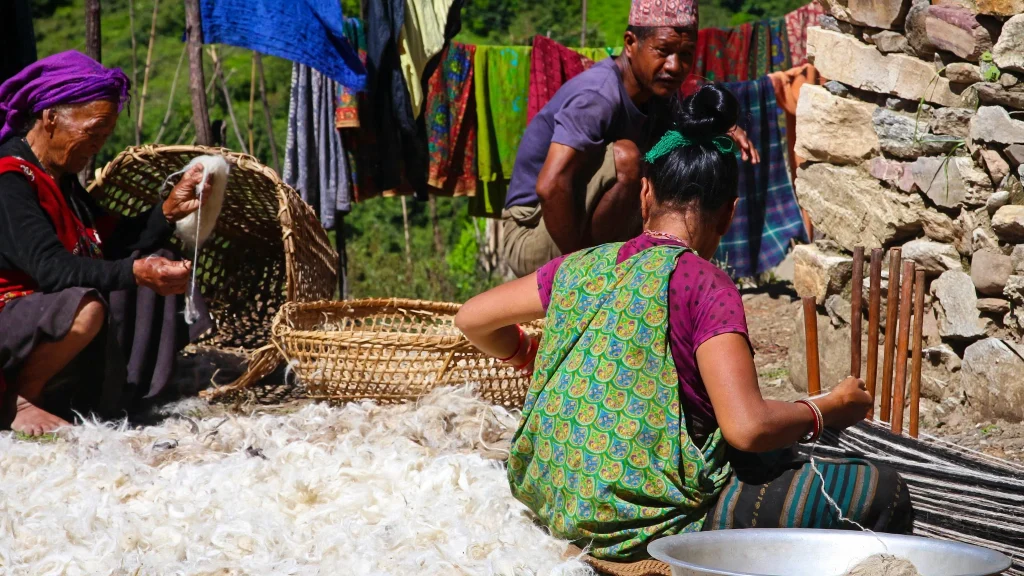
Local folklore explains why this festival carries such spiritual weight in Rukum East. According to community elders, a divine disaster once struck the region long ago. During this period, witches and demons claimed a human victim nearly every single day. Naturally, fear spread quickly throughout local villages. Then, according to tradition, a figure named Bhairab Jhakri appeared in Lukum village. He worked to appease the witches and demons, gradually reducing the casualties. This story forms the spiritual foundation for today’s shamanic rituals. Consequently, Jhakris continue this protective role during every Ranke Sankranti celebration.
The Jhakri Dance Festival in Lukum Village
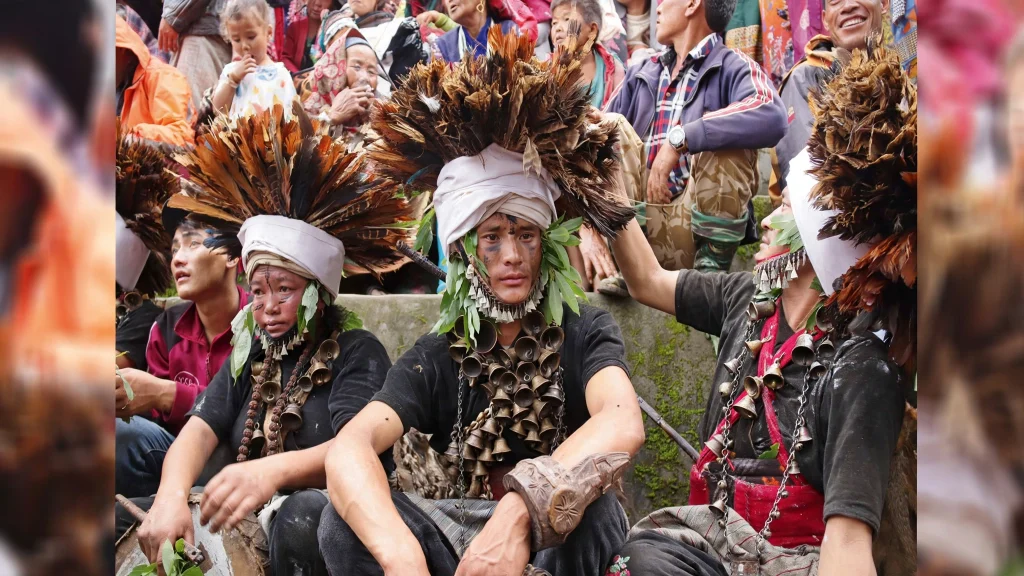
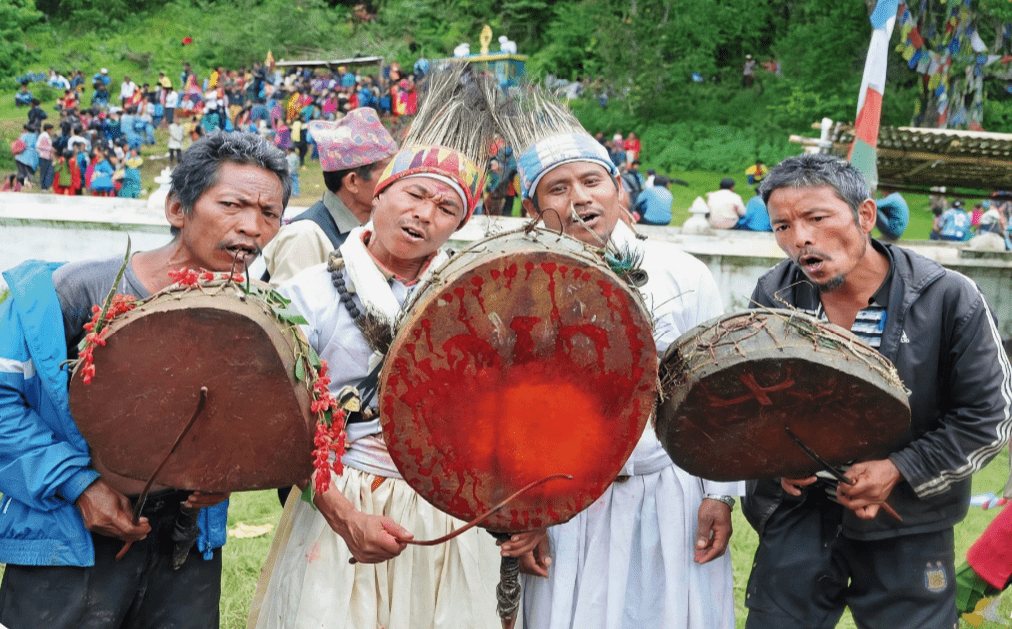
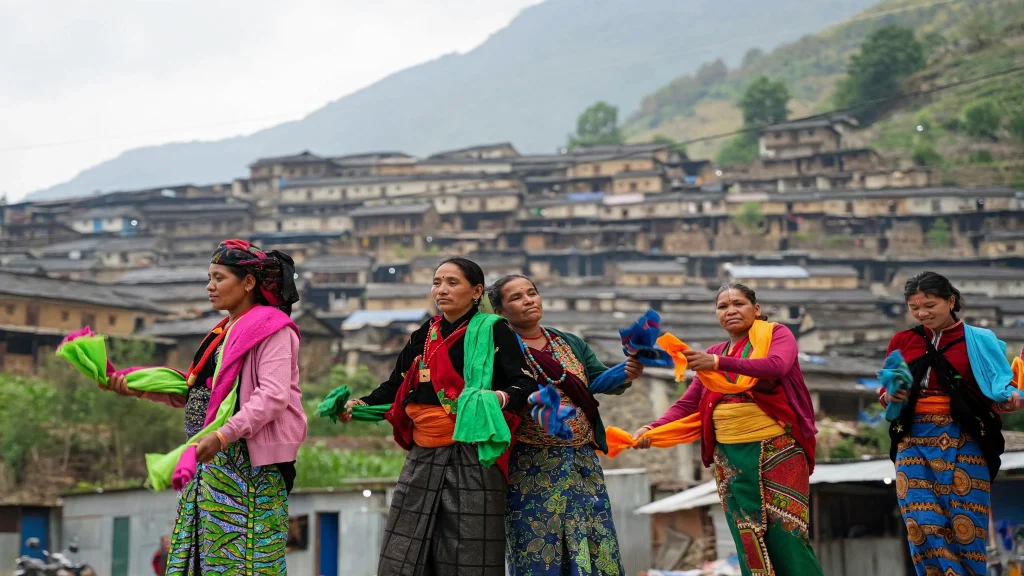
Lukum village hosts one of Rukum East’s most striking Ranke Sankranti events. Locally, this celebration is known as the Jhakri Dance Festival. It typically begins during the first week of Shrawan. Specifically, festivities concentrate around Tuesdays and Saturdays, days considered spiritually significant for shamanic work. Jhakris from across the surrounding area travel to Lukum for the occasion. Once gathered, they perform ritual dances accompanied by traditional instruments. This dancing can continue for several days, often stretching from Tuesday through the following Saturday.
Rituals Before the Main Celebration
Preparation for Ranke Sankranti begins a day before the main event. On this preliminary day, locals cast protective spells over lit flames. They then place these flames outside their homes. This act is believed to guard the household against scabies and other skin ailments. It closely echoes the broader Luto Falne tradition practiced across Nepal. However, Rukum East adds its own layer of shamanic ceremony. Additionally, families offer home-grown crops to local deities on this day. Common offerings include corn, cucumber, and beans, all harvested from nearby fields. This practice ties the ritual directly to the region’s agricultural rhythm.
The Chummi Binding Ceremony
One of the most distinctive parts of Ranke Sankranti involves a helper known as the Chummi. Before the main ritual begins, the Shaman binds the Chummi’s body using tantric mantras. This act functions as a form of protective spellcasting. According to local belief, spirits and ghosts remain inferior to a trained Shaman’s power. Therefore, this binding ritual ensures the Chummi stays protected throughout the ceremony. Afterward, the Shaman carries traditional Jhakri items to the gathering location. There, musicians begin playing instruments, signaling the ceremony’s official start.
Why Every Household Throws Away Fire
Fire plays a central symbolic role throughout Ranke Sankranti. On the festival day, every household disposes of its lit fire. Locals believe this act weakens the influence of harmful spirits. In many ways, this mirrors the broader Luto Falne custom of throwing burning bundles outward. Yet here, the practice carries deeper shamanic meaning. It’s not just about physical illness. Instead, it represents a spiritual cleansing tied directly to the Bhairab Jhakri legend. Together, fire and dance form the backbone of this unique regional celebration.
How Ranke Sankranti Differs From Standard Luto Falne
Across most of Nepal, Luto Falne remains a relatively private, family-centered ritual. Households burn medicinal plants and toss them outward at dusk. In Rukum East, however, Ranke Sankranti expands into a genuine community event. Shamans travel between villages, drawing crowds eager to witness their rituals. Dancing continues for multiple days, rather than lasting just one evening. Additionally, the spiritual framework differs significantly. While most of Nepal focuses on the demon Kandarak and skin disease, Rukum East centers its story around Bhairab Jhakri and ancestral protection. This distinction makes Ranke Sankranti a genuinely unique cultural expression within Nepal’s broader festival calendar.
Visiting Rukum East During Ranke Sankranti
Travelers interested in authentic, lesser-known Nepali festivals may find Ranke Sankranti especially rewarding. Lukum village, within Bhume Rural Municipality, offers the most documented version of these celebrations. The district sits at elevations ranging from roughly 1,800 to over 3,000 meters. Therefore, visitors should prepare for mountainous terrain and variable weather. Since the festival draws shamans from surrounding areas, timing your visit around the first week of Shrawan matters most. Local cultural guides or community members can help visitors understand ritual etiquette beforehand.
Final Thoughts on Ranke Sankranti
Ranke Sankranti offers a fascinating regional twist on Nepal’s broader Saune Sankranti traditions. In Rukum East, the familiar Luto Falne ritual expands into something far more elaborate. Shamans, ancestral legends, and multi-day dancing combine into one striking cultural event. Lukum village remains the clearest example of this tradition in action. For anyone curious about Nepal’s diverse festival landscape, Ranke Sankranti reveals just how much local culture can reshape a shared national celebration.
Frequently Asked Questions
What is Ranke Sankranti?
Ranke Sankranti is Rukum East’s local name for Saune Sankranti. It combines the standard Luto Falne ritual with unique Jhakri shamanic traditions.
Is Ranke Sankranti the same as Luto Falne Din?
Yes, Ranke Sankranti and Luto Falne Din refer to the same festival. Rukum East simply adds its own shamanic and community elements.
Where is the Ranke Sankranti festival best experienced?
Lukum village, in Bhume Rural Municipality-1 of Rukum East, hosts one of the most elaborate and well-documented celebrations.
Who is Bhairab Jhakri?
Bhairab Jhakri is a legendary shaman figure from local folklore. He’s credited with appeasing witches and demons that once threatened Lukum village.
What is the Chummi binding ceremony?
It’s a ritual where a Shaman binds his helper, the Chummi, using tantric mantras. This is believed to offer spiritual protection during the festival.
When does the Jhakri Dance Festival take place?
It typically begins in the first week of Shrawan, concentrated around Tuesdays and Saturdays, often continuing for several days.
Why do people in Rukum East throw away fire during this festival?
Discarding lit fire symbolizes weakening harmful spirits. It closely echoes the broader Luto Falne custom practiced across Nepal.
Is Ranke Sankranti open to outside visitors?
Yes, travelers can visit, though understanding local customs beforehand helps ensure respectful participation in these community rituals.