



For decades, Himalayan climbing in Nepal has followed a familiar pattern. A handful of famous peaks—Everest, Ama Dablam, Island Peak—have drawn most of the attention, the crowds, and the investment. Meanwhile, hundreds of equally dramatic mountains stood quietly in the background, visited by few and known by even fewer.
Now, that balance is beginning to shift.
By waiving climbing permit (royalty) fees for 97 Himalayan peaks until July 17, 2027, Nepal has opened a new chapter in mountaineering—one that feels less polished, more uncertain, and undeniably adventurous. For many climbers, it feels like the early days of Himalayan exploration all over again.
Table of Contents
- What Has Actually Changed?
- A New Kind of Himalayan Experience
- The Standout Peaks Climbers Are Watching Closely
- What “Free” Really Means on the Mountain
- Here is a list of 97 mountains free to climb in Karnali and Sudurpaschim:
- The Real Challenge: Remoteness
- Why This Policy Matters Beyond Climbing
- Final Thoughts: An Open Door, Not an Easy One
What Has Actually Changed?
At first glance, the policy sounds simple. However, its implications are far-reaching.
Traditionally, climbers paid anywhere from USD 500 to over USD 2,000 per person just to secure a permit for a single peak. Under the new policy, that fee is gone for 97 selected mountains, most of them located in Karnali and Sudurpashchim provinces.
As a result, peaks rising well above **6,000 meters—and even past 7,000 meters—**are now financially accessible in a way they never were before. In many cases, climbing these mountains now costs little more than organizing a long, remote trek.
More importantly, this shift signals a clear intention: Nepal wants mountaineering to move beyond Everest.
A New Kind of Himalayan Experience
Unlike the Khumbu region, these newly promoted areas do not offer comfort by default. Instead, they offer something else—space, silence, and uncertainty.
That difference matters.
While popular routes come with fixed ropes, packed trails, and busy base camps, the peaks on this free-permit list often come with none of that. In fact, some have climbed only a handful of times. Others remain virtually untouched.
Because of this, climbers are not just ascending mountains—they are rediscovering what expedition-style mountaineering really means.
The Standout Peaks Climbers Are Watching Closely
Although the policy covers 97 mountains, a few peaks have already emerged as clear favorites due to their height, character, and reputation.
Api Himal (7,132m) – Sudurpashchim
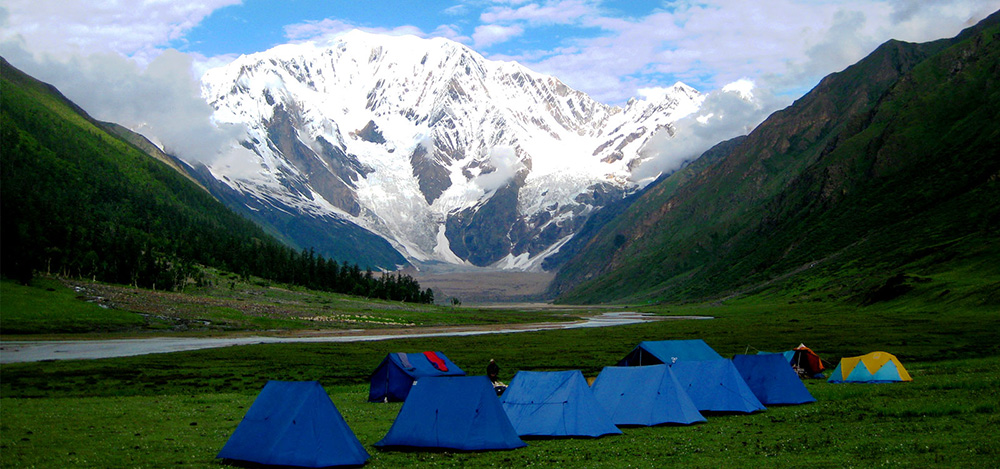
Standing as the highest peak in the region, Api Himal immediately commands respect. Its steep faces and dramatic ridgelines make it a serious technical challenge, even for experienced teams.
Api West (7,076m) – Sudurpashchim
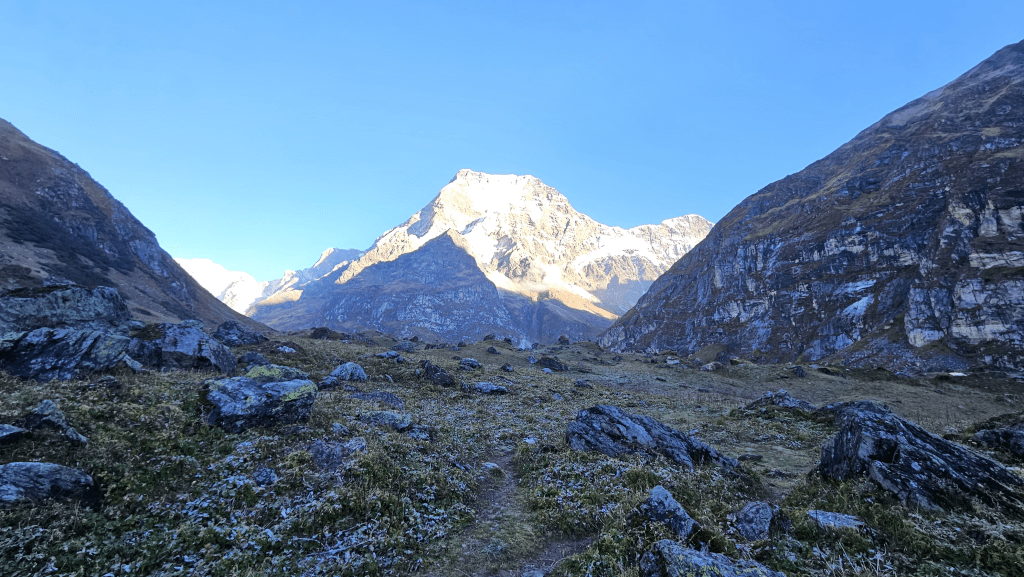
Just next door, Api West offers a quieter alternative. Because it is often overlooked, climbers here experience a rare sense of isolation—something increasingly hard to find in the Himalayas.
Saipal Himal (7,031m) – Sudurpashchim
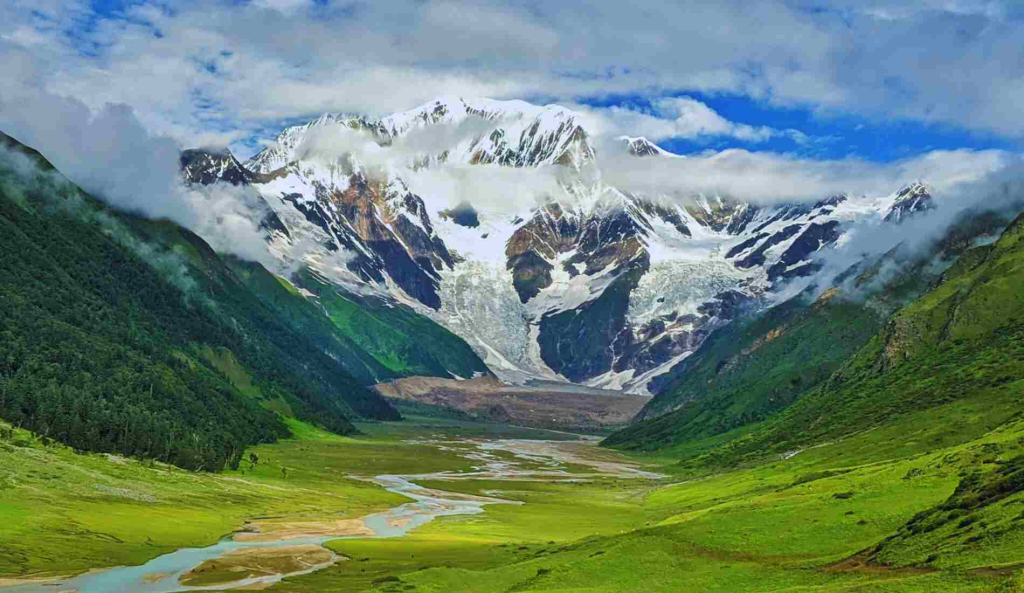
Few mountains in Nepal feel as mysterious as Saipal. Isolated and visually striking, it has long carried a reputation for difficult access and demanding routes.
Kanjiroba Main (6,883m) – Karnali
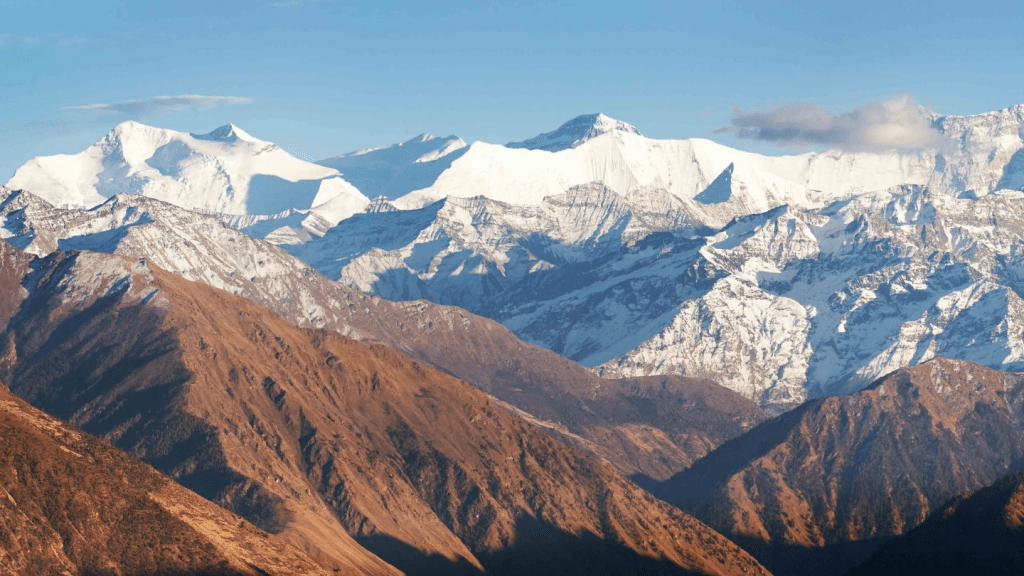
Rising above the Dolpo region, Kanjiroba is complex and commanding. Multiple ridges and technical lines make it especially appealing to seasoned alpinists.
Jethi Bahurani (6,850m) – Sudurpashchim
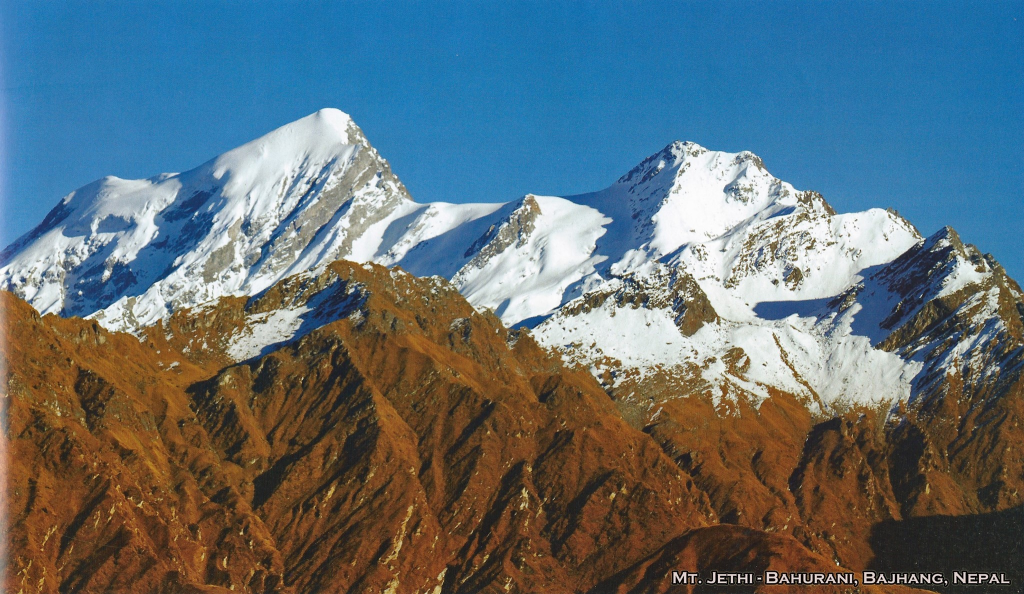
Sharp and alpine in style, this peak offers thrilling climbs and serious exposure—ideal for teams seeking something bold yet relatively unexplored.
Bobaye Peak (6,808m) – Sudurpashchim
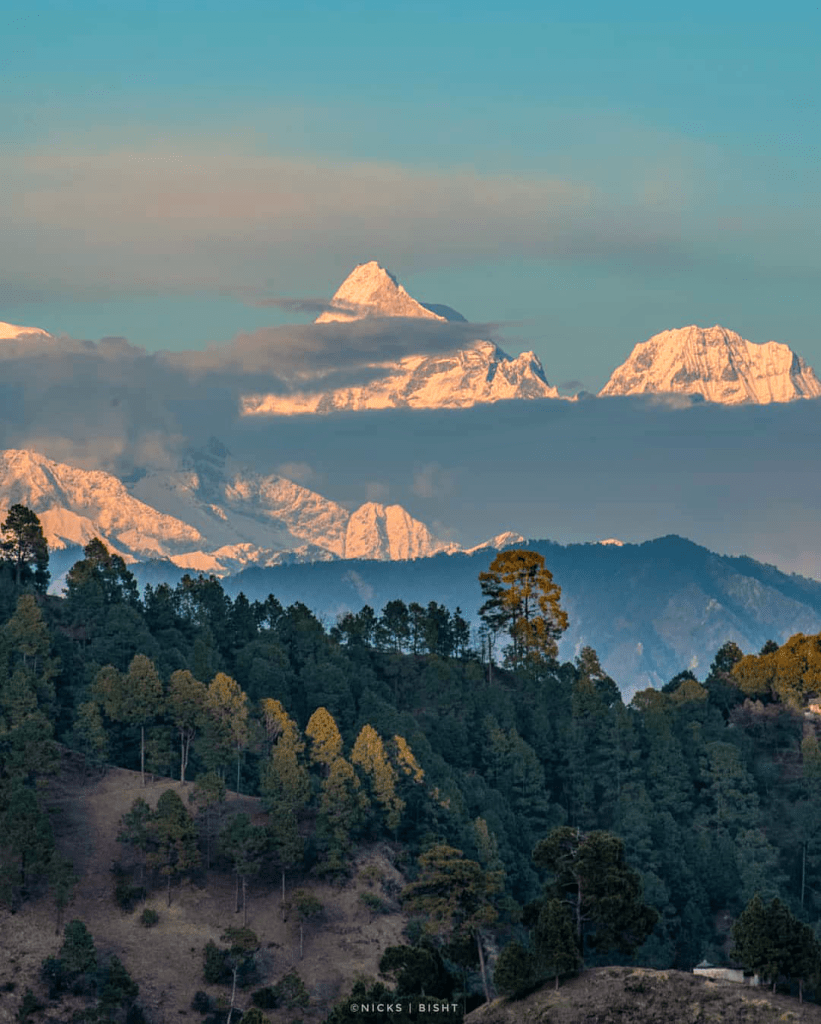
For those dreaming of first ascents or new routes, Bobaye Peak represents pure opportunity. Few mountains feel this open-ended anymore.
Ghyambu Peak (5,870m) – Karnali
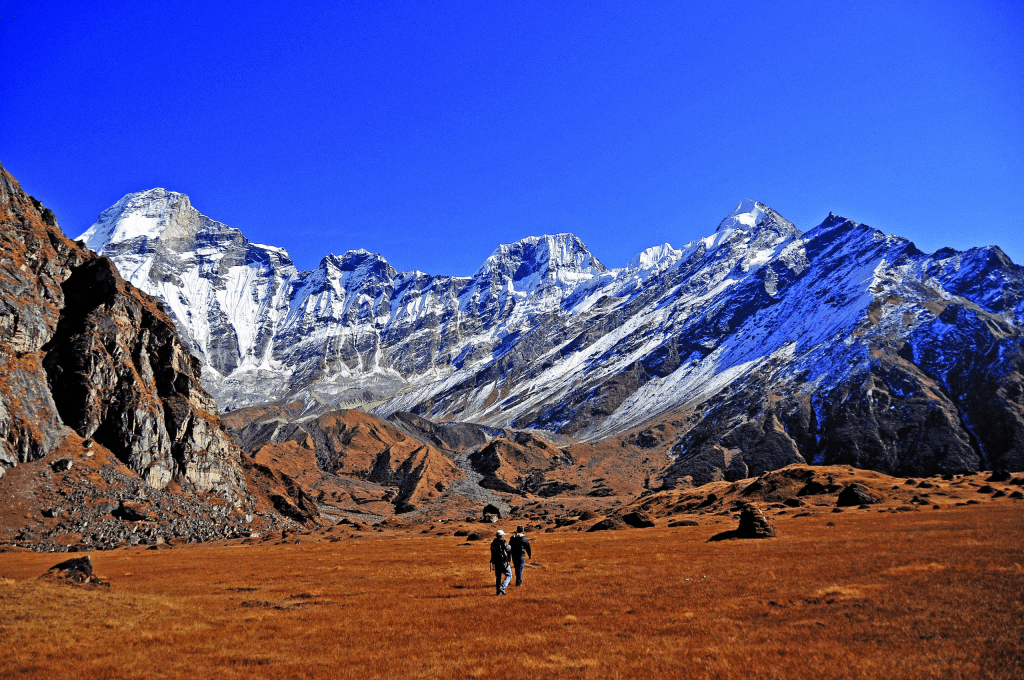
Lower in height but no less rewarding, Ghyambu Peak is perfect for acclimatization or as an introduction to remote Himalayan climbing.
What “Free” Really Means on the Mountain
While the permit fee is gone, it’s important to understand that the expedition itself is not free.
Yes, climbers save a significant amount by avoiding royalty payments. However, several mandatory costs remain.
For peaks above 6,500 meters, a government Liaison Officer is still required. Additionally, many of these areas fall under Restricted Area Permits (RAPs), especially in places like Humla and Darchula.
On top of that, climbers must pay a garbage deposit, arrange rescue and medical insurance, and fully cover the insurance of Nepali guides and porters.
In other words, the policy lowers the barrier—but it does not remove responsibility.
Here is a list of 97 mountains free to climb in Karnali and Sudurpaschim:
| Peak Code | Peak Name | Height (m) | Height (ft) | Range | Province | District |
| POTA | Pota North | 6,182 | 20,282 | Dhaulagiri | Karnali | Dolpa |
| NORB | Norbu Kang | 6,085 | 19,964 | Kanjiroba | Karnali | Dolpa |
| KJRM | Kanjiroba Main | 6,883 | 22,582 | Kanjiroba | Karnali | Dolpa |
| TRIP | Tripura Hiun Chuli | 6,553 | 21,398 | Kanjiroba | Karnali | Dolpa |
| TSKP | Tso Karpo | 6,518 | 21,398 | Kanjiroba | Karnali | Dolpa |
| LHAS | Lhashamma | 6,412 | 21,037 | Kanjiroba | Karnali | Dolpa |
| SHEY | Shey Shikhar | 6,139 | 20,141 | Kanjiroba | Karnali | Dolpa |
| TSOK | Tso Karpo Khang | 6,556 | 21,509 | Kanjiroba | Karnali | Dolpa |
| KTOK | Khang Tokal | 6,294 | 20,650 | Kanjiroba | Karnali | Dolpa |
| KJER | Kanjerawa | 6,612 | 21,693 | Kanjiroba | Karnali | Dolpa |
| KAGM | Kagmara | 5,978 | 19,613 | Kanjiroba | Karnali | Dolpa |
| KNGT | Kangfu Gaton/Kanta Gaton | 5,916 | 19,409 | Kanjiroba | Karnali | Dolpa |
| DOGA | Dogari Himal | 6,536 | 21,444 | Dhaulagiri | Karnali | Dolpa/Rukum East |
| ACHN | Aichyn | 6,055 | 19,865 | Chanwathan | Karnali | Humla |
| ARDN | Ardang | 6,034 | 19,797 | Chandi | Karnali | Humla |
| CHWT | Changwathang | 6,125 | 20,111 | Chandi | Karnali | Humla |
| BIJO | Bijora Hiun Chuli | 6,111 | 20,049 | Kanjiroba | Karnali | Jumla |
| DUDH | Dudh Kundali | 6,045 | 19,833 | Kanjiroba | Karnali | Jumla/Dolpa |
| KASI | Kasi Dalpha | 6,386 | 20,951 | Kanjiroba | Karnali | Jumla/Dolpa |
| BHUL | Bhulu Lhasa | 6,102 | 20,020 | Kanjiroba | Karnali | Mugu |
| KJRN | Kanjiroba North | 6,858 | 22,500 | Kanjiroba | Karnali | Mugu/Dolpa |
| PATR | Patrasai | 6,450 | 21,161 | Patrasi | Karnali | Mugu/Dolpa |
| SANC | Sanctuary Peak | 6,207 | 20,364 | Kanjiroba | Karnali | Mugu/Dolpa |
| KAND | Kande Hiun Chuli | 6,627 | 21,742 | Patrasi | Karnali | Mugu/Jumla/Dolpa |
| SISN | Sisne | 5,949 | 19,190 | Sisne Himal | Karnali | Rukum East/Rukum West |
| NYAL | Nyalu | 6,265 | 20,554 | Chandi | Karnali | Humla |
| PAL1 | Palchung I | 6,159 | 20,207 | Palchunghamga | Karnali | Dolpa |
| DANS | Danfe Shail | 6,103 | 20,023 | Kanjiroba | Karnali | Dolpa |
| KHNG | Khung | 6,024 | 19,764 | Palchung | Karnali | Dolpa |
| LUNG | Lungchhung | 6,043 | 19,826 | Palchung | Karnali | Dolpa |
| MARW | Mariayang West | 6,455 | 21,178 | Palchunghamga | Karnali | Dolpa |
| MARI | Mariyang | 6,528 | 21,417 | Palchunghamga | Karnali | Dolpa |
| SWAK | Swaksa Khang | 6,405 | 21,014 | Kanjiroba | Karnali | Dolpa |
| TNK1 | Tankya I | 6,305 | 20,686 | Palchung | Karnali | Dolpa |
| CHND | Chandi Himal | 6,096 | 20,151 | Palchung | Karnali | Dolpa |
| ASJM | Asajya Tuppa | 6,265 | 20,554 | Gorakh | Karnali | Humla |
| GORH | Gorakh Himal | 6,092 | 20,334 | Gorakh | Karnali | Humla |
| GORK | Gorakh Khang | 6,054 | 19,862 | Gorakh Himal | Karnali | Humla |
| CHGL | Changla | 6,563 | 21,532 | Changla | Karnali | Humla |
| LCHC | Lachama Chuli | 6,721 | 22,051 | Changla Himal | Karnali | Humla |
| LCHN | Lachama North | 6,628 | 21,745 | Changla | Karnali | Humla |
| NALA | Nala Kankar | 6,062 | 19,888 | Nalakankar | Karnali | Humla |
| TAKP | Takphu Himal | 6,395 | 20,981 | Nalakankar | Karnali | Humla |
| TAKN | Takphu North | 6,142 | 20,151 | Nalakankar | Karnali | Humla |
| TILK | Til Khang | 6,369 | 20,896 | Nalakankar | Karnali | Humla |
| YARA | Yara Chuli | 6,236 | 20,459 | Palchung | Karnali | Mugu/Dolpa |
| CHGD | Changdi | 6,623 | 21,729 | Palchung | Karnali | Mugu |
| KAIM | Kaipuchonam Main | 6,329 | 20,764 | Palchung | Karnali | Mugu |
| KNTE | Kanti East | 6,516 | 21,378 | Kanti | Karnali | Mugu |
| KNTH | Kanti Himal | 6,859 | 22,503 | Kanti Himal | Karnali | Mugu |
| KAPT | Khaptang | 5,965 | 19,570 | Kanti Himal | Karnali | Mugu |
| KOGN | Kogi Khang North | 6,275 | 20,587 | Kanti | Karnali | Mugu |
| KOJC | Kojichwa Chuli | 6,439 | 21,125 | Kanti Himal | Karnali | Mugu |
| KOJS | Kojichwa South | 6,264 | 20,551 | Kanti | Karnali | Mugu |
| MAYT | Mayung Thang Khang | 6,449 | 21,158 | Kanti | Karnali | Mugu |
| TAKL | Takla Khang | 6,276 | 20,591 | Kanti | Karnali | Mugu |
| ASJW | Asajya Tuppa West | 6,055 | 19,865 | Gorakh | Karnali | Humla |
| JYAG | Jyangche | 5,893 | 19,334 | Gautam | Karnali | Dolpa |
| CHBL | Chanabolo | 5,897 | 19,347 | Gautam | Karnali | Dolpa |
| GHYM | Ghyambu Peak | 5,870 | 19,259 | Gautam | Karnali | Dolpa |
| TINJ | Tinje Peak | 5,984 | 19,633 | Gautam | Karnali | Dolpa |
| CHKH | Changla Khang | 6,581 | 21,591 | Changla | Karnali | Humla |
| CHNW | Changla Khang North West | 6,233 | 20,449 | Changla | Karnali | Humla |
| CHDE | Changdi East | 6,328 | 20,761 | Kanti | Karnali | Mugu |
| KANW | Kaipuchonam North West | 6,218 | 20,400 | Kanti | Karnali | Mugu |
| KAIW | Kaipuchonam West | 6,093 | 19,990 | Kanti | Karnali | Mugu |
| KNTC | Kanti Central | 6,275 | 20,587 | Kanti | Karnali | Mugu |
| KOGK | Kogi Khang | 6,095 | 19,997 | Kanti | Karnali | Mugu |
| YOLU | Yolungma Khang | 6,114 | 20,059 | Kanti | Karnali | Mugu |
| PAL2 | Palchung II | 6,025 | 19,767 | Palchunghamga | Karnali | Dolpa |
| PAL3 | Palchung III | 6,009 | 19,715 | Palchunghamga | Karnali | Dolpa |
| TNK2 | Tankya II | 6,291 | 20,640 | Palchunghamga | Karnali | Dolpa |
| TNK3 | Tankya III | 6,261 | 20,541 | Palchunghamga | Karnali | Dolpa |
| TNK4 | Tankya IV | 6,254 | 20,518 | Palchunghamga | Karnali | Dolpa |
| FIRE | Firnkof East | 6,697 | 21,972 | Saipal | Karnali/Sudurpaschim | Humla/Bajhang |
| SAIP | Saipal | 7,031 | 23,064 | Gurans/Saipal | Karnali/Sudurpaschim | Humla/Bajhang |
| SAIE | Saipal East | 6,882 | 22,579 | Saipal | Karnali/Sudurpaschim | Humla/Bajhang |
| DGAR | Dhaulagiri | 6,633 | 21,762 | Saipal | Sudurpaschim | Bajhang |
| KARK | Karko | 6,015 | 19,734 | Gurans | Sudurpaschim | Bajhang |
| FIRW | Firnkof West | 6,745 | 22,129 | Saipal | Sudurpaschim | Bajhang |
| RAKS | Raksha Urai | 6,593 | 21,630 | Urai Lekh | Sudurpaschim | Bajhang |
| SURM | Surma Sarovar North | 6,523 | 21,401 | Surma Saravar Lekh | Sudurpaschim | Bajhang |
| NAMS | Nampa South | 6,580 | 21,588 | Gurans | Sudurpaschim | Darchula |
| APIM | Api | 7,132 | 23,399 | Byas-Rishi | Sudurpaschim | Darchula |
| APIW | Api West | 7,100 | 23,294 | Byas-Rishi | Sudurpaschim | Darchula |
| NAMP | Nampa | 6,755 | 22,162 | Gurans | Sudurpaschim | Darchula |
| NAM2 | Nampa II | 6,700 | 21,982 | Gurans | Sudurpaschim | Darchula |
| LHAY | Lhayul Peak | 6,397 | 20,987 | Api Himal | Sudurpaschim | Darchula |
| BOBA | Bobaye Chuli | 6,808 | 22,336 | Byas-Rishi | Sudurpaschim | Darchula/Bajhang |
| JETH | Jethi Bahurani Chuli | 6,850 | 22,474 | Gurans | Sudurpaschim | Darchula/Bajhang |
| KAPC | Rok Kapi (Kap Chuli) | 5,467 | 17,936 | Saipal | Sudurpaschim | Darchula/Bajhang |
| NAM3 | Nampa Chuli | 7,110 | 23,327 | Gurans | Sudurpaschim | Darchula/Bajhang |
| YOKO | Yoko Pahad | 6,401 | 21,001 | Gurans | Sudurpaschim | Darchula/Bajhang |
| GURA | Gurans | 6,744 | 22,126 | Gurans | Sudurpaschim | Bajhang |
| YARW | Yarwa | 6,644 | 21,798 | Gurans | Sudurpaschim | Darchula/Bajhang |
| JYAC | Jyachhung | 6,388 | 20,958 | Byas-Rishi | Sudurpaschim | Darchula |
| LASA | Lasa | 6,189 | 20,305 | Byas-Rishi | Sudurpaschim | Darchula |
The Real Challenge: Remoteness
Perhaps the biggest shift is logistical rather than financial.
Reaching these mountains often involves a flight to Nepalgunj, followed by another flight to remote airstrips such as Simikot or Darchula. From there, climbers may trek for days—sometimes more than a week—before even reaching base camp.
Once on route, infrastructure is minimal. Tea houses are rare, trails are faint, and reliable maps are limited. As a result, teams must rely heavily on self-sufficiency, satellite imagery, and real-time decision-making.
This is not tourism built for convenience. It is exploration built for commitment.
Why This Policy Matters Beyond Climbing
Beyond the climbing community, this policy could reshape how adventure tourism works in Nepal.
By drawing climbers into less-visited regions, the government is creating opportunities for local employment, guiding, and logistics services. At the same time, it helps reduce pressure on overcrowded areas like Everest Base Camp.
More importantly, it restores balance—between famous peaks and forgotten ones, between commercial climbing and genuine exploration.
Final Thoughts: An Open Door, Not an Easy One
Nepal has opened the door wide. What lies beyond, however, is not comfort—it is responsibility, risk, and reward.
For climbers willing to embrace uncertainty, these free-permit peaks offer something increasingly rare in the modern Himalayas: the chance to be early, not late.
See Nepal in every scroll: Follow us on Facebook, Instagram, and TikTok for stories that bring the country to life.


