



Deep in the Manaslu Conservation Area of northern Nepal lies one of the Himalayas’ best-kept secrets. The Tsum Valley trek takes you into a remote, high-altitude valley that feels entirely separate from the modern world, a place where ancient Buddhist traditions survive intact, where monasteries cling to cliffsides, and where the mountains are so close you can almost reach out and touch them. While Everest Base Camp and the Annapurna Circuit attract thousands of trekkers every season, Tsum Valley remains refreshingly quiet, offering an experience that is as spiritually enriching as it is physically demanding.
Named from the Tibetan word Tsombo, meaning “vivid,” Tsum Valley sits in the northern part of Gorkha District in Gandaki Province, sharing a border with Tibet. The valley was designated by the 8th-century Buddhist master Guru Rinpoche as one of 108 beyuls; sacred hidden valleys intended as refuges for the faithful. This spiritual heritage permeates every corner of the valley: Mani walls line the trails, chortens mark high passes, and ancient monasteries welcome trekkers with the scent of juniper incense. The Tsum Valley trek only opened to international trekkers relatively recently (fewer than 20 years ago), which means it still carries the raw, unfiltered energy of a place that has barely changed in centuries.
Whether you are a seasoned trekker seeking an off-the-beaten-path adventure or a culture lover wanting to experience Himalayan Buddhism at its most authentic, the Tsum Valley trek belongs on your Nepal bucket list. This comprehensive guide covers everything you need to know before you go, from permits and itineraries to packing lists and the best time to visit.


What Makes the Tsum Valley Trek Special?
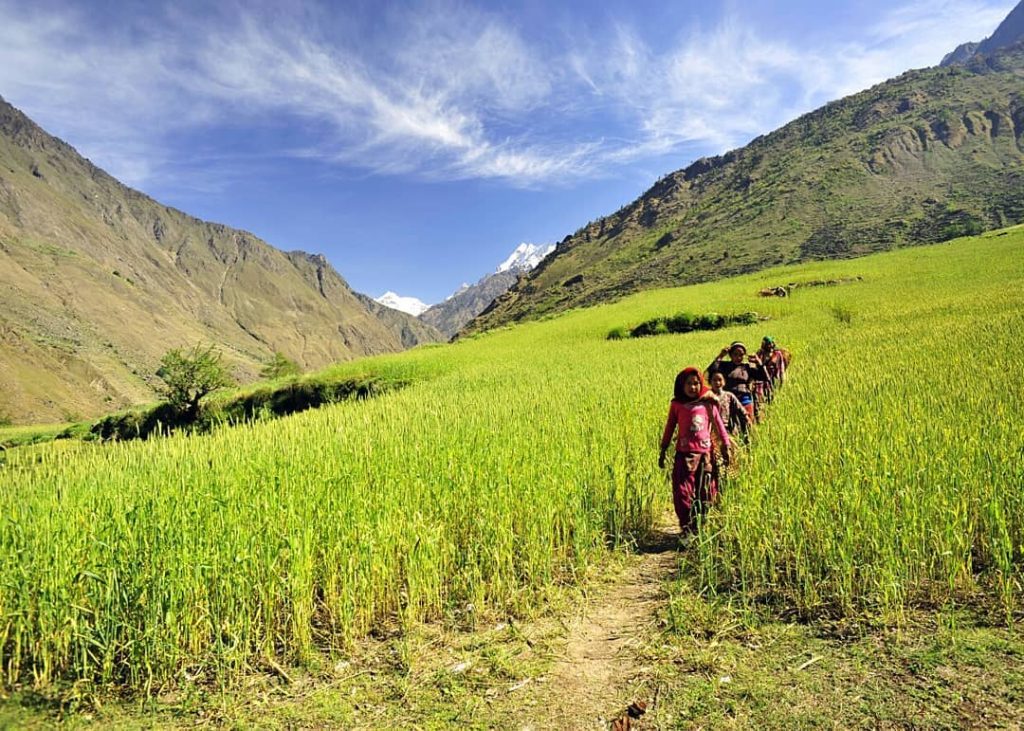
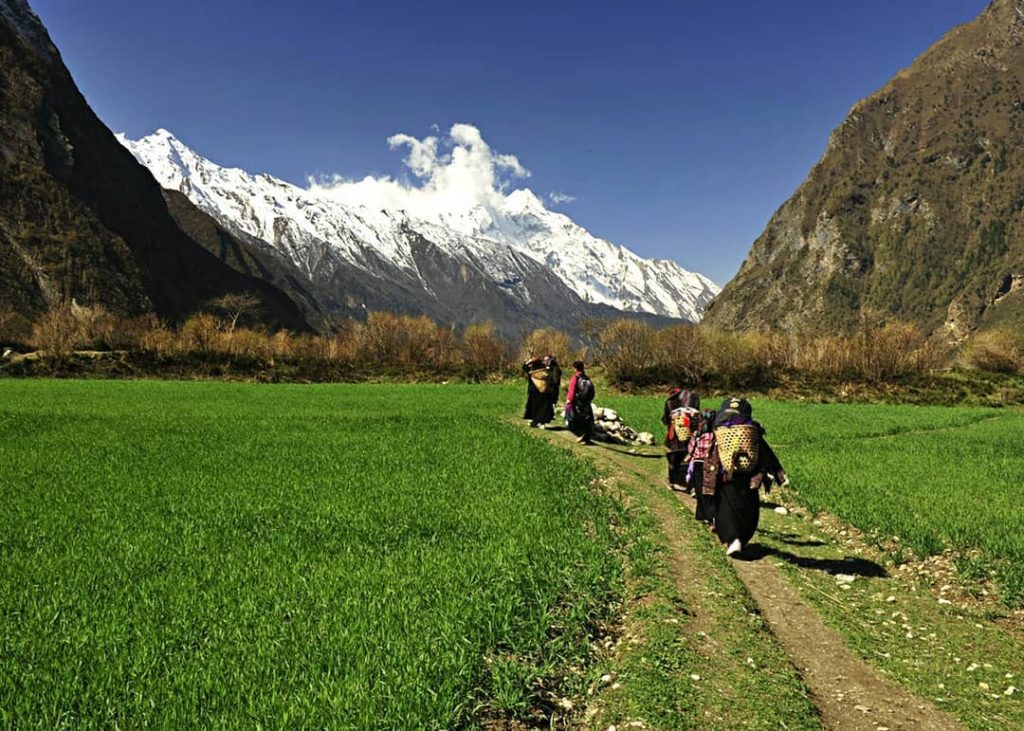
What sets Tsum Valley apart from other Himalayan treks is the extraordinary depth of its cultural and spiritual landscape. Unlike treks that primarily celebrate scenery, Tsum Valley is as much a journey through living history. The valley is home to communities that maintain a traditional Tibetan Buddhist way of life that has largely disappeared elsewhere in the Himalayas, including in Tibet itself.
Some of the valley’s highlights include Mu Gompa, the highest and oldest monastery in the valley, established in 1936 and perched at an elevation of 3,718 metres (12,198 feet). Around 20 monks call it home, with some elders having lived there for over 40 years. The legendary Milarepa Cave is another spiritual landmark — a meditation retreat believed to have been used by the great 11th-century Buddhist poet-saint Milarepa, a student of Marpa Lotsawa who wandered the Himalayas sharing the dharma. The cave and the energy surrounding it leave most visitors deeply moved, regardless of their religious background.
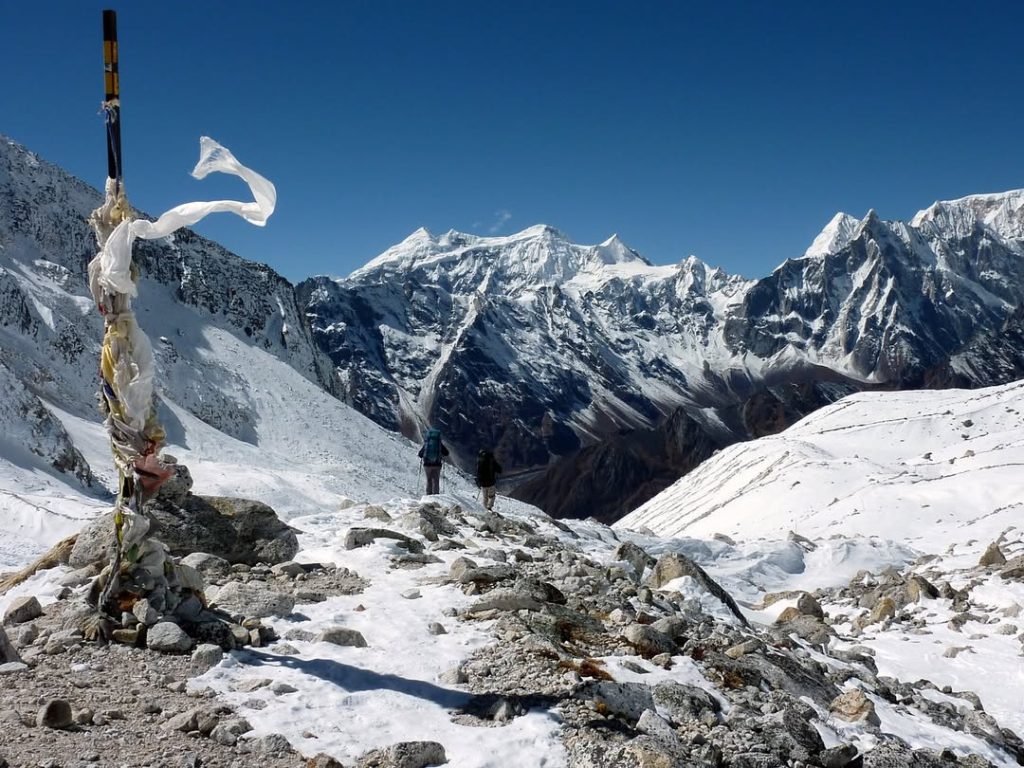
Beyond the monasteries, trekkers will encounter breathtaking views of Mount Manaslu (8,163 m), the world’s eighth-highest peak, and Himalchuli (7,893 m), as well as an abundance of rhododendron forests, river gorges, and snow-draped ridges that make every day on the trail visually spectacular.
Tsum Valley Trek Itinerary: Day-by-Day Overview
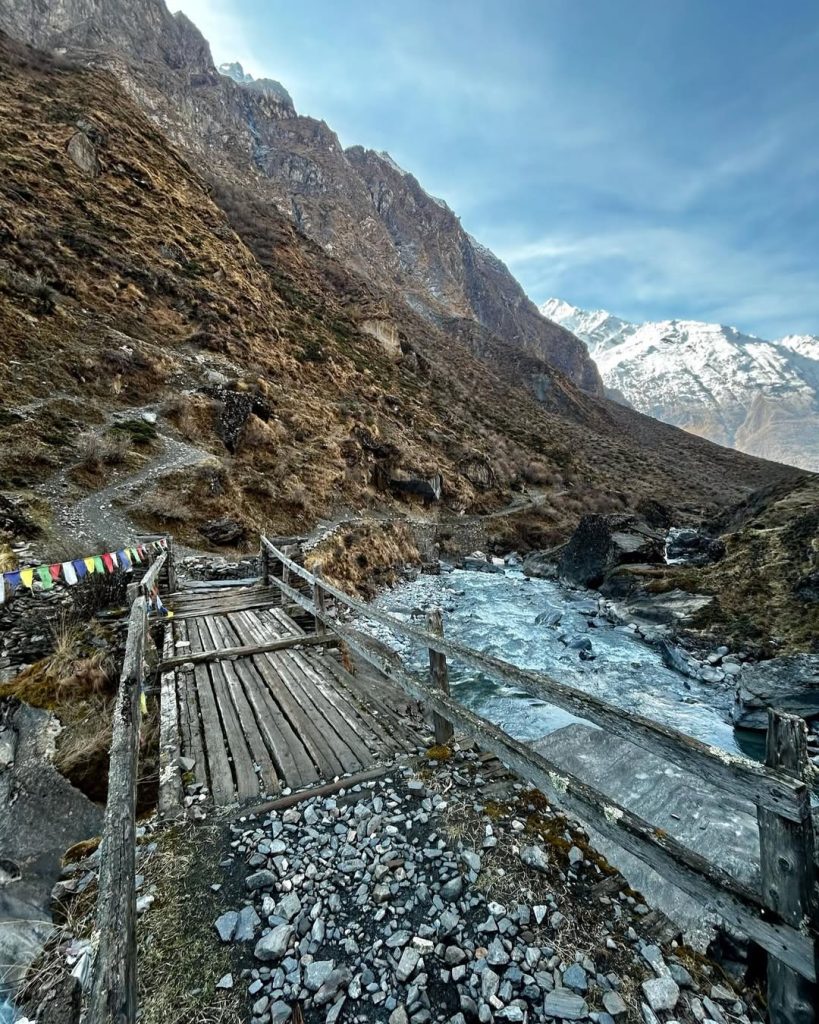
The standard Tsum Valley trek takes between 13 and 16 days to complete, though combined itineraries pairing it with the Manaslu Circuit can stretch to 20+ days. Below is a typical 14-day outline:
Days 1–2: Kathmandu to Maccha Khola
After completing permit formalities in Kathmandu, you board a jeep or local bus for the long drive to Maccha Khola (930 m / 3,051 ft), the typical road-head for this trek. The journey takes approximately 9 hours and passes through Dhading, Arughat, and Soti Khola — a dramatic introduction to rural Nepal.
Days 3–5: Trekking to Jagat via the Budhi Gandaki Valley
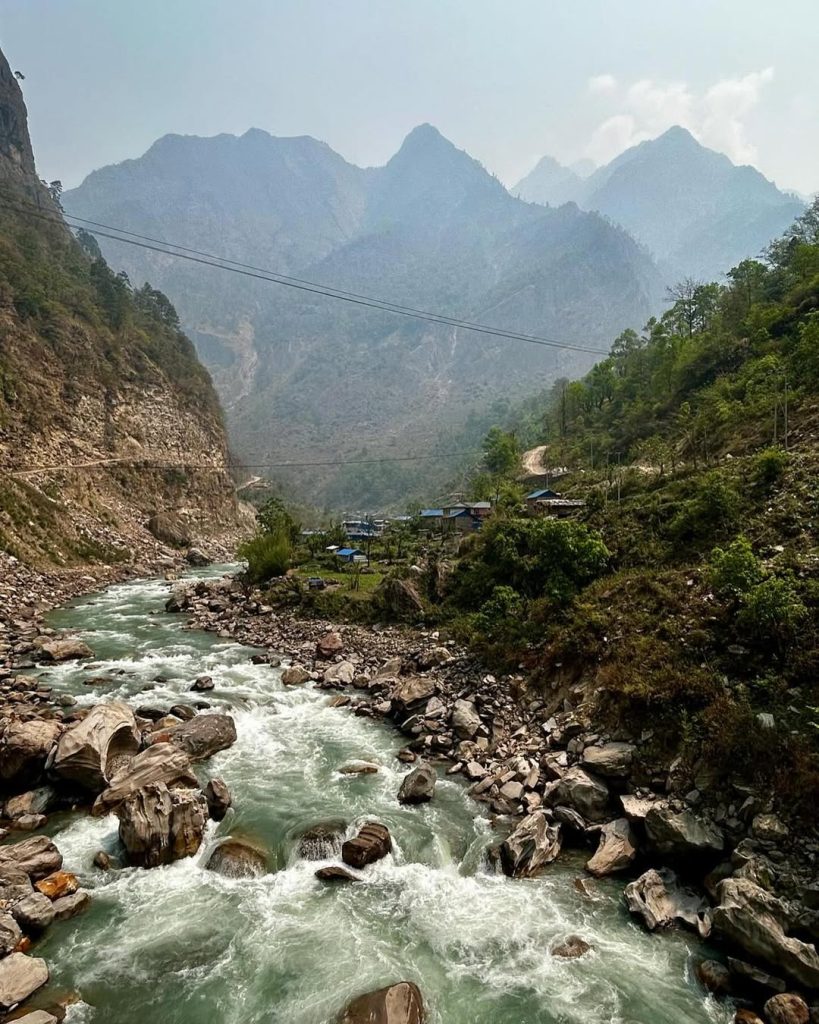
From Maccha Khola, you follow the Budhi Gandaki River through a series of mid-hill villages — Khorlabeshi, Tatopani, Dobhan — before reaching Jagat (1,410 m). The trail passes through lush sub-tropical forest, bamboo groves, and cascading waterfalls. Jagat is the last major checkpoint before the restricted area begins.
Days 6–8: Entering Tsum Valley — Lokpa to Chhekampar
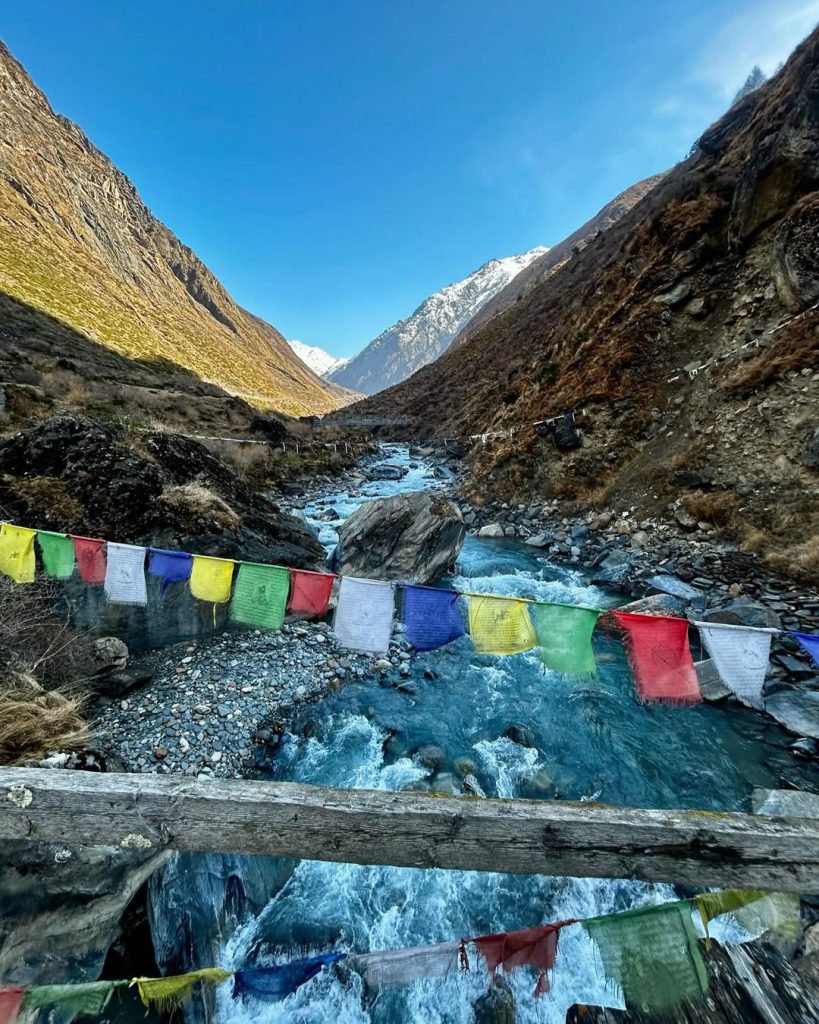
Once you branch off from the Manaslu Circuit at Lokpa, the landscape shifts dramatically. Prayer flags appear on every hilltop, Mani walls guide the trail, and the Himalayan peaks begin to dominate the skyline. Chhekampar (3,050 m / 10,006 ft), the main village of the Upper Tsum Valley, is a major highlight — a traditional settlement where locals still wear traditional Tibetan-influenced dress and practice age-old agricultural customs.
Days 9–11: Nile, Mu Gompa, and Milarepa Cave
This is the spiritual heart of the trek. From Chhekampar, you ascend to Nile village before reaching the high point of the journey: Mu Gompa at 3,718 m. Spend a morning exploring the monastery and its ancient murals before descending to visit Milarepa Cave and the Gumba Lungdan chorten complex. The silence and scale of these high-altitude sacred sites are truly humbling.
Days 12–14: Return via Chhekampar, Lokpa, and Drive to Kathmandu
The return route retraces the main trail through the valley and Budhi Gandaki gorge before the road transfer back to Kathmandu. Many trekkers find the return journey equally rewarding as the mountains present entirely different angles and lighting conditions.
Difficulty Level: Is the Tsum Valley Trek Right for You?
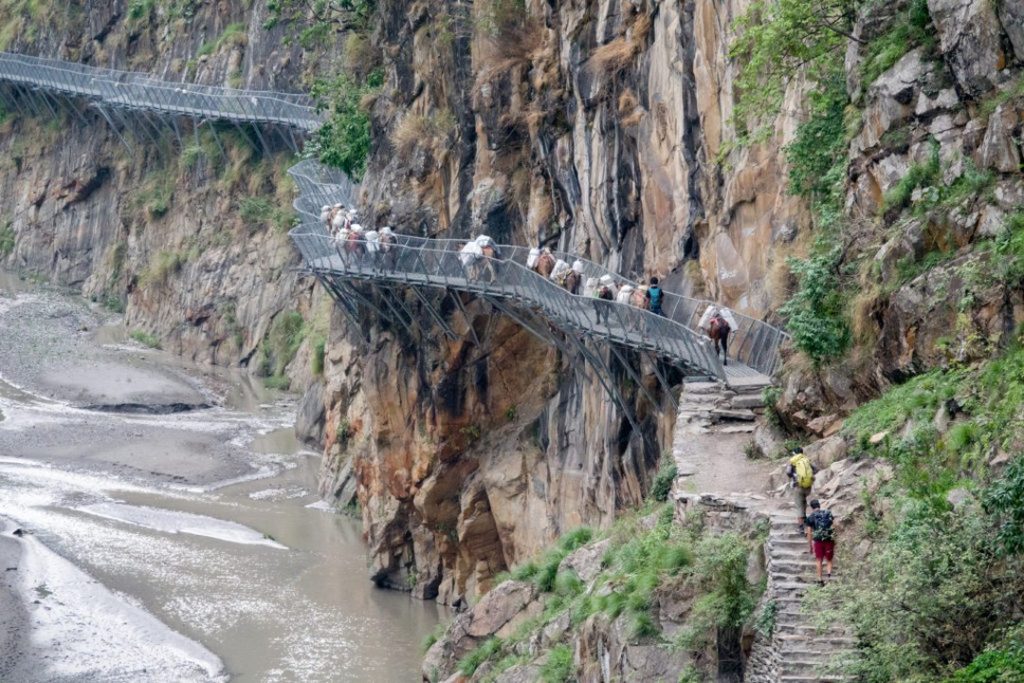
The Tsum Valley trek is rated as moderate to challenging. Trekking days typically involve 5–6 hours of walking, covering 10–20 km on rugged, undulating trails. There are significant ascents and descents, particularly in the Budhi Gandaki gorge section. The highest point, Mu Gompa at 3,718 m, is well below the altitude threshold that triggers severe altitude sickness for most people, but acclimatisation should still be taken seriously.
The trek is suitable for reasonably fit adults with some previous hiking or trekking experience. Absolute beginners may find it challenging. If you are new to Himalayan trekking, consider reading our guide to trekking in Nepal for beginners before committing to this itinerary.
Permits Required for the Tsum Valley Trek
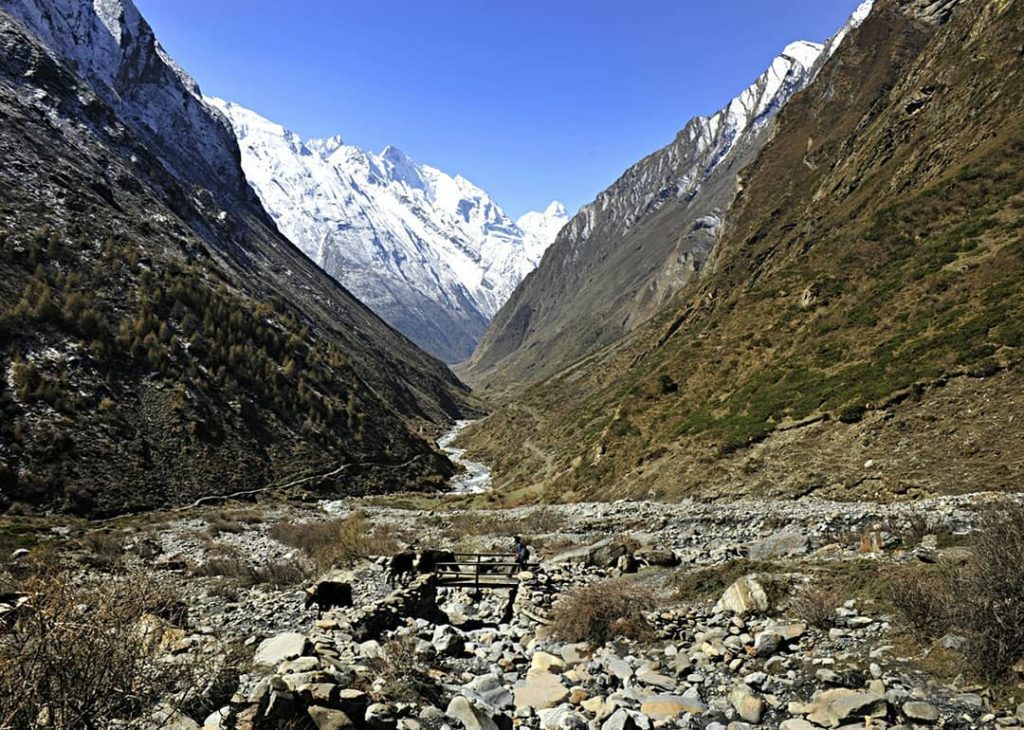
Tsum Valley is a restricted area, which means you cannot visit independently — you must trek with a registered Nepali trekking agency and a licensed guide. The following permits are required:
- Manaslu Restricted Area Permit (RAP): USD 30 per person per week during Spring (March–May), Summer, and Winter; USD 40 per person per week during Autumn (September–November). Additional days cost USD 7 (off-peak) or USD 10 (Autumn).
- Manaslu Conservation Area Permit (MCAP): NPR 3,000 per person per entry.
- TIMS Card (Trekkers’ Information Management System): Required for all trekkers in Nepal.
All permits must be arranged in Kathmandu through a registered trekking agency — they cannot be obtained independently at the trailhead. For a complete overview of the permit system, see our detailed guide to Nepal trekking permits. The Nepal Tourism Board is the official source for the latest permit requirements and fees.
Best Time to Visit: Seasons and Weather
The Tsum Valley trek can technically be attempted year-round, but two seasons stand out as optimal:
Spring (March to May)
Spring is arguably the most beautiful time to trek Tsum Valley. Temperatures are mild, skies are largely clear, and the hillsides erupt in blooms of pink and red rhododendron. March and April offer the most stable conditions with long, warm days perfect for photography. Snowfall at altitude is still possible in early March.
Autumn (September to November)
Autumn is peak trekking season across Nepal, and Tsum Valley is no exception. Post-monsoon skies are crystal clear, offering the most dramatic mountain views of the year. October in particular is often considered the best single month for Himalayan trekking. Note that autumn attracts slightly more trekkers and the restricted area permit cost is higher (USD 40/week).
Seasons to Avoid
The monsoon season (June–August) brings heavy rainfall that makes trails slippery and river crossings dangerous, while leeches are an added nuisance at lower elevations. Deep winter (December–February) sees very cold temperatures and potential trail closures due to snow. While possible for experienced winter trekkers, these months are not recommended for most visitors.
Cost Breakdown: How Much Does the Tsum Valley Trek Cost?
Total costs for the Tsum Valley trek vary significantly based on duration, group size, services included, and travel style. Here is a rough breakdown for an independent trekker booking through a Kathmandu agency:
- Agency package (guide, porter, accommodation, meals, transport): USD 700–1,600 for a 13–15 day trip
- Restricted Area Permit: USD 60–80 for two weeks (seasonal)
- MCAP: NPR 3,000 (~USD 22)
- Personal gear and equipment: Variable — budget extra if hiring sleeping bags, poles, or down jackets in Kathmandu
- International flights and Kathmandu accommodation: Not included in agency quotes
Premium guided packages that include high-quality meals, insurance, and experienced English-speaking guides can run up to USD 3,000. Budget trekkers who travel in a group and negotiate well can manage for USD 700–900 all in (excluding flights). For comparison, check out our Rara Lake trek guide to see how the costs and logistics compare with another remote Nepal trek.
What to Pack for the Tsum Valley Trek
Packing smart is essential for any Himalayan trek, and Tsum Valley is no exception. Here are the key items to include:
- Sleeping bag: Rated to at least –10°C / 14°F. Nighttime temperatures at altitude can drop well below freezing, even in spring and autumn.
- Layered clothing system: Moisture-wicking base layers, insulating mid-layers (fleece or down), and a waterproof outer shell.
- Trekking boots: Sturdy, broken-in, waterproof ankle boots with good grip. Do not use trail runners on this terrain.
- Trekking poles: Highly recommended for the steep descents in the Budhi Gandaki gorge.
- Sun protection: Sunscreen (SPF 50+), UV-blocking sunglasses, and a hat. UV radiation is intense at altitude.
- First aid and medications: Altitude sickness medication (consult your doctor), blister treatment, water purification tablets or a filter.
- Toiletries: Toilet paper, biodegradable soap, hand sanitiser, and wet wipes. Facilities in Upper Tsum Valley are very basic.
- Cash: There are no ATMs beyond Soti Khola. Carry sufficient Nepali Rupees for the entire trek.
Aim to keep your personal daypack under 10–12 kg. Porters are available through your agency and can carry the bulk of your gear (typically 20–25 kg shared between two trekkers).
Cultural Etiquette in Tsum Valley
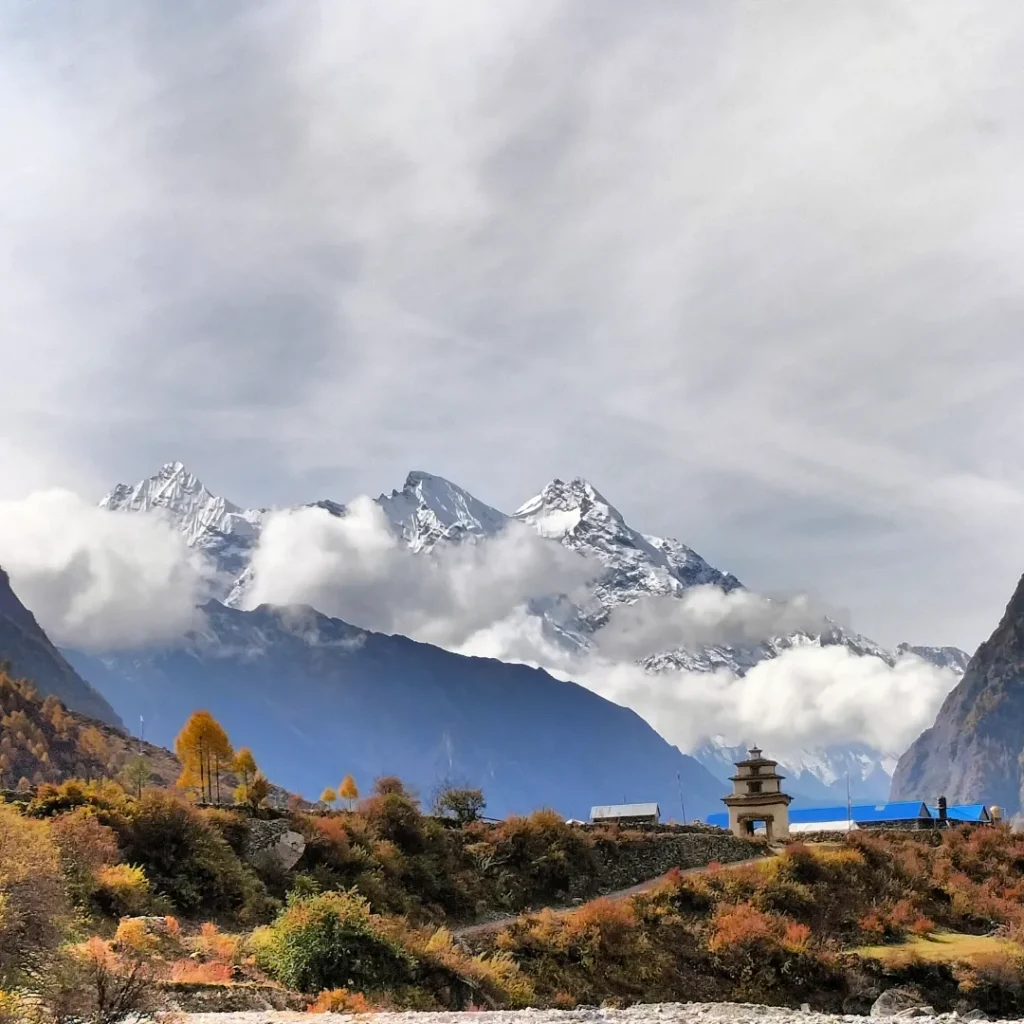
The communities of Tsum Valley are deeply religious, and visitors should be respectful of local customs at all times. Always walk clockwise around chortens, Mani walls, and gompa courtyards — turning anti-clockwise is considered disrespectful. Remove your shoes before entering monasteries and ask permission before photographing monks, religious ceremonies, or local people. Dress modestly, covering shoulders and knees when visiting gompa complexes.
Because the valley has been relatively insulated from mass tourism, responsible travel practices matter enormously here. Carry out all your non-biodegradable waste, avoid single-use plastics, and purchase locally made products where possible to support the community economy. For background on the region’s rich Buddhist heritage, the Wikipedia entry on Tsum Valley is a helpful starting point.
Frequently Asked Questions About the Tsum Valley Trek
How difficult is the Tsum Valley trek?
The Tsum Valley trek is rated moderate to challenging. It involves daily walks of 5–6 hours on rugged terrain with significant elevation gain and loss. Previous trekking experience is strongly recommended. The highest point, Mu Gompa at 3,718 m, is manageable for most healthy adults with proper acclimatisation.
Do I need a guide for the Tsum Valley trek?
Yes. Tsum Valley is a restricted area and trekking there without a licensed guide from a registered Nepali agency is not permitted. Your guide will also help arrange all required permits and logistics. This is non-negotiable.
How many days does the Tsum Valley trek take?
A standard Tsum Valley trek takes 13–16 days, including road travel from Kathmandu. Combined itineraries that include the Manaslu Circuit can run 20+ days. The valley itself typically takes about 10 days of trekking to properly explore.
What is the best time to do the Tsum Valley trek?
The two best seasons are spring (March–May) and autumn (September–November). Spring offers rhododendron blooms and milder temperatures; autumn provides the clearest mountain views. Avoid the monsoon (June–August) and deep winter (December–February) unless you are a very experienced trekker.
How much does the Tsum Valley trek cost?
Budget between USD 700 and USD 1,600 for a standard 13–15 day guided package. Premium packages with higher-quality services can cost up to USD 3,000. Permits add approximately USD 80–100 on top of agency fees. Flights and Kathmandu accommodation are additional.
What permits are needed for the Tsum Valley trek?
You need a Manaslu Restricted Area Permit (USD 30–40/week depending on season), a Manaslu Conservation Area Permit (NPR 3,000), and a TIMS card. All permits must be obtained in Kathmandu through a registered trekking agency before you begin.
Is the Tsum Valley trek safe?
Yes, the trek is generally safe when undertaken with a reputable agency and experienced guide. The main risks are altitude-related illness, trail injuries from rough terrain, and unpredictable weather. A proper first aid kit, travel insurance covering high-altitude trekking and emergency evacuation, and respect for acclimatisation schedules will mitigate most risks.
Can I combine the Tsum Valley trek with the Manaslu Circuit?
Absolutely — this is one of the most popular combinations in the Manaslu region. The two routes share a trailhead and much of the same permit structure, so combining them adds just a few extra days and offers a far more comprehensive experience of the region. Most agencies offer combined packages of 18–22 days.
Conclusion: Why the Tsum Valley Trek Deserves a Spot on Your Nepal Itinerary
In an era when the world’s most famous trekking routes are increasingly crowded, the Tsum Valley trek stands apart as a genuinely rare experience — one that rewards effort with solitude, authenticity, and profound cultural encounters that are becoming harder to find in the Himalayas. From the ancient murals of Mu Gompa to the meditation cave of Milarepa, from the jaw-dropping profiles of Manaslu and Himalchuli to the quiet dignity of Chhekampar village, Tsum Valley offers a version of Nepal that most visitors never see. Plan carefully, respect the environment and communities you pass through, and this sacred hidden valley will deliver one of the most memorable journeys of your life.


